Water Architecture: The Poetics of the Pool
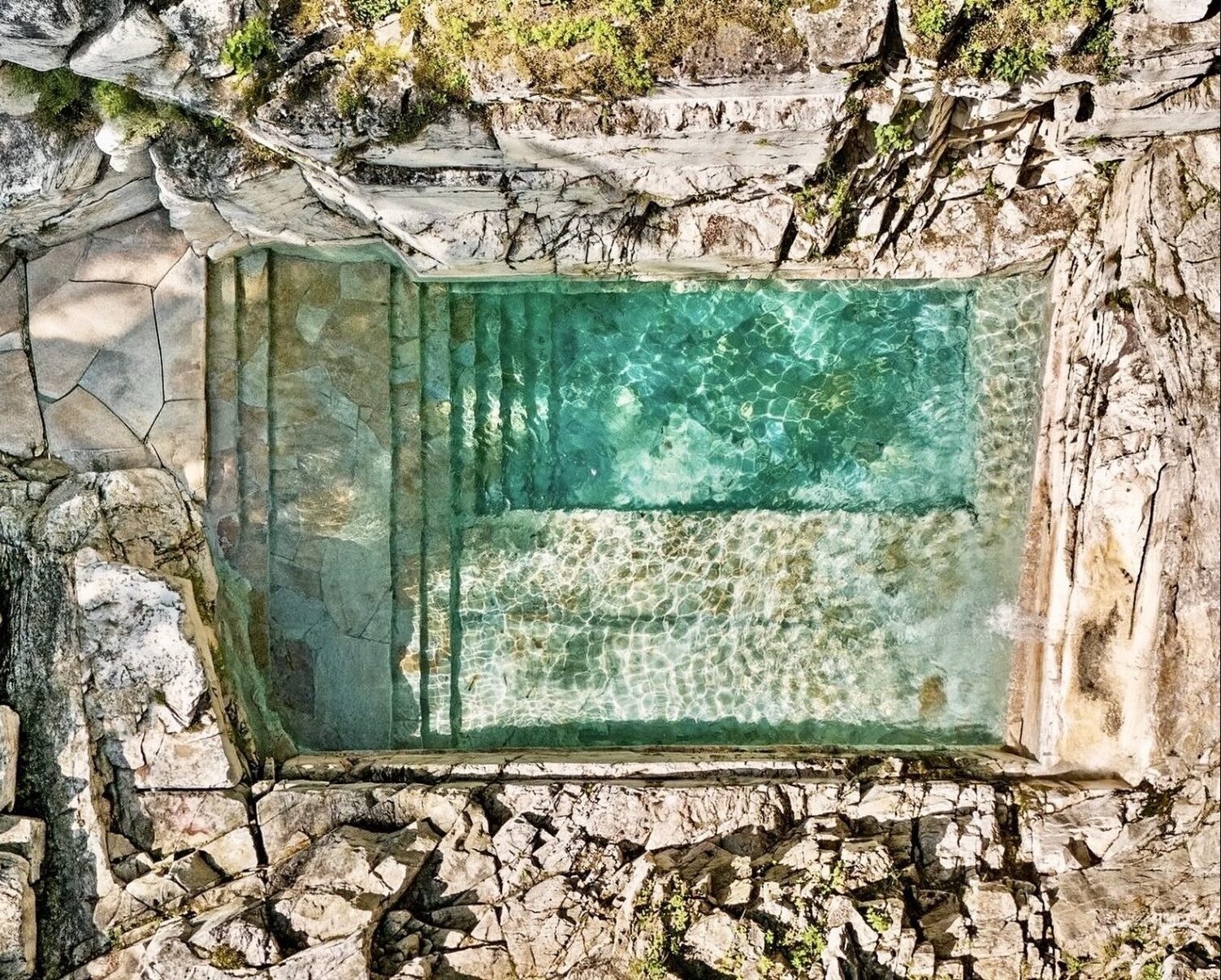
A pool is never only a pool; it reflects our relationship with nature.
Hollowed into the skin of the earth and filled with water, it is at once an architectural artifact, a domesticated fragment of landscape, and a carefully constructed image of nature.
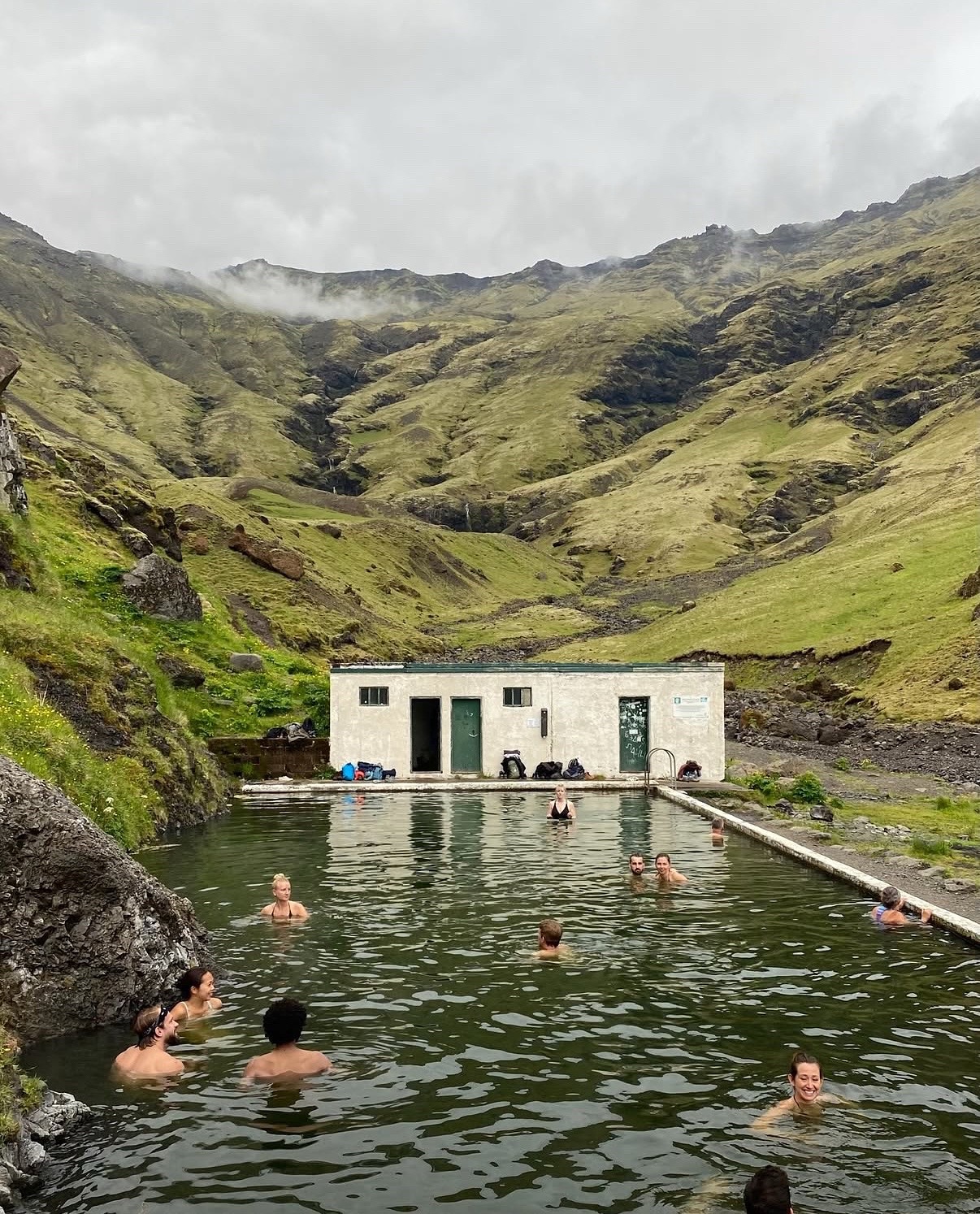
Water has always occupied a singular place in human existence. It soothes the body, cleanses it, and washes away tiredness, confusion, and thirst. Gaston Bachelard describes it as the element of reverie, the substance through which memory, dreams, and the unconscious acquire material form (Bachelard, 1942). Unlike stone or timber, water resists permanence. It reflects, absorbs, distorts, and envelops. Its presence transforms architecture not through form but through atmosphere, altering light, temperature, acoustics, and the body’s perception of space.
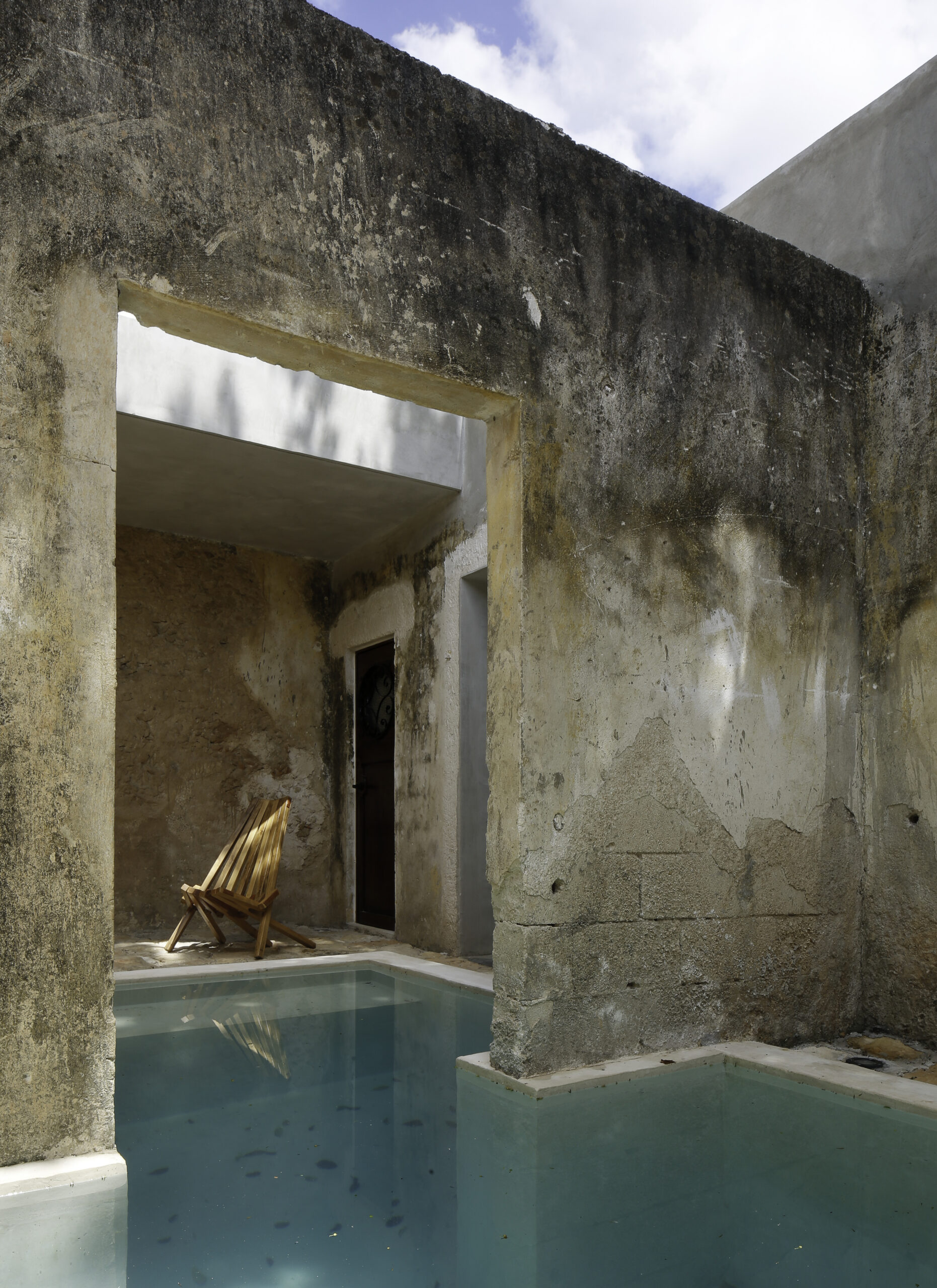
In this sense, water is profoundly phenomenological: it is experienced before it is understood.
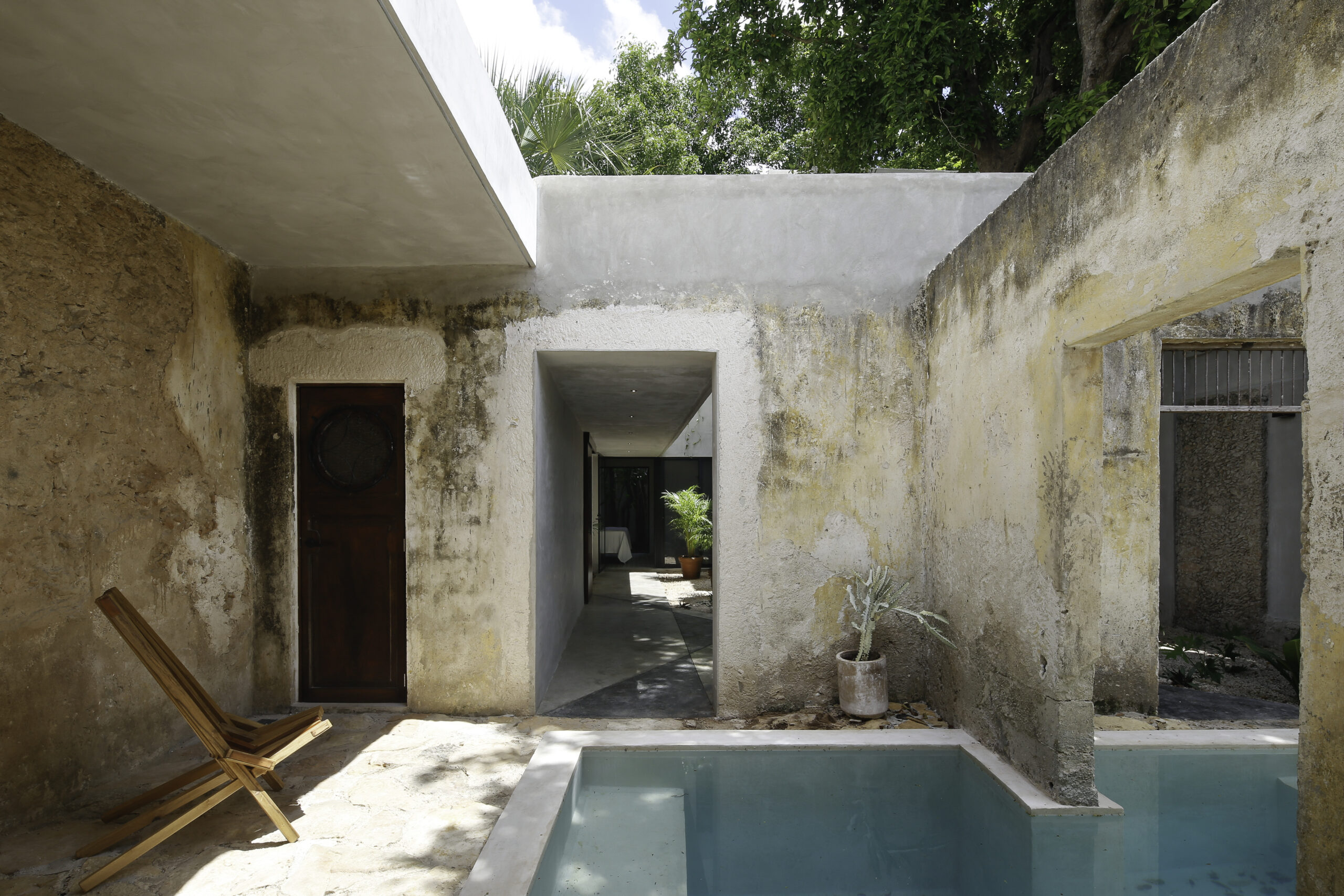
Long before swimming pools became architectural amenities, natural pools, springs, and thermal waters constituted spaces of care.
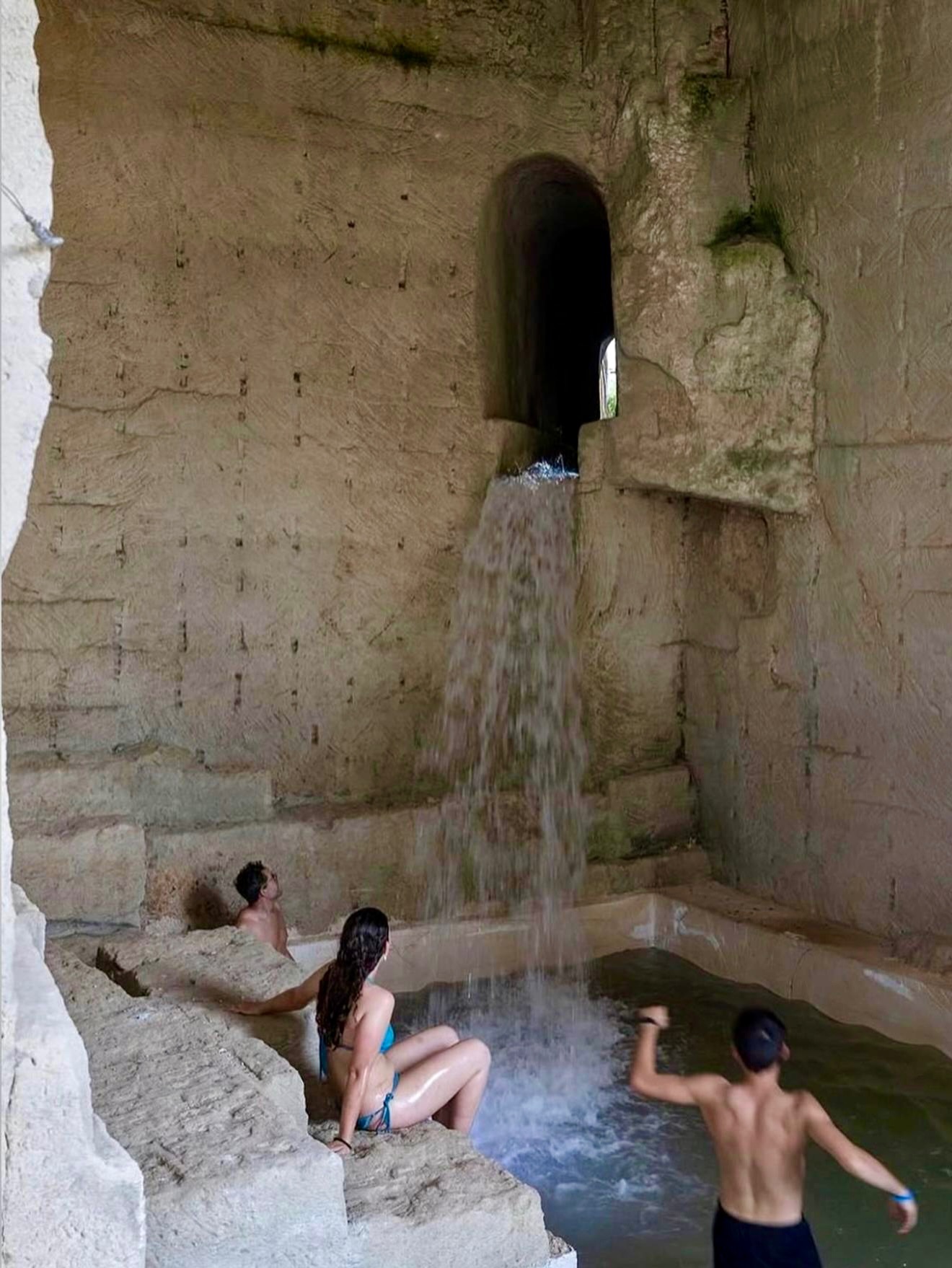
From the sacred springs of antiquity to Roman thermae and Japanese onsen, immersion has historically intertwined hygiene, healing, and social life. Contemporary environmental psychology increasingly confirms what these traditions intuitively understood: proximity to water reduces physiological stress, lowers cortisol levels, and enhances psychological restoration (Ulrich, 1984; White et al., 2010). Marine biologist Wallace J. Nichols coined the term Blue Mind to describe the mildly meditative neurological state induced by the presence of water, suggesting that aquatic environments foster creativity, emotional regulation, and wellbeing (Nichols, 2014).
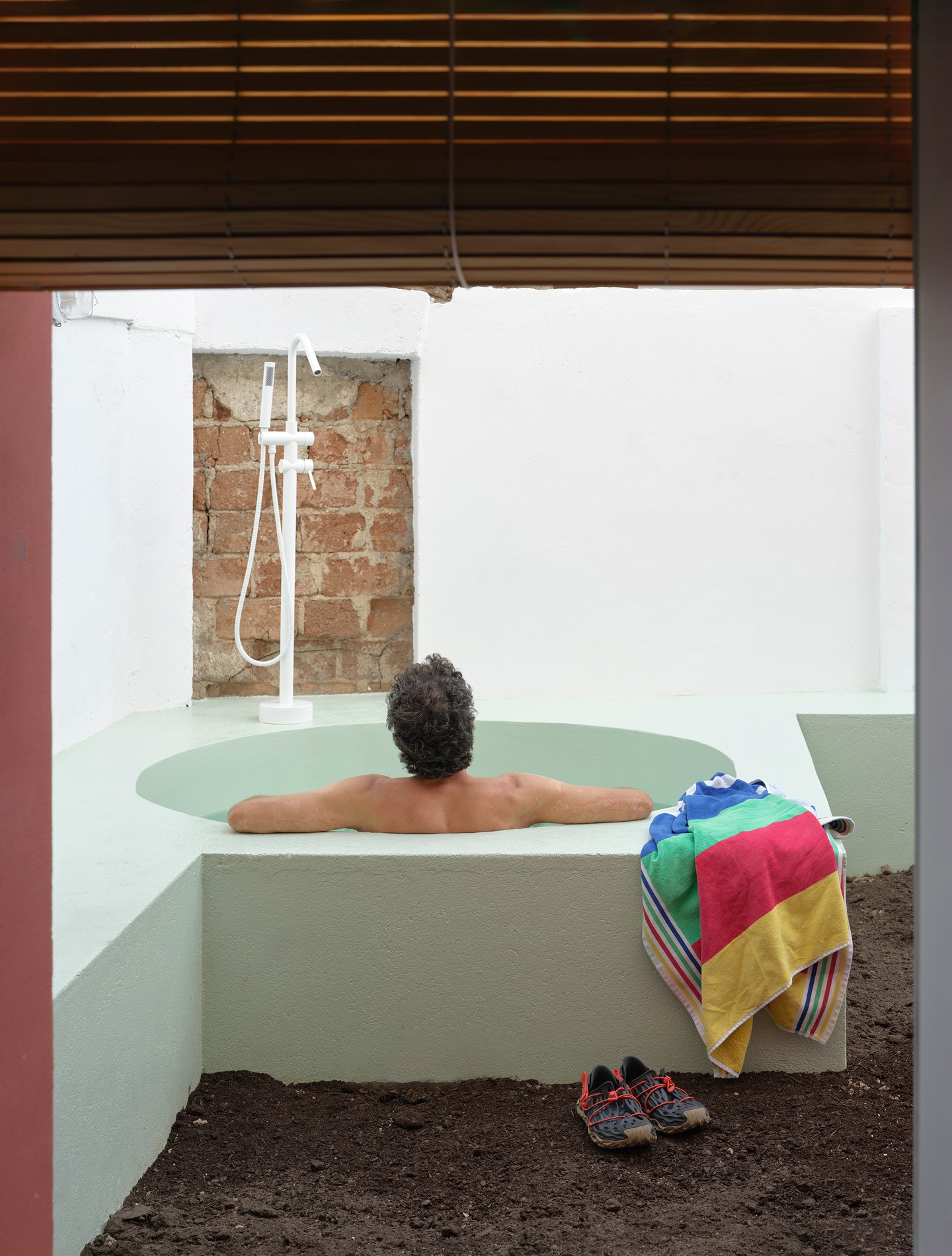
The body does not merely occupy water; it recalibrates itself through it.
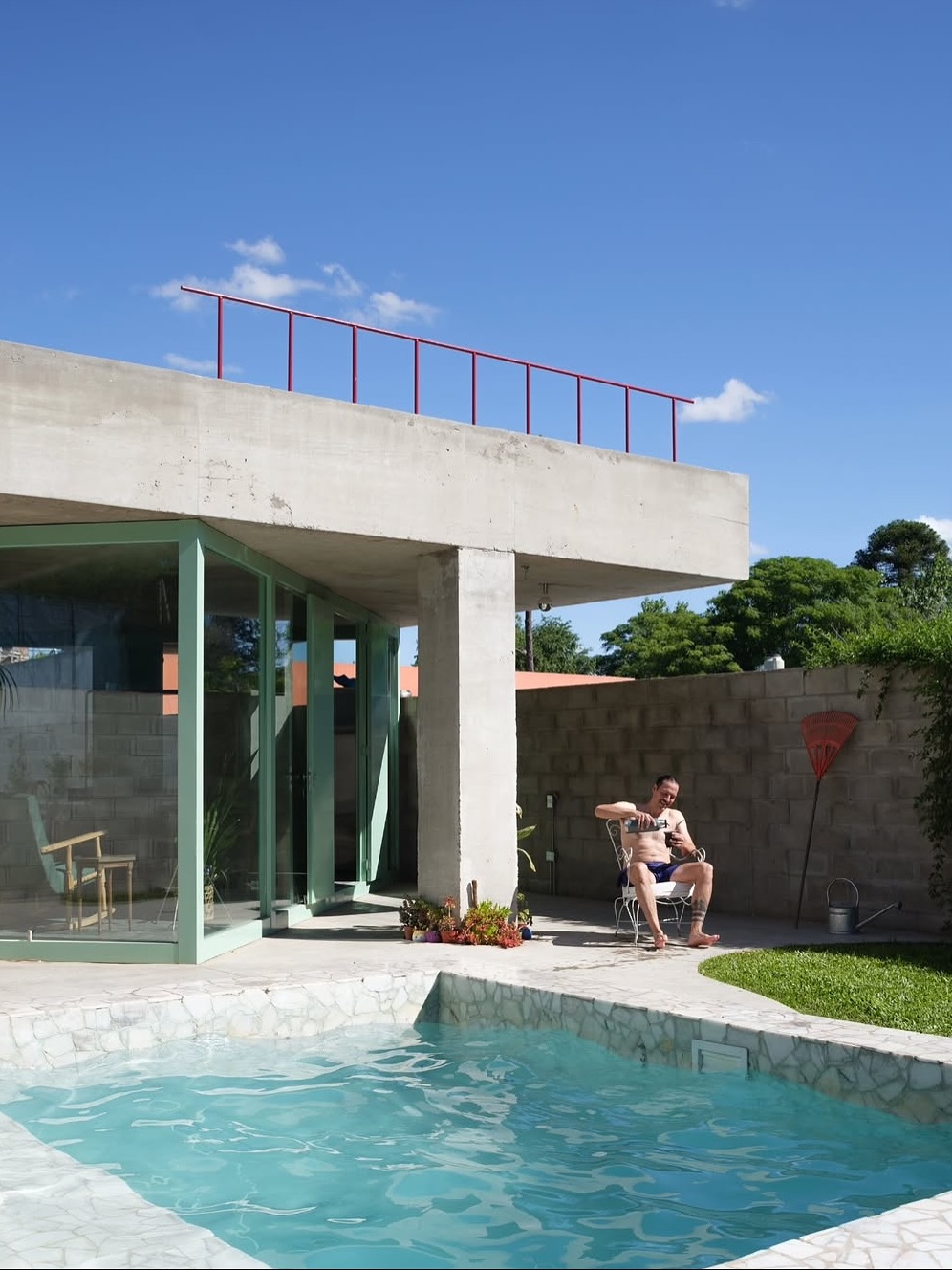
The pool, in its primal form, addresses this fundamental need for regulation.
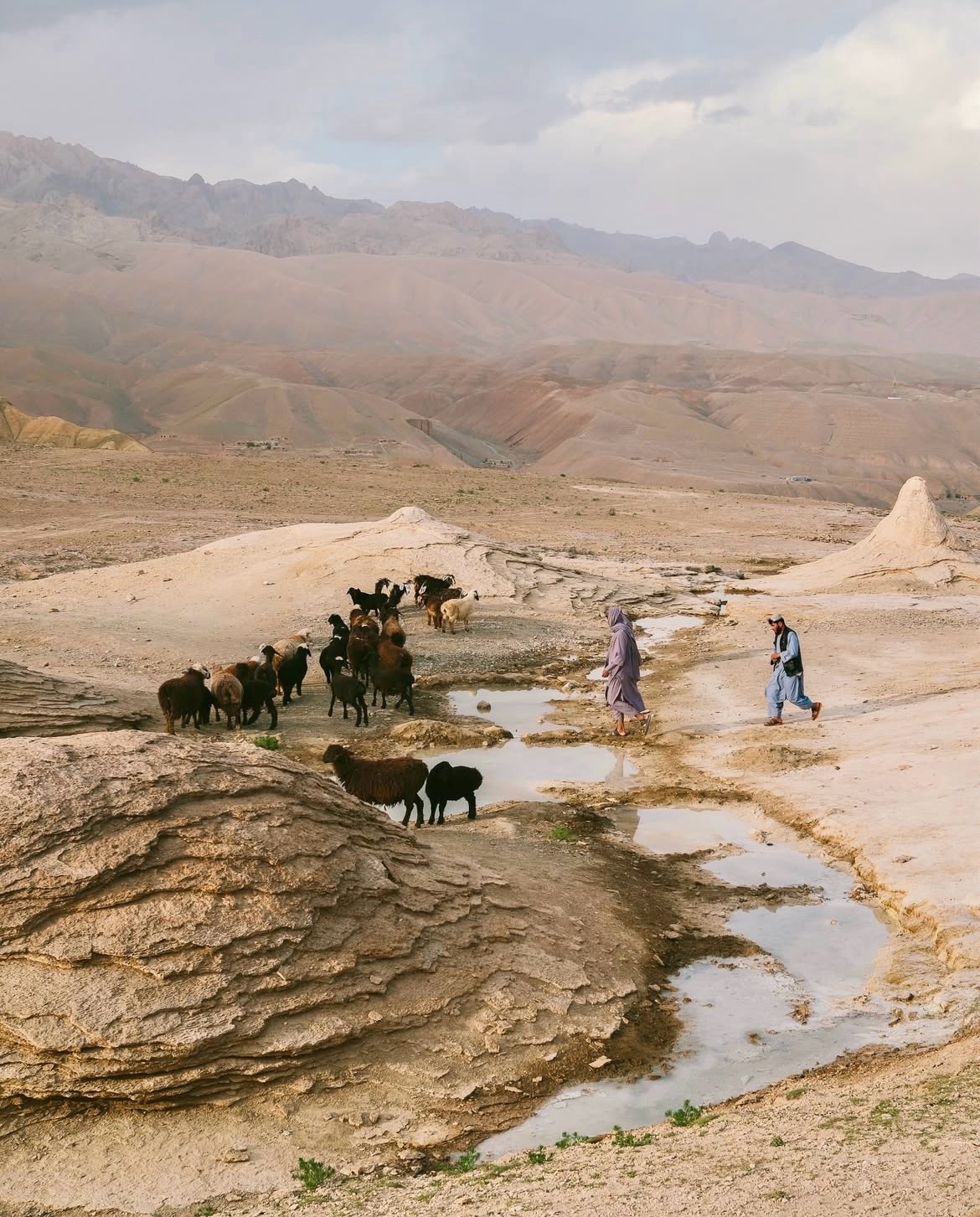
Throughout history, the pool has oscillated between necessity and ritual, between collective infrastructure and private luxury. In contemporary architecture, however, the pool increasingly becomes a meaningless extension of the untamed sea, a pure imitation of its true essence and matter. Multiplied across coastlines and suspended above cliffs, the infinity pool dissolves into an endless visual continuum with the sea, transforming water from an elemental medium into a consumable spectacle. What once framed nature now imitates it; what once cultivated an intimate encounter with water now reproduces only its image.
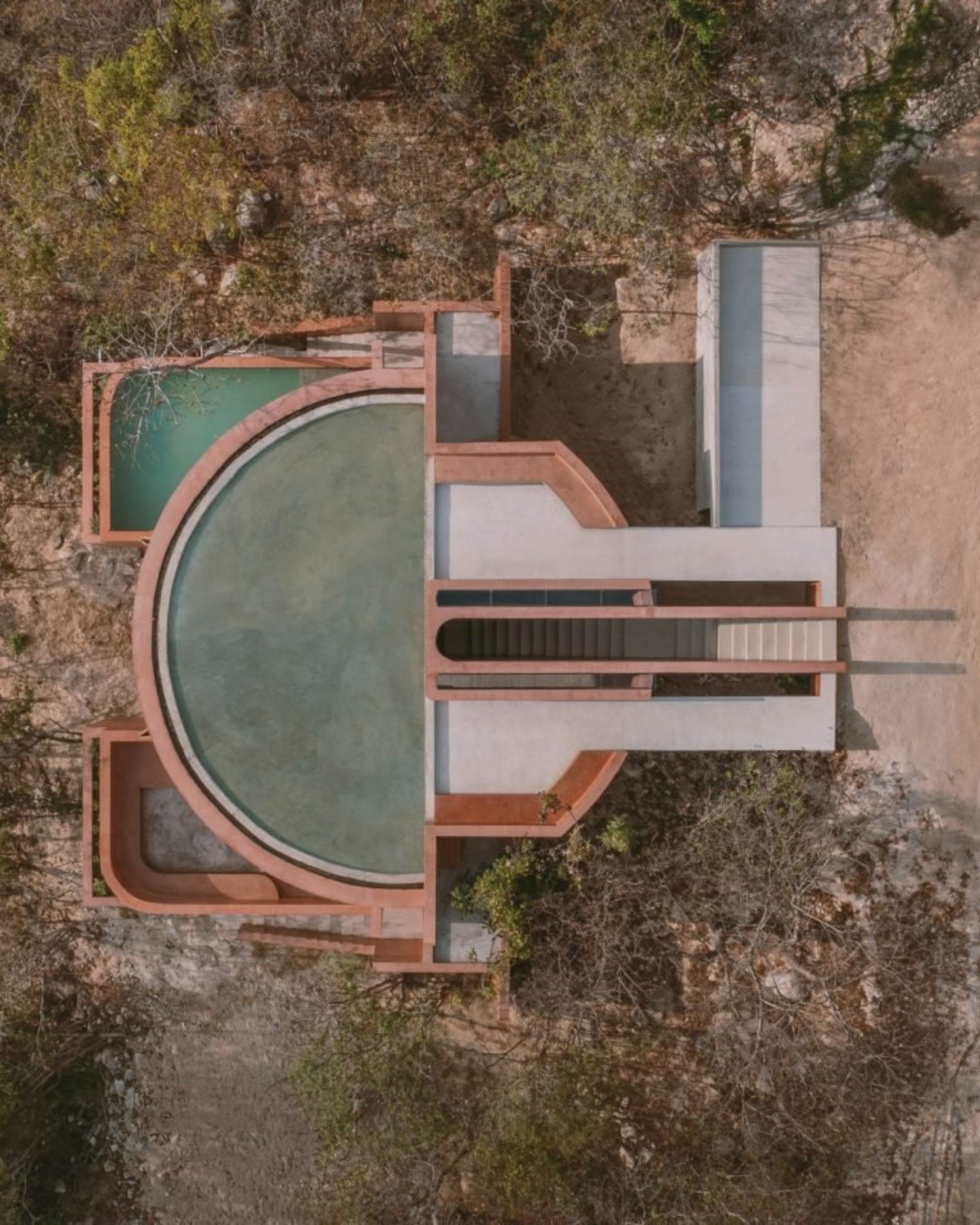
Juhani Pallasmaa argues that architecture reaches its fullest expression when it engages the entire sensorium rather than privileging vision alone (Pallasmaa, 2005). Water exemplifies this multisensory condition. One hears it before seeing it; one feels its humidity before touching it. The coolness of immersion, the resistance offered by its density, and the shimmering reflections cast upon surrounding surfaces produce what Pallasmaa would call an embodied architecture—an environment measured not by geometry but by the lived body.
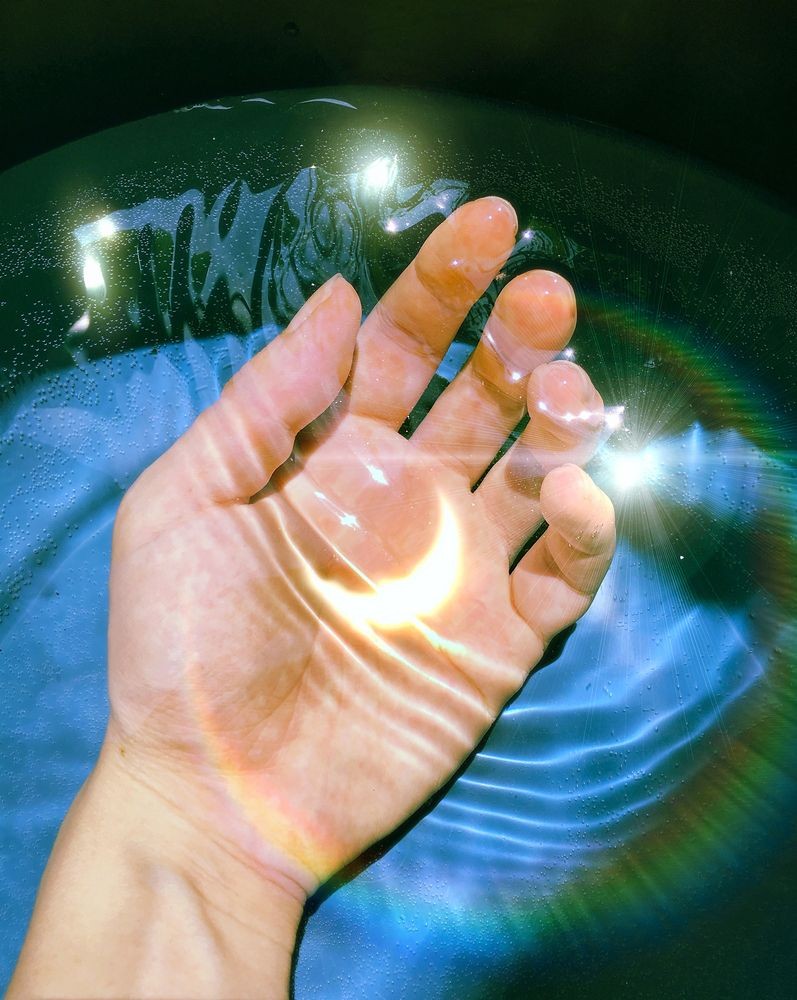
Peter Zumthor similarly reminds us that atmosphere emerges from the emotional resonance between material, light, sound, and temperature (Zumthor, 2006).
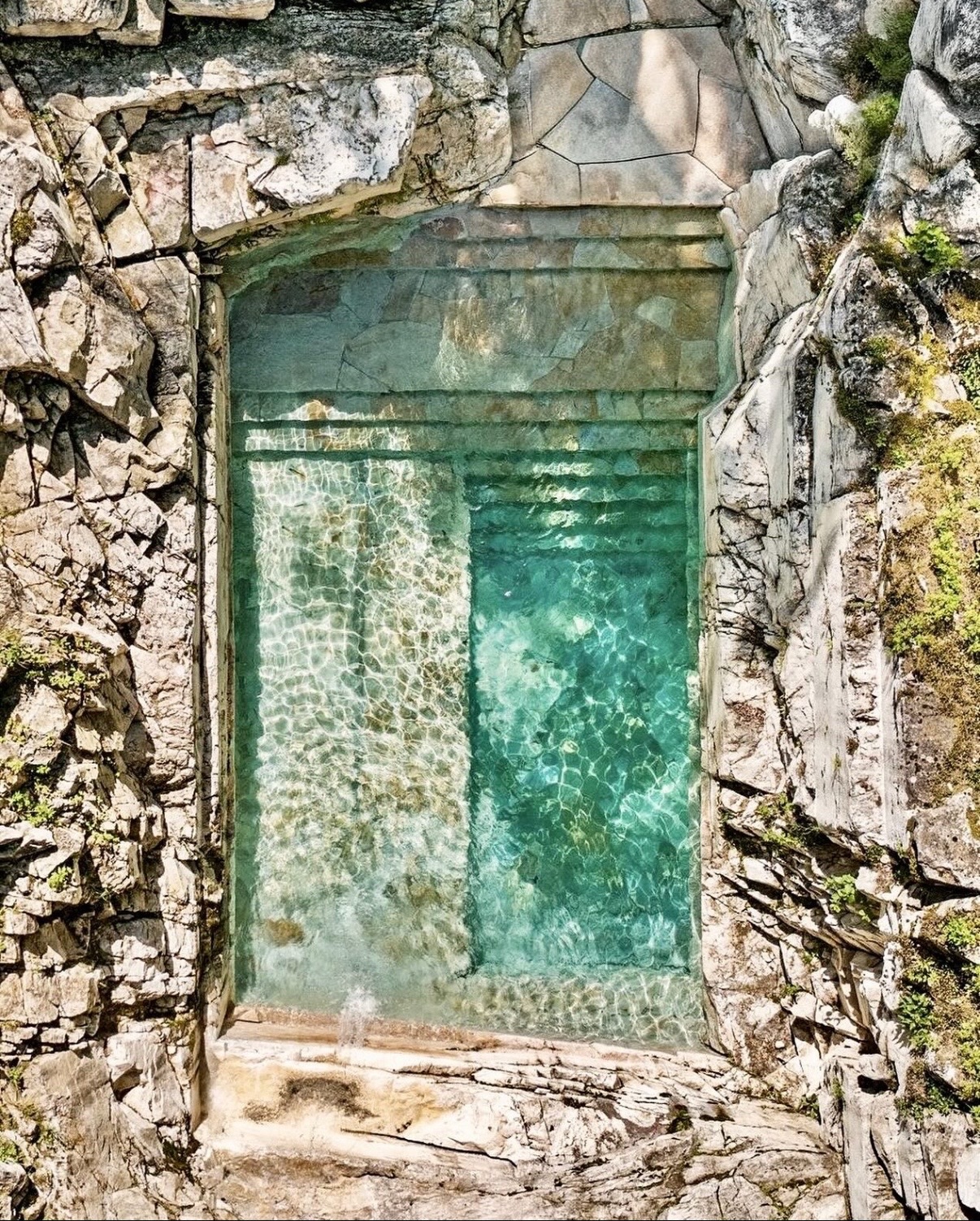
Water is perhaps architecture’s most mutable atmospheric material, capable of continuously rewriting the character of a place.
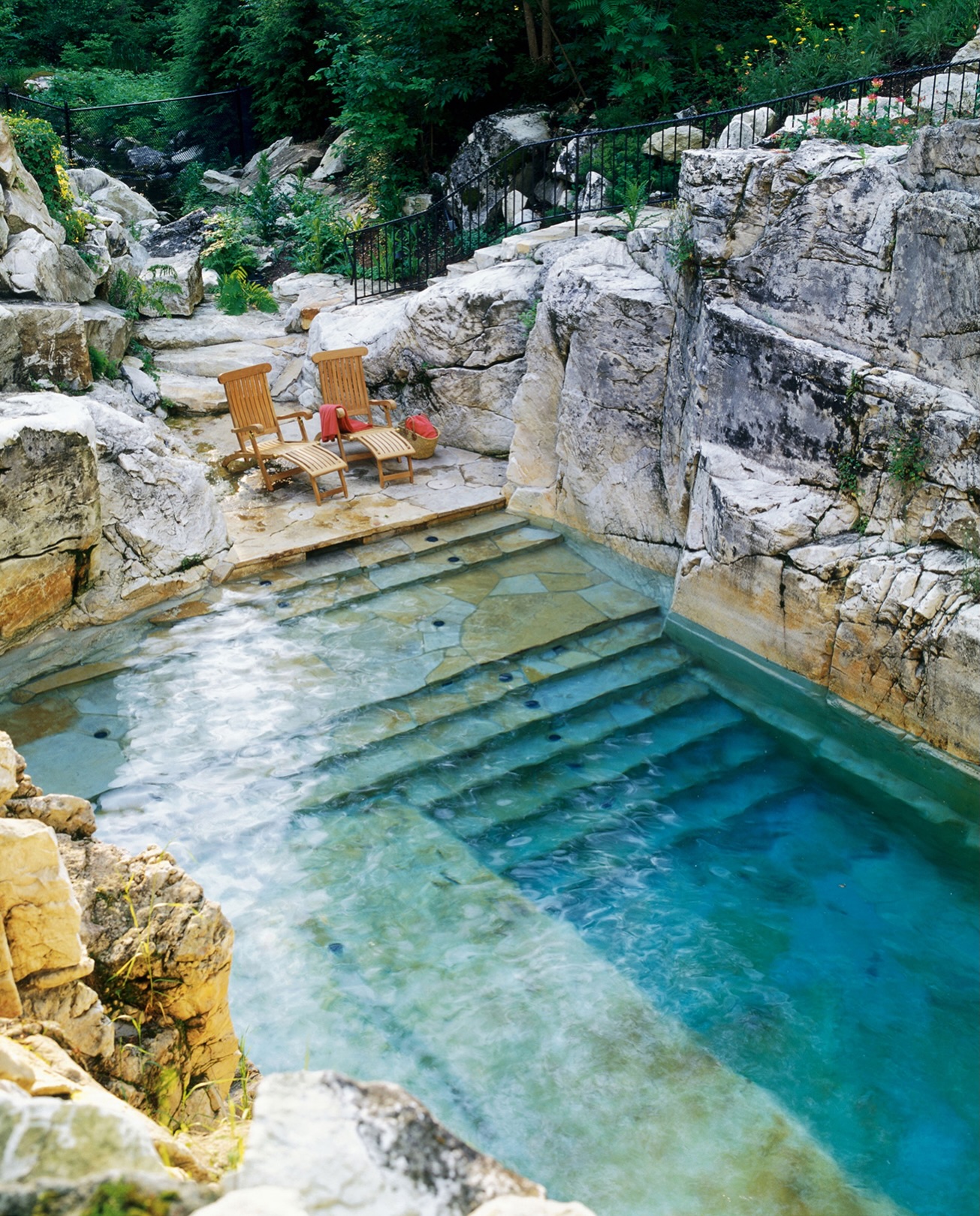
Architecture has long understood this intimate alliance. Louis Kahn described a pool as “the giver of reflections,” recognising water as a material capable of extending architecture beyond its physical limits. Tadao Ando‘s Water Temple and Church on the Water employ water as an architectural threshold, slowing movement and heightening perception. Likewise, Carlo Scarpa‘s meticulous water gardens reveal how a thin layer of water can become an instrument for measuring time, gravity, and silence. In each case, water is not a scenic backdrop but an active architectural medium.
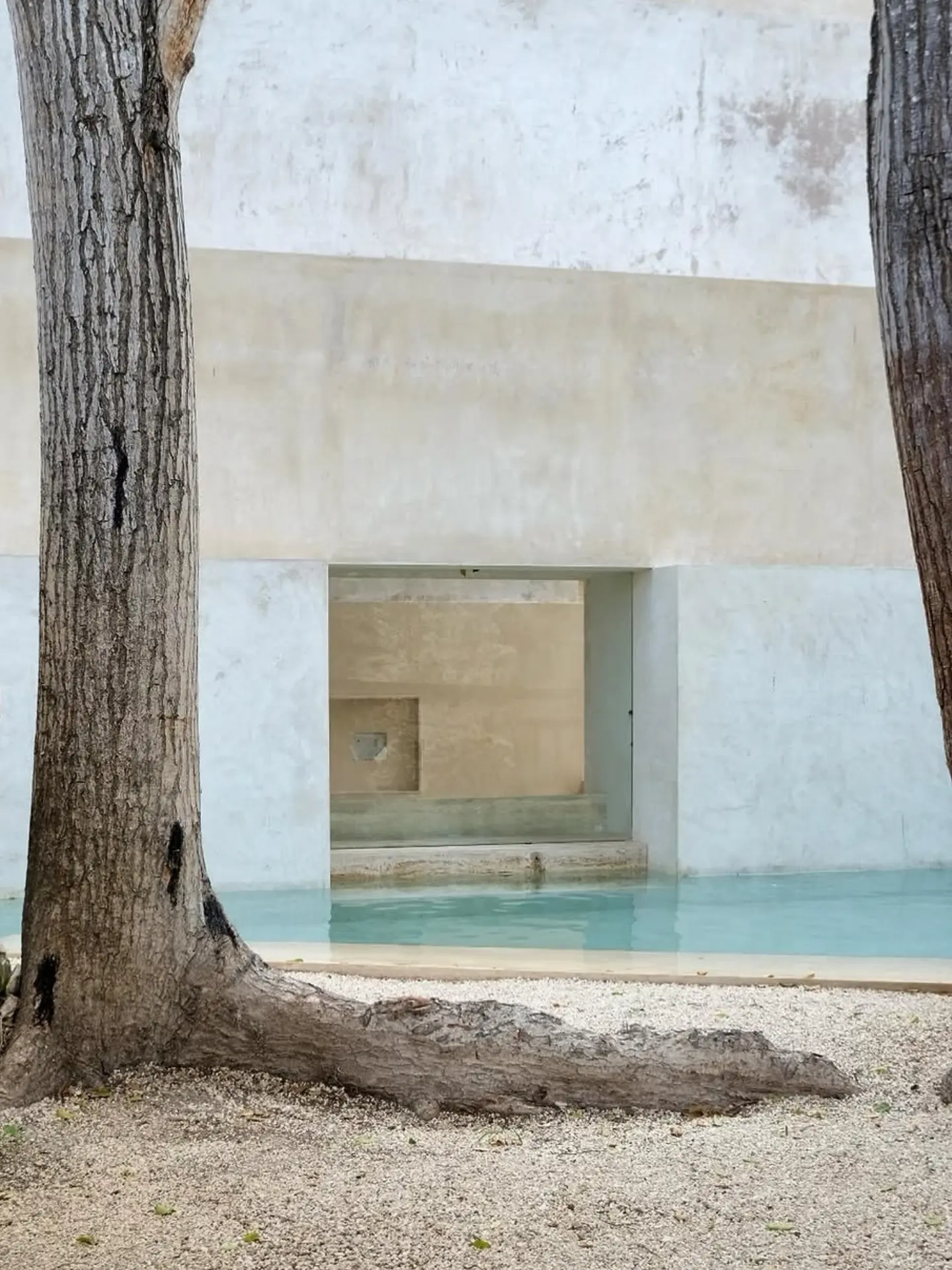
Yet the contemporary proliferation of private swimming pools exposes a profound contradiction. As freshwater scarcity intensifies under climate change, the pool increasingly embodies a paradox of abundance. It promises intimacy with nature while consuming one of its most vulnerable resources. The endless blue rectangle has become a global architectural cliché, detached from geography, climate and culture, replicating itself with remarkable indifference from desert resorts to Mediterranean islands.
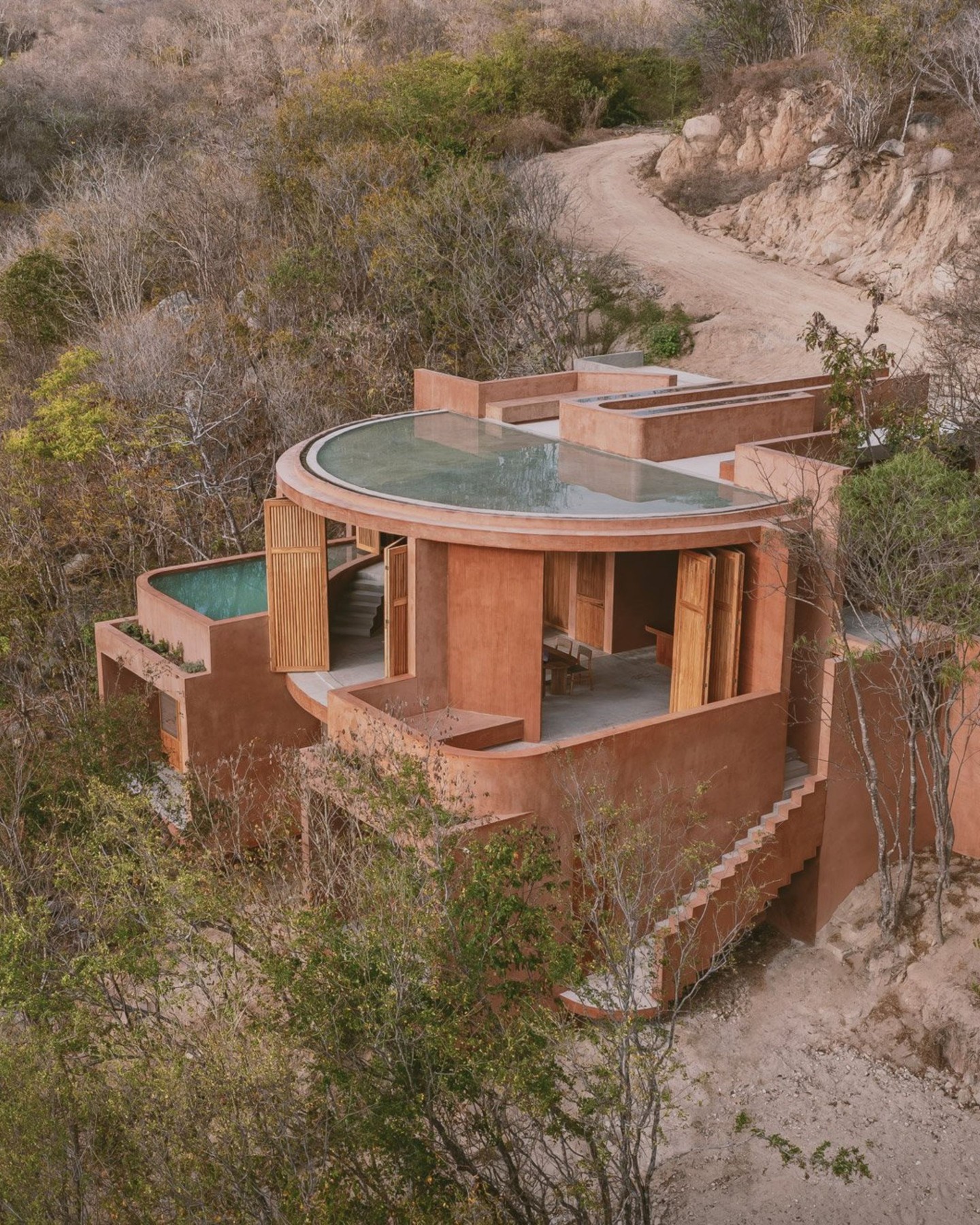
Marc Augé‘s notion of non-place (1995) seems unexpectedly relevant here: many contemporary pools erase locality rather than revealing it, producing interchangeable landscapes of leisure whose primary function is photographic rather than experiential.
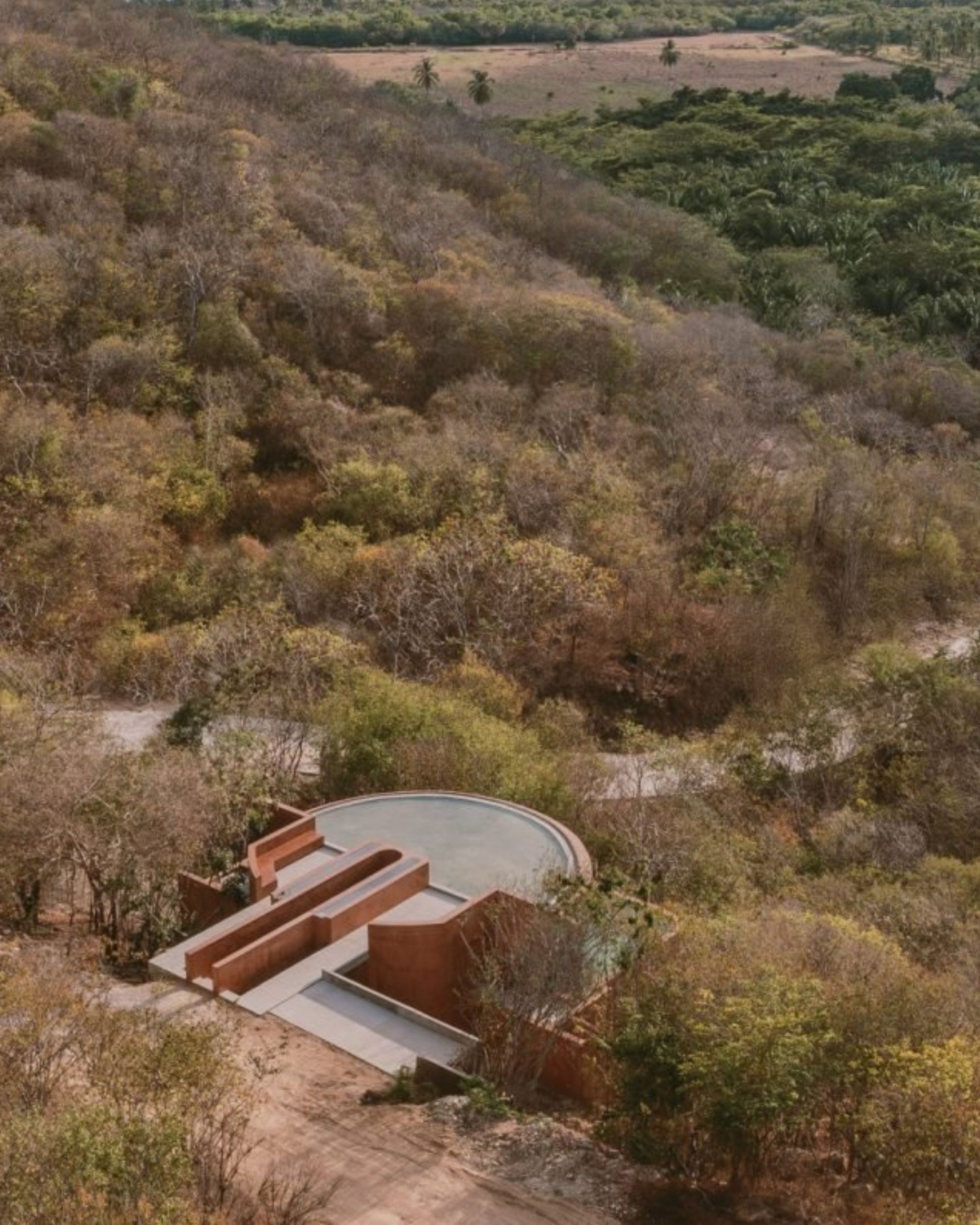
Perhaps architecture must recover the pool as an act of mediation with nature rather than imitation of it. Instead of extending the sea indefinitely through optical illusion, the pool could once again become a measured body of water—finite, situated, and meaningful. A place where architecture acknowledges the elemental intelligence of water rather than merely reproducing its appearance.
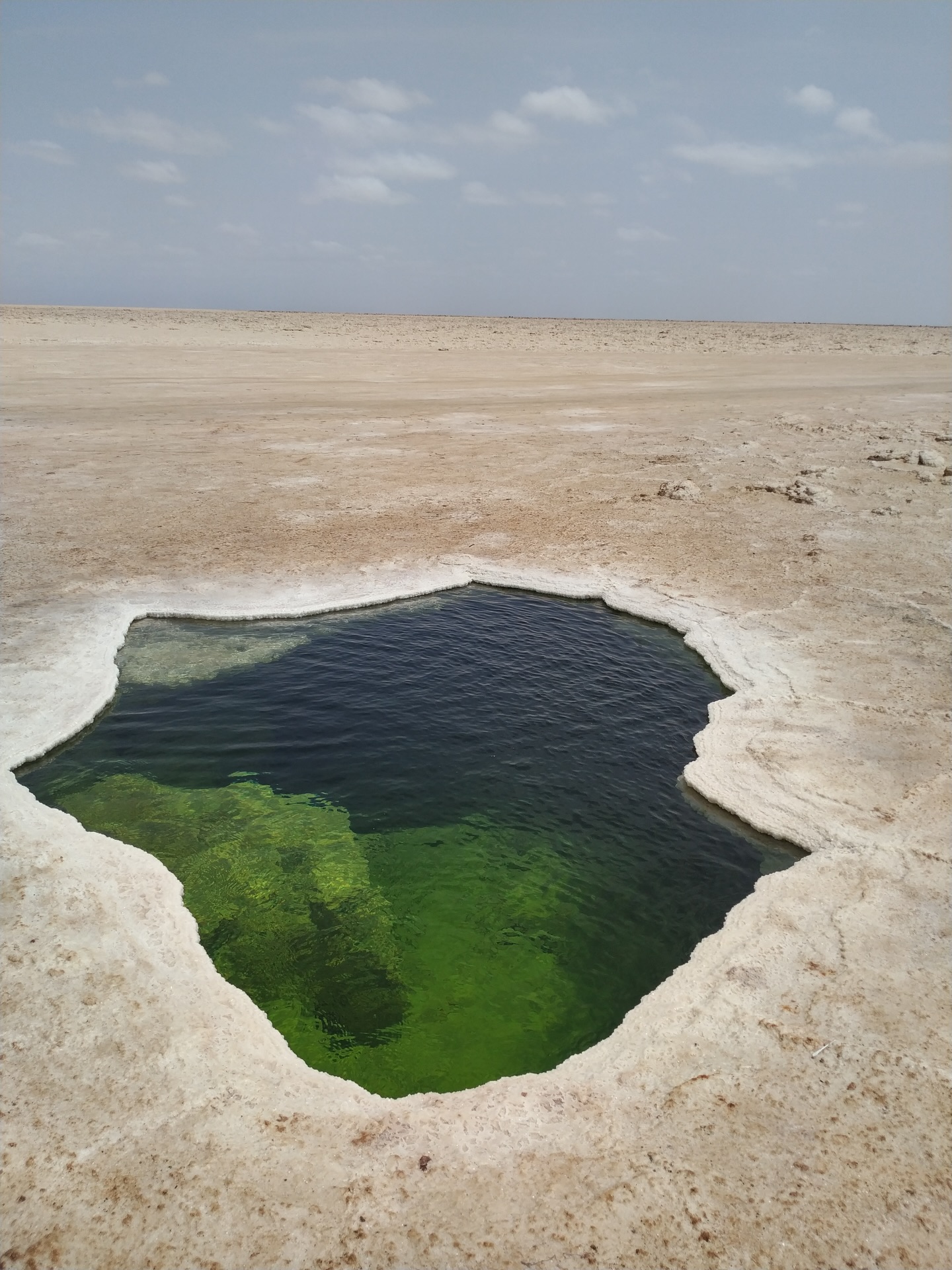
In an era increasingly defined by ecological precarity, the question is no longer how spectacular a pool can become, but how consciously architecture chooses to inhabit one of its oldest and most essential elements.
Bibliography
Augé, M. (1995). Non-Places: Introduction to an Anthropology of Supermodernity. Verso.
Bachelard, G. (1942). Water and Dreams: An Essay on the Imagination of Matter. (English edition, 1983). Dallas Institute Publications.
Nichols, W. J. (2014). Blue Mind. Little, Brown and Company.
Pallasmaa, J. (2005). The Eyes of the Skin: Architecture and the Senses. Wiley.
Zumthor, P. (2006). Atmospheres. Birkhäuser.
Ulrich, R. S. (1984). “View Through a Window May Influence Recovery from Surgery.” Science, 224(4647), 420–421.
White, M. P., Smith, A., Humphryes, K., Pahl, S., Snelling, D., & Depledge, M. H. (2010). “Blue Space: The Importance of Water for Preference, Affect, and Restorativeness Ratings of Natural and Built Scenes.” Journal of Environmental Psychology, 30(4), 482–493.