Architecture on Death: from eternal dwellings to memorial gardens and a virtual afterlife
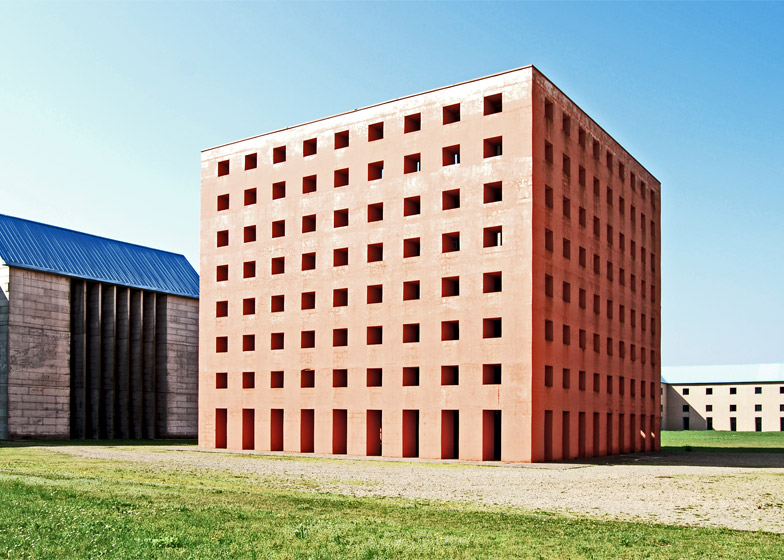
We live in an unequal world. In a globally polarized condition, where war crimes are officially declared and analyzed, death exposes the structures that determine whose lives are protected, whose losses are publicly mourned, and whose deaths remain invisible.
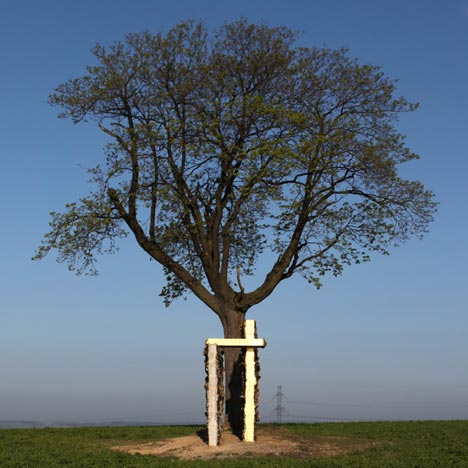
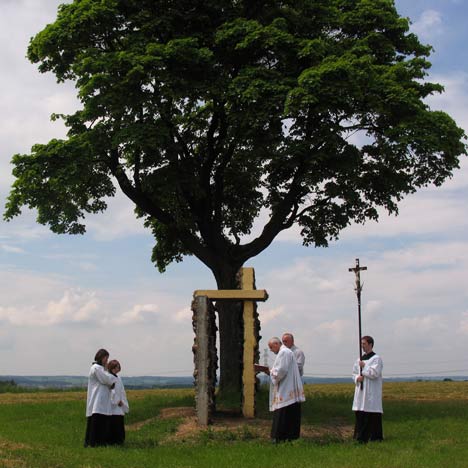
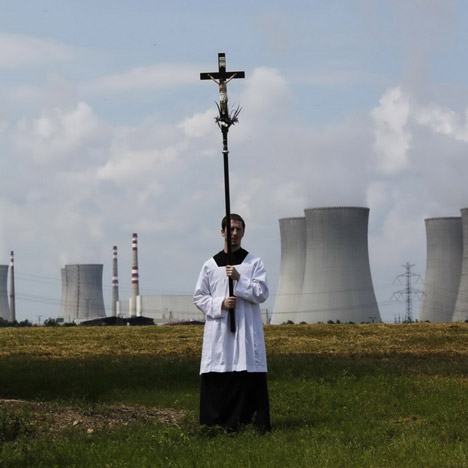
While genocides unfold and entire cities and civilizations are threatened with extinction in real time online, the rest of the world struggles to hold together overwhelming loss, continuous death, collective grief and guilt.
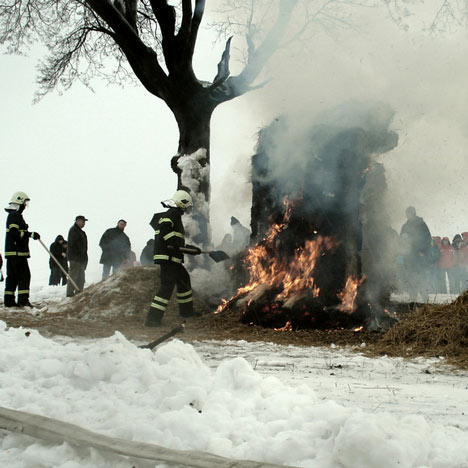
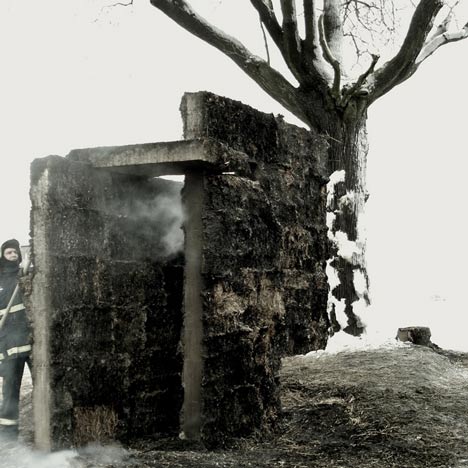
Through this lens, dying becomes not only personal but political, revealing inequalities, values, and collective responsibilities.
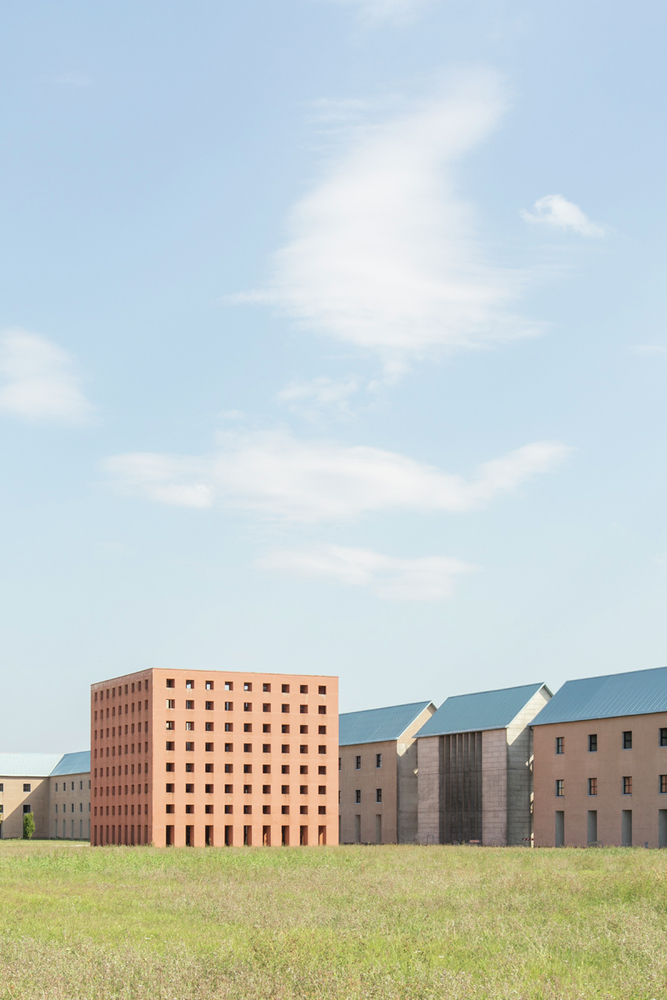
As Judith Butler suggests, “grievability” is unevenly distributed, meaning that some lives are socially recognized as worthy of mourning while others are marginalized or erased (Butler, 2004). In this sense, grief becomes a political condition, shaped by power, representation, and cultural norms. Similarly, Achille Mbembe introduces the concept of necropolitics, revealing how systems of authority determine “who may live and who must die” (Mbembe, 2003).
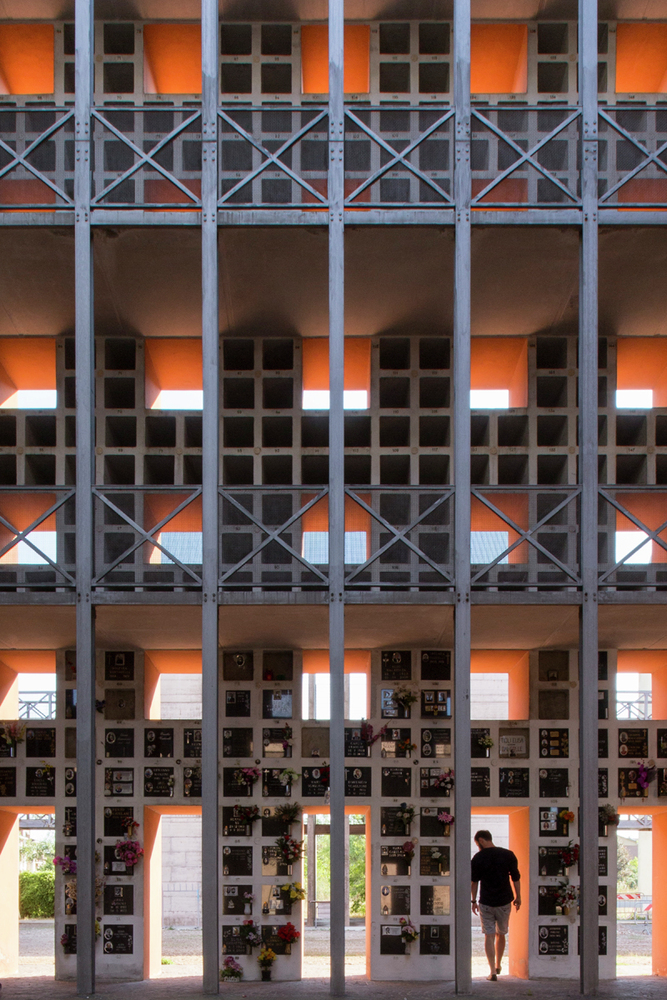
Death, therefore, is never only a biological event; it is also a site where political forces operate, regulating bodies, spaces, and memories.
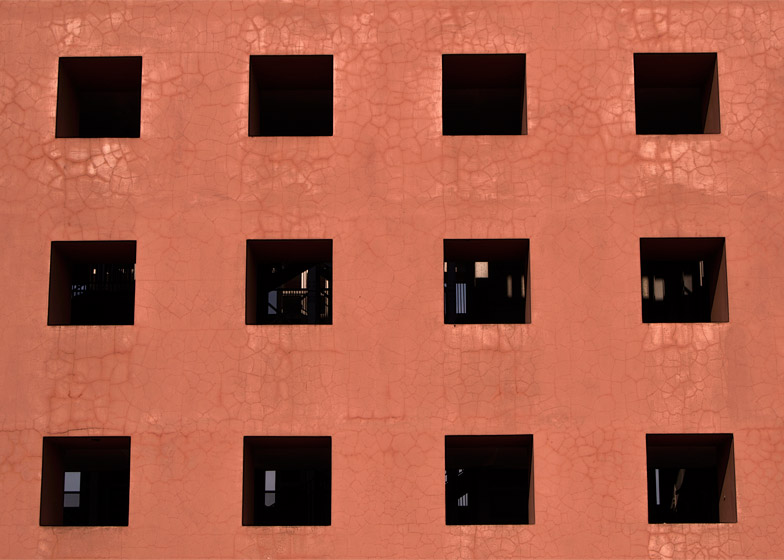
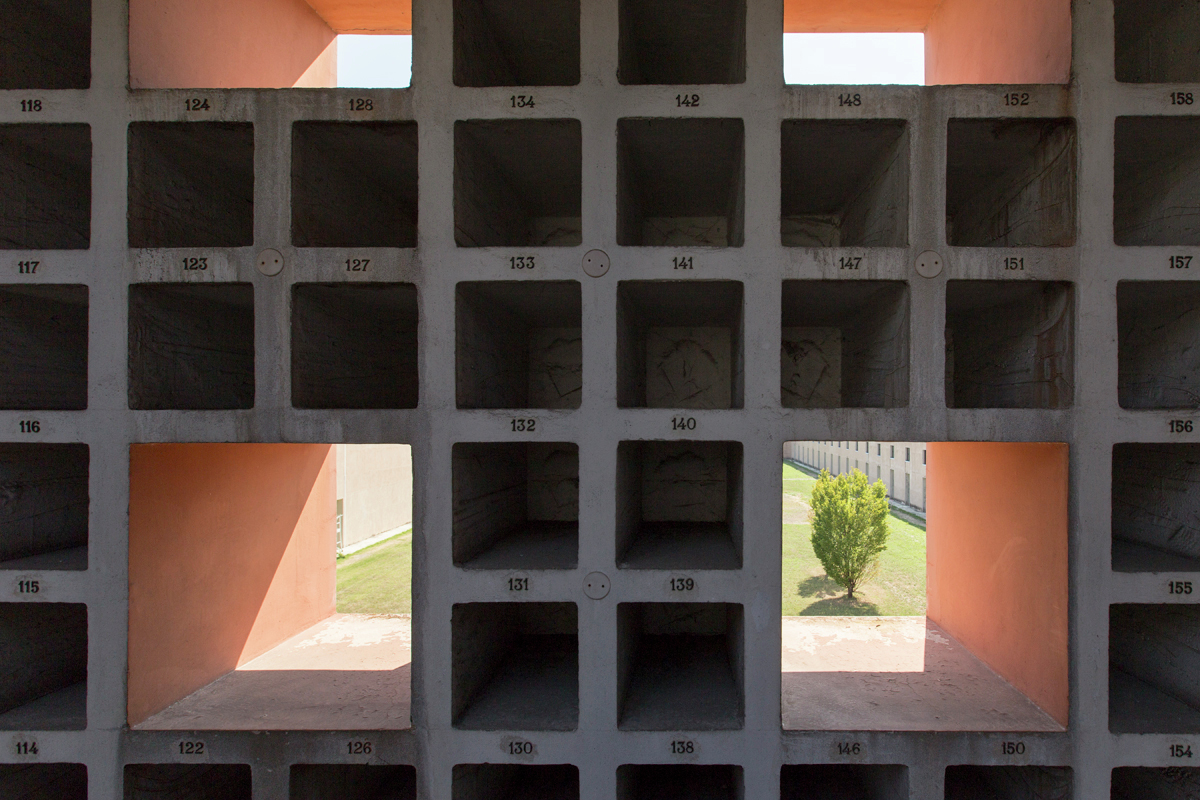
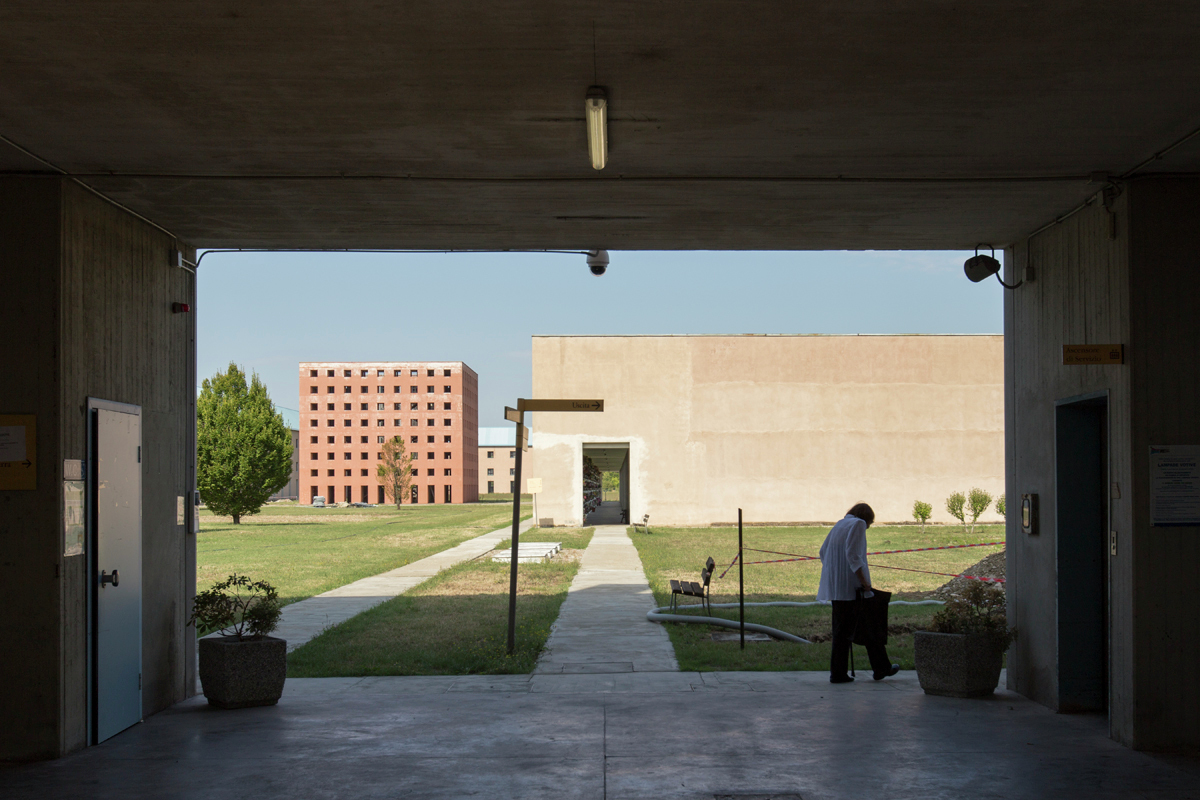
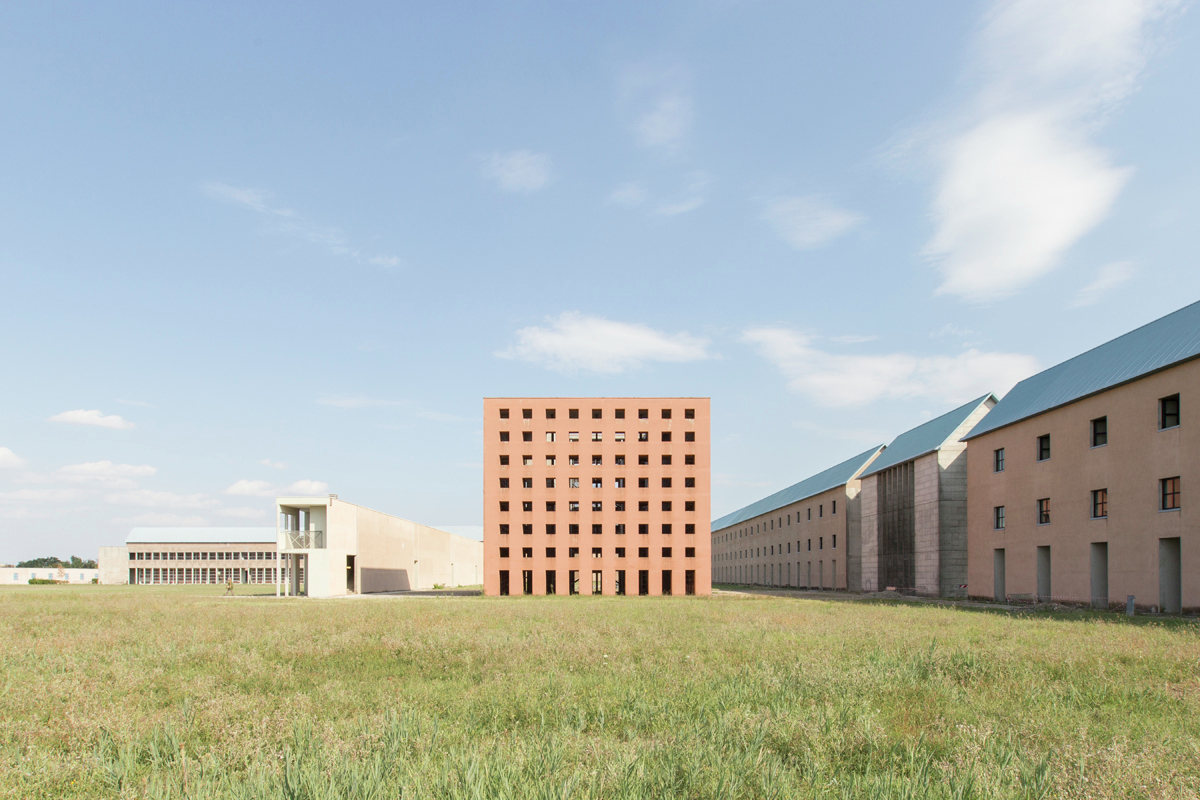
Architecture, in turn, becomes an active participant in this discourse. As James Stevens Curl notes, spaces of death are never neutral; they are charged with cultural values and ideological frameworks (Curl, 2002).
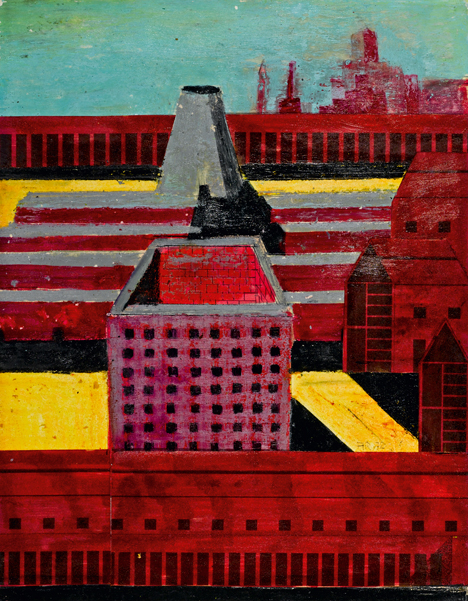
Funerary practices and memorial architectures both register and inscribe these dynamics, at times reinforcing, at times resisting dominant narratives. The relationship between architecture and death has long been central to human attempts to give form and meaning to mortality. Funerary architecture, in particular, reflects not only beliefs about the afterlife but also broader cultural values, social hierarchies, and aesthetic ideals. As Curl argues, “funerary monuments are among the most expressive architectural forms, revealing attitudes toward death, memory, and identity” (Curl, 2002).
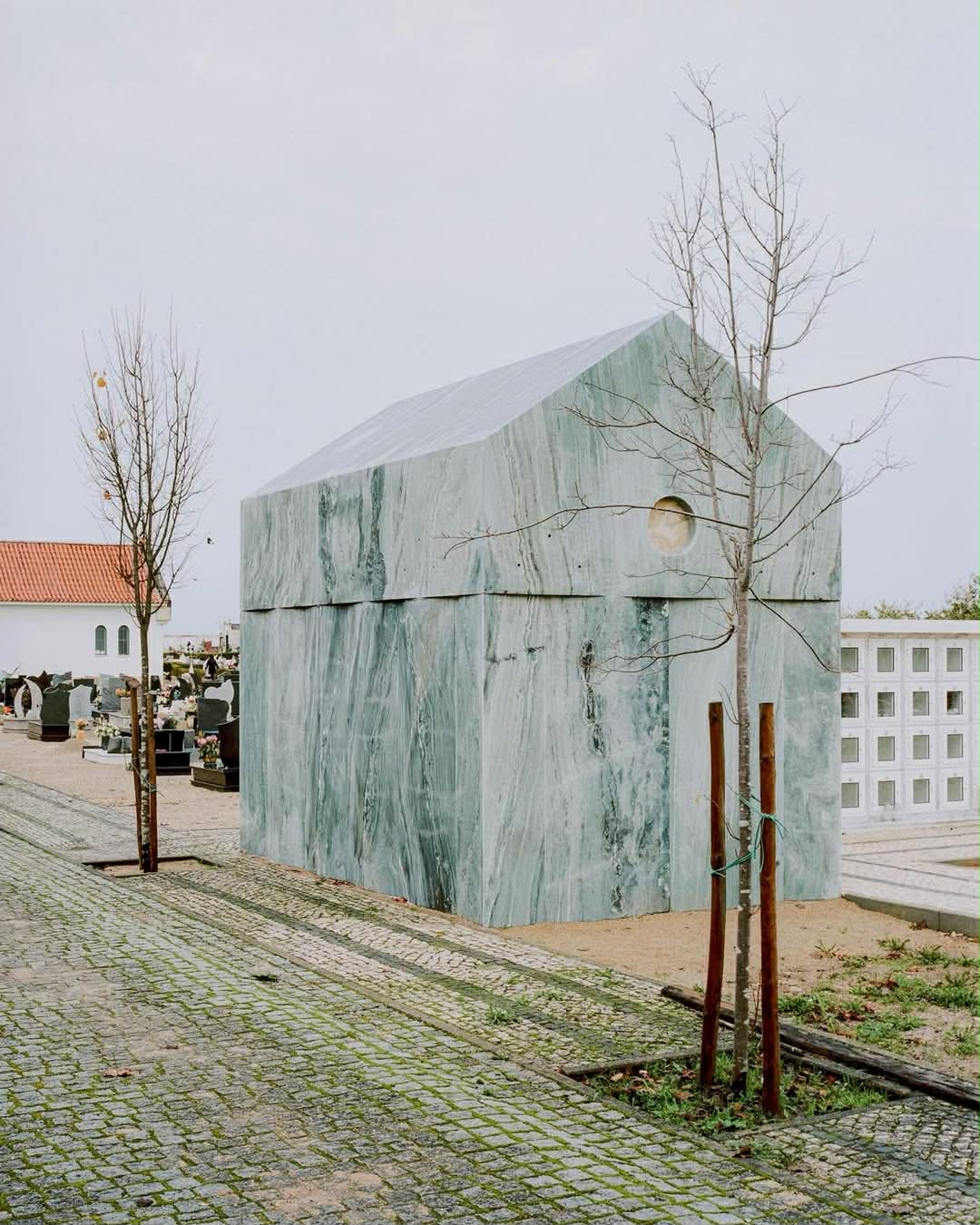
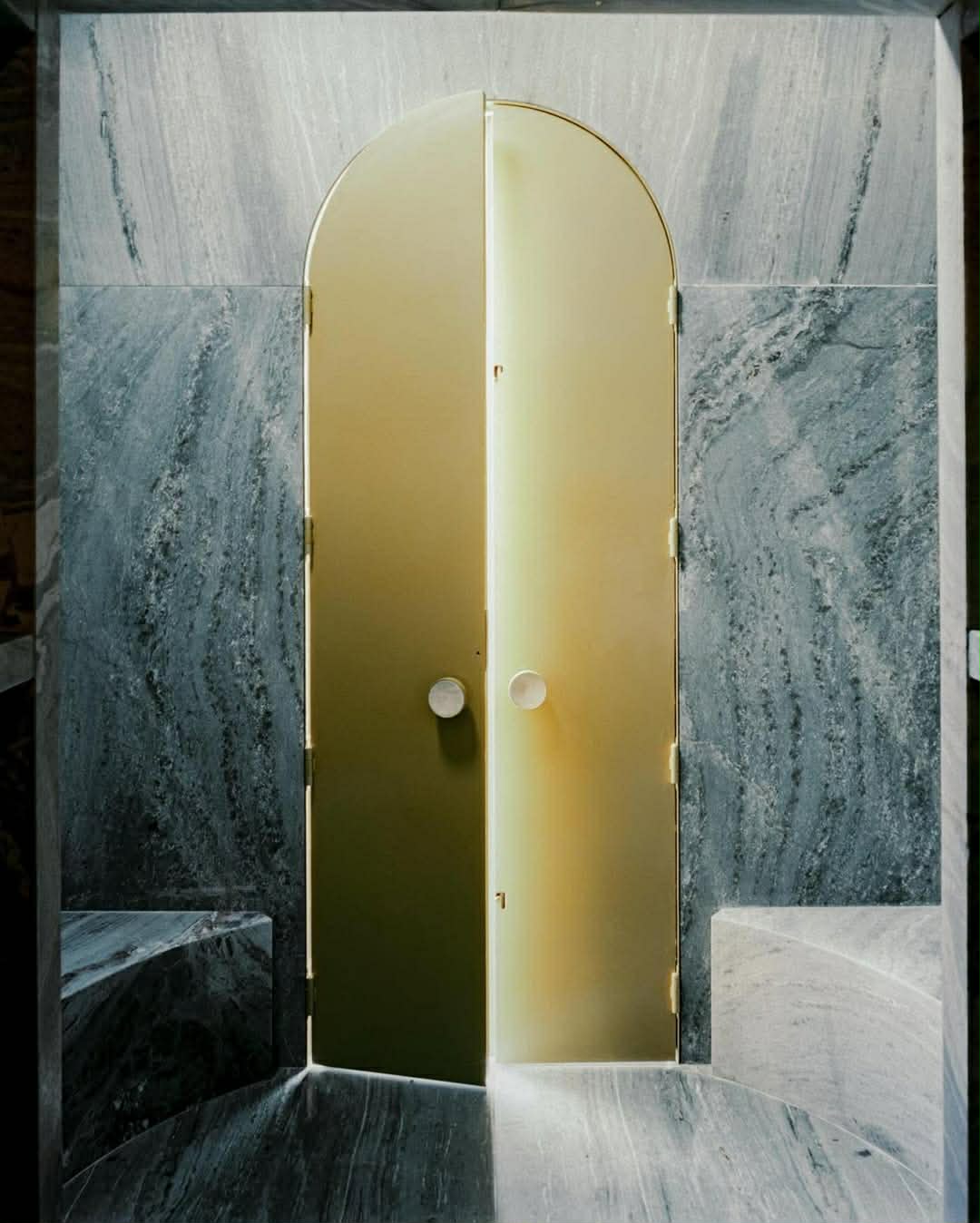
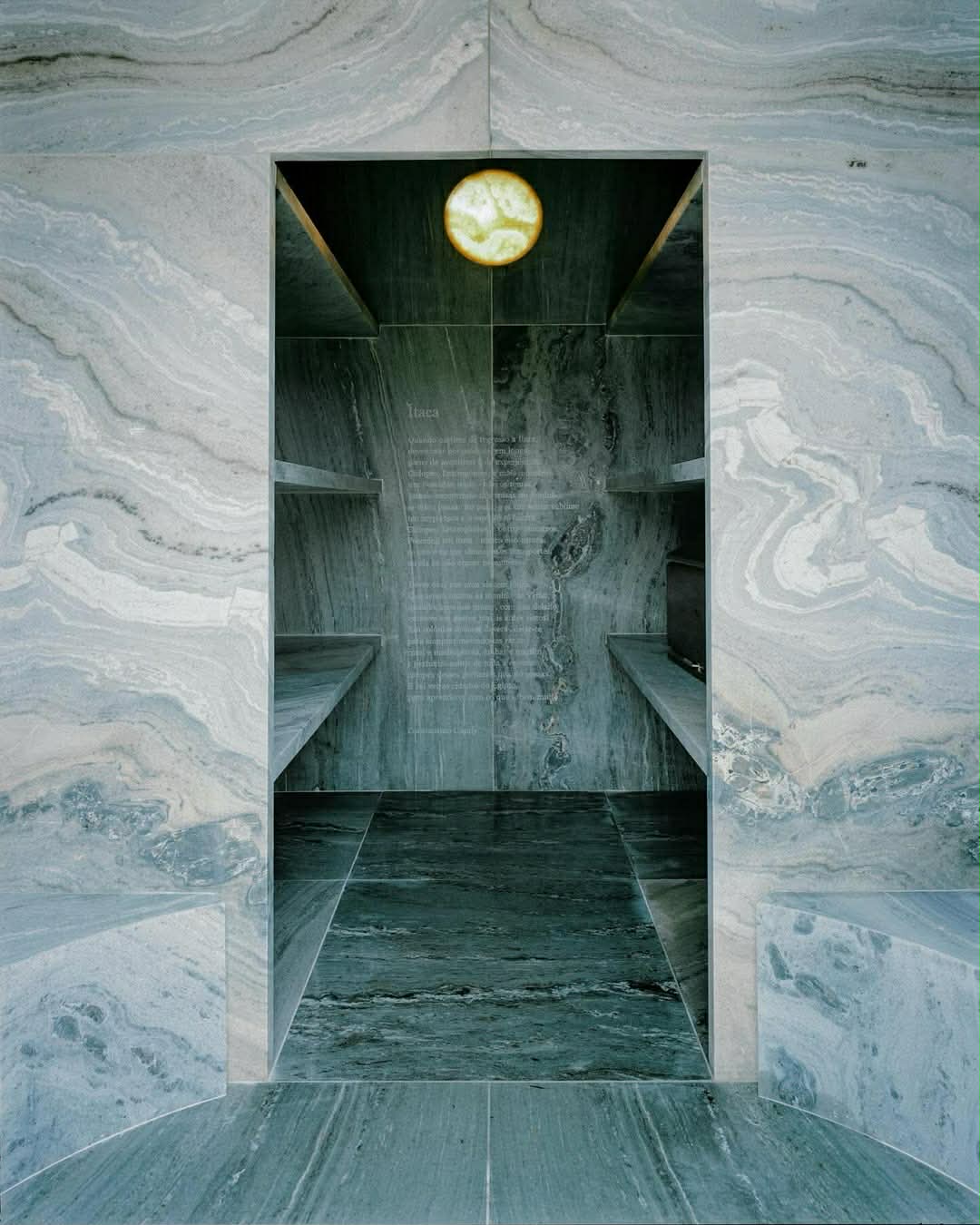
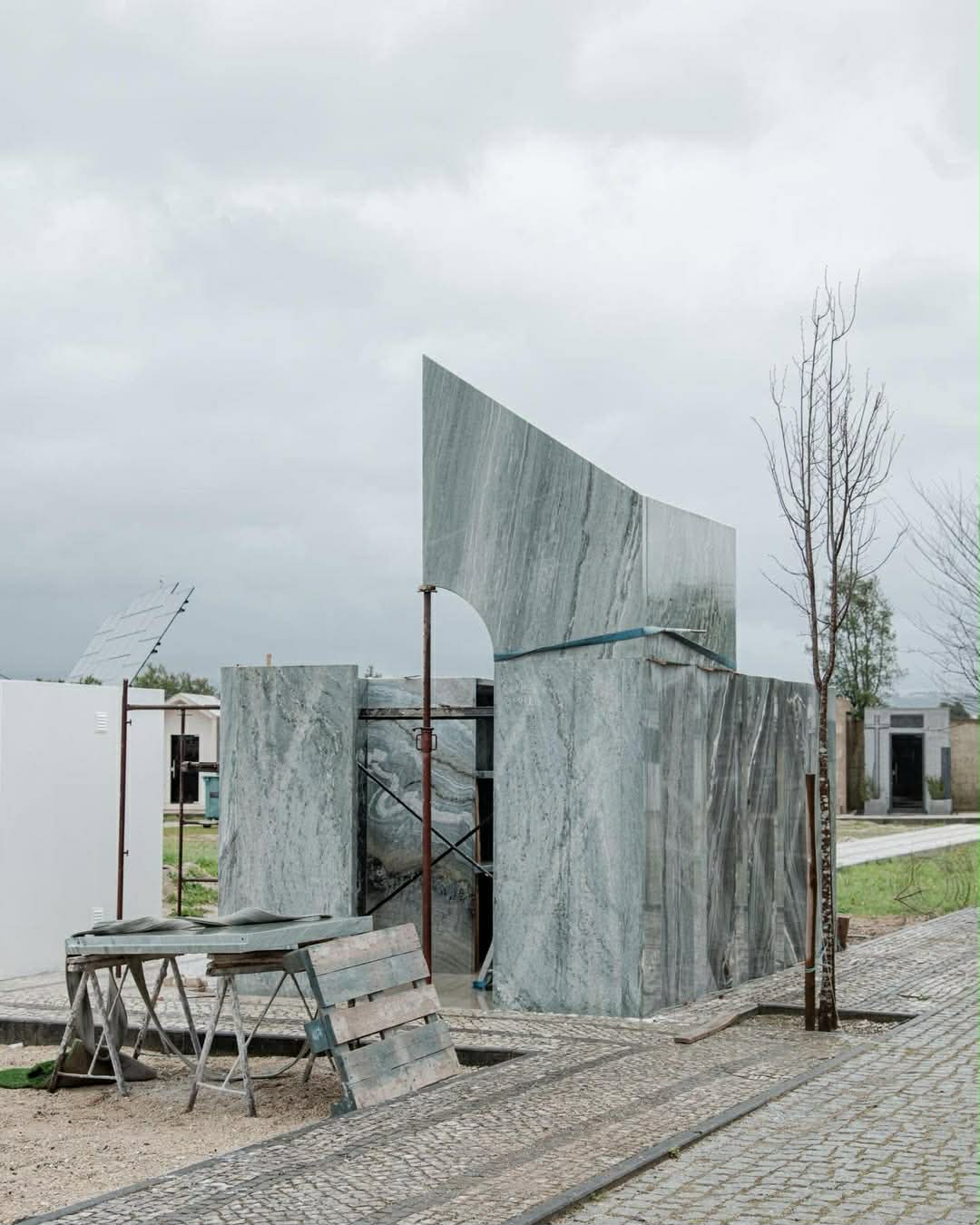
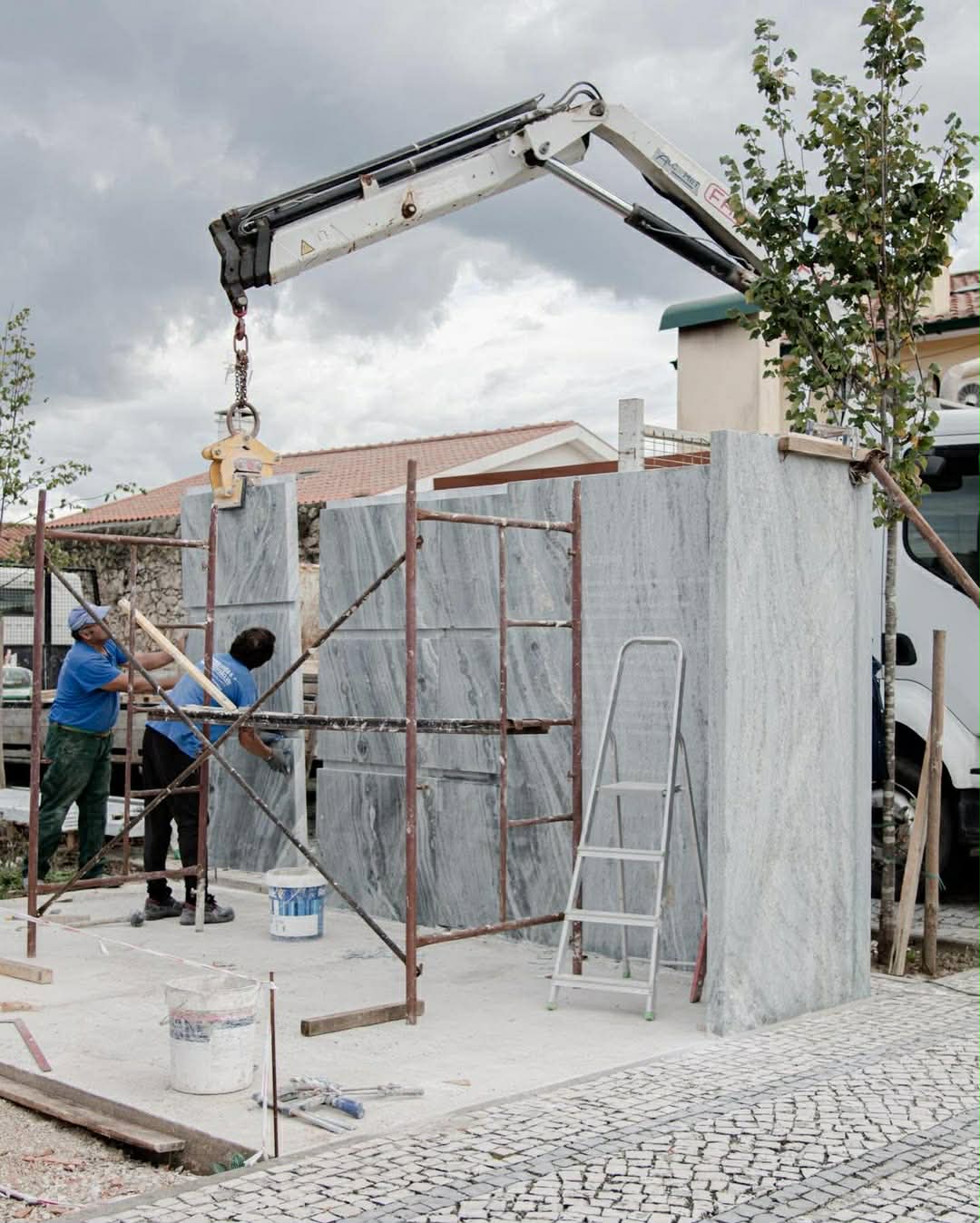
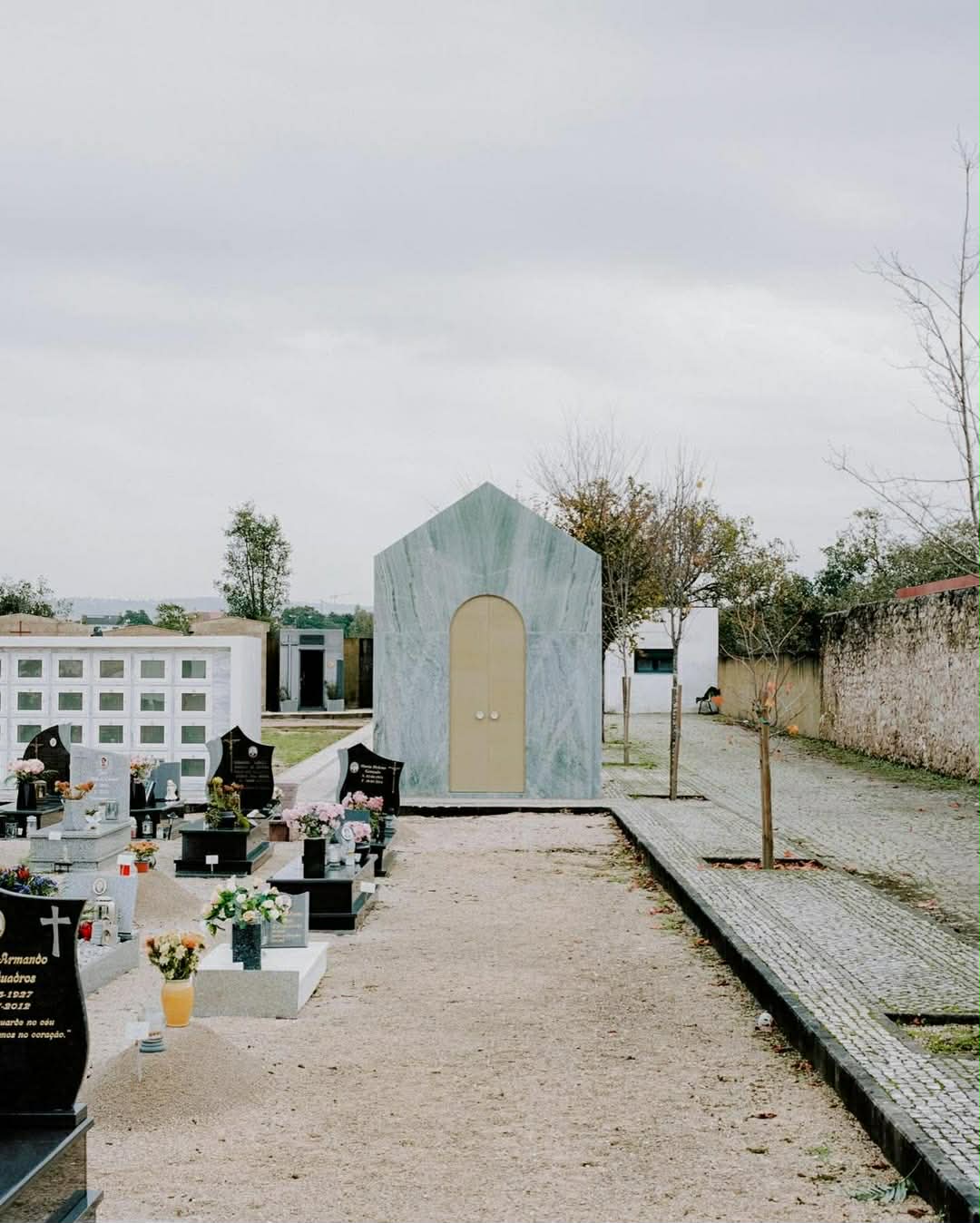
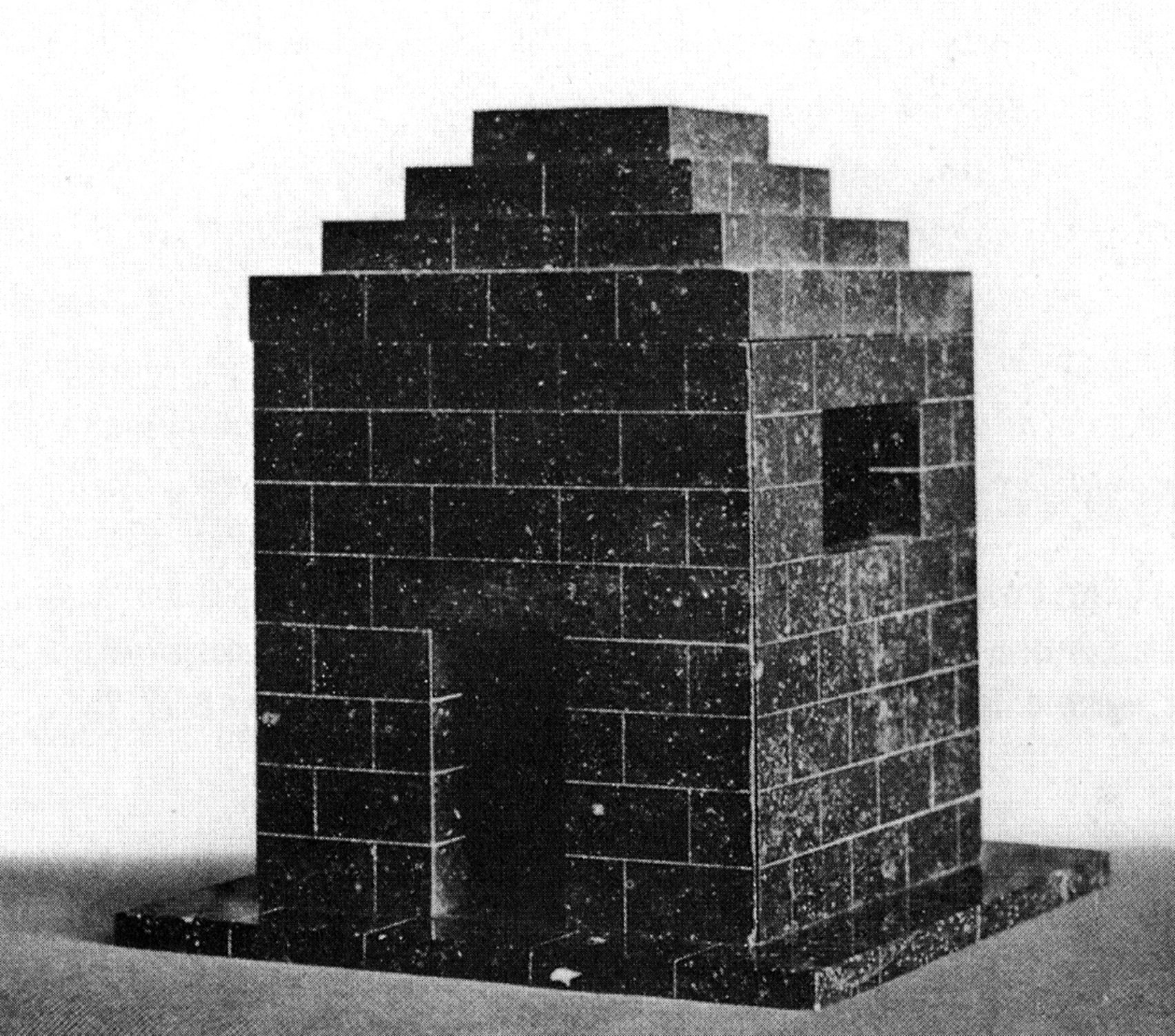
Historically, tombs were conceived as “houses for the dead,” designed to ensure permanence and continuity beyond physical life. In ancient Egypt, for example, tomb architecture encoded cosmological beliefs, aligning spatial organization with ideas of rebirth and eternity. Lightbody notes that “the geometry and orientation of Egyptian tombs were deeply symbolic, representing cycles of life, death, and regeneration” (Lightbody, 2008). Similarly, in the Classical world, tombs were often positioned along roads or at city edges, making death visible within daily life and reinforcing social memory (de Jong, 2017).
This connection between architecture and commemoration highlights a key function of tombs: they mediate between the living and the dead. Architecture becomes a physical and symbolic interface, preserving identity while allowing collective remembrance. As Thomas suggests, even small-scale funerary forms like sarcophagi can act as “micro-architecture,” replicating buildings and reinforcing the idea of eternal dwelling (Thomas, 2010).
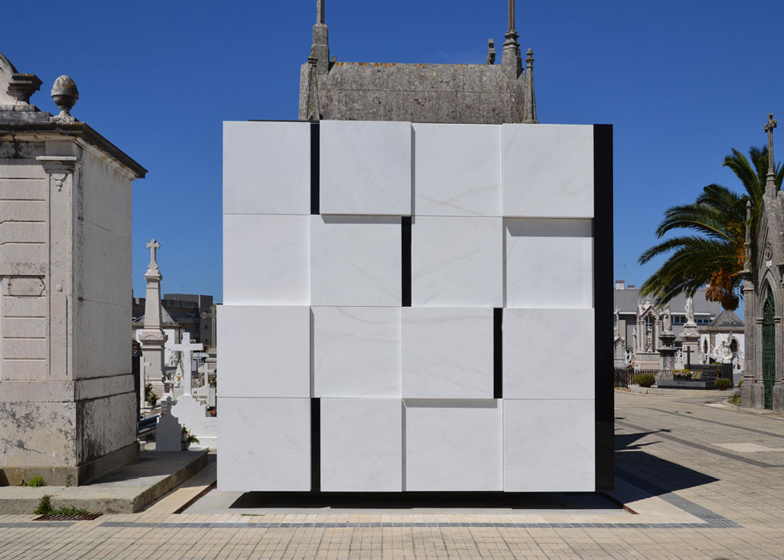
How architecture redesigns death rituals for the 21st century?
In a world where we increasingly understand ourselves as inseparable from nature’s cycles of transformation, death is no longer understood as extinction but as a shift in material state. In response, architecture begins to rethink the rituals of death for the twenty-first century, weaving together memory and dream, ecology and technology, and shaping spaces that speak as much of continuity as they do of loss.

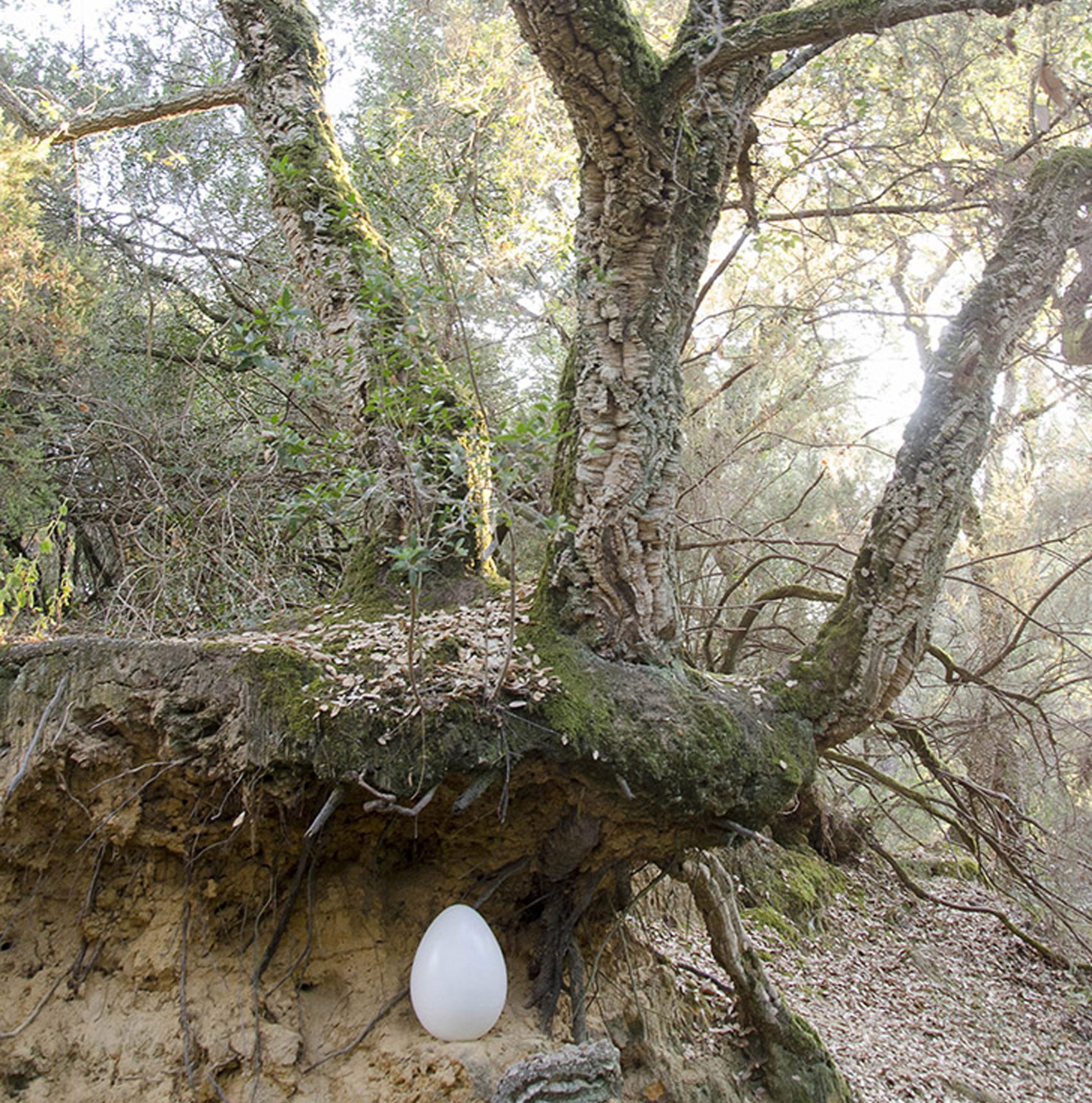
Through the language of landscapes, the ephemerality of matter, and the quiet persistence of digital traces, architecture does not isolate death but weaves it into the fabric of everyday urban life, rendering absence present and grief a generative force.
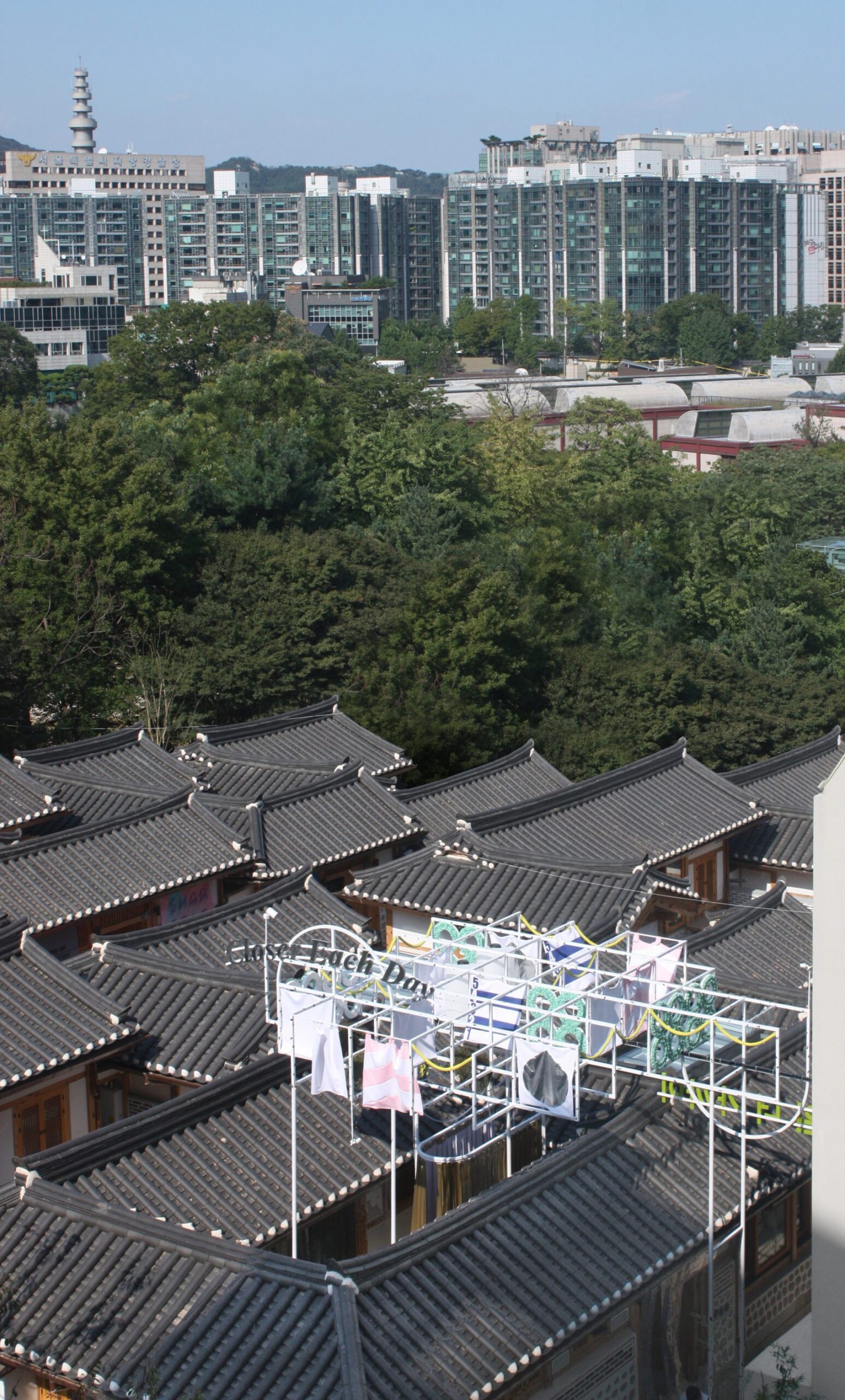
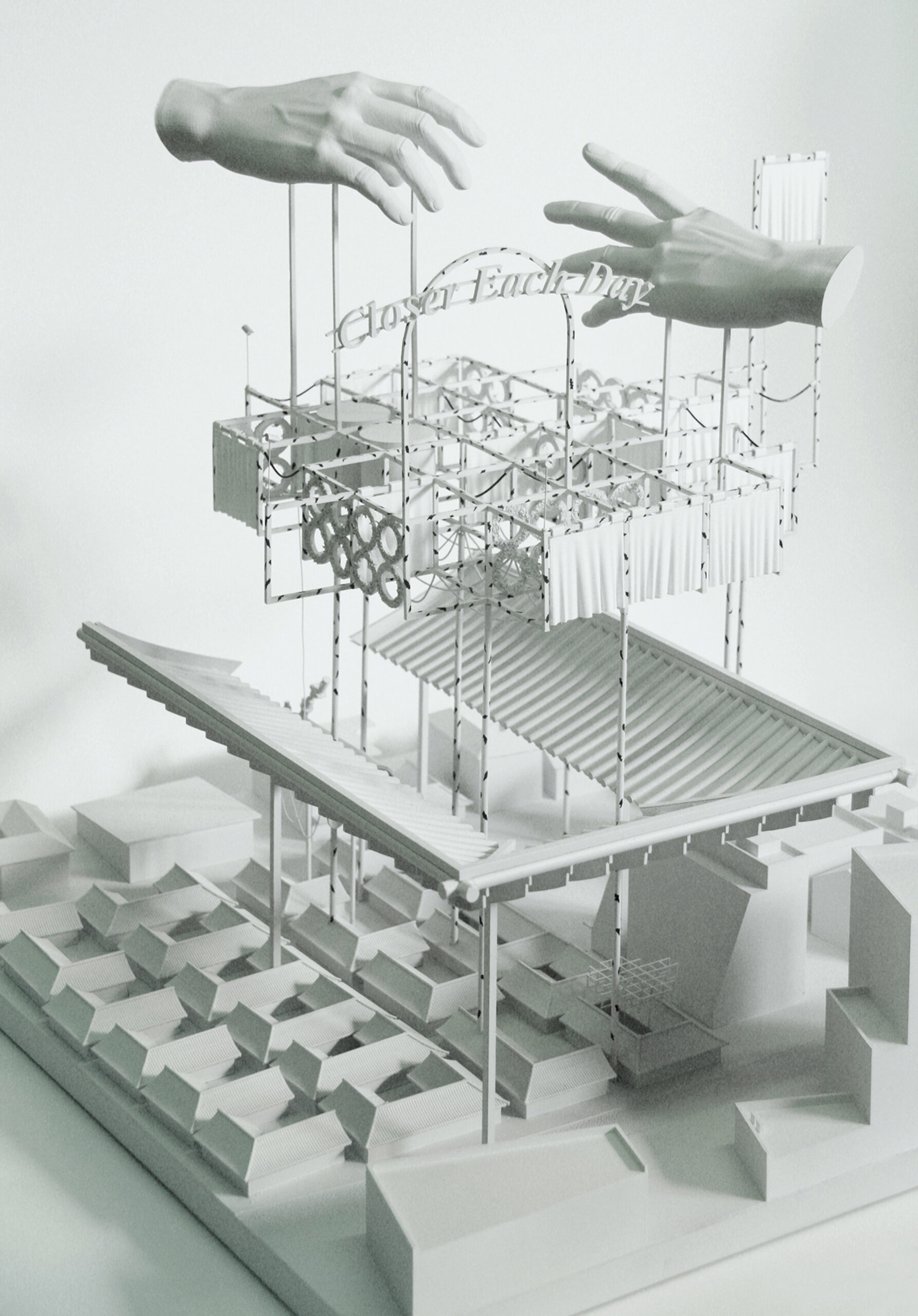
Death is no longer pushed to the margins but re-enters the fabric of everyday urban life, becoming present, visible, and shared.


Architecture, then, does not merely contain loss—it interprets it, gives it form, and holds it in relation. In doing so, it transforms mourning into a space of reflection and connection, where the living are reminded that to honor death is, ultimately, to sustain and reimagine life itself.
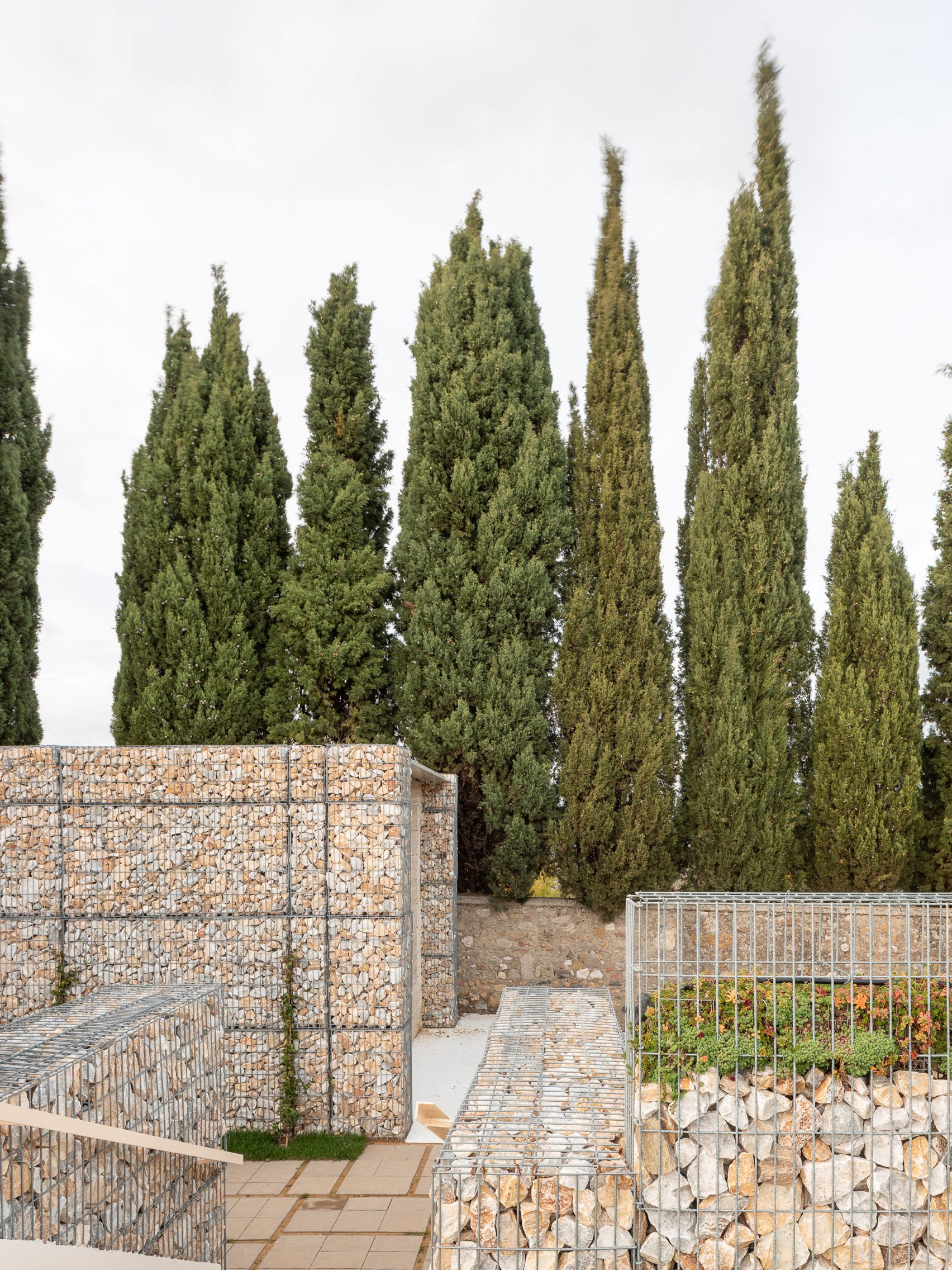
Contemporary approaches increasingly seek to democratize mourning, shaping inclusive spaces where collective grief can be acknowledged and shared. In doing so, architecture engages directly with the political dimension of death, transforming it into a space of visibility, critique, and potential change.

Modern tomb architecture tends to move away from monumentality and permanence toward minimalism, abstraction, and integration with landscape. This shift reflects broader cultural changes, including secularization, urbanization, and environmental awareness. Whereas historical tombs emphasized grandeur and visibility, many modern designs prioritize introspection and emotional experience.
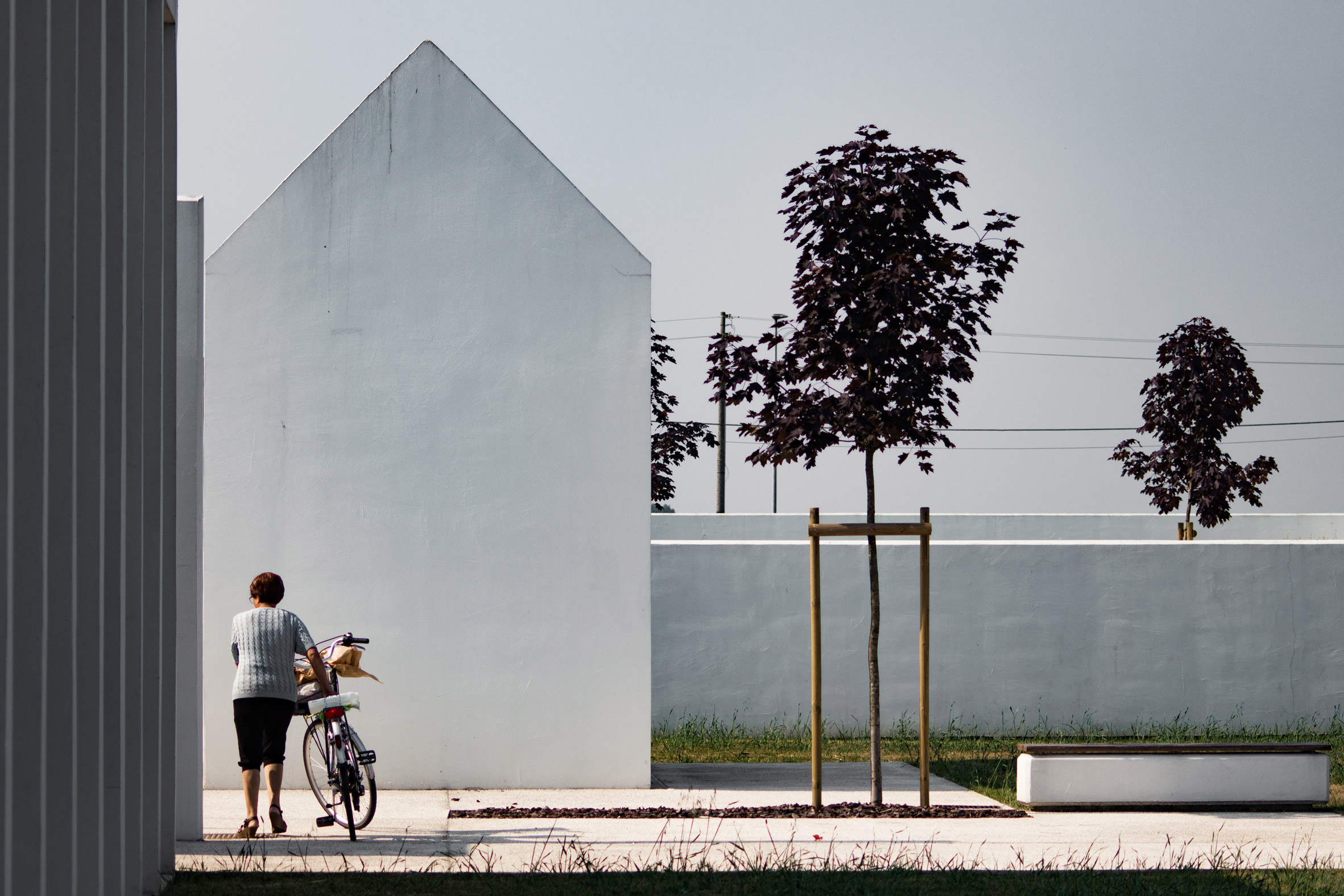
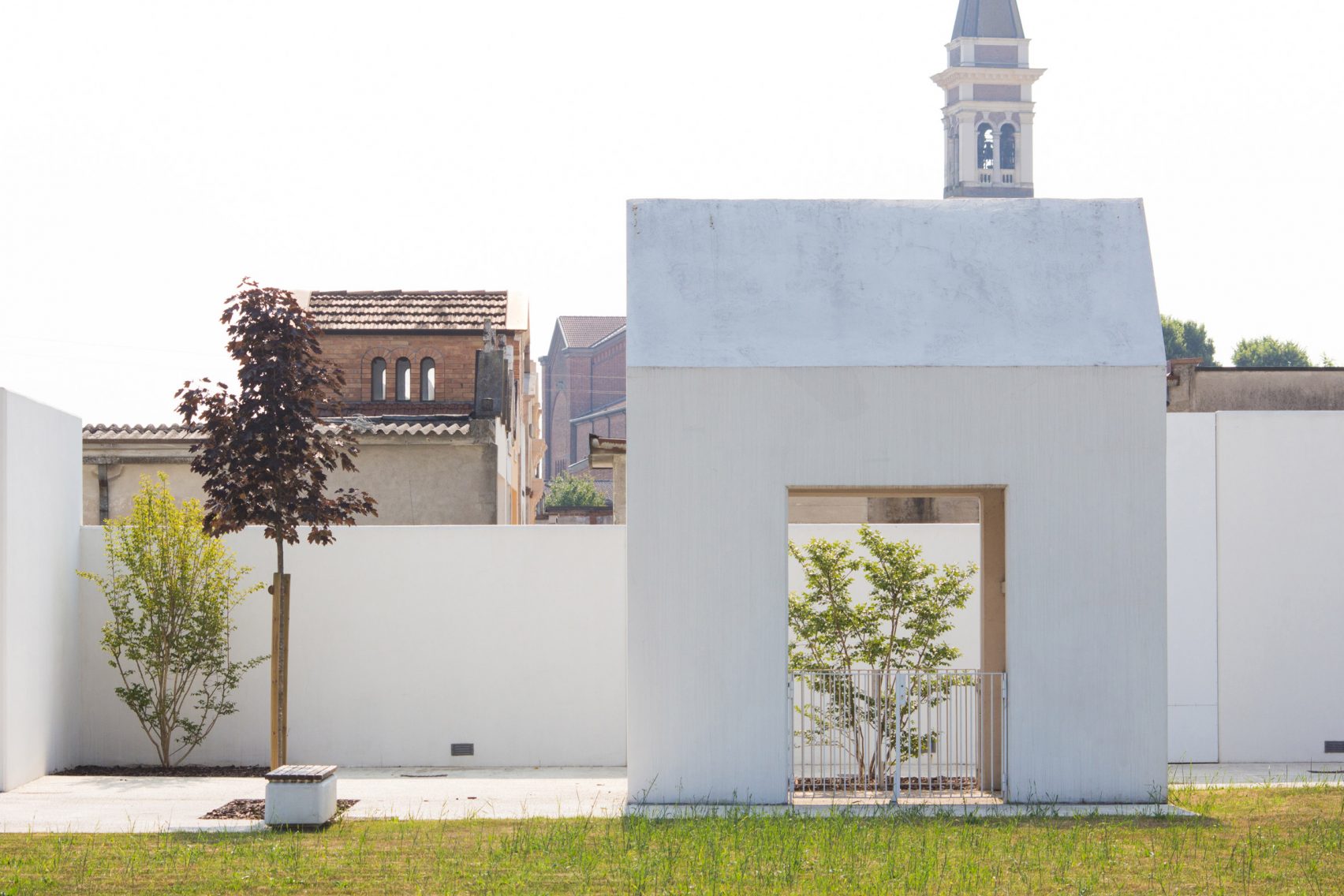
For instance, contemporary cemeteries and memorials often adopt understated forms, using natural materials and open spaces to create peaceful, contemplative environments. The focus is less on the individual monument and more on collective memory or personal reflection. As some scholars observe, “modern funerary architecture increasingly dissolves the boundary between built form and landscape, emphasizing process over permanence” (Arnold, 2008). This reflects a changing perception of death—not as a fixed endpoint requiring eternal structures, but as part of a continuous natural cycle.
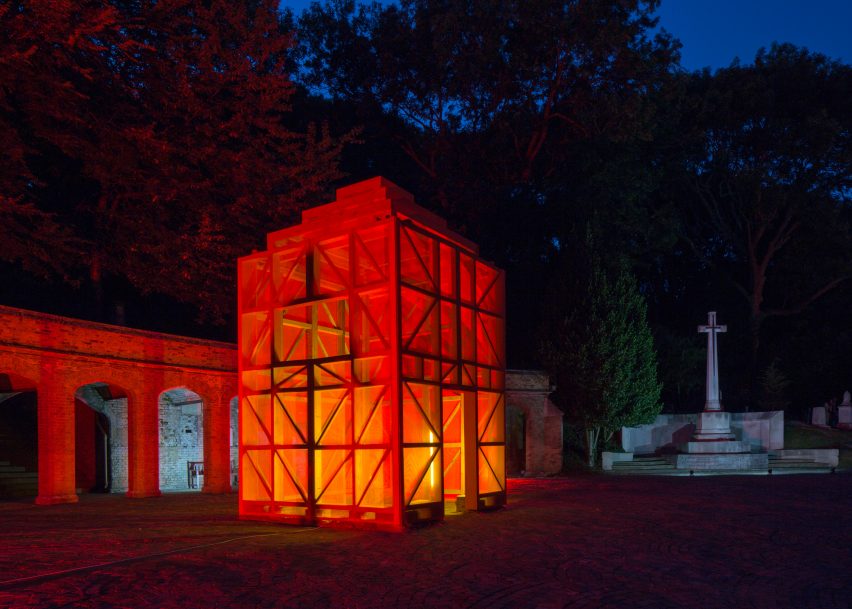
At the same time, new technologies and cultural practices are reshaping tomb architecture further. Digital memorials, cremation practices, and alternative burial methods reduce the need for traditional tomb structures altogether. Yet, even in these cases, architectural thinking persists. Spaces for remembrance—whether physical or virtual—still require design, symbolism, and spatial organization. Architecture continues to frame how individuals and communities engage with loss.
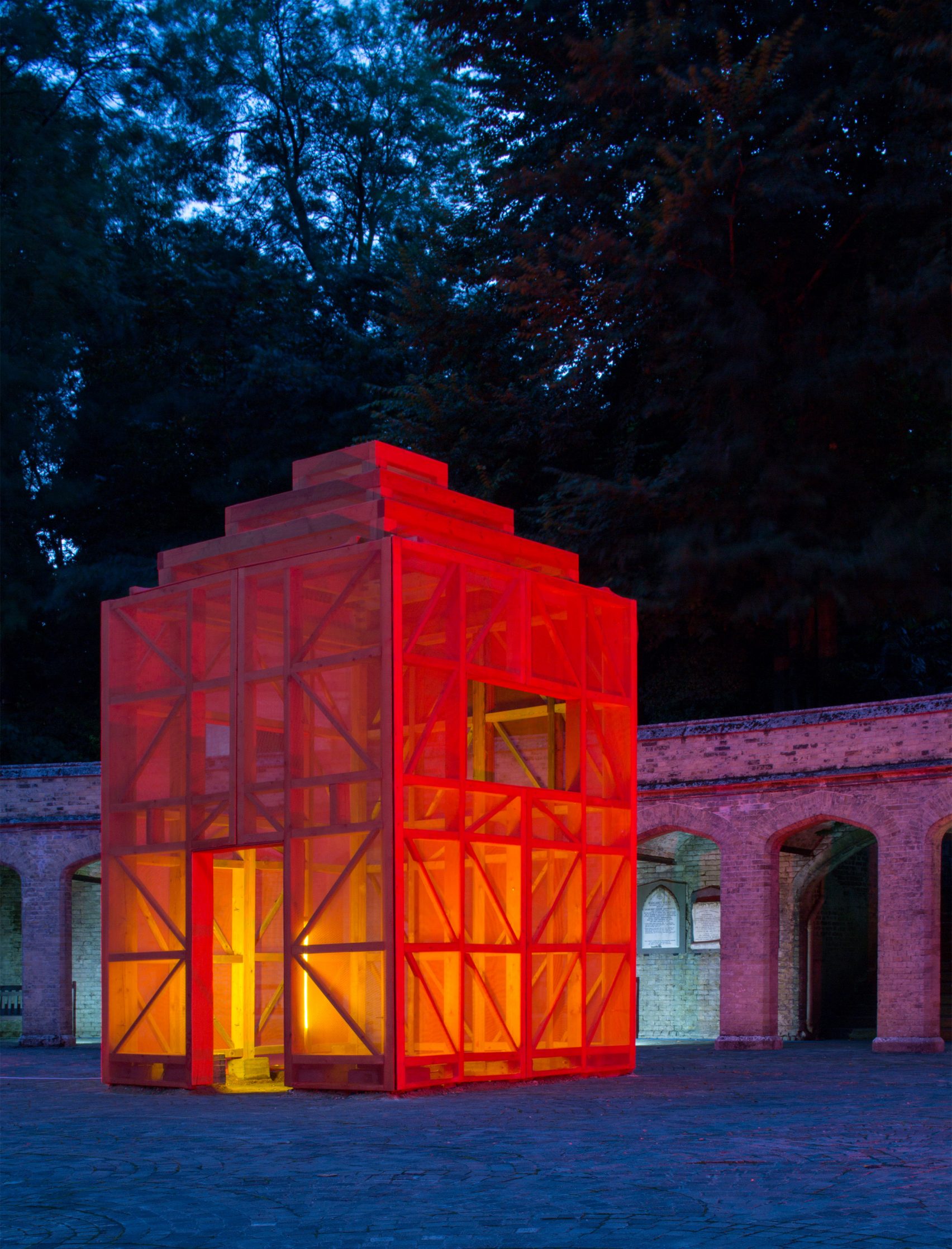
Ultimately, the evolution of tomb architecture demonstrates that the relationship between architecture and death is not static but deeply responsive to cultural change. While traditional tombs emphasized permanence, hierarchy, and visibility, contemporary approaches often foreground simplicity, ecology, and personal meaning. Nevertheless, the fundamental role of architecture remains the same: to give form to memory and to mediate the human experience of mortality. As Curl (2002) emphasizes, architecture in the context of death is never purely functional; it is always a reflection of how societies understand life itself.
Bibliographic references
- Arnold, D. (2008) Middle Kingdom Tomb Architecture at Lisht. New York: Metropolitan Museum of Art.
- Curl, J.S. (2002) Death and Architecture. Stroud: Sutton Publishing.
- de Jong, L. (2017) The Archaeology of Death in Roman Syria. Cambridge: Cambridge University Press.
- Lightbody, D.I. (2008) Egyptian Tomb Architecture. Oxford: Archaeopress.
- Thomas, E. (2010) ‘Columnar Sarcophagi as Micro-architecture’, in Life, Death and Representation. Berlin: De Gruyter.
- Butler, J. (2004) Precarious Life: The Powers of Mourning and Violence. London: Verso.
- Mbembe, A. (2003) ‘Necropolitics’, Public Culture, 15(1), pp. 11–40.