On Soft Architecture: The Poetics of Curtain
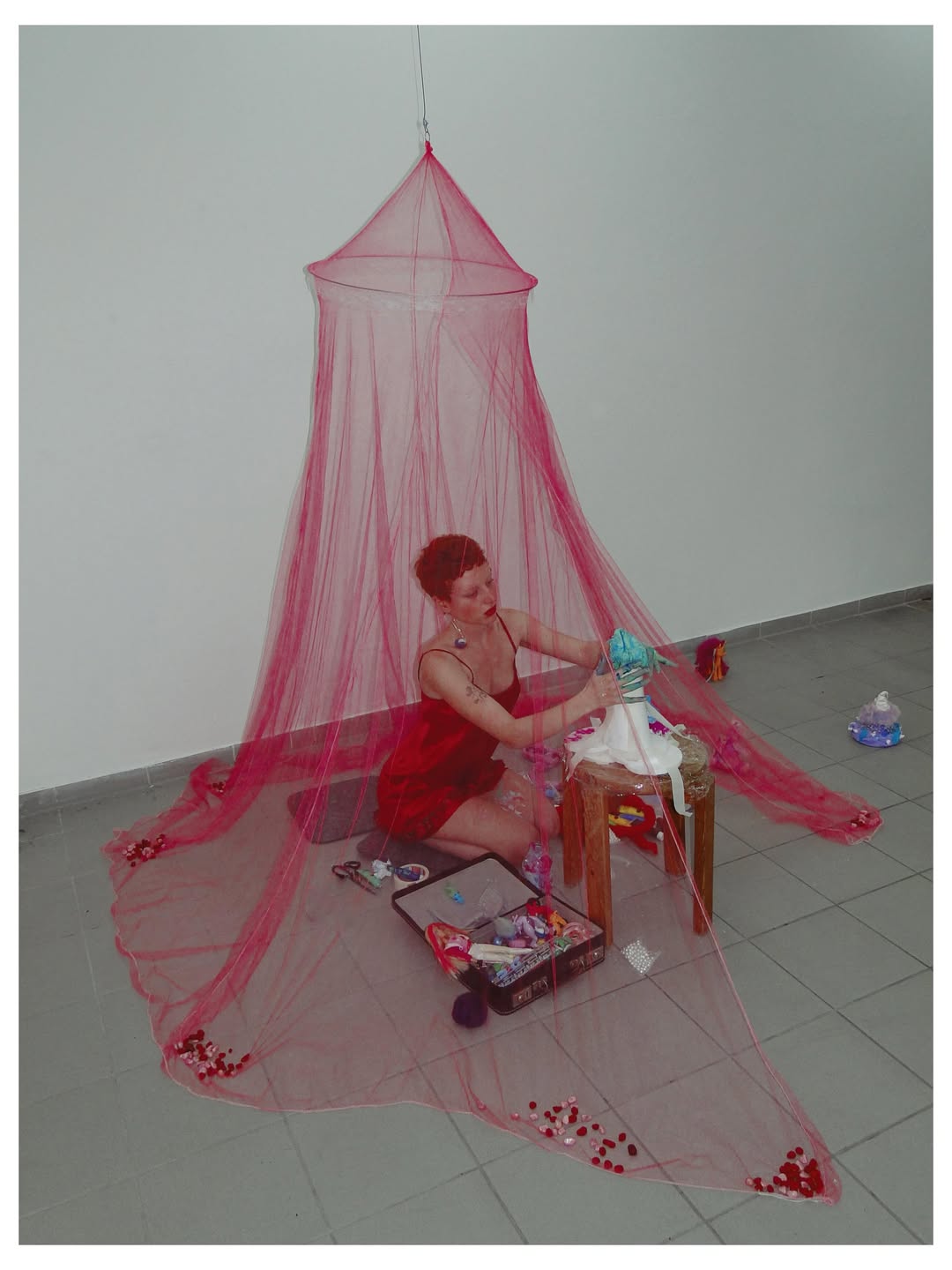
As an architectural element, the curtain is a poetic interpretation of the opaque wall, transforming buildings into porous structures—bodies that breathe, shift, and dream.
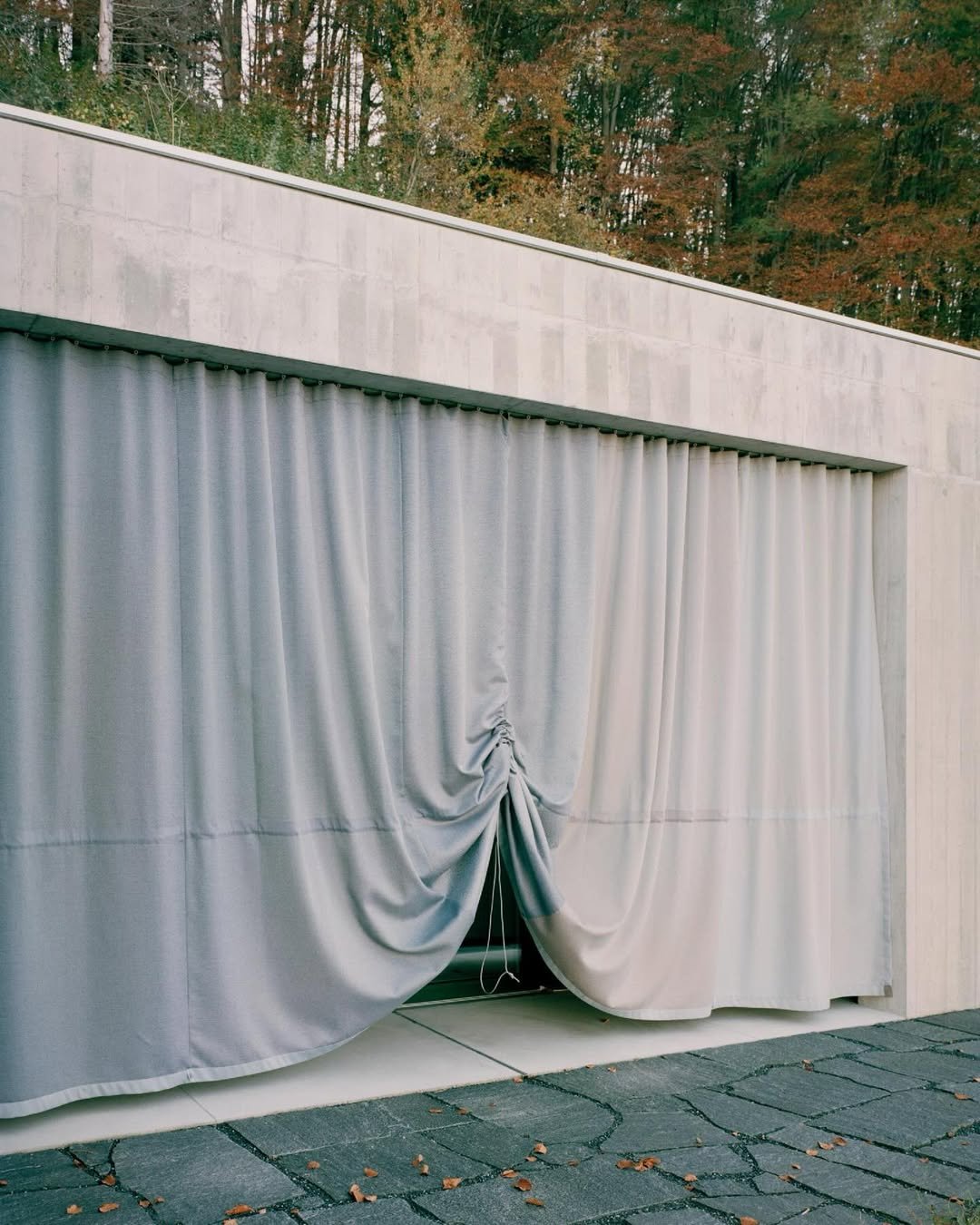
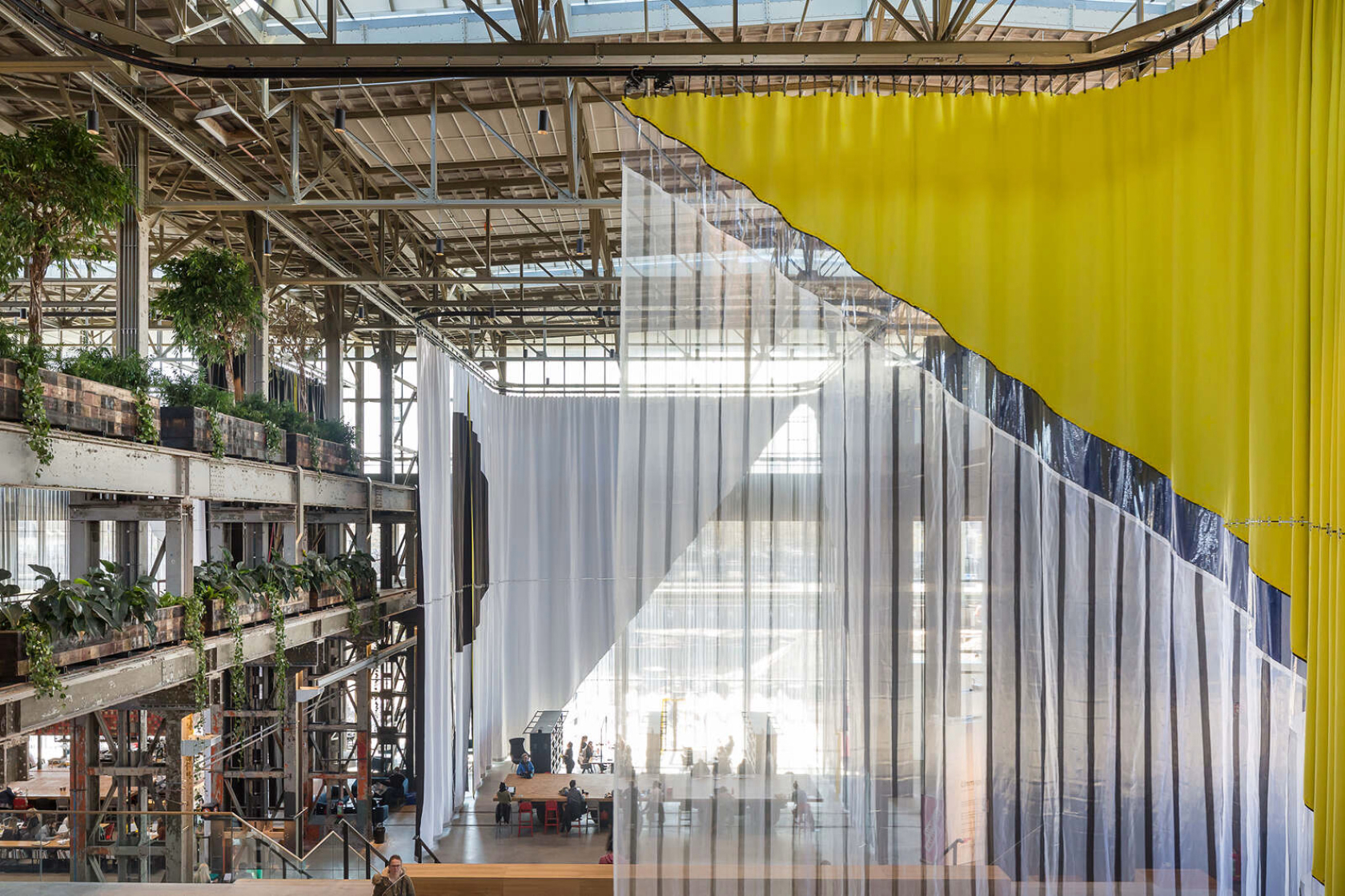
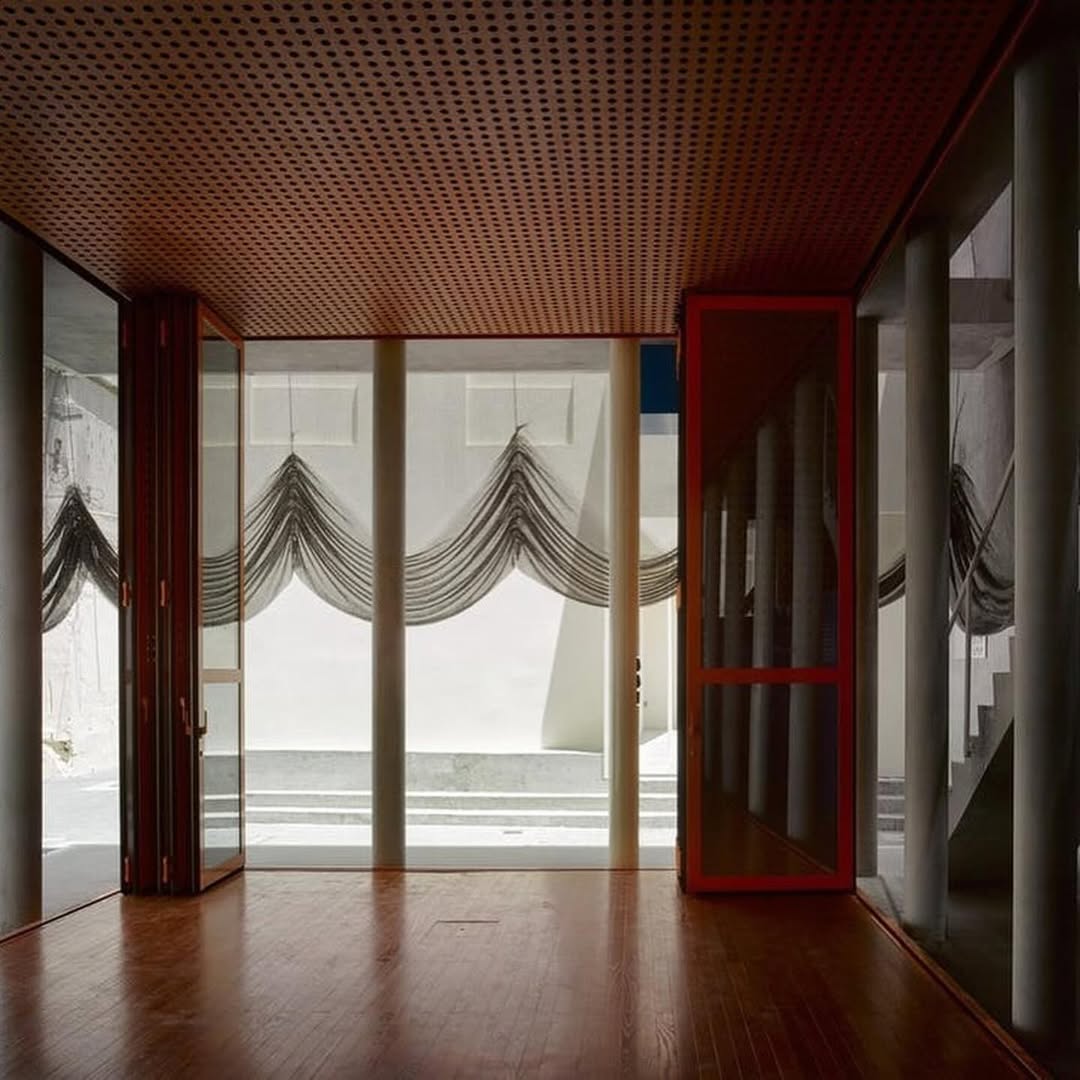
Rory Gardiner.
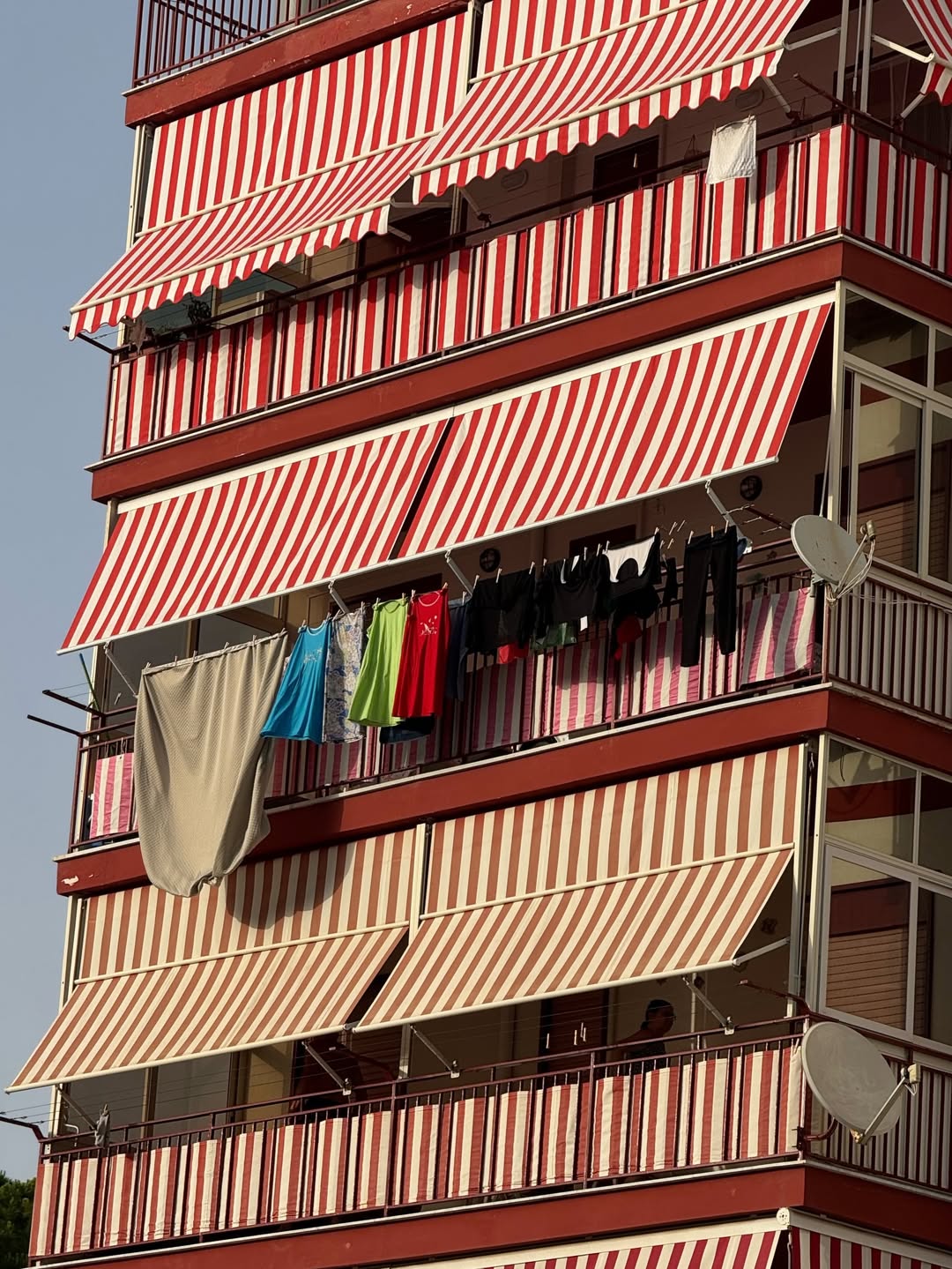
From urban veils to domestic drapery, the curtain performs architecture as movement.
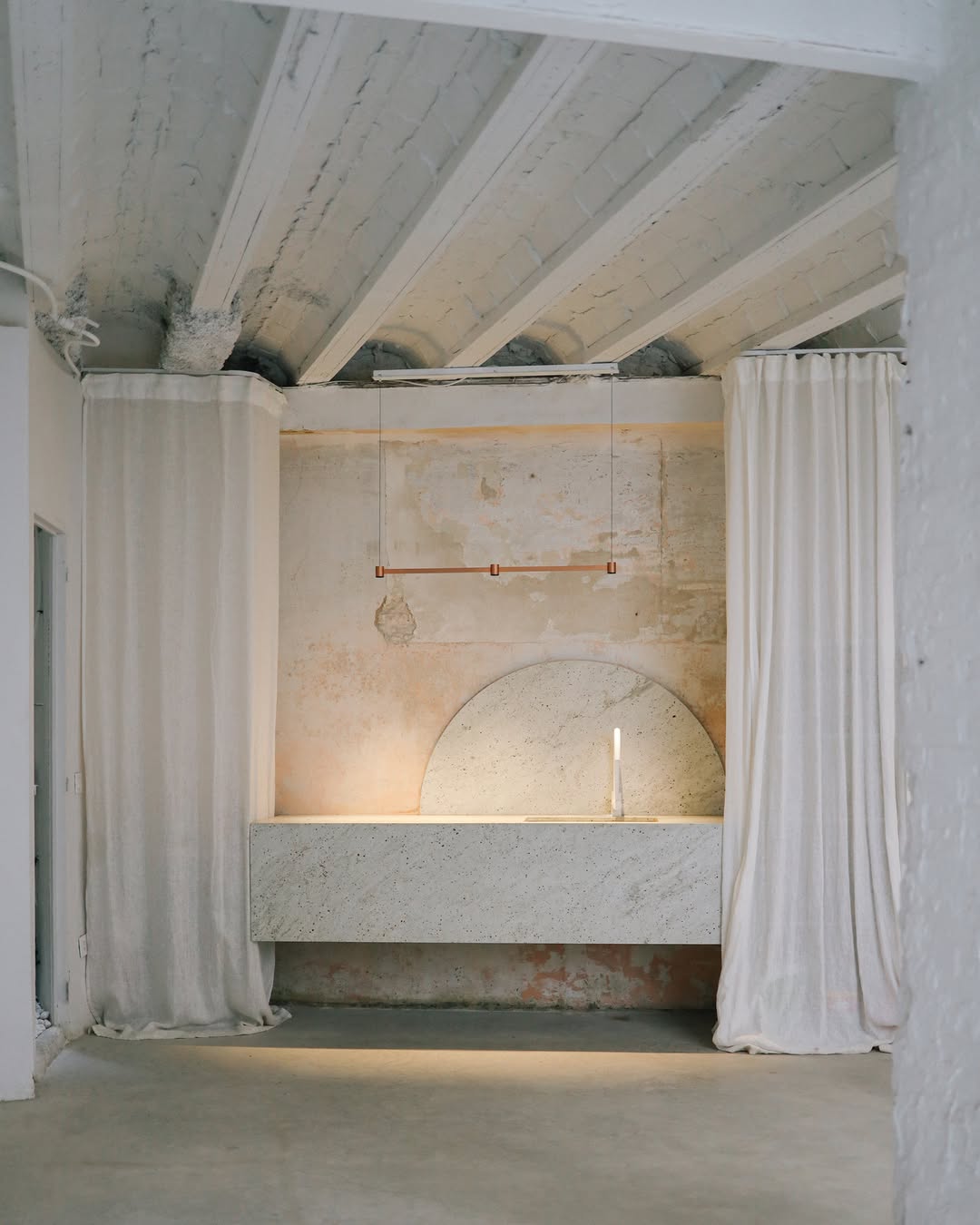
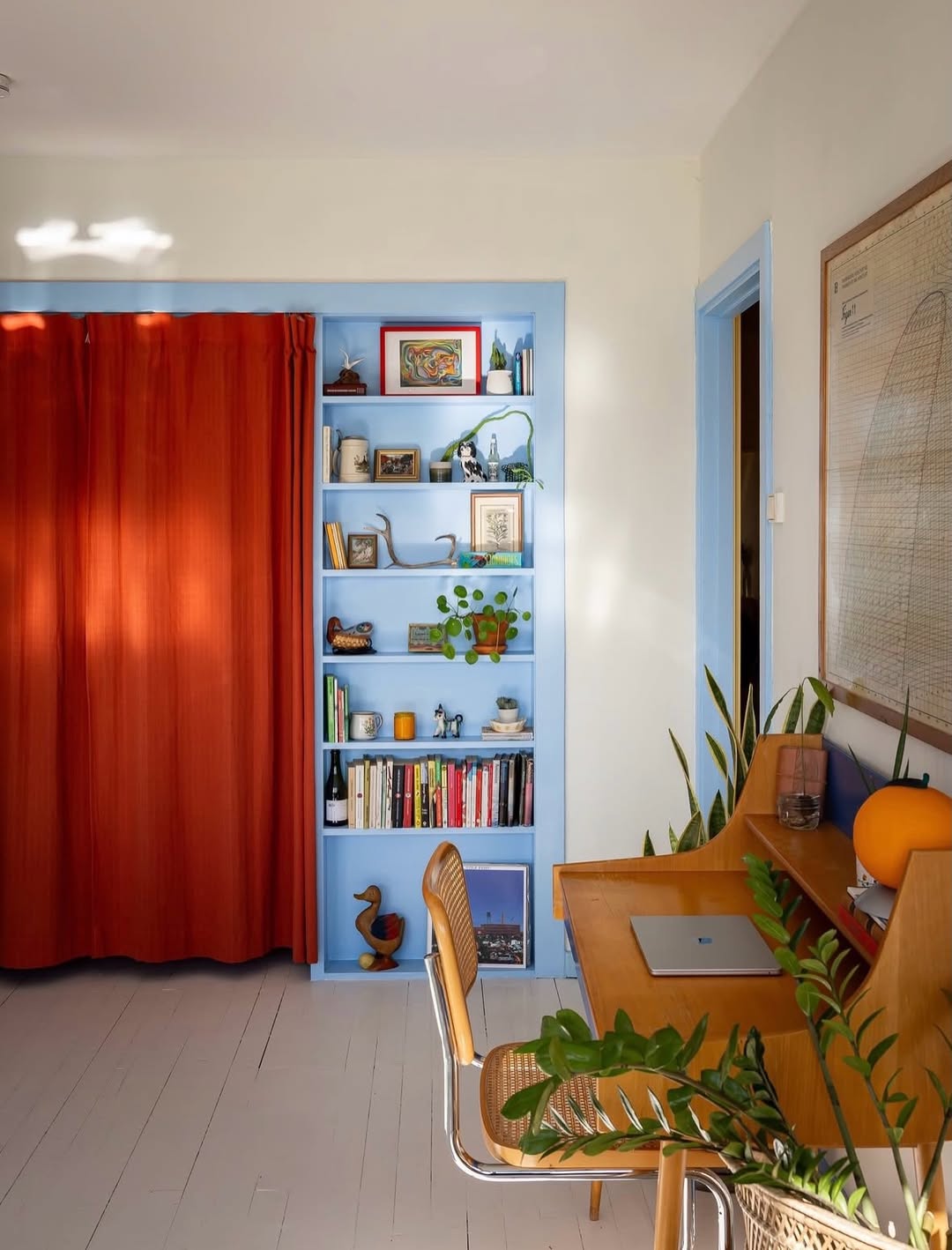
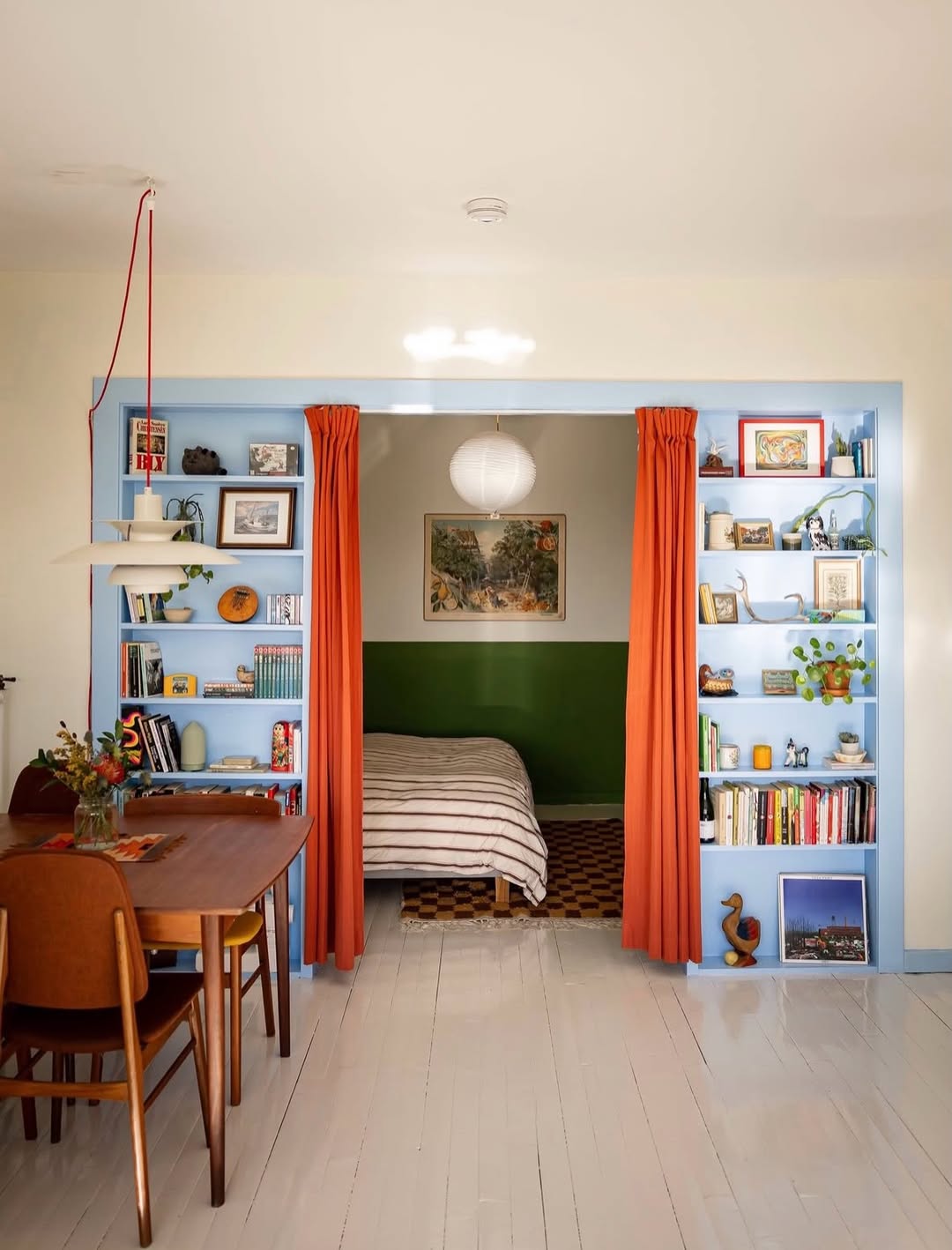
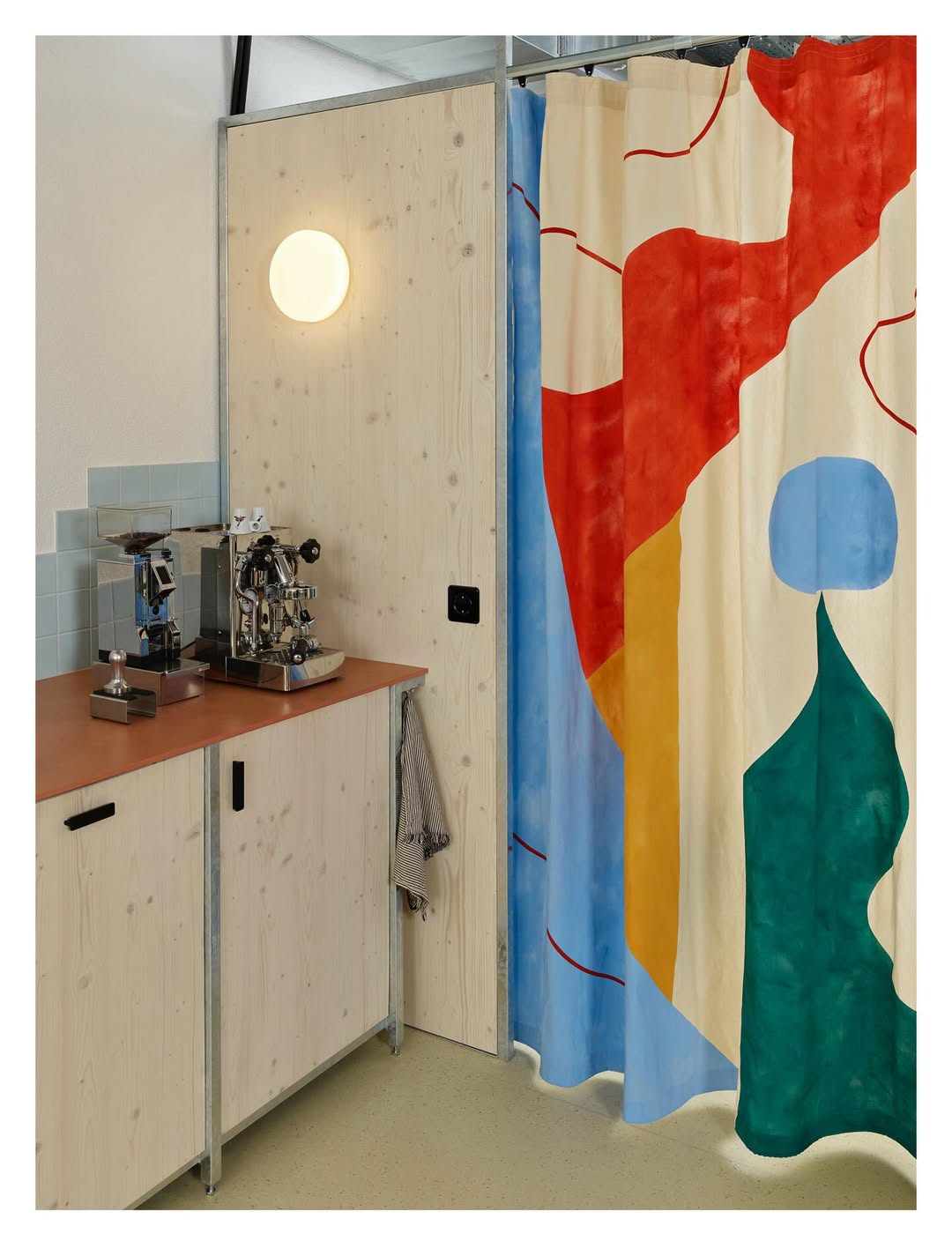
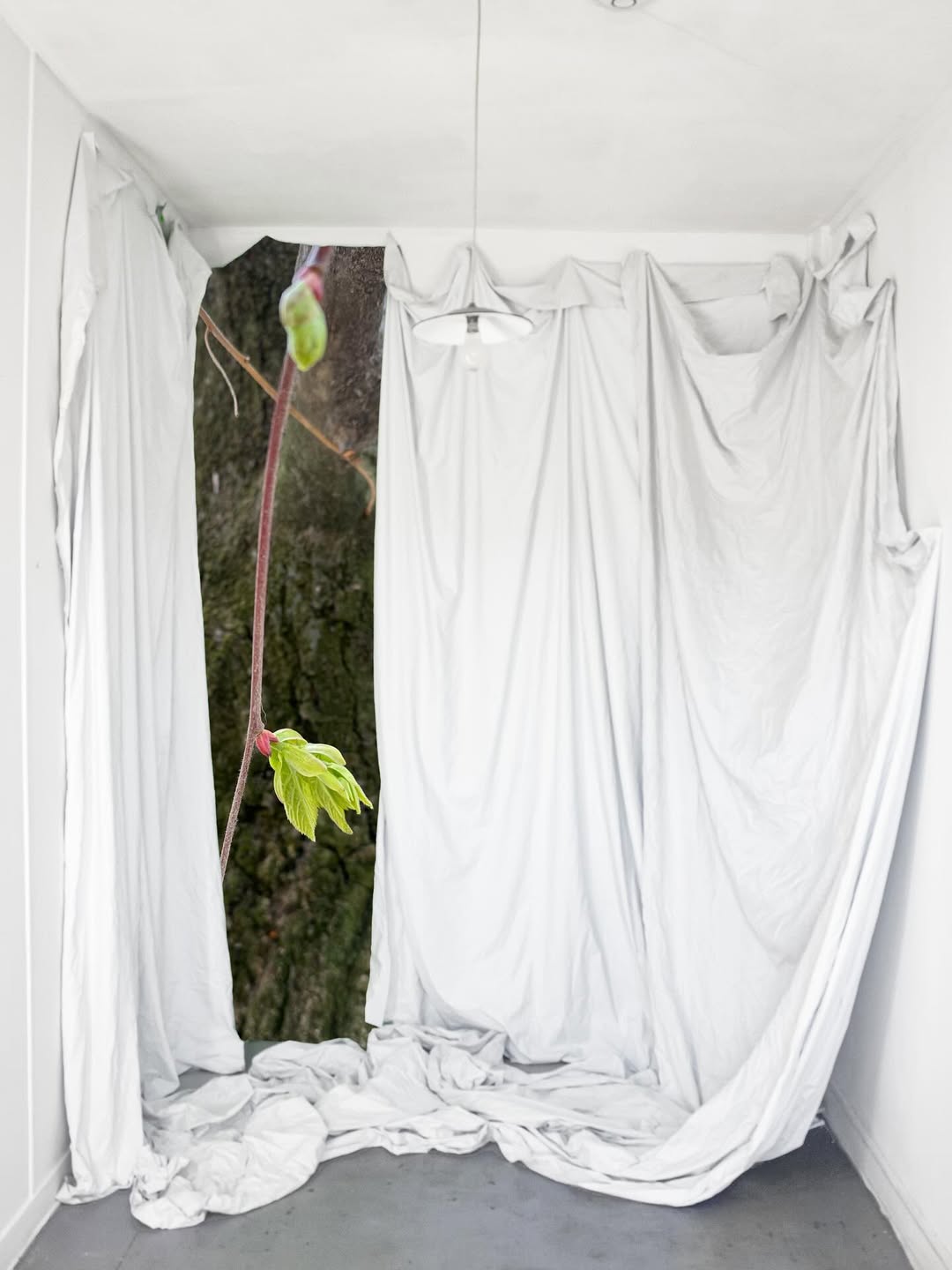
It does not divide space with the certainty of masonry, but negotiates it softly, allowing architecture to oscillate between concealment and revelation. In the curtain, architecture becomes atmospheric rather than absolute. Space flickers through translucency; boundaries loosen into gradients; enclosure becomes tactile, temporary, and alive.
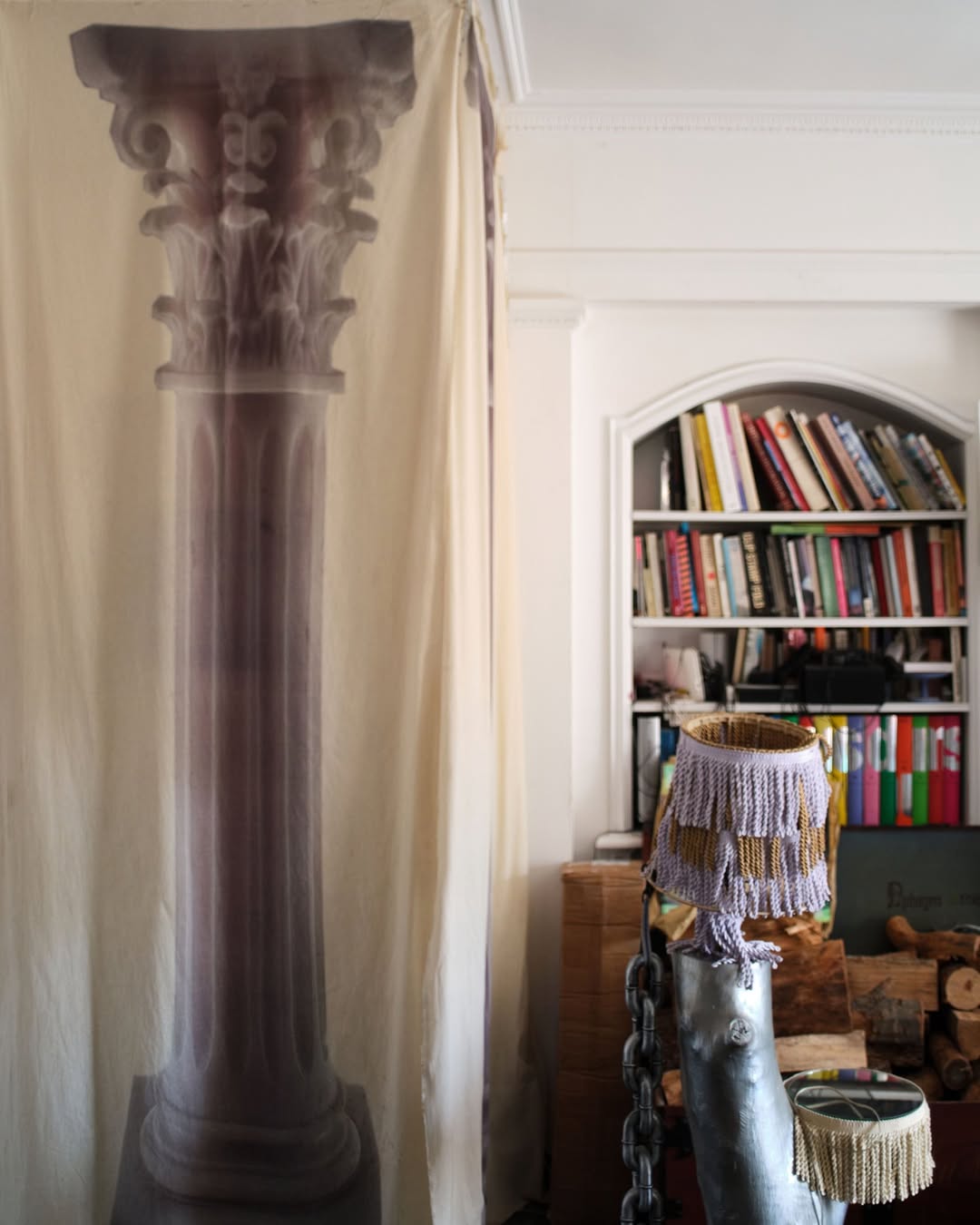
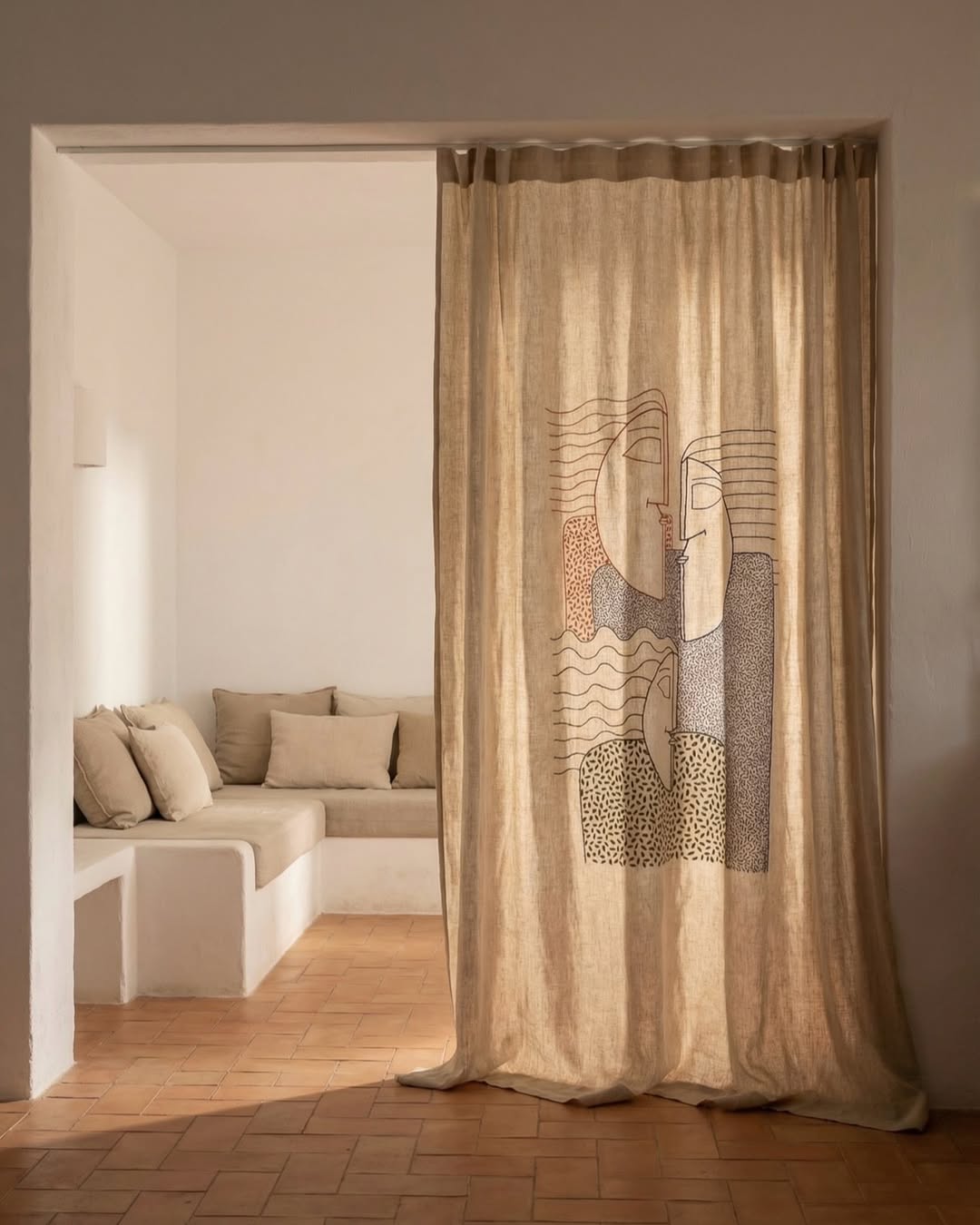
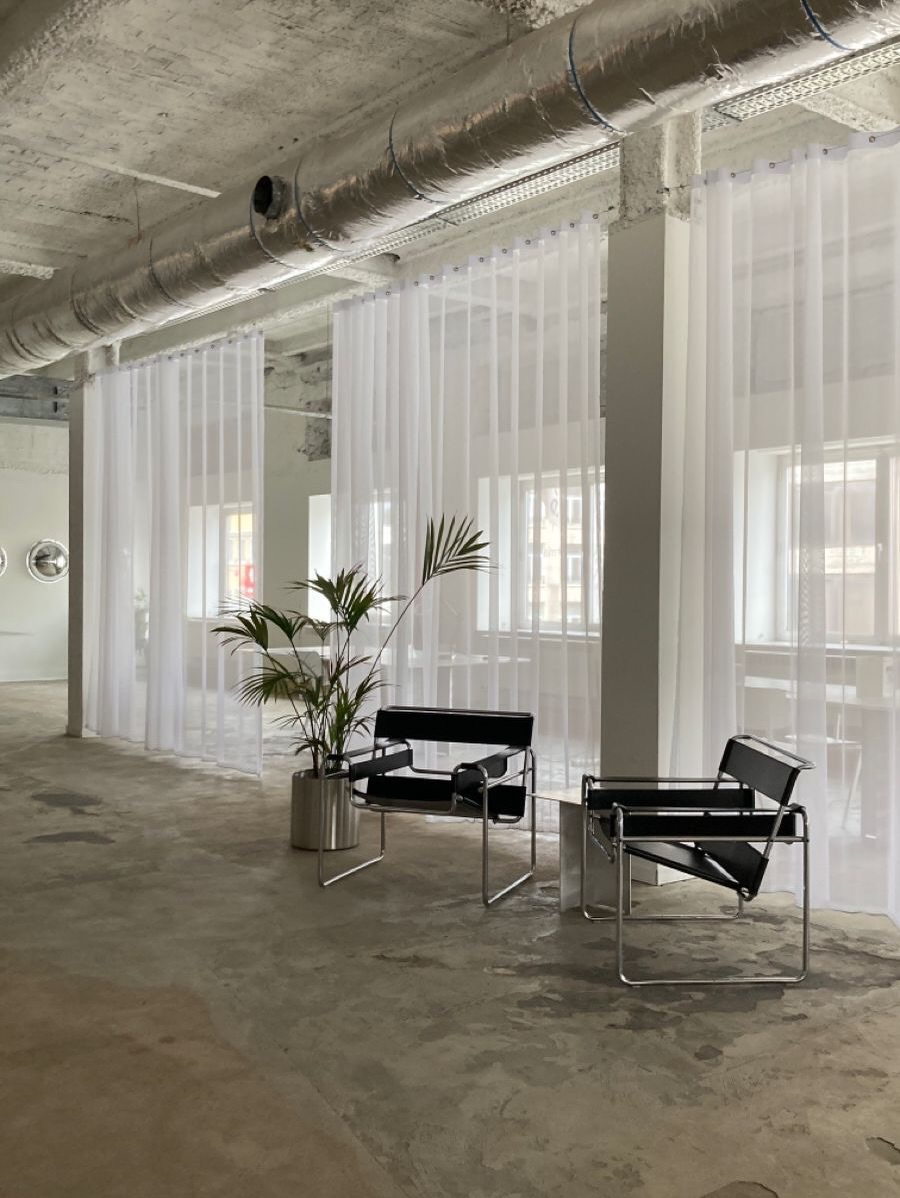
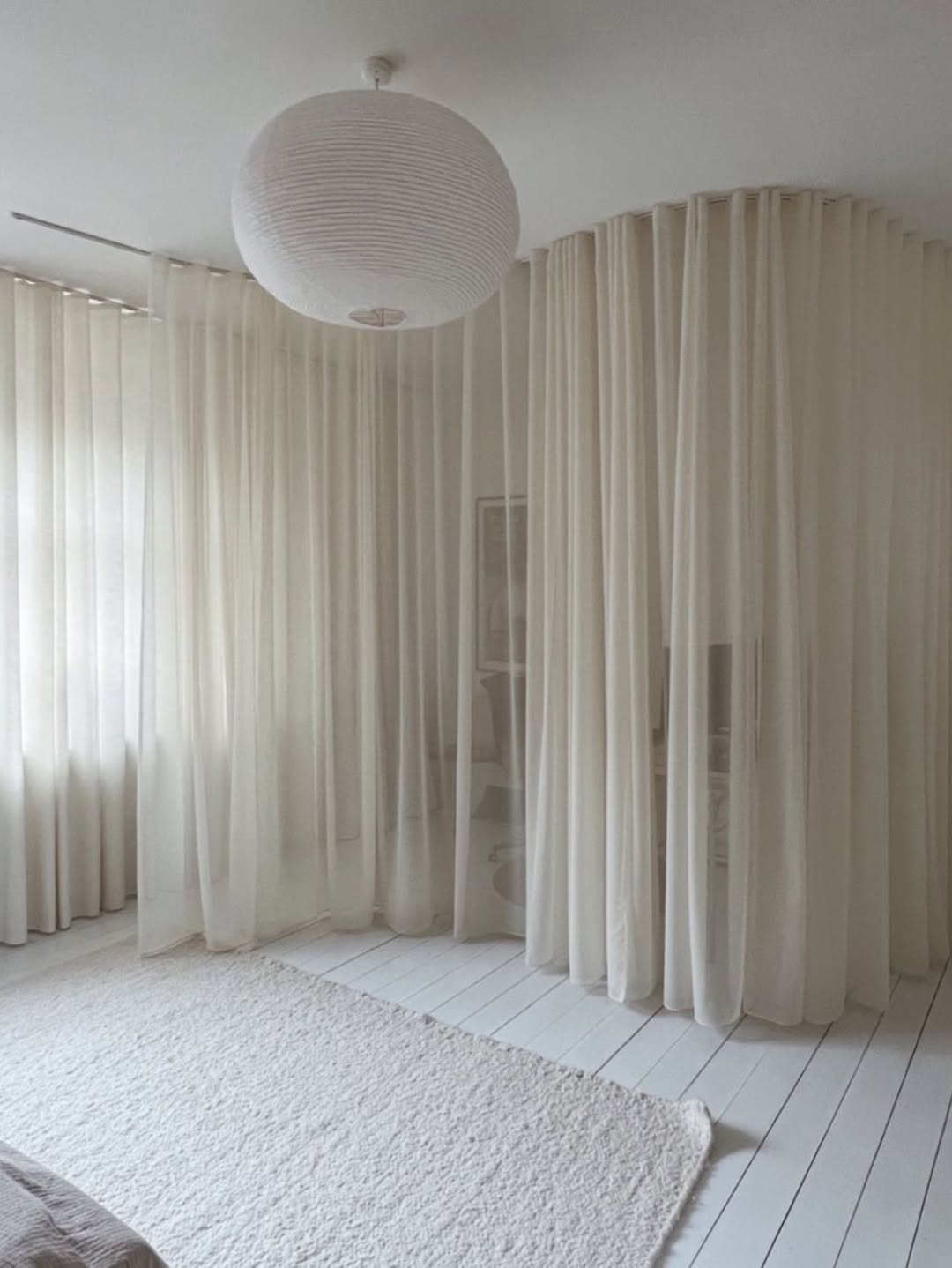
Unlike the wall, the curtain is never entirely still. It responds to air, light, gesture, and occupation. It records presence.
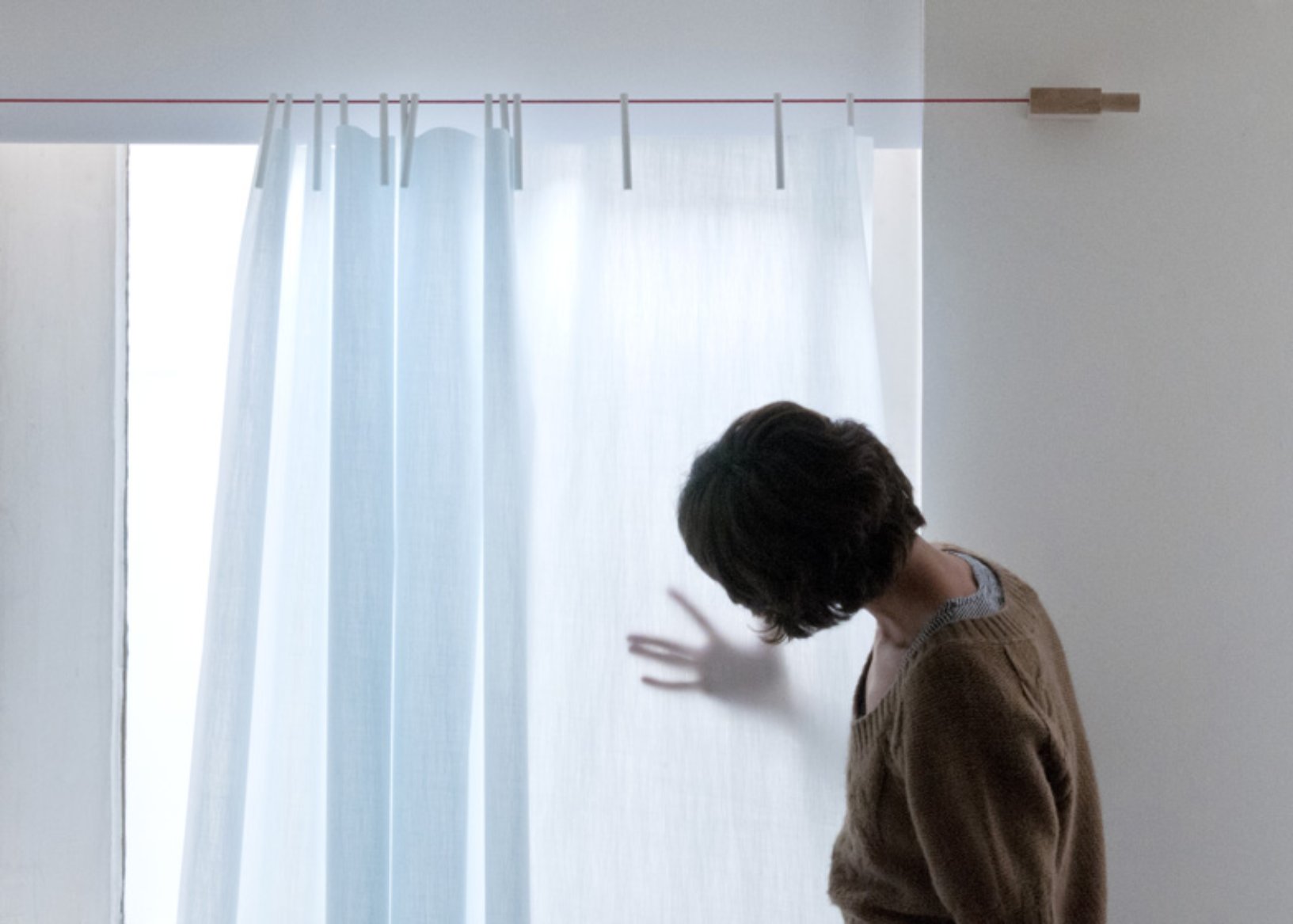
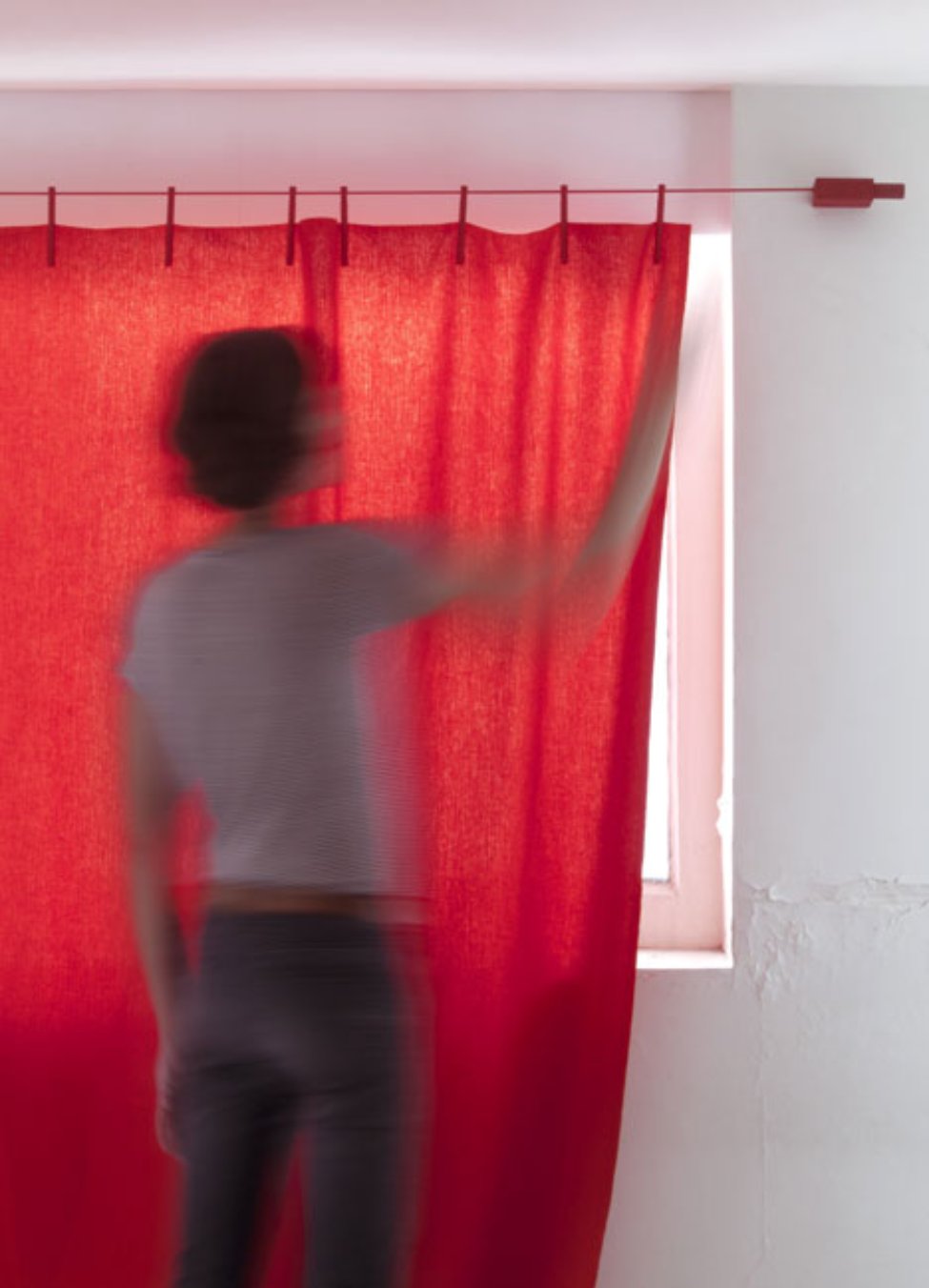
Drawn, parted or reopened, it transforms architecture into a choreography of shifting relationships. A curtain does not simply separate one room from another—it edits intimacy itself. It filters the public into the private, shadow into illumination, exteriority into domestic ritual.
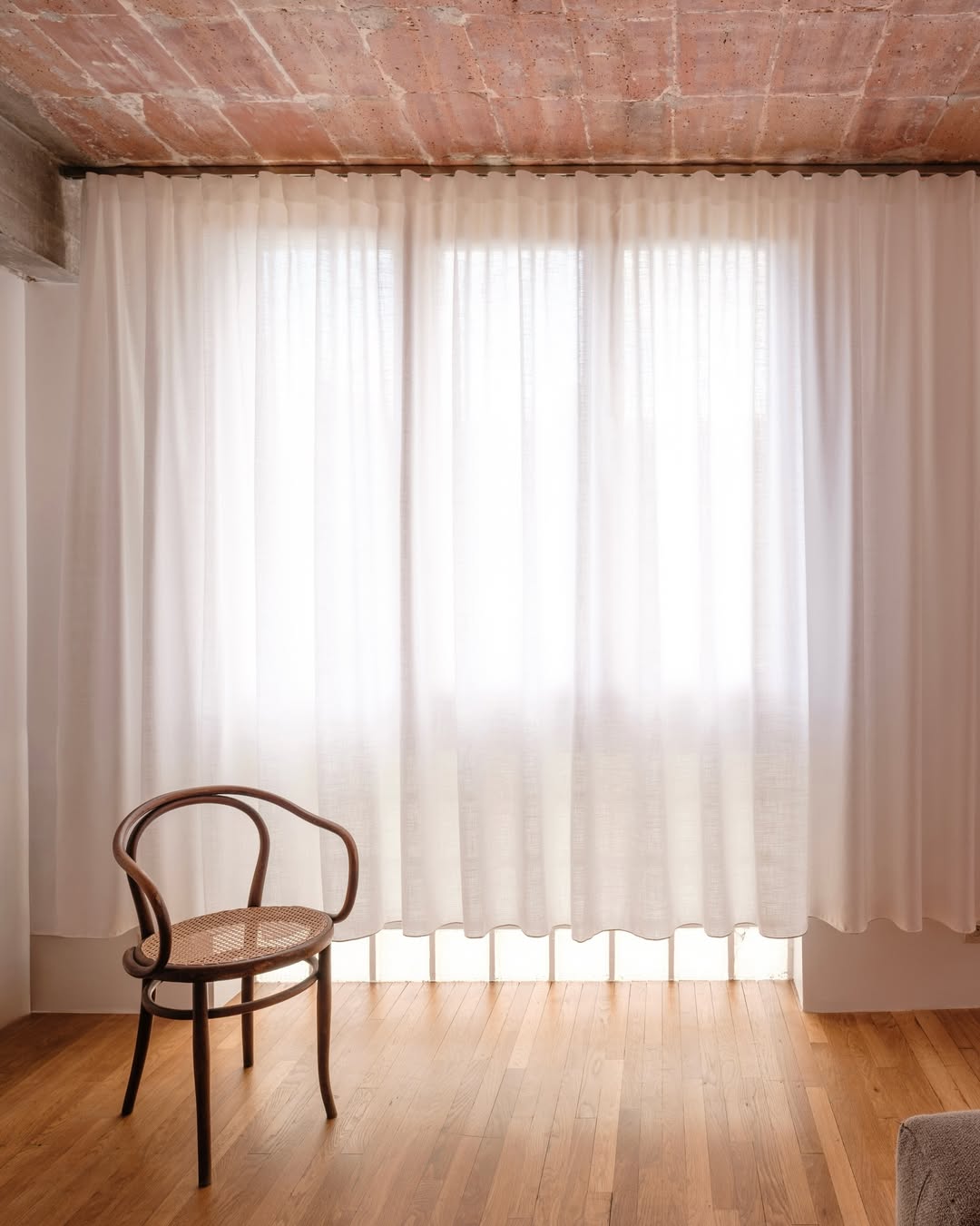
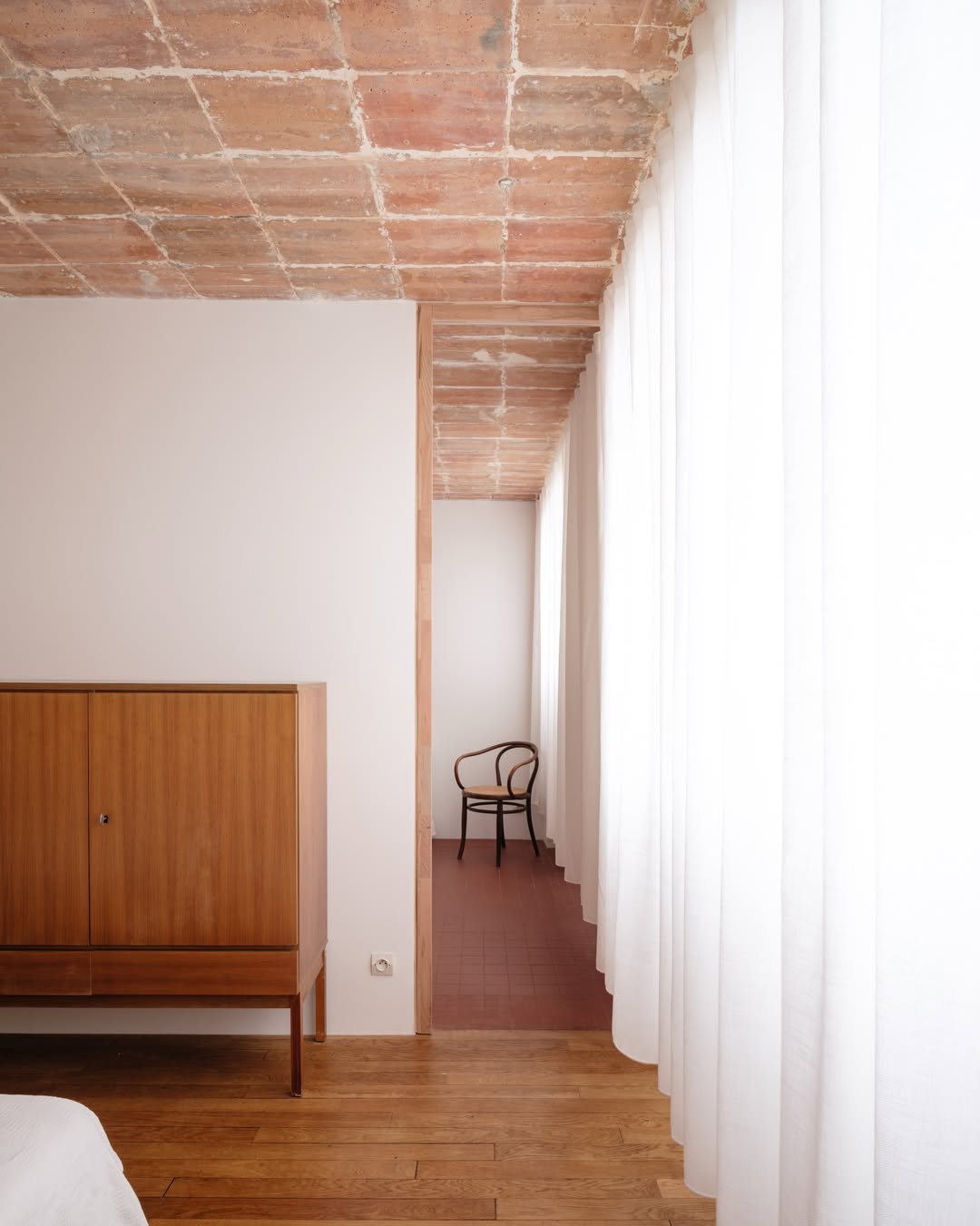
In this sense, the curtain performs architecture as event.
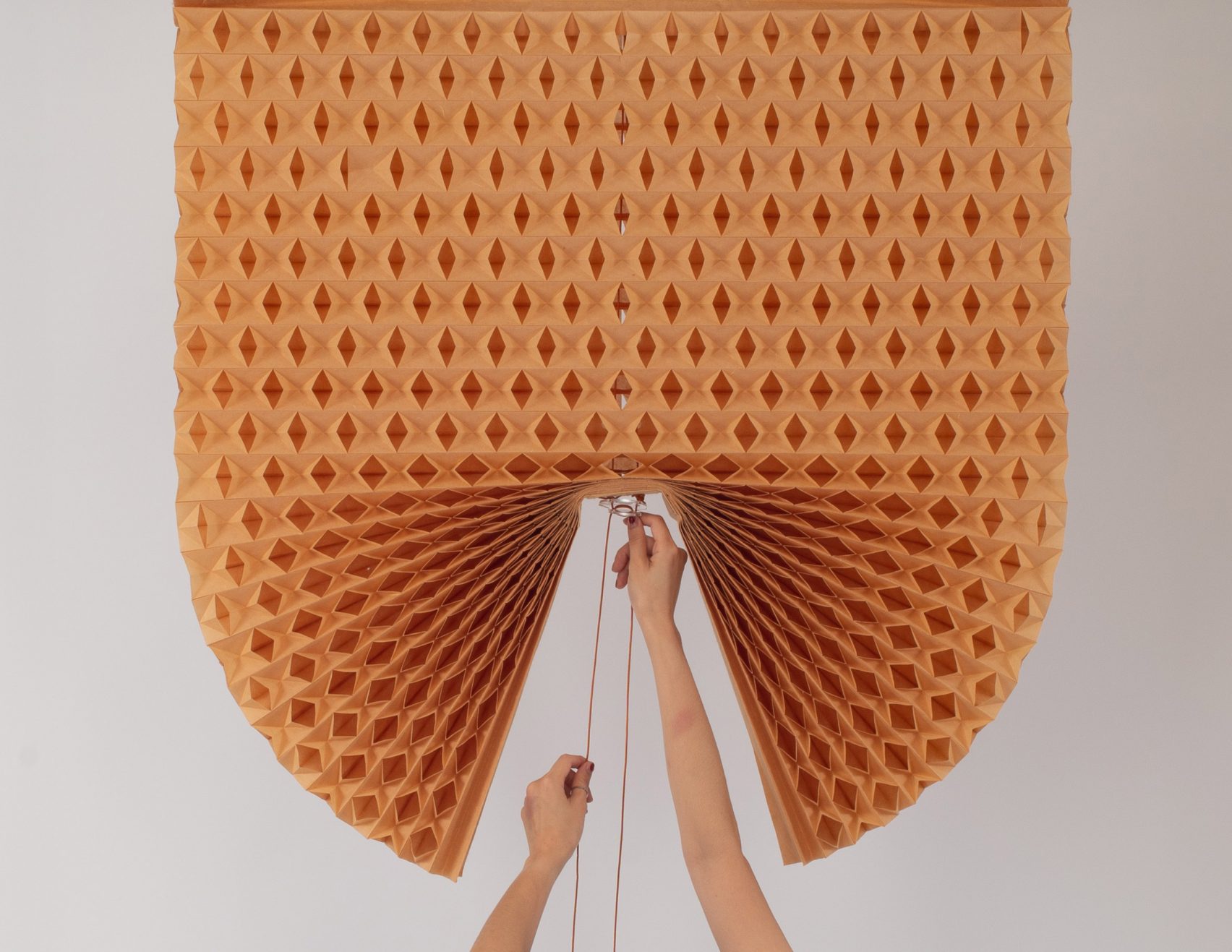

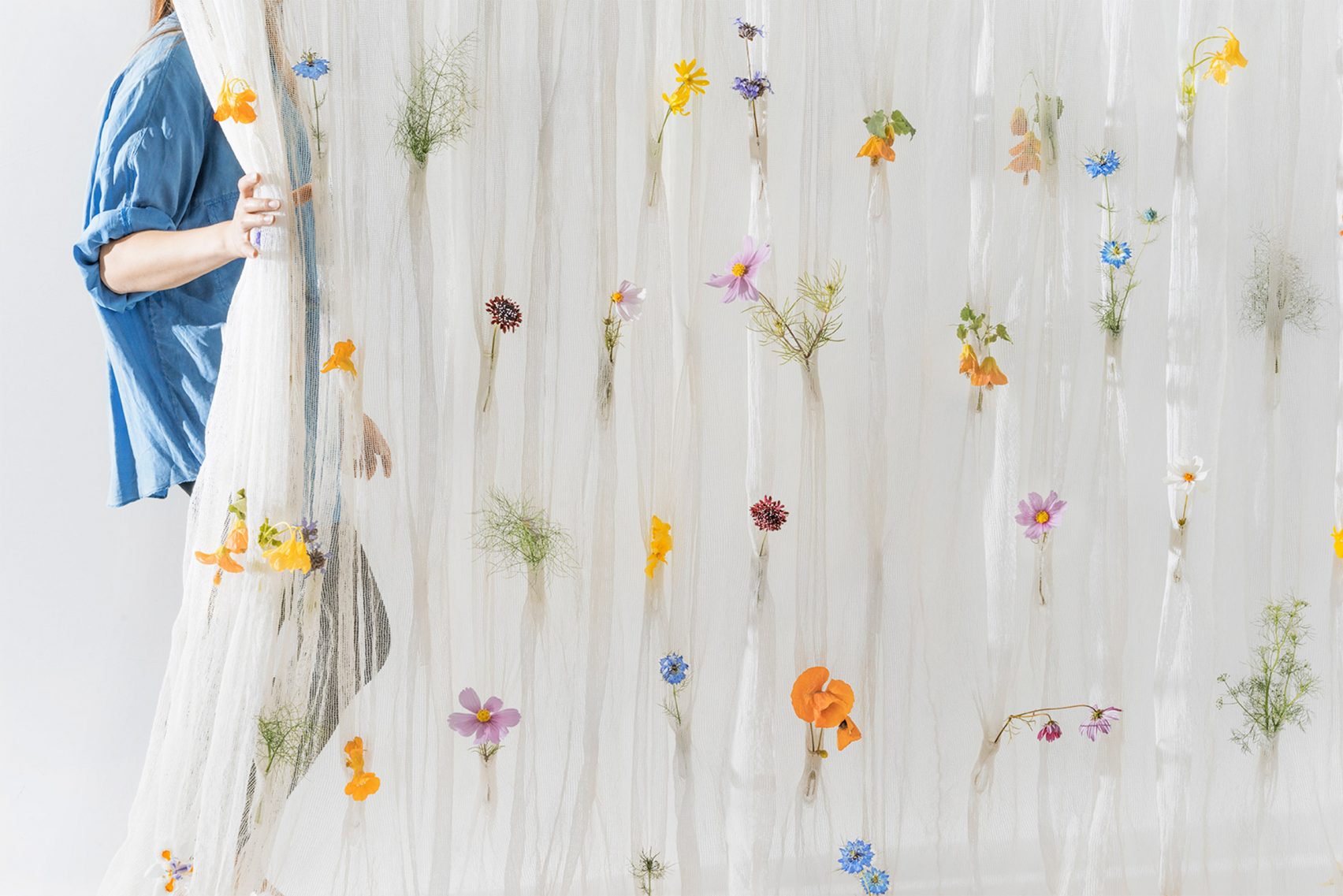
This instability recalls Gottfried Semper’s theory of dressing, in which the origins of architecture emerge not through structure, but through textile enclosure. In Der Stil in den technischen und tektonischen Künsten (1860), Semper proposes that the primitive wall began as woven fabric—a suspended membrane defining territory before architecture hardened into stone. The wall, therefore, is not originally tectonic but textile. Architecture begins not with mass, but with weaving; not with construction, but with hanging.
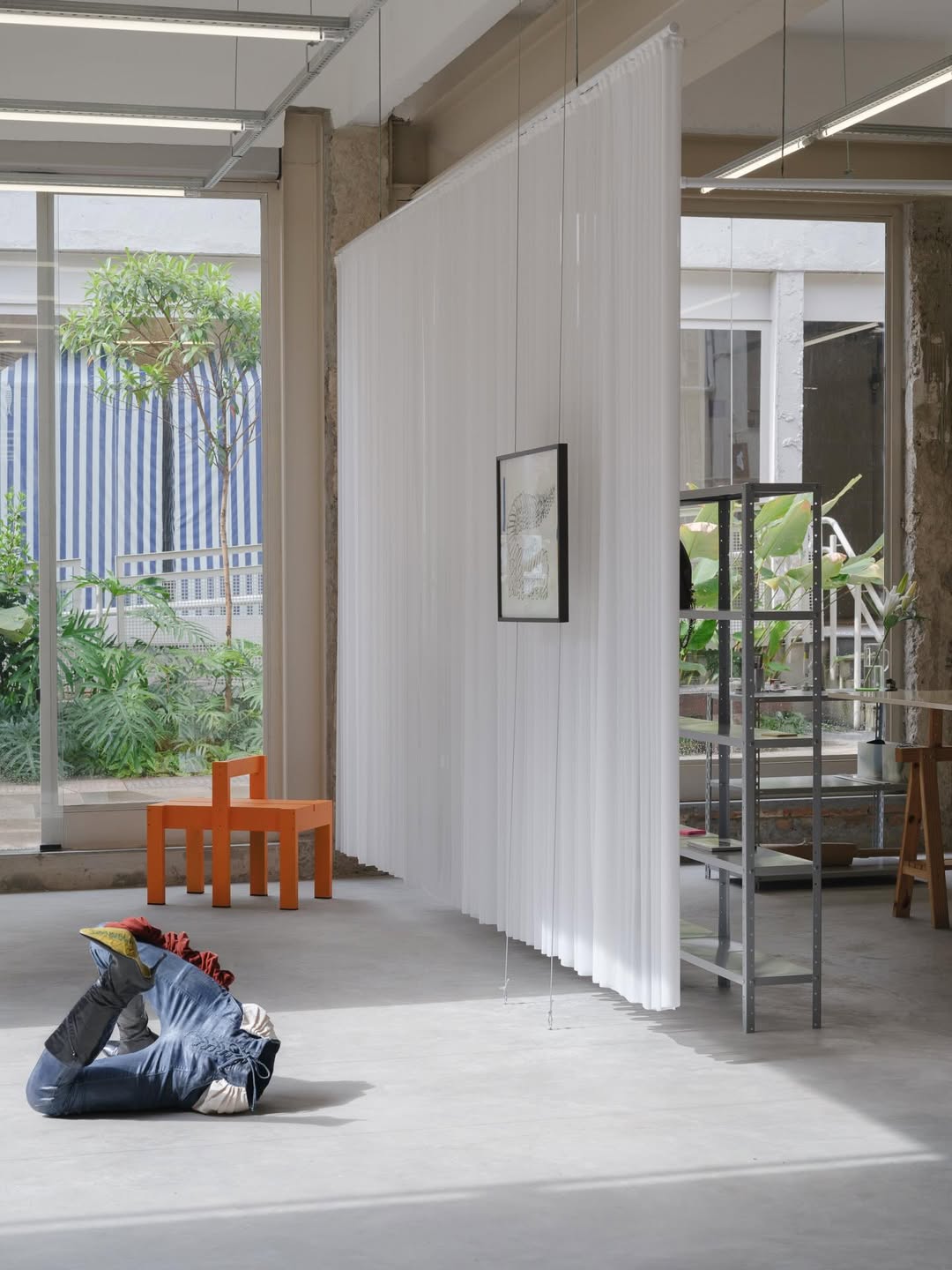
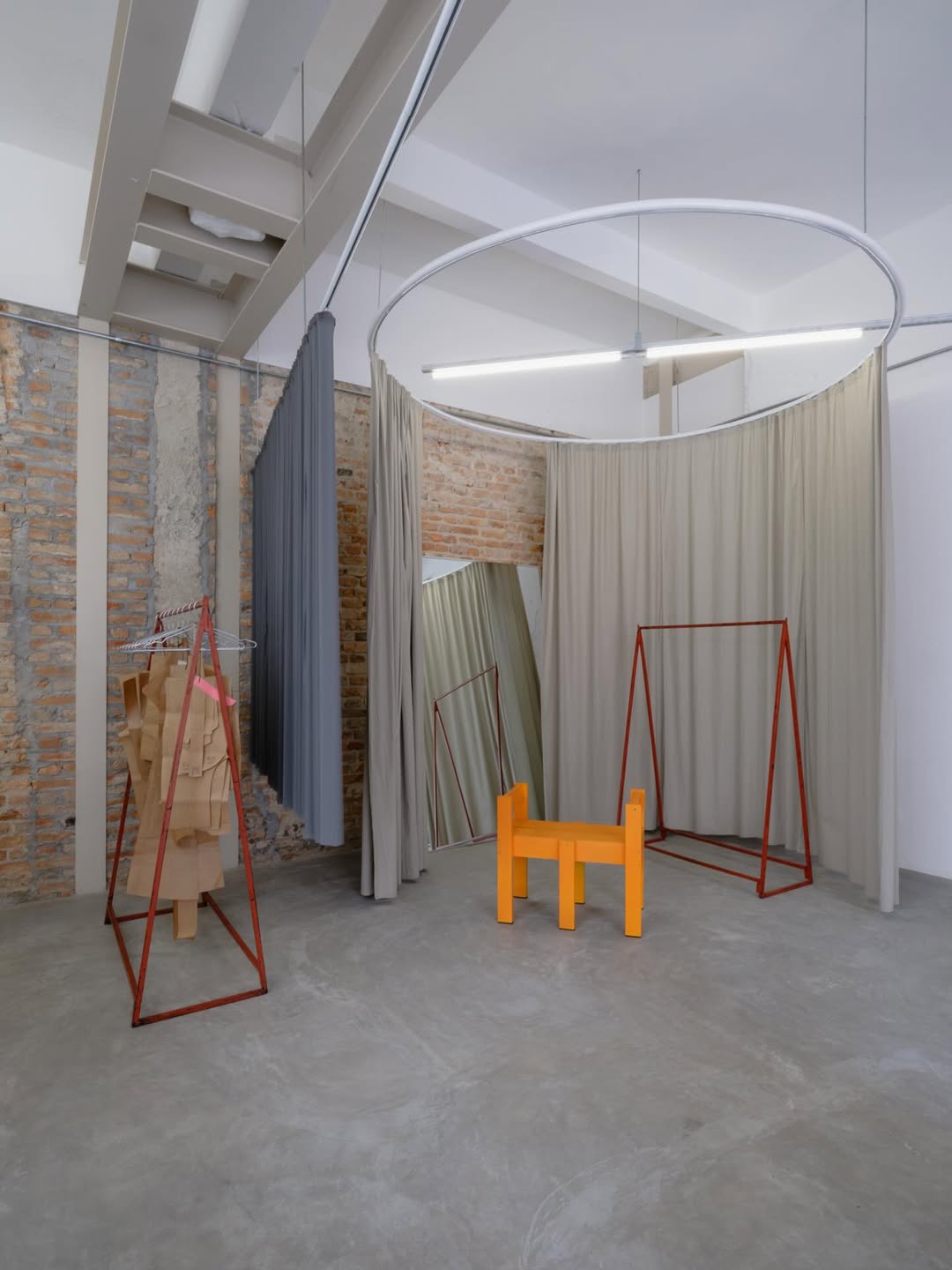
Semper’s argument radically repositions softness as architecture’s primordial condition rather than its decorative supplement.
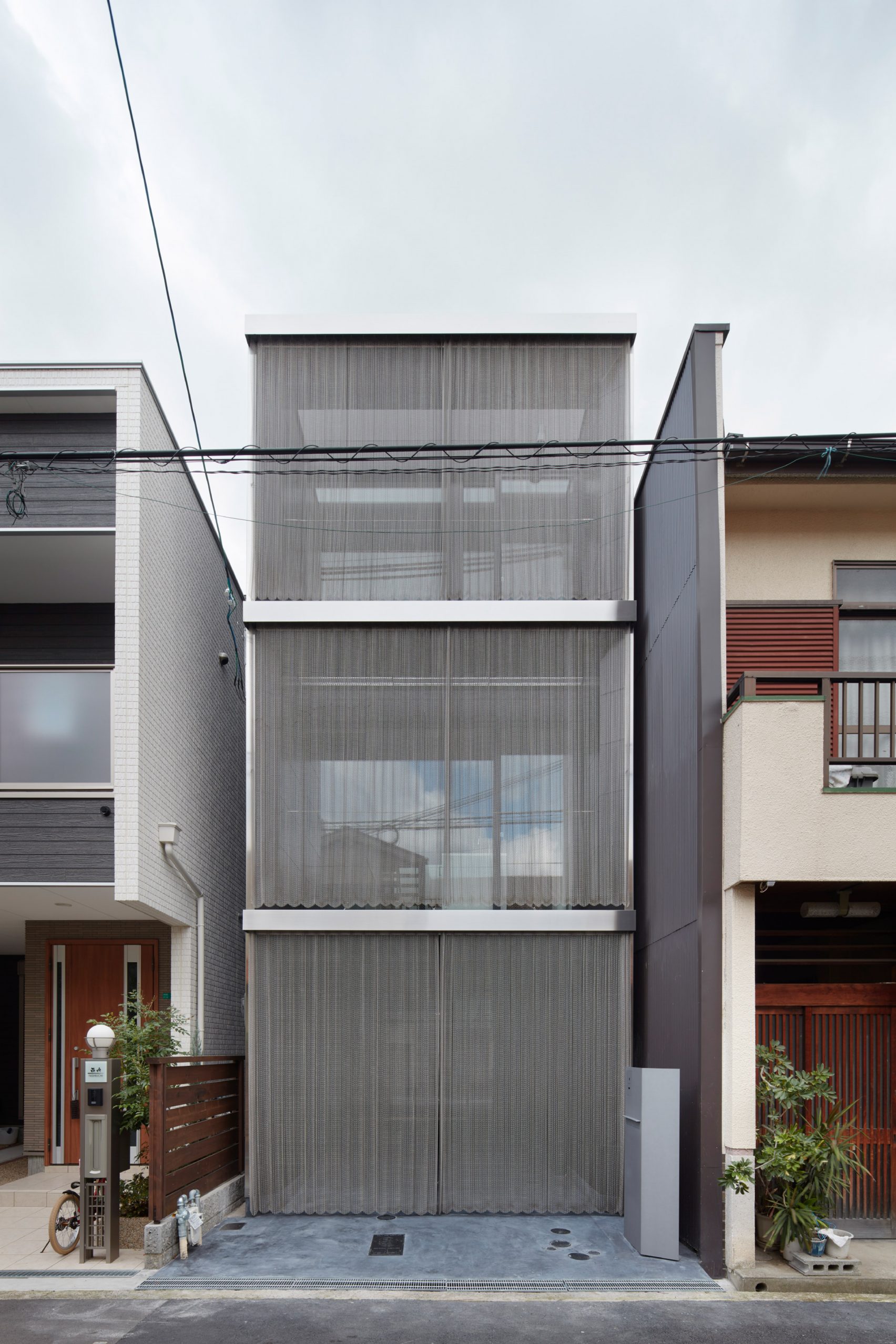
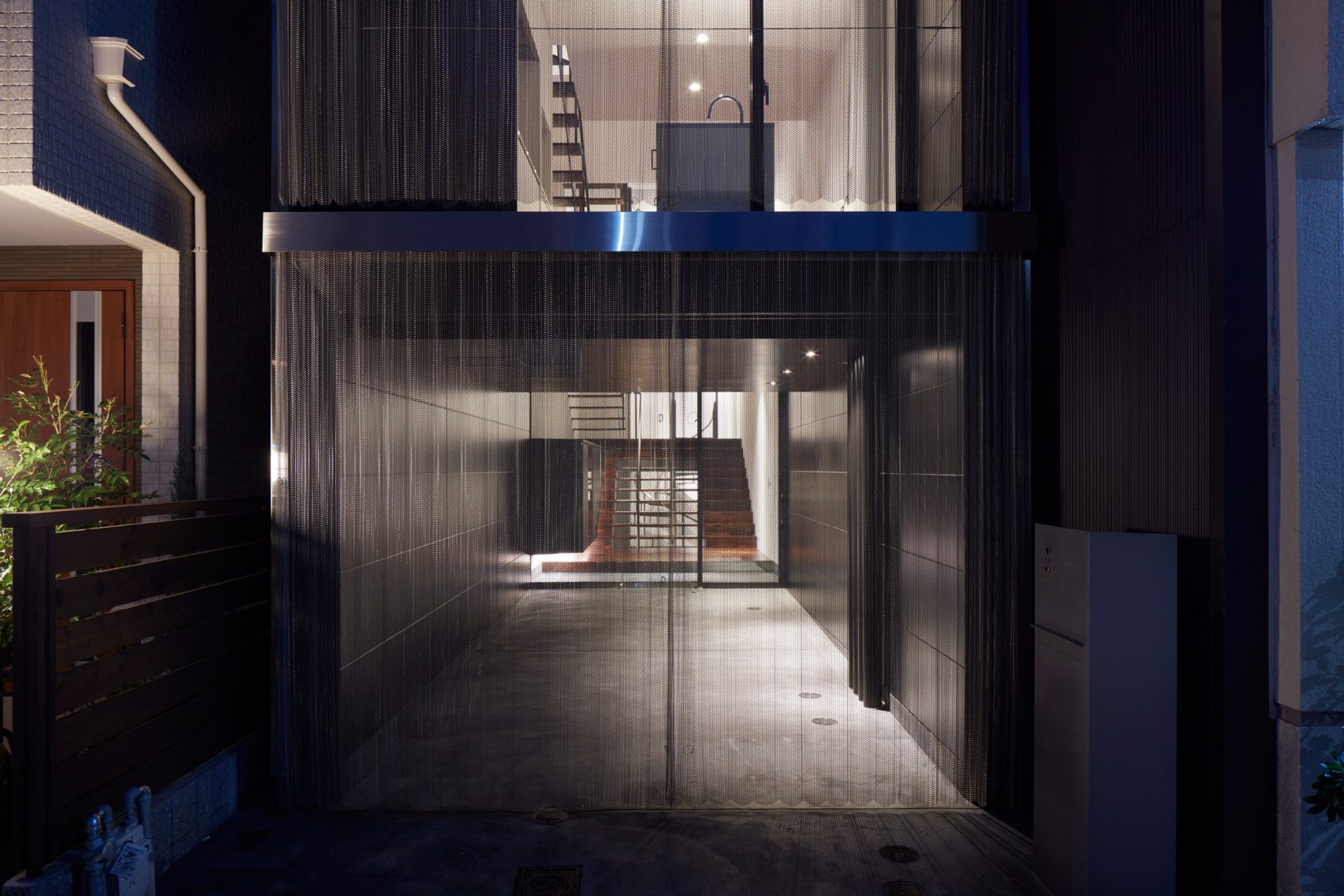
The curtain ceases to be understood as ornament applied to architecture and instead becomes its conceptual origin. Textile carries spatial intelligence; capturing movement, establishing thresholds, regulating climate, thus producing symbolic meaning. The softness of fabric is therefore not secondary to architecture, but foundational to it. Even today, the curtain retains this primitive capacity to define atmosphere with minimal material presence.
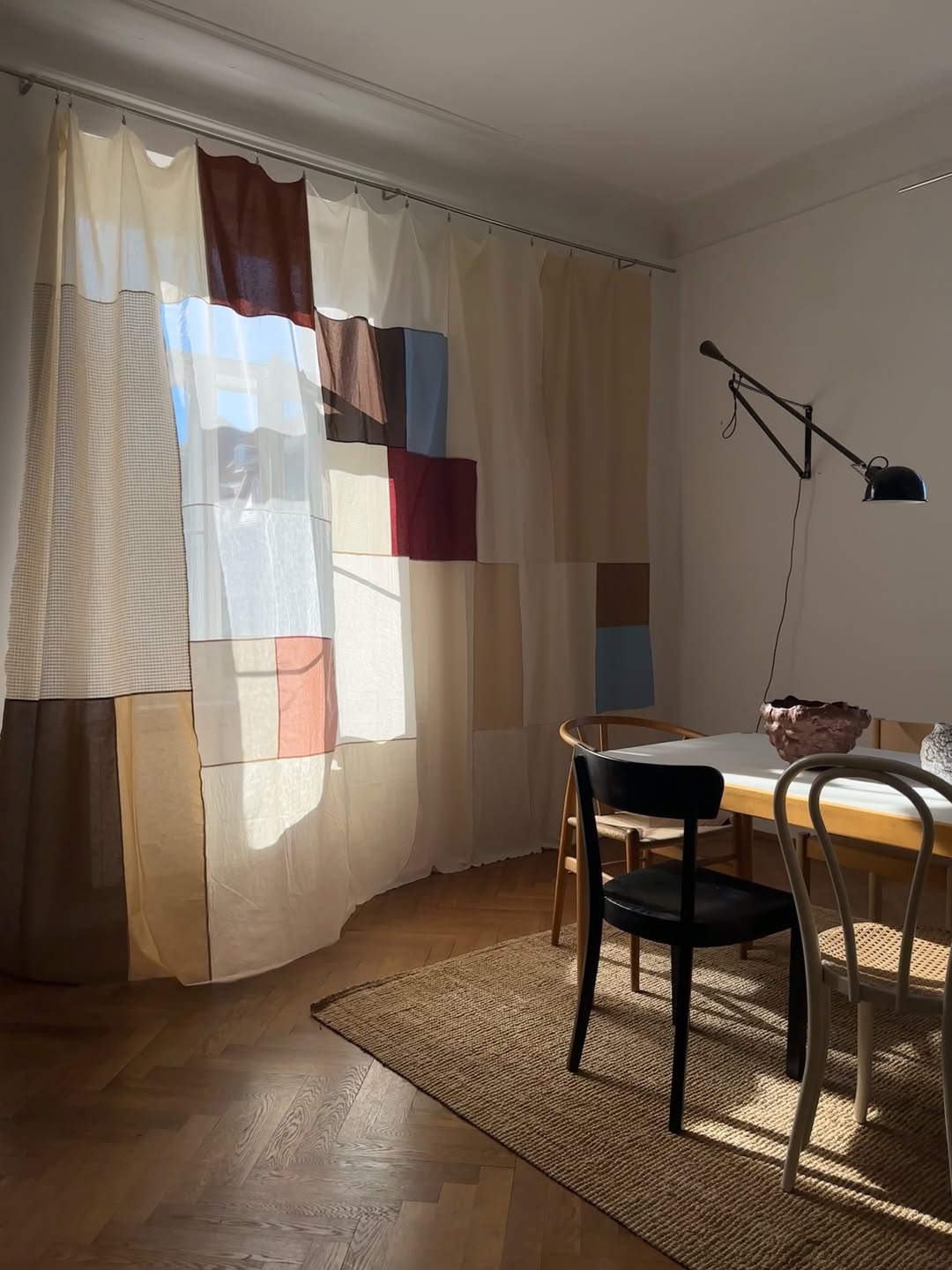
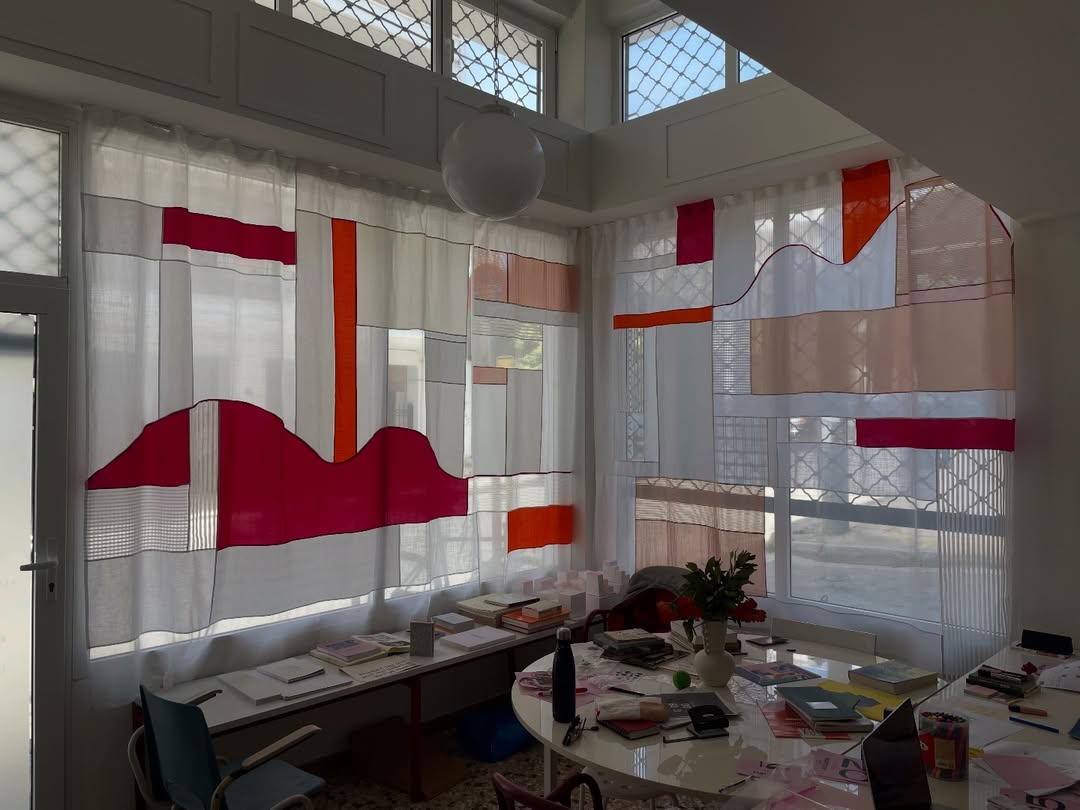
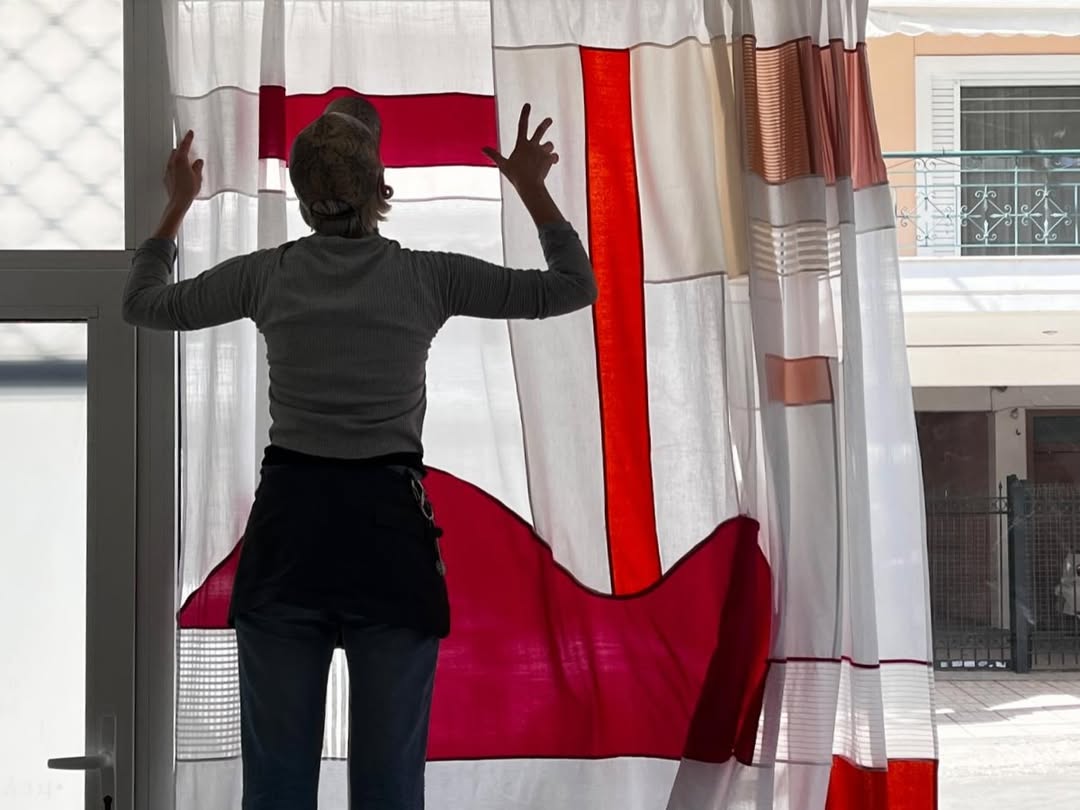
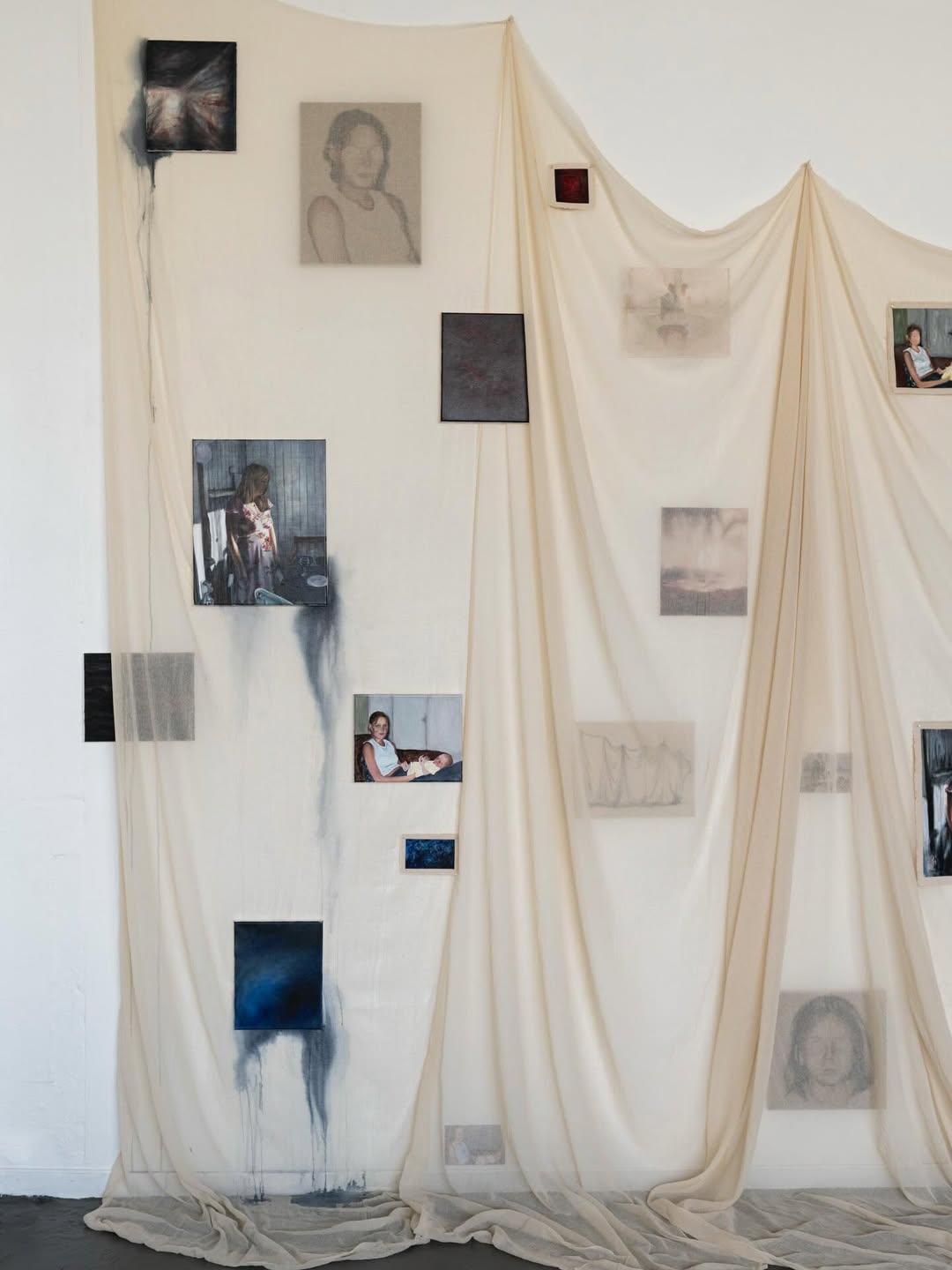
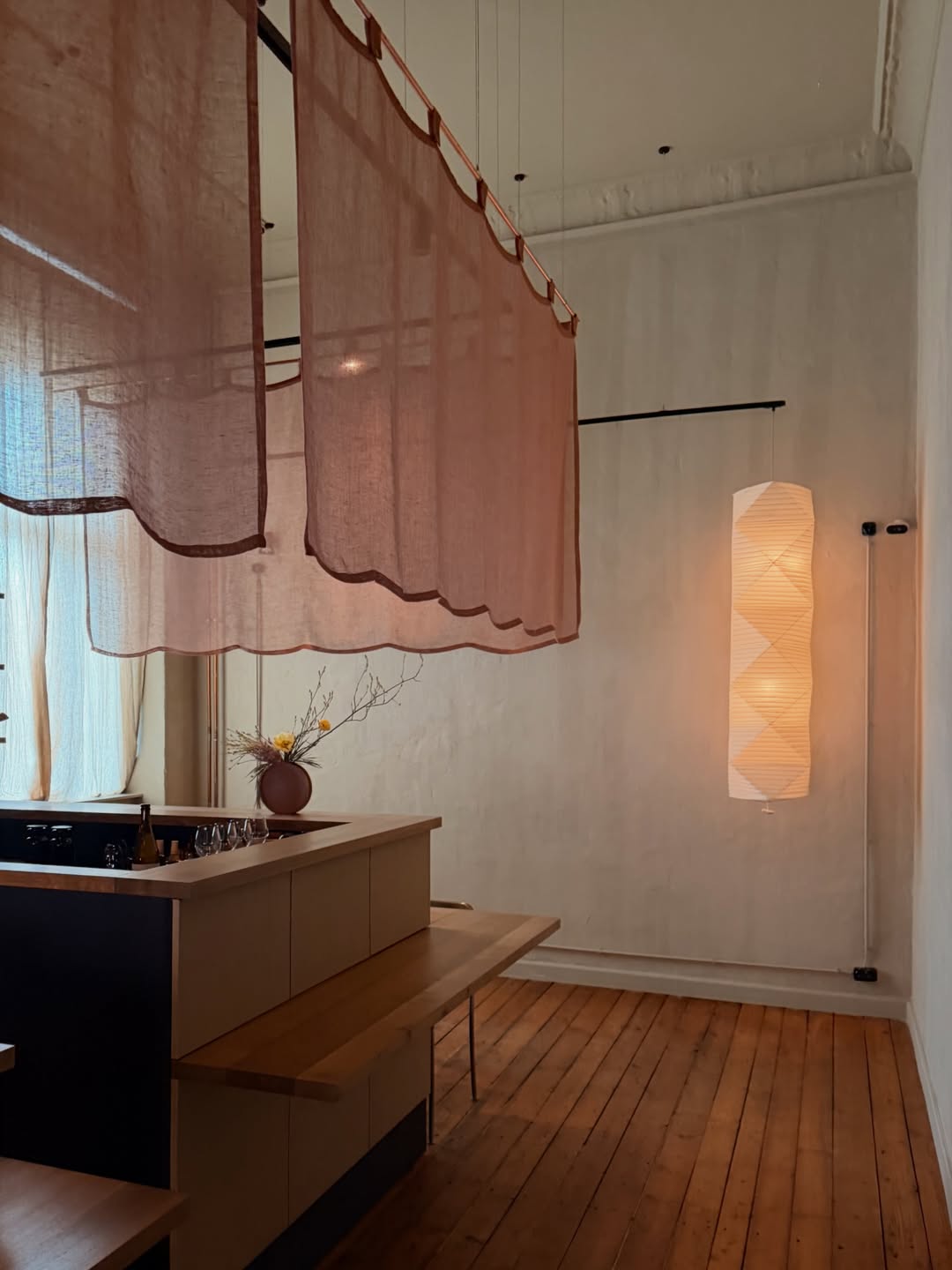
Lea Sigg for Conny Mirbach.
A thin membrane can transform the emotional temperature of an entire room more profoundly than concrete or steel reminding that architecture’s softness persists beneath its rigid skin.
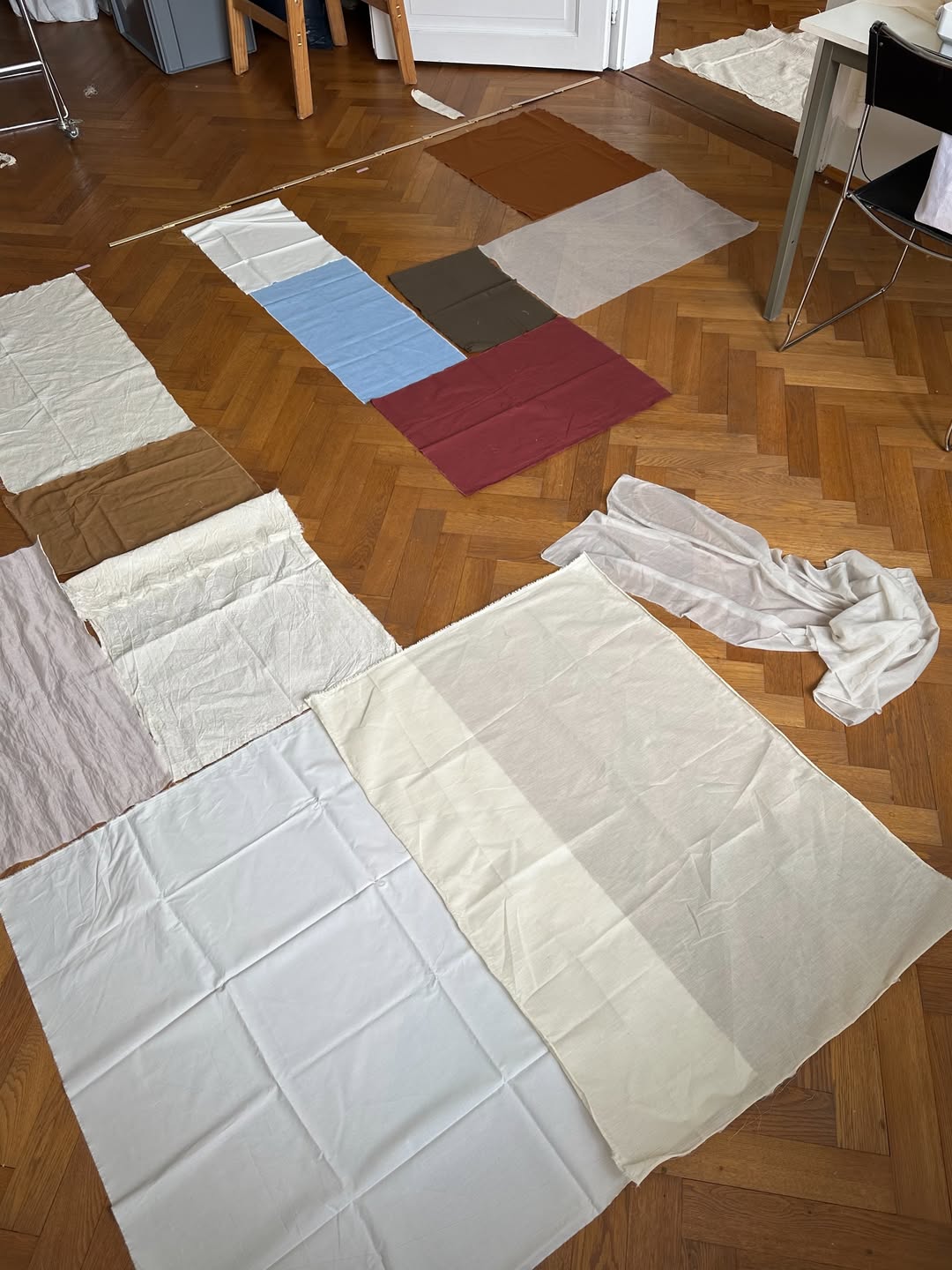
This relationship between textile and spatial atmosphere is expanded in the work of Mette Ramsgard Thomsen and Daniela Pišteková, whose writing on “wall curtains” examines the idea of softness as an architectural condition rather than simply a material effect. In their discussion of textile assemblies and responsive membranes, the wall is reconsidered not as a fixed boundary, but as an adaptive interface—something capable of negotiation, permeability, and environmental responsiveness (Thomsen and Pišteková, 2019).
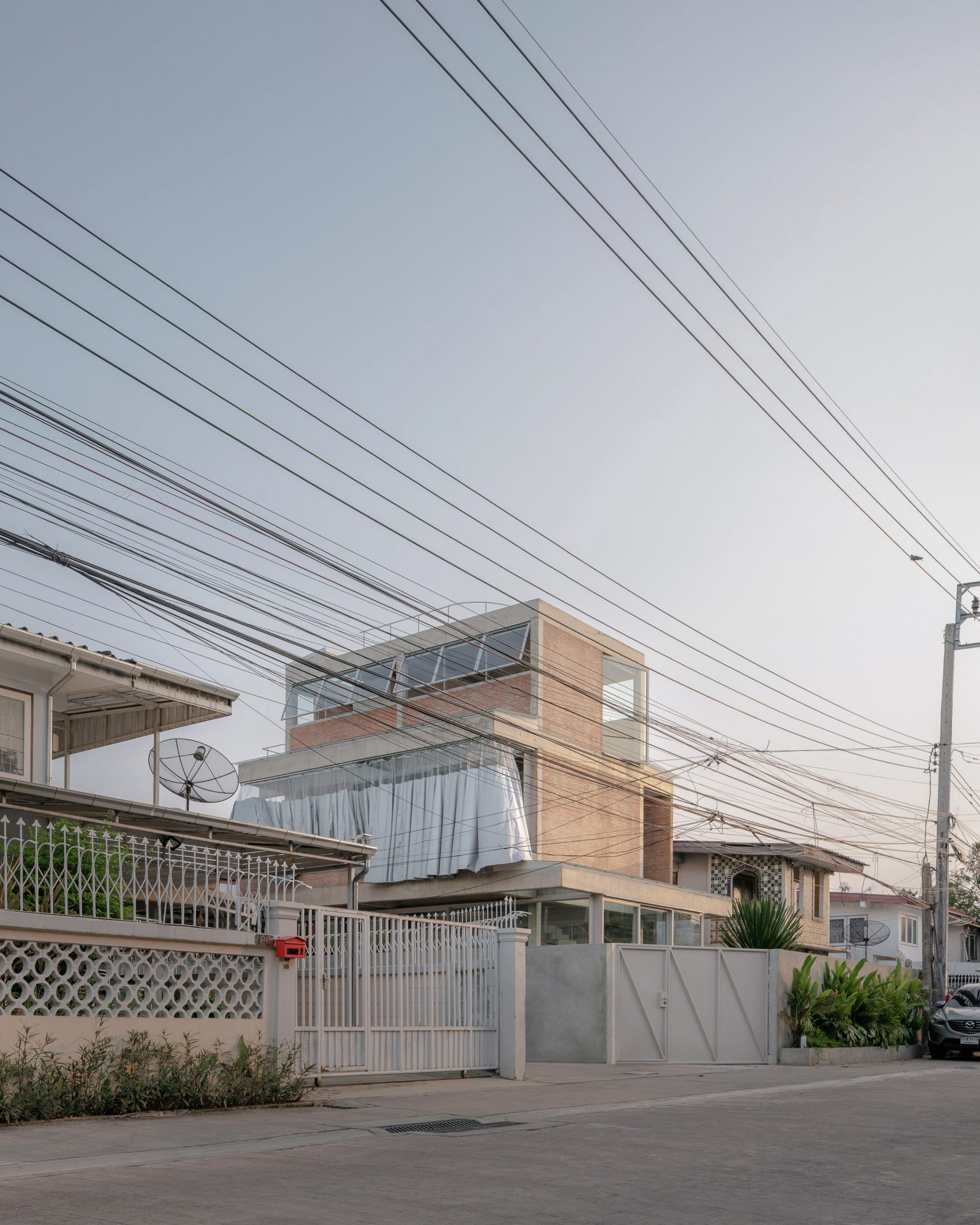
Soft architecture is not secondary to tectonic structure; it is indispensable precisely because it allows for transformation.
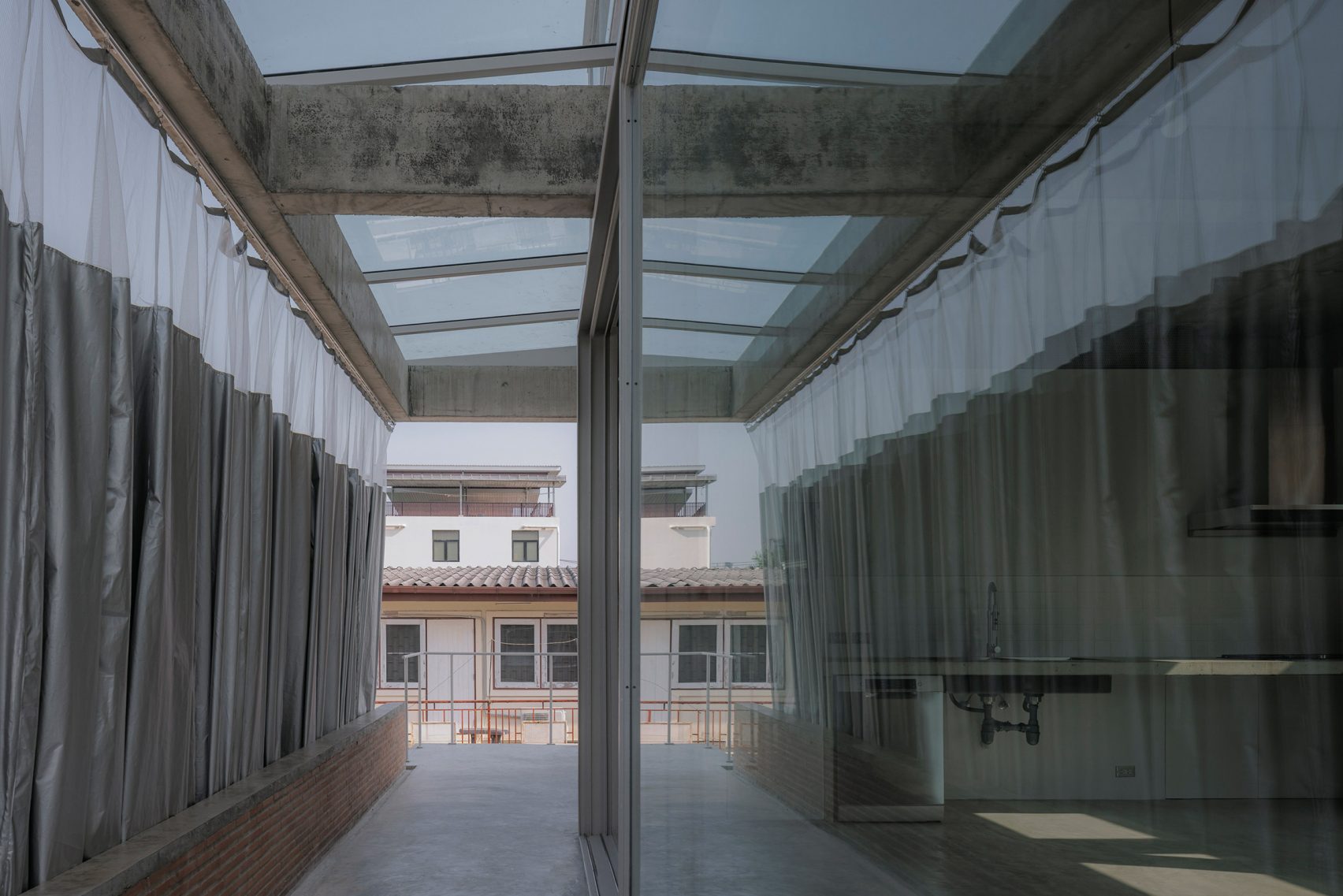
Thomsen and Pišteková’s work reframes the curtain as a design medium through which visibility and bodily proximity are negotiated simultaneously. Rather than enforcing a rigid separation between interior and exterior, soft architectural systems allow spatial gradients and shifting modes of occupation to emerge. Space becomes layered rather than enclosed. Operating instinctively within this logic, the curtain filters light, absorbs sound, and responds subtly to air and movement, transforming spatial perception while awakening the imagination.
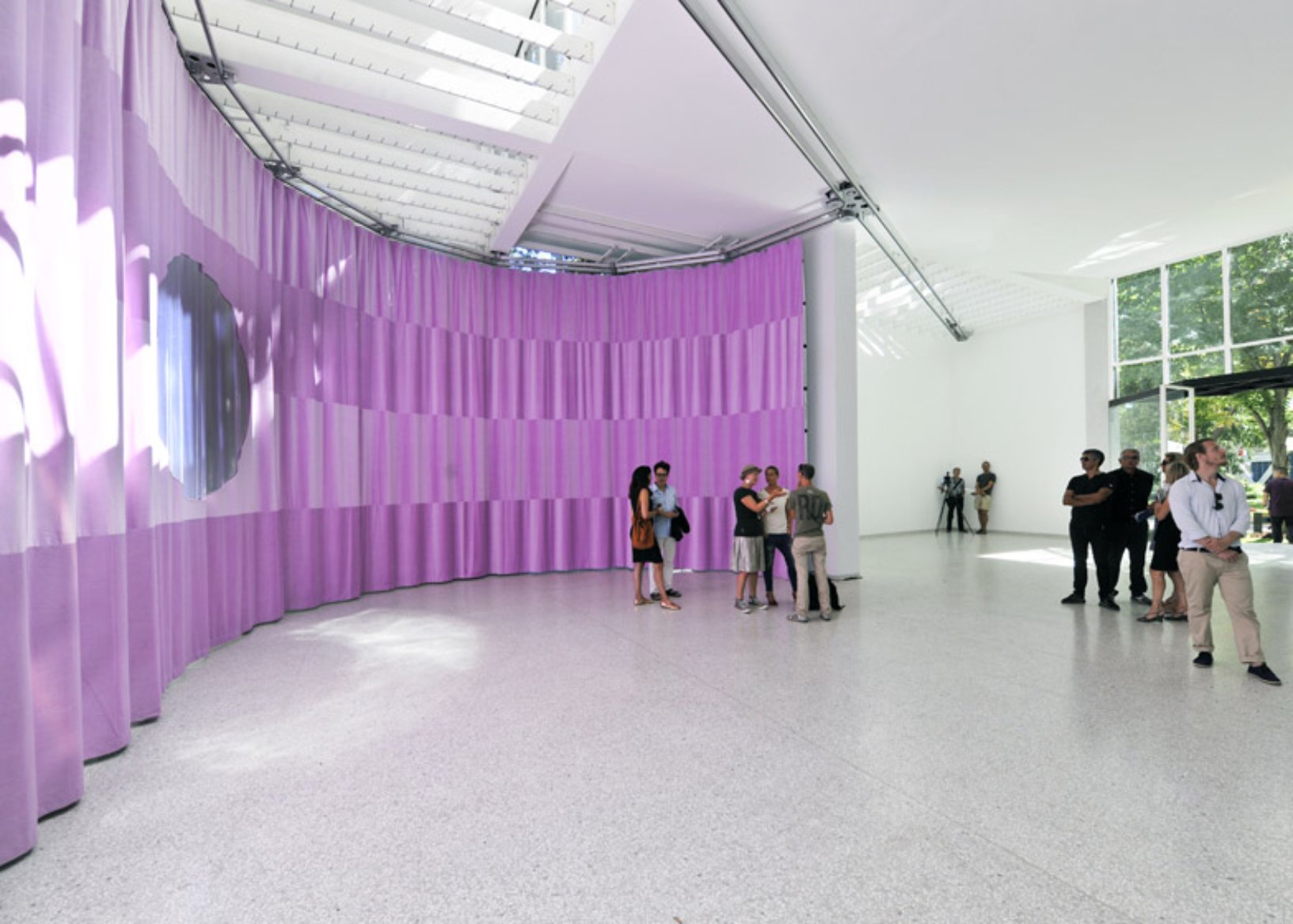
Through softness, architecture is liberated from the fixity of form and reimagined as a living, responsive condition.
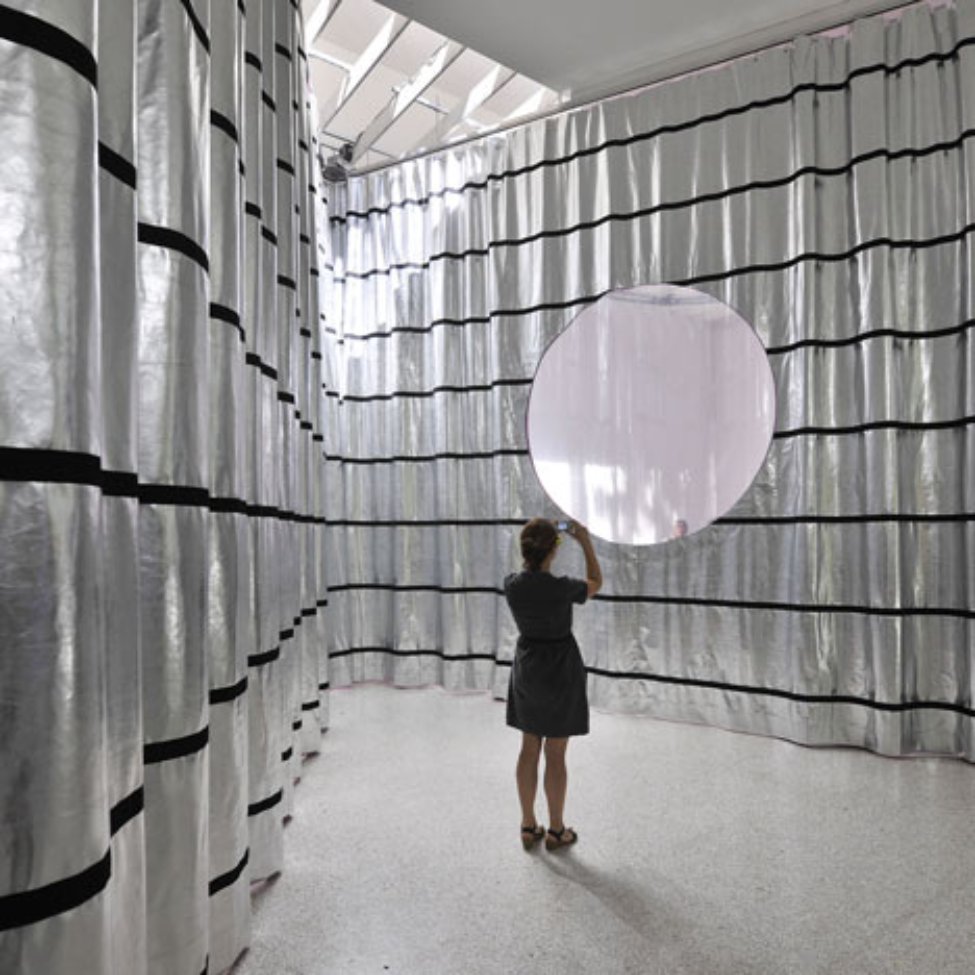
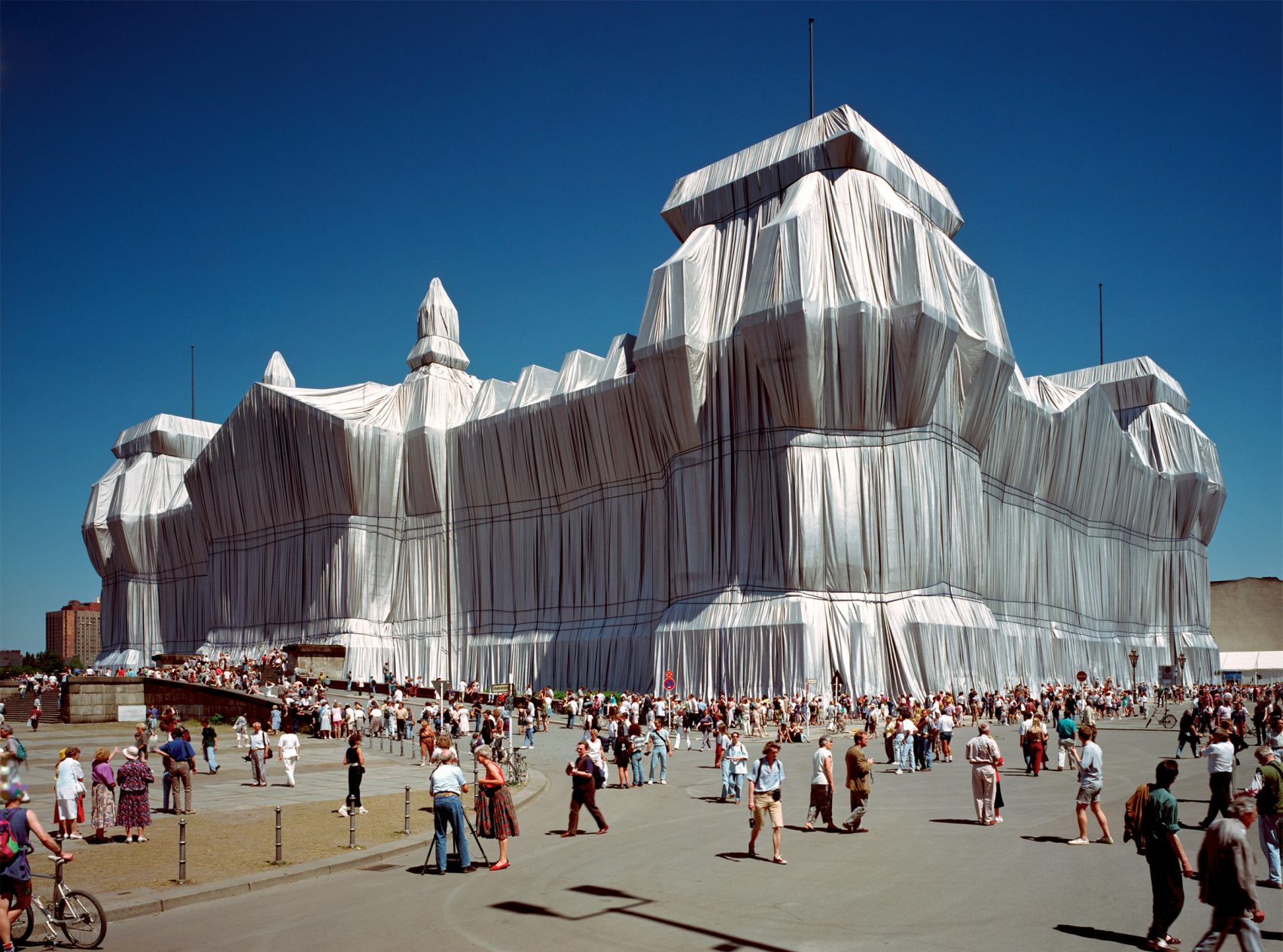
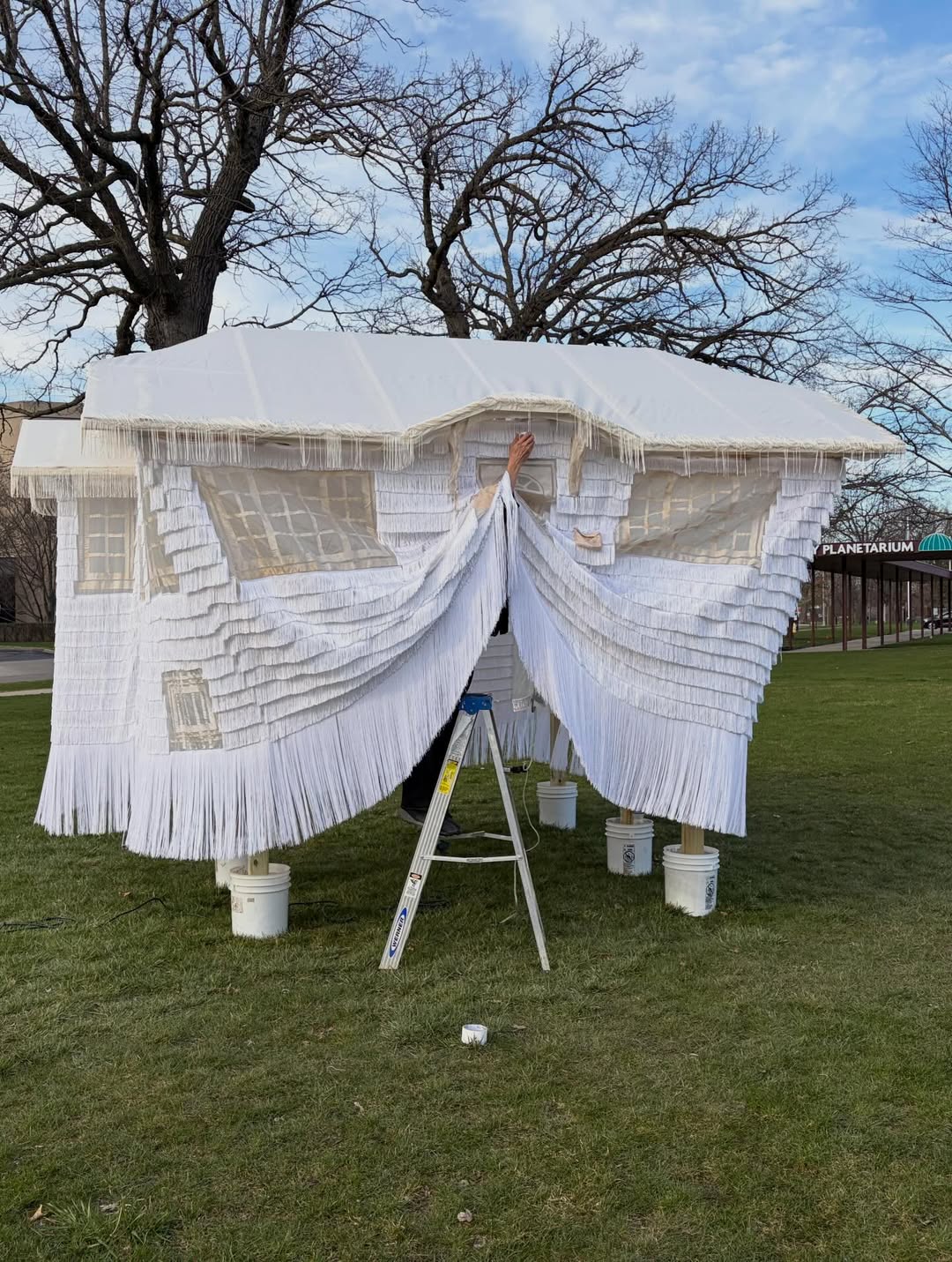
Christo and Jeanne-Claude pushed this gesture to its extreme, wrapping buildings, bridges, and coastlines not to conceal them, but to render them newly visible. Through fabric, mass became palpable and monumentality was softened. Their interventions transformed architecture into an atmospheric condition suspended between disappearance and revelation.
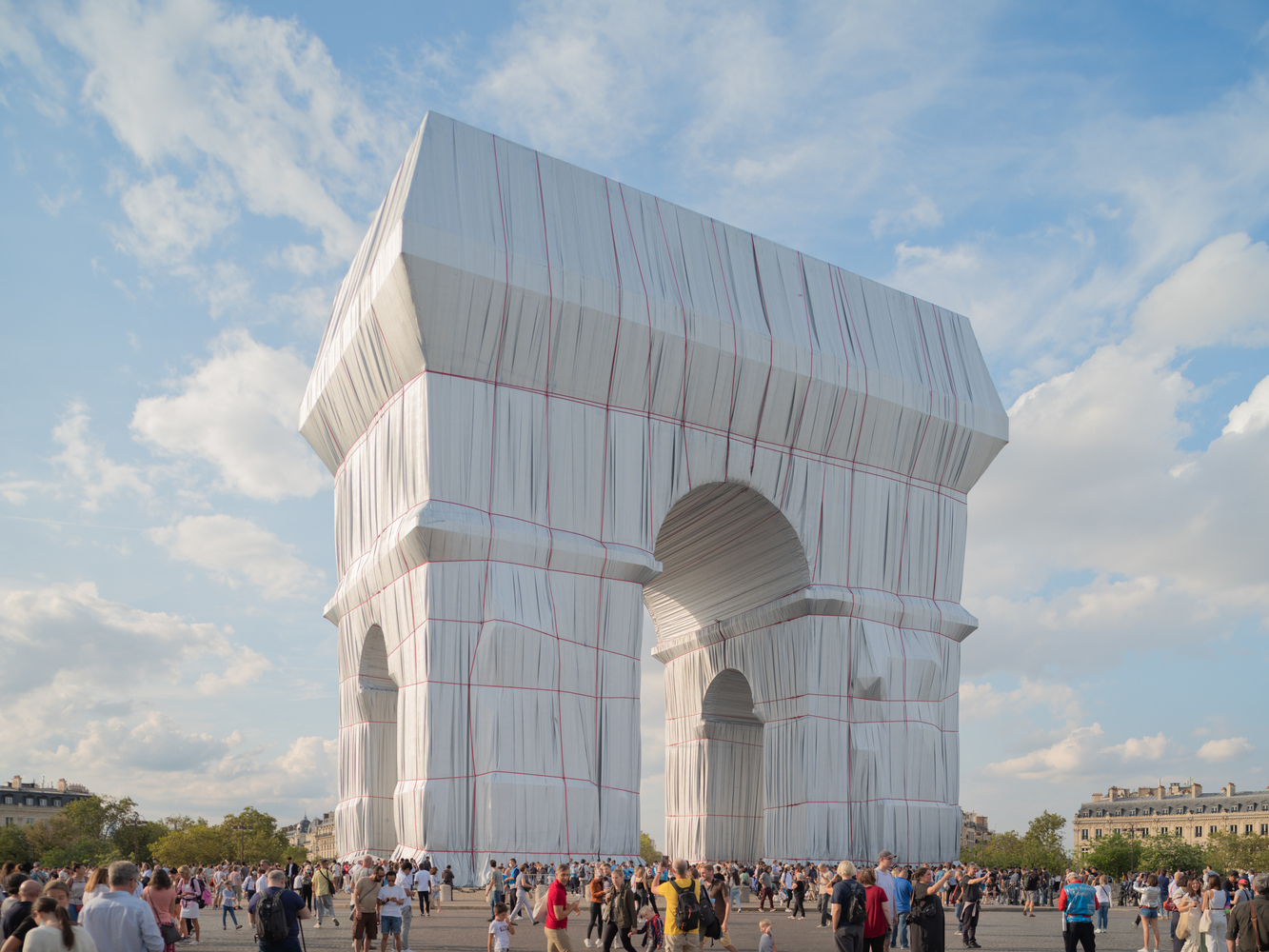
Few artistic practices explored this transformation of surface, softness, and temporality more radically than Christo and Jeanne-Claude. Throughout their work, fabric was never treated as concealment alone, but as a way of re-sensitising perception itself.
Their soft architecture allowed structures to exist momentarily as trembling bodies, animated by wind, light, and movement.
By prioritizing process, ephemerality, and collective experience over fixed monumentality, their work embraces softness, revealing architecture as a vulnerable, living creature (Christo and Jeanne-Claude, 2001).
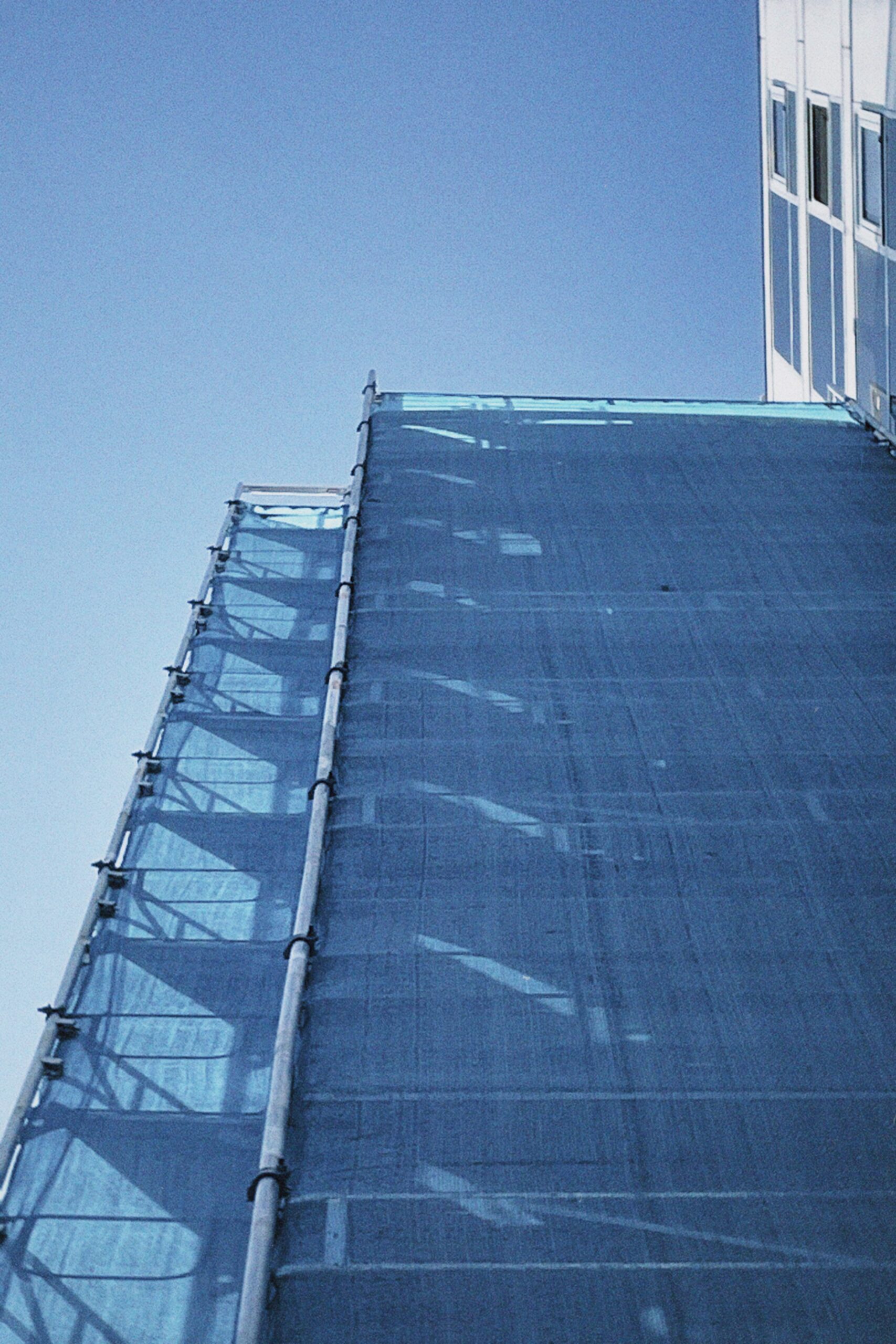
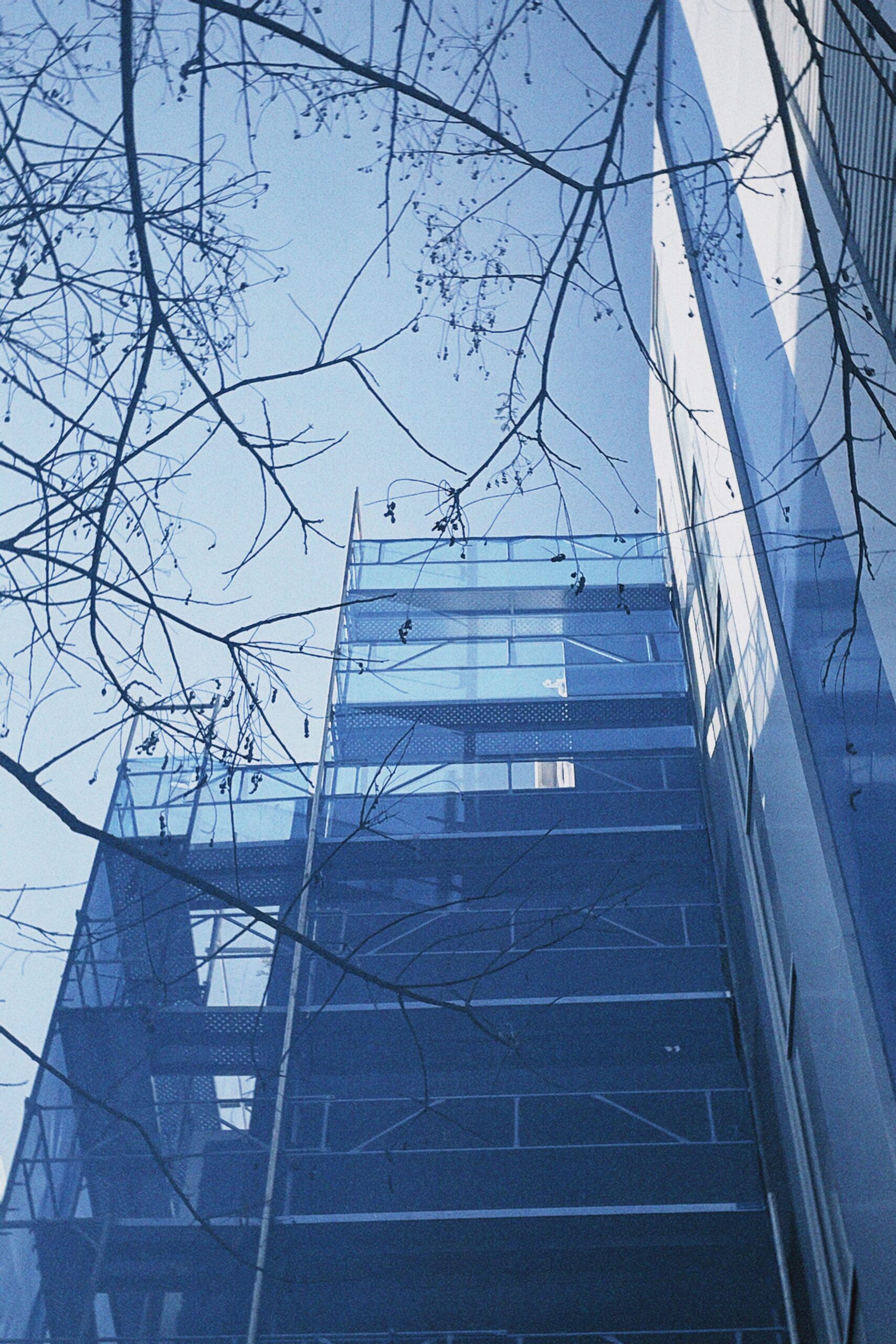
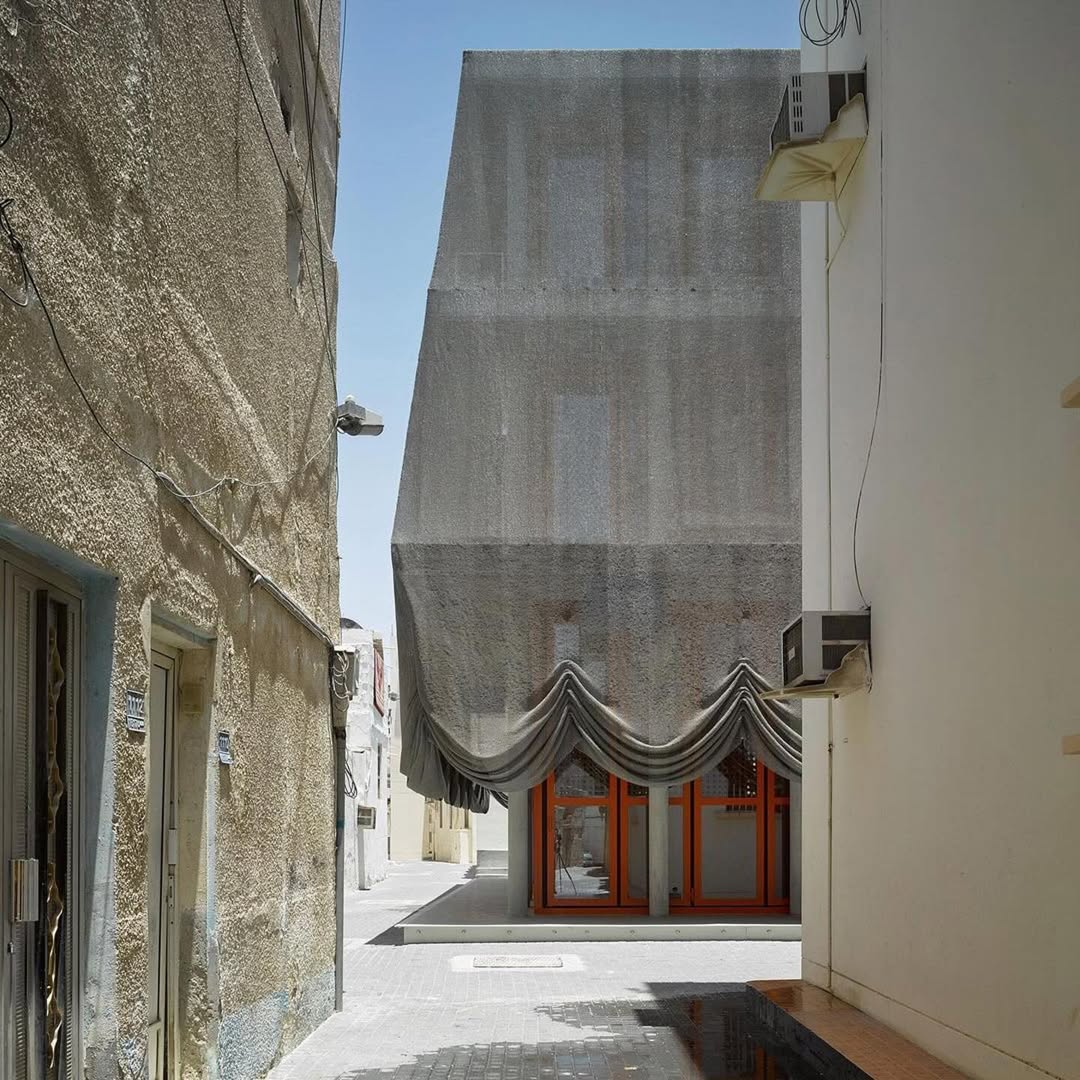
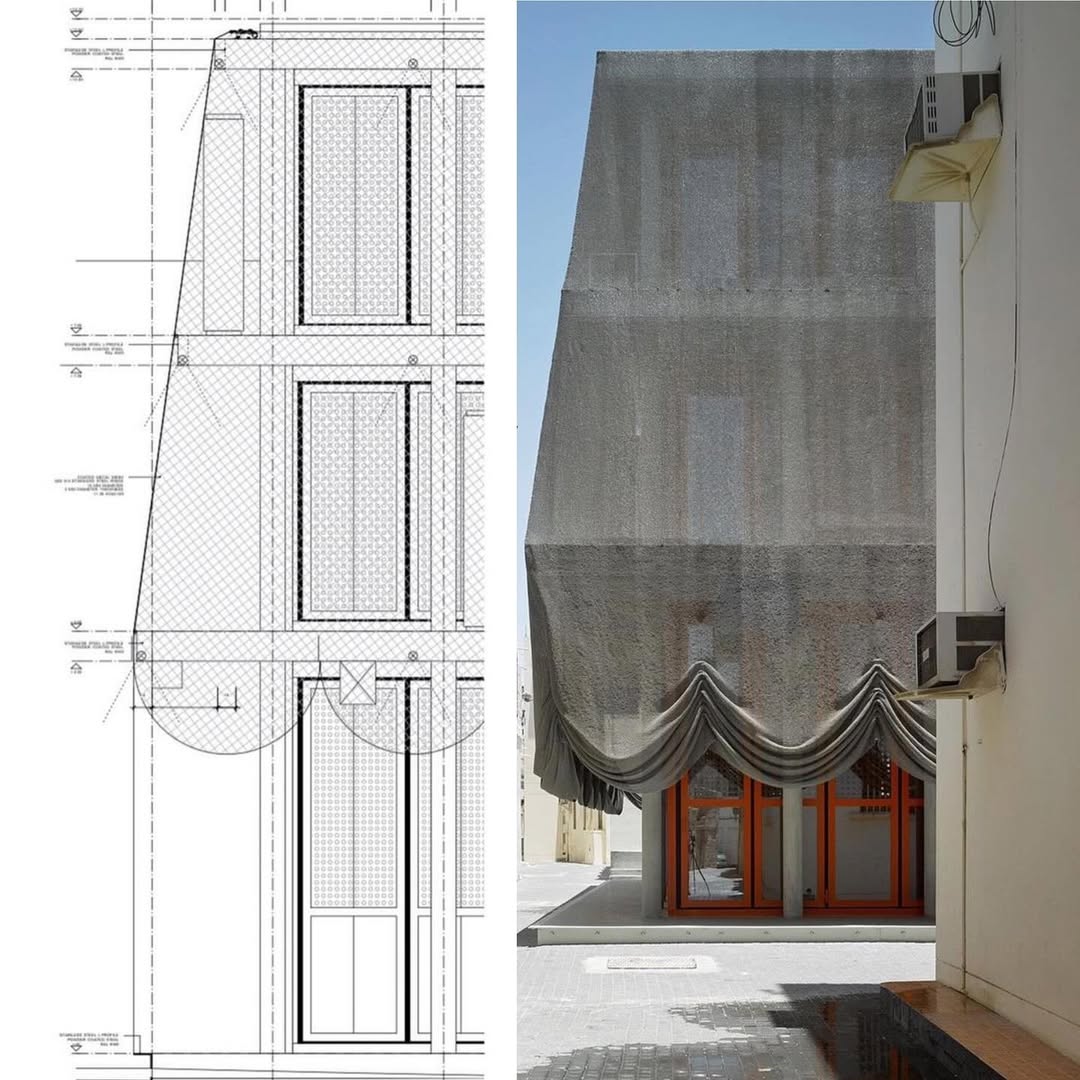
Scaffolding follows a similar logic: a provisional architecture that allows buildings to exist in states of transition. Wrapped in mesh, netting, or translucent sheeting, construction sites acquire a curious softness. They become unfinished bodies—veiled, suspended, transitional.
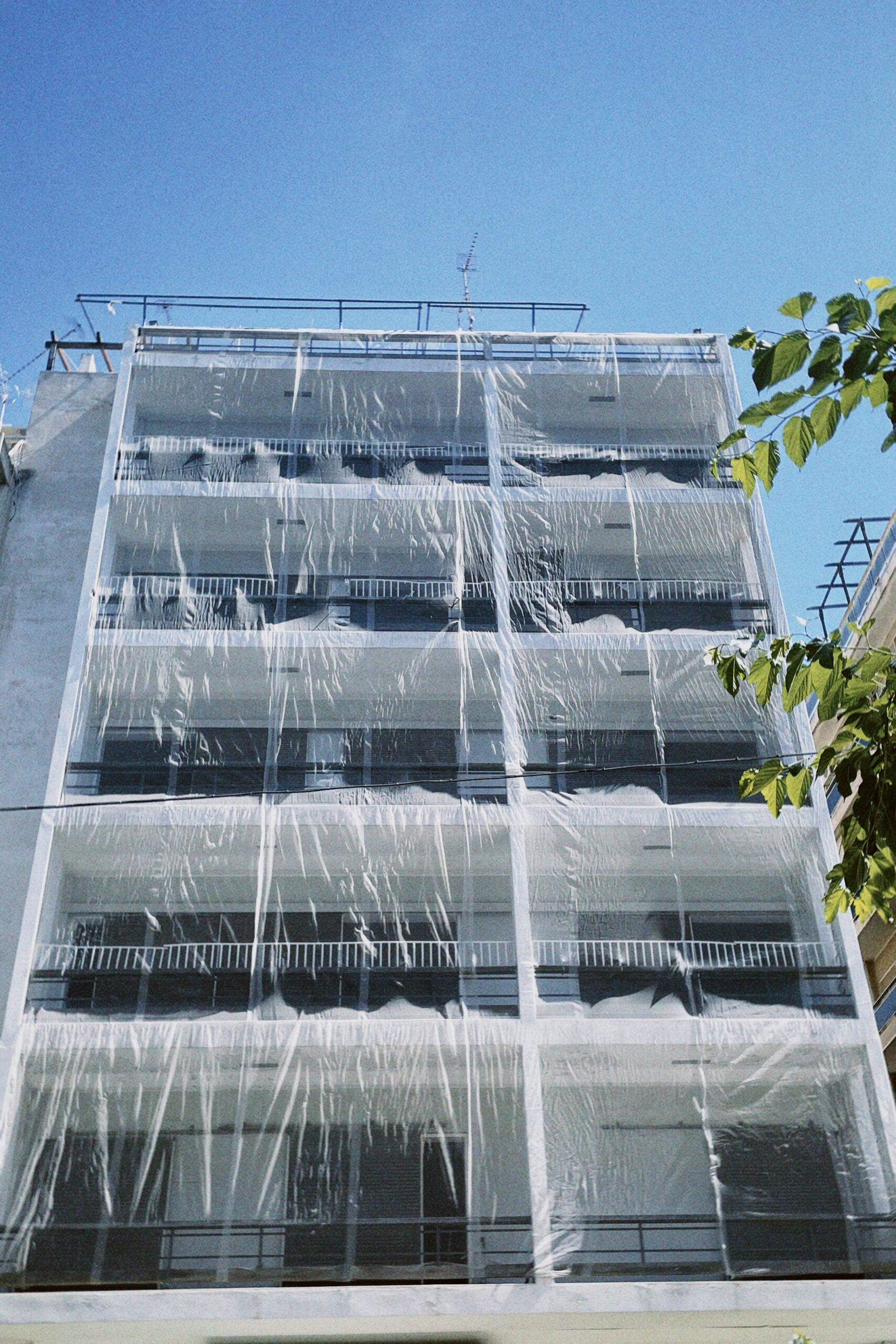
The scaffold functions as a working curtain, exposing architecture as process. These temporary skins often reveal more about architecture than the completed façade itself, because they foreground labour, maintenance, fragility, and time.
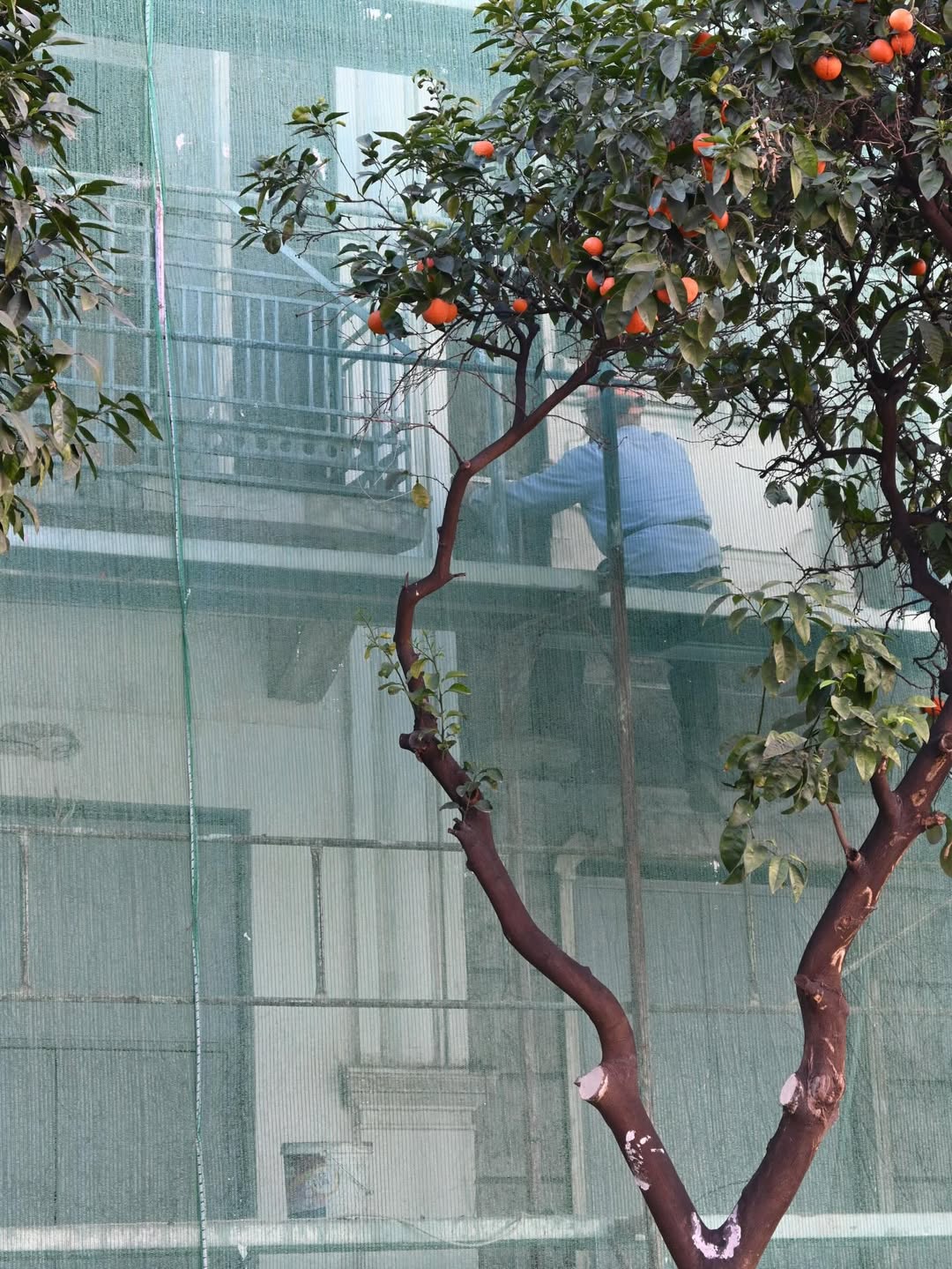
The building breathes differently while under construction; it exists as a cosmos in becoming, and the working curtain renders this condition visible. As John Korn suggests in The Art of Scaffolding (2008), temporary structures generate alternative urban façades that transform the city into a landscape of incompletion, where architecture exists as continuous transition.
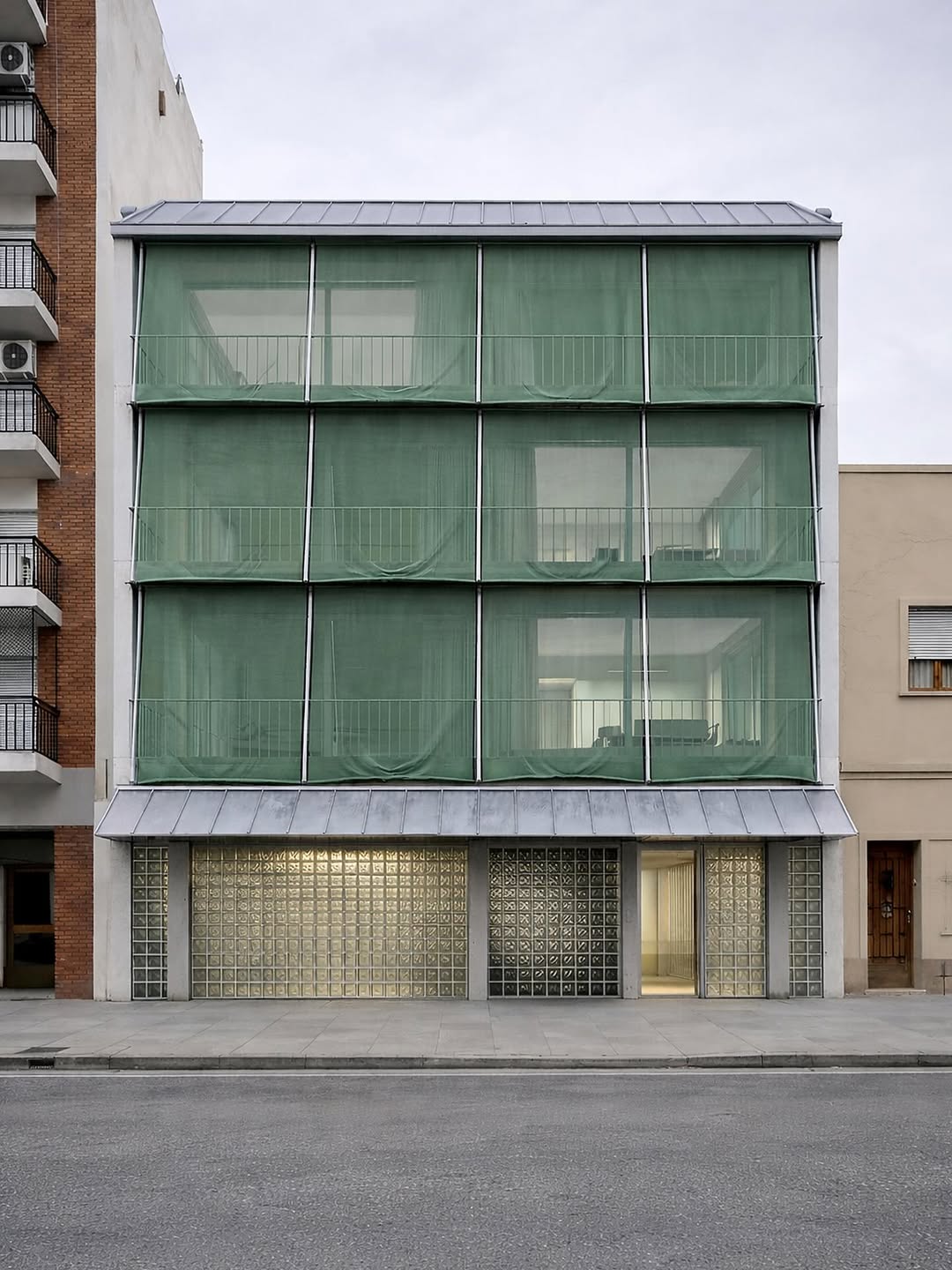
The softness of scaffoldings destabilises the authority of buildings presenting architecture as something perpetually unfinished.
In domestic space, the curtain remains architecture’s most intimate gesture. As Penelope Curtis suggests in Patio and Pavilion: The Place of Sculpture in Modern Architecture (2007), spatial boundaries are never neutral; they choreograph social behaviour. Mediating proximity and separation, the curtain performs precisely this ambiguous role.
Neither mere air nor wall, it constructs spatial relations through the suggestion of softness rather than the certainty of fixed form.
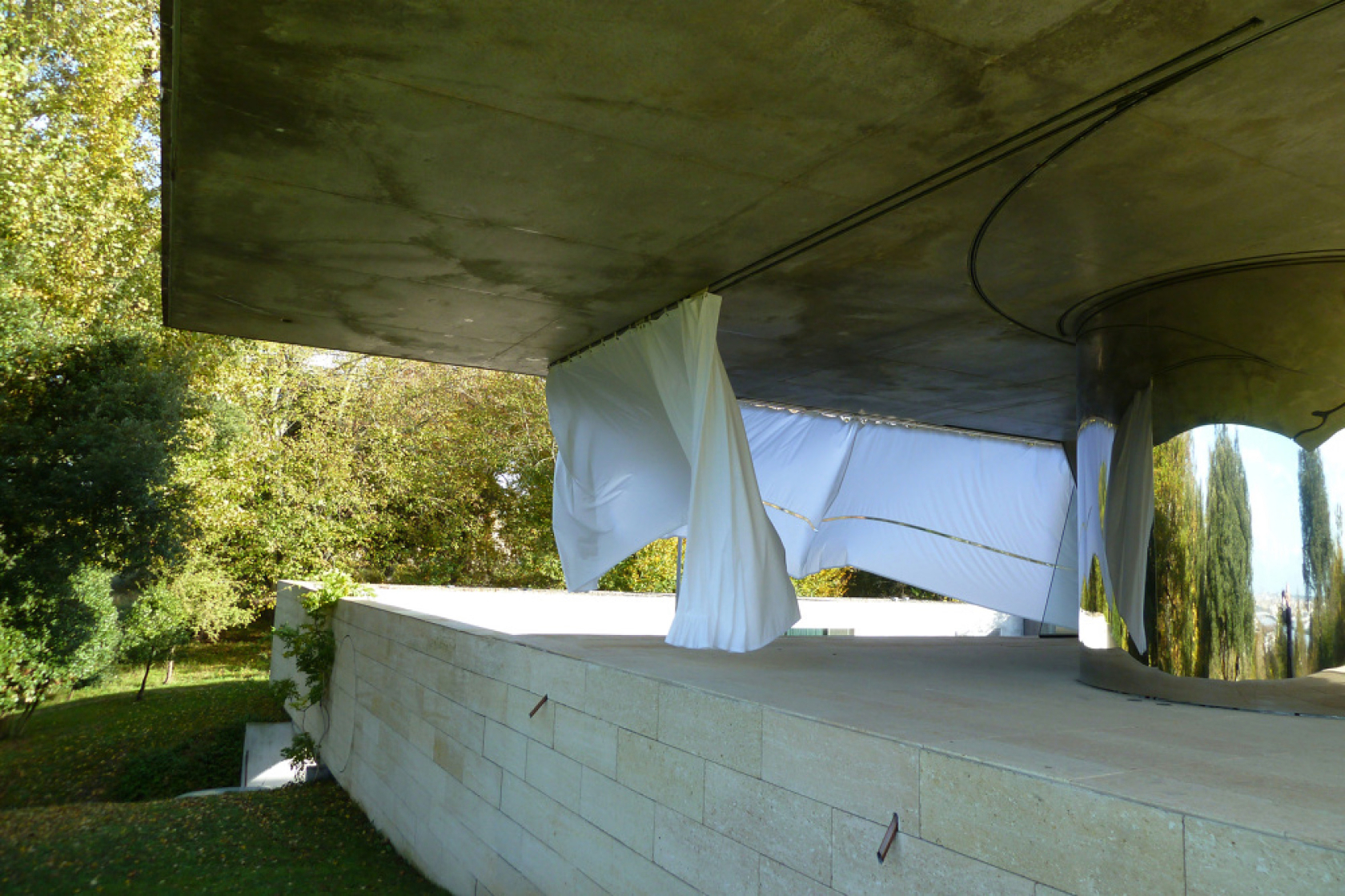
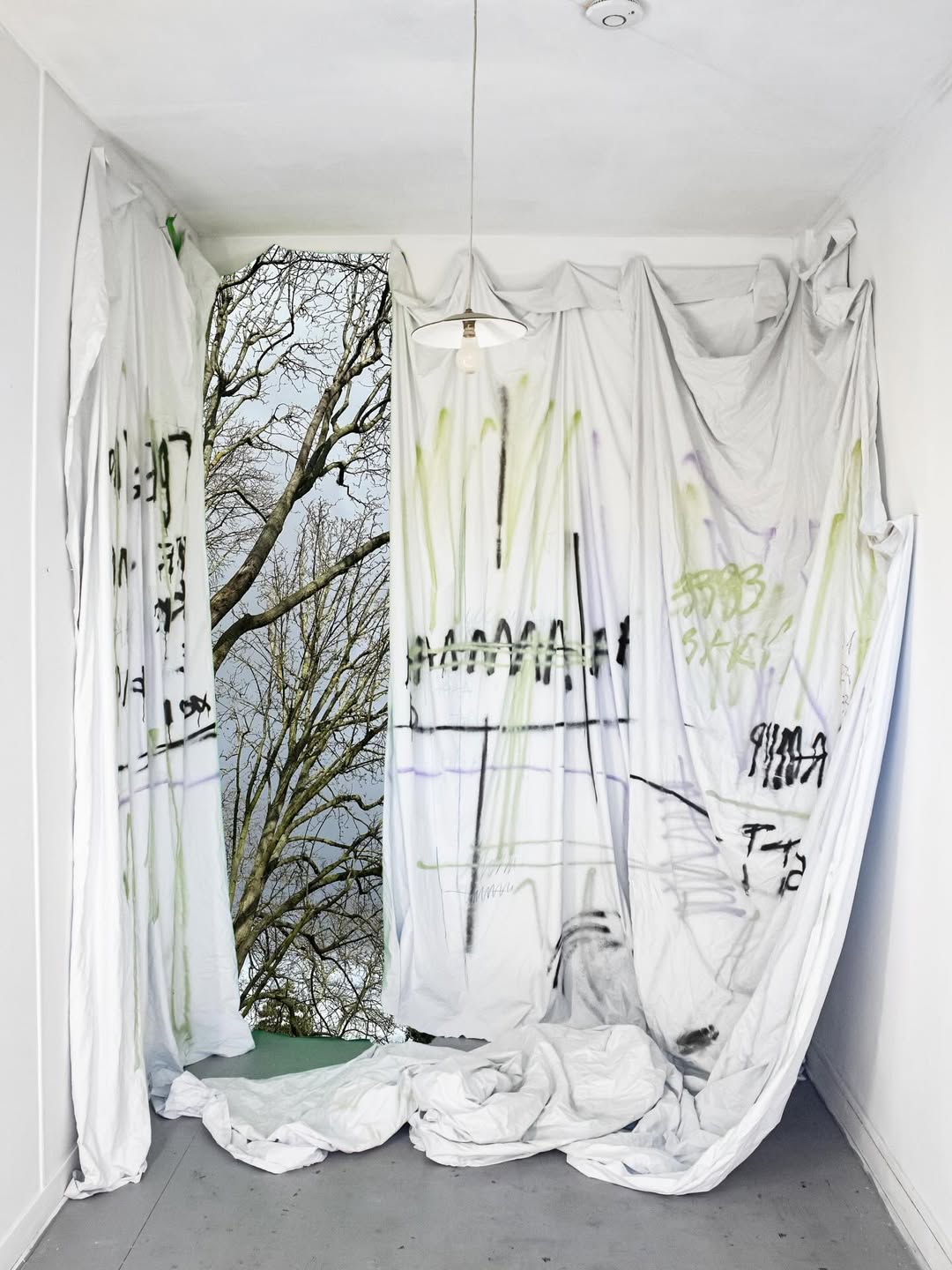
This ambiguity becomes especially potent when applied to home allowing domesticity to remain fluid and emotionally responsive. Softening daylight into atmosphere, transforming exposure into privacy, and shaping rituals of opening and withdrawal that structure everyday life, curtains become instruments of spatial modulation: half-drawn curtains translate hesitation while heavy drapery thickens silence and darkness.
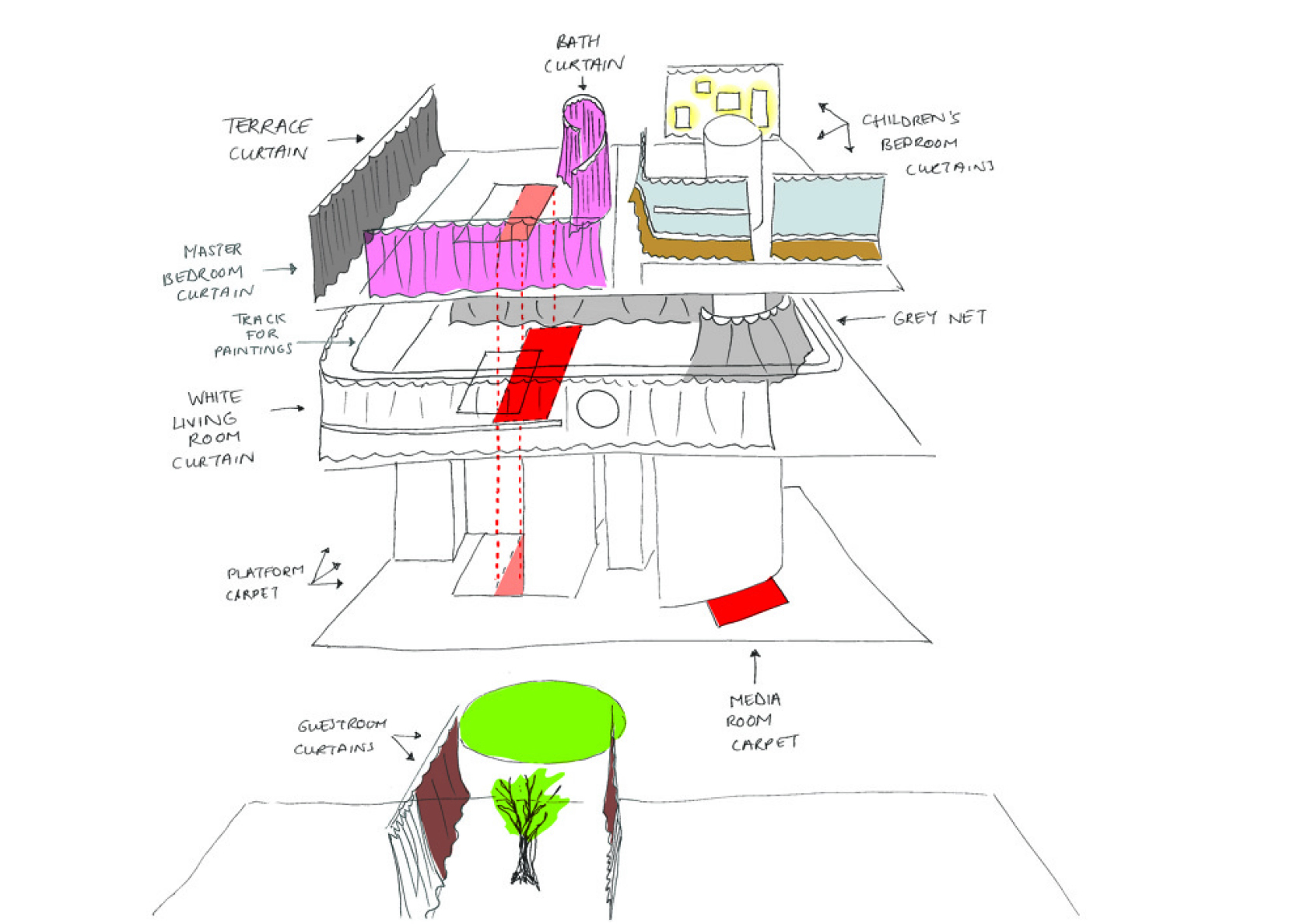
Few buildings embody this condition more literally than Shigeru Ban’s Curtain Wall House (1995) in Tokyo. In this project, the conventional façade is replaced by enormous white curtains suspended across the exterior of the building.
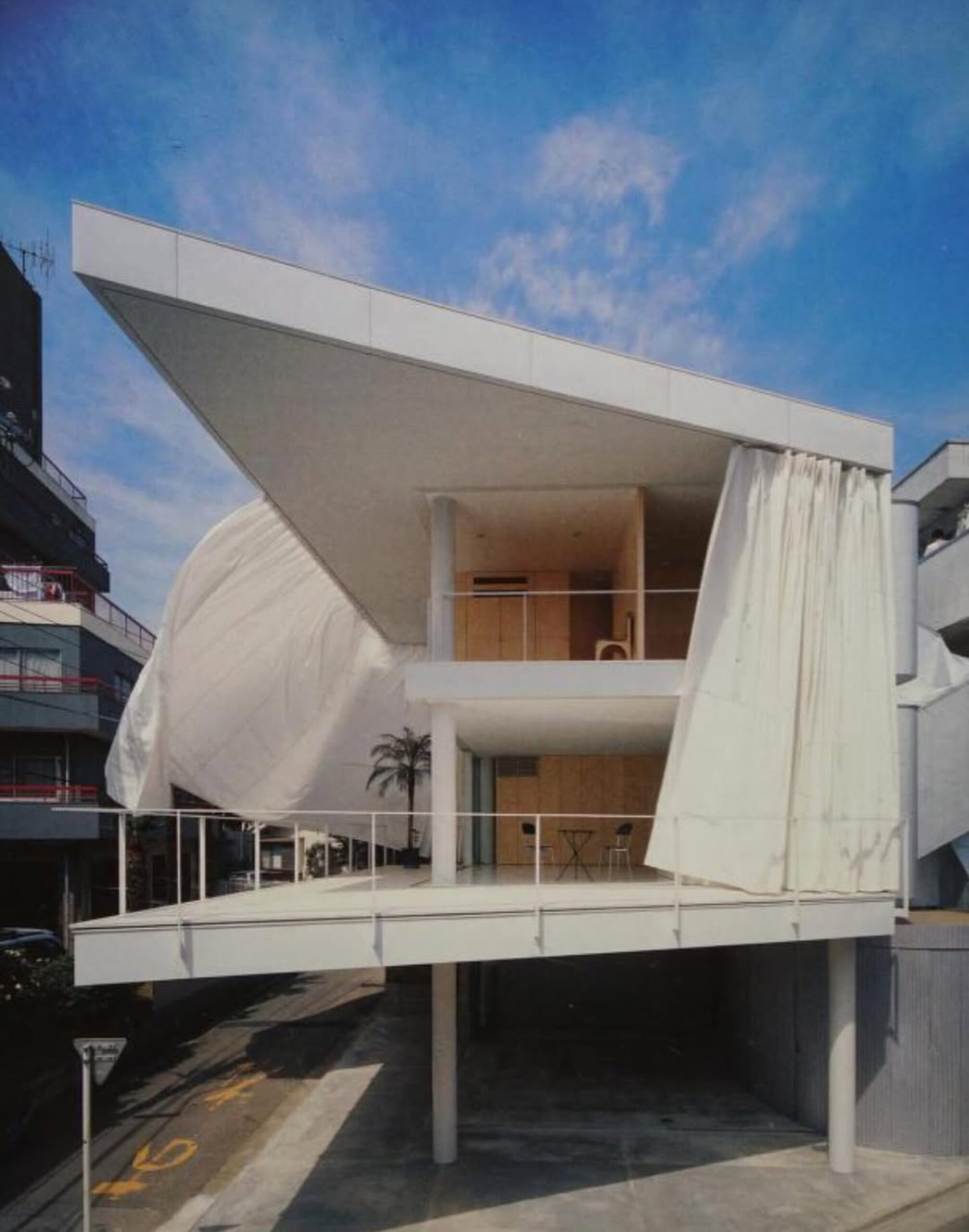
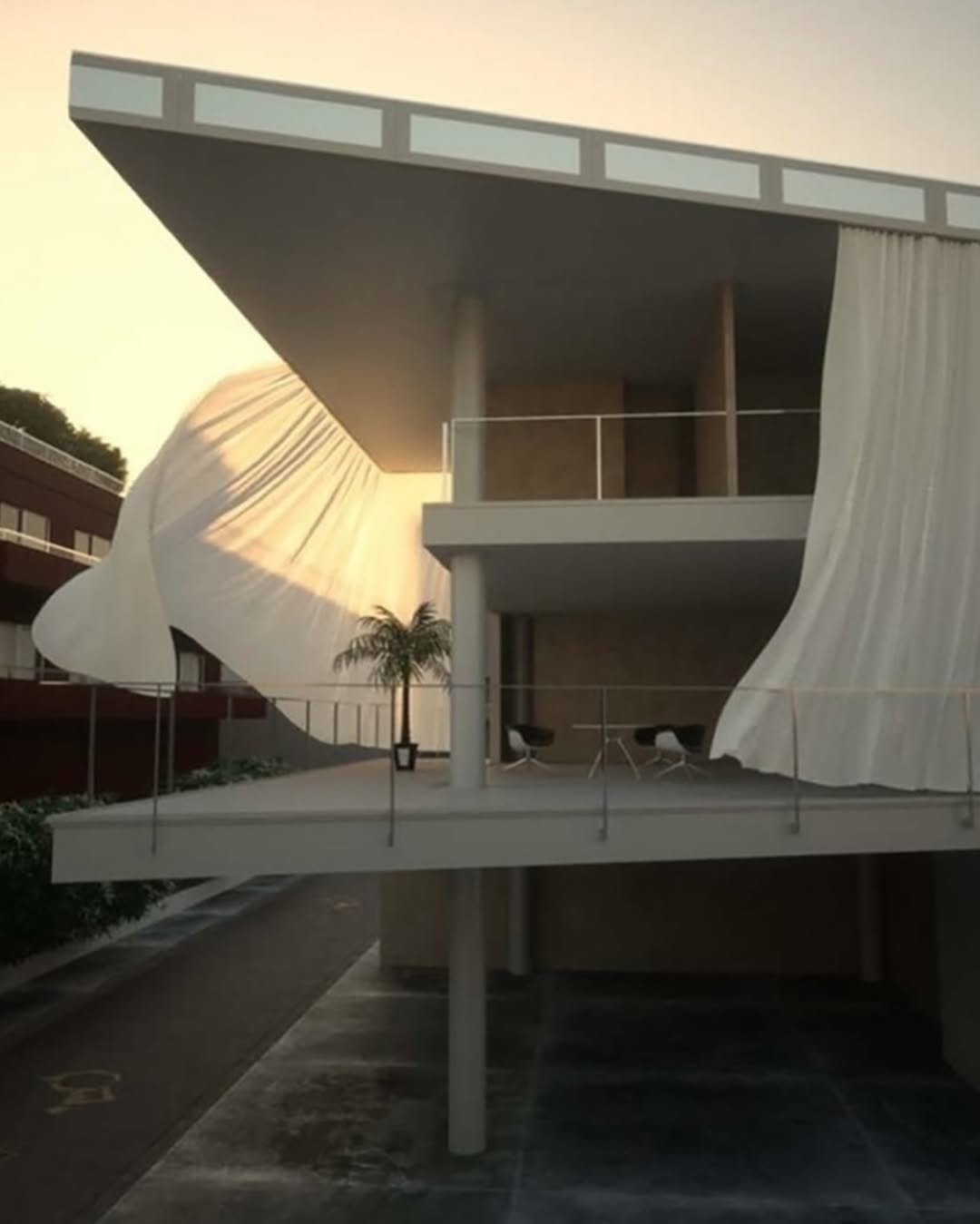
Rather than separating inside from outside through fixed enclosure, Ban creates an architecture that remains perpetually adjustable.
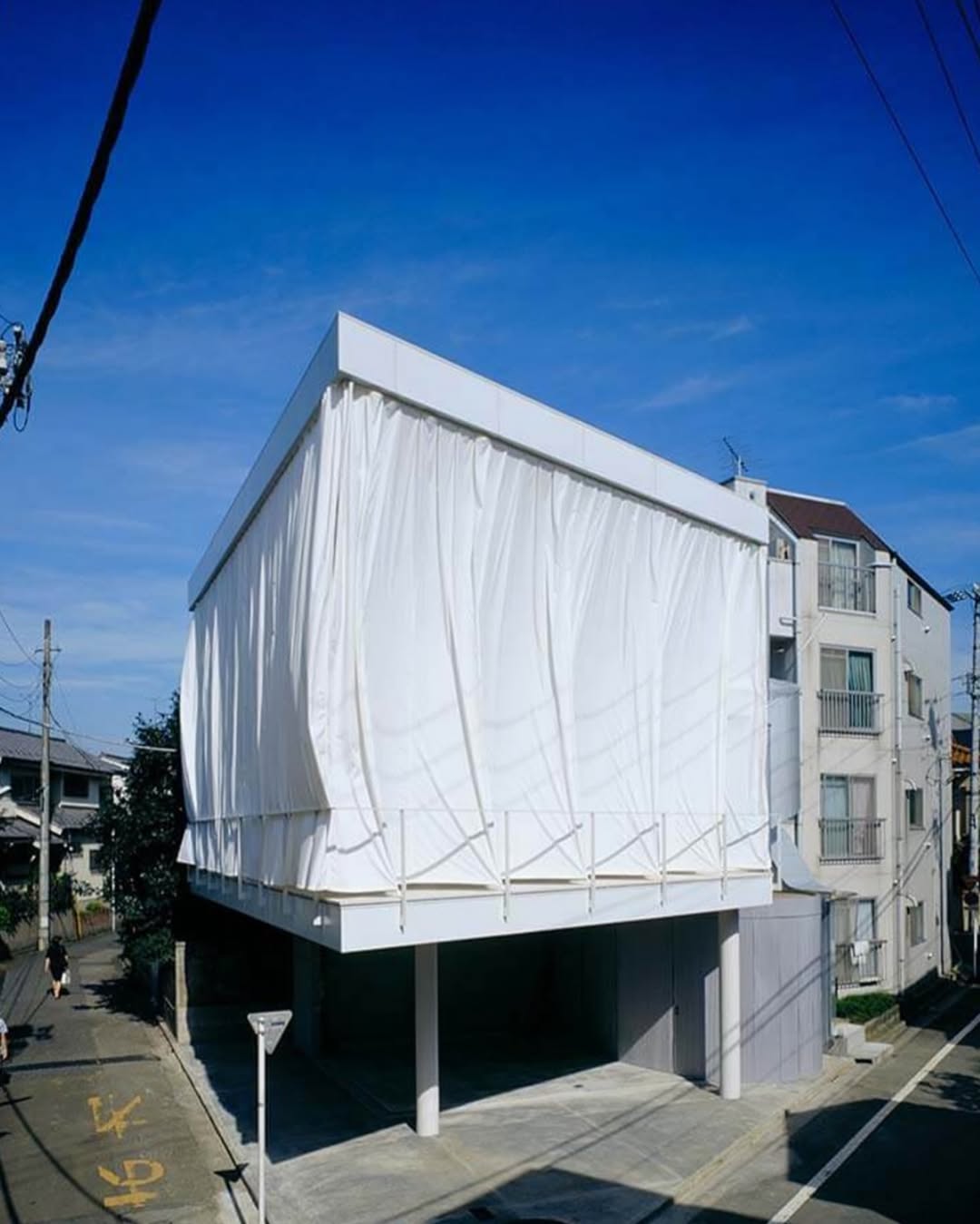
The domestic boundary becomes performative rather than rigidly tectonic.
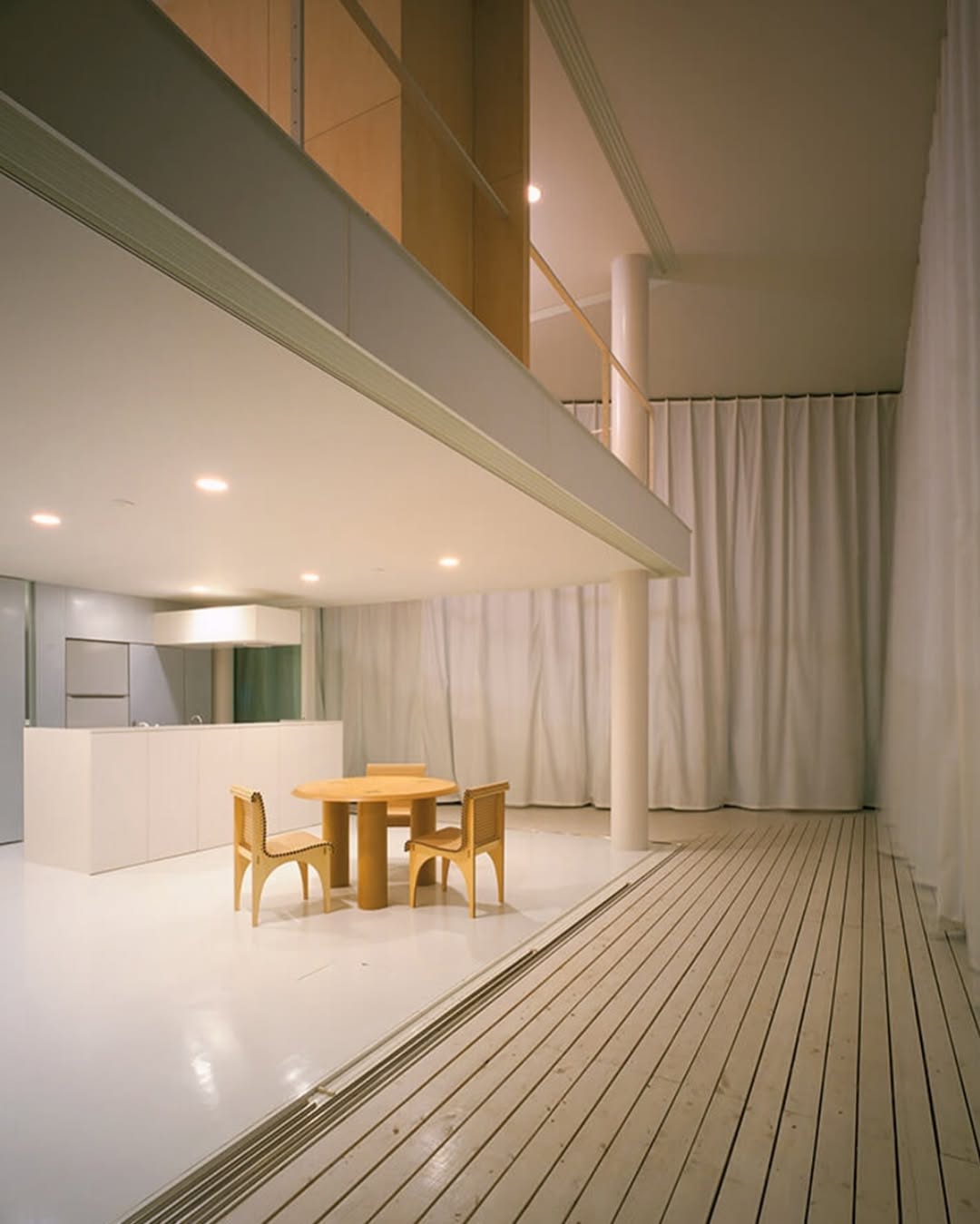
The house opens and closes through movement, allowing the inhabitants to continuously recalibrate their relationship with the city, light, weather, and visibility. By rejecting the notion of architecture as a static object, the Curtain Wall House exemplifies Shigeru Ban’s practice through impermanence, lightness, and spatial adaptability, treating wind and climate as spatial materials. The house does not simply contain life; it performs it. Through softness, Ban challenges the authority of the conventional wall and proposes a more adaptive architecture rooted in openness and change.
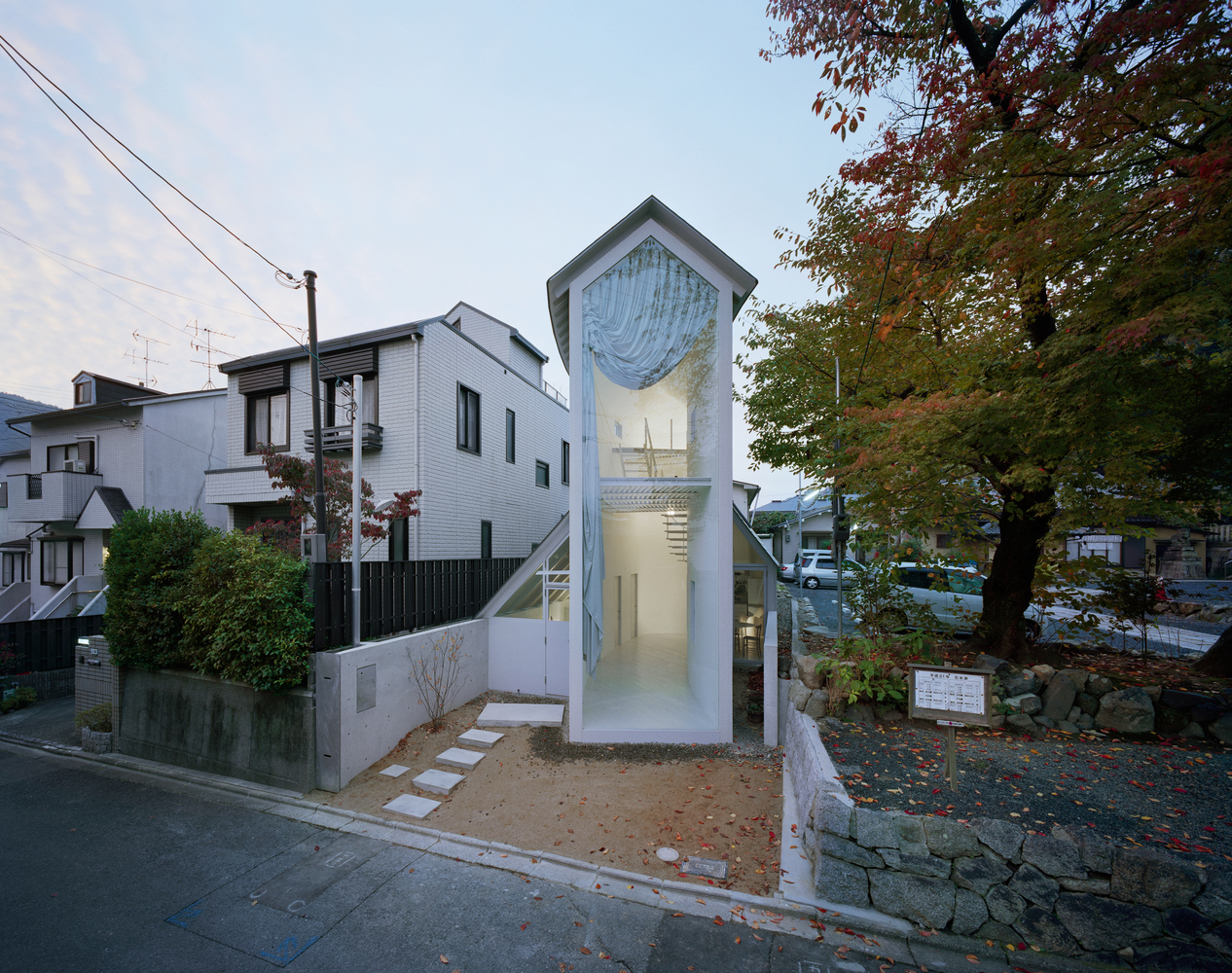
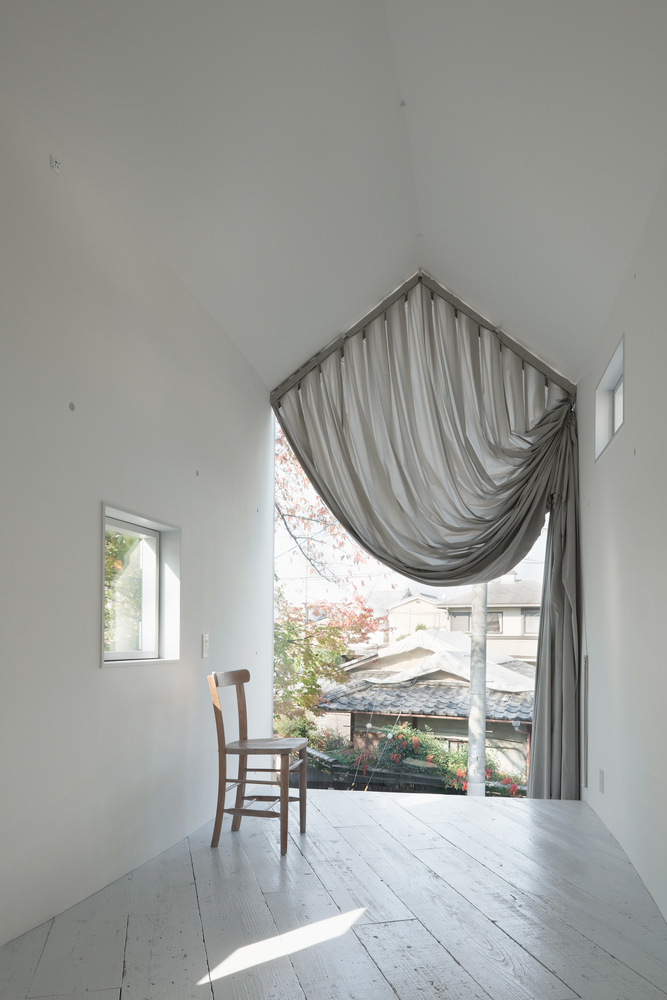
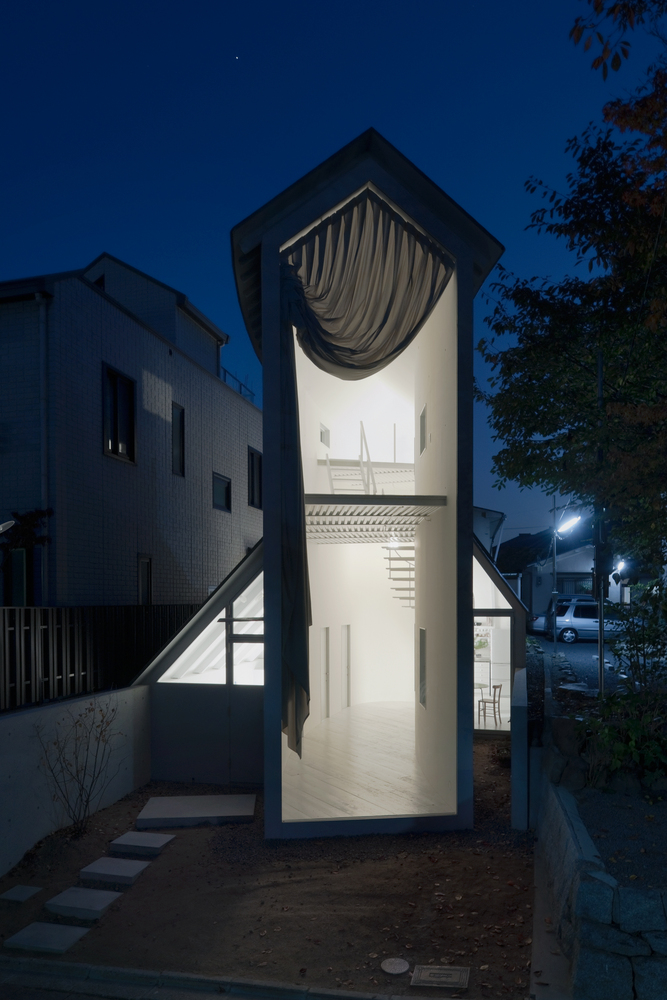
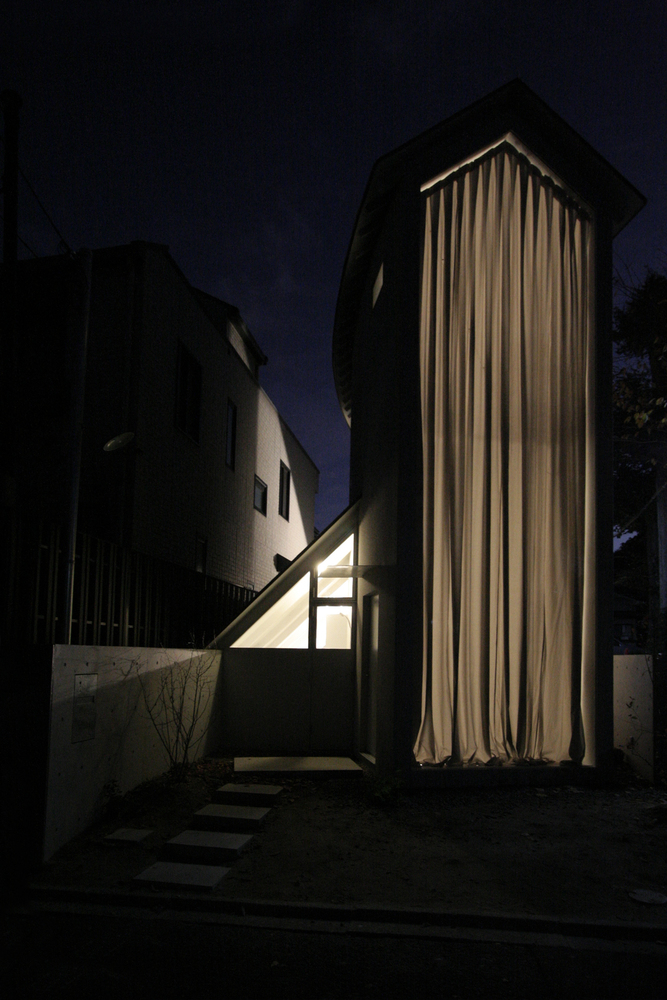
The curtain therefore occupies a peculiar architectural territory: neither fully inside nor outside, neither solid nor absent. It exists between visibility and concealment, permanence and disappearance. Its softness allows architecture to become emotionally resonant, climatically responsive, and temporally aware.
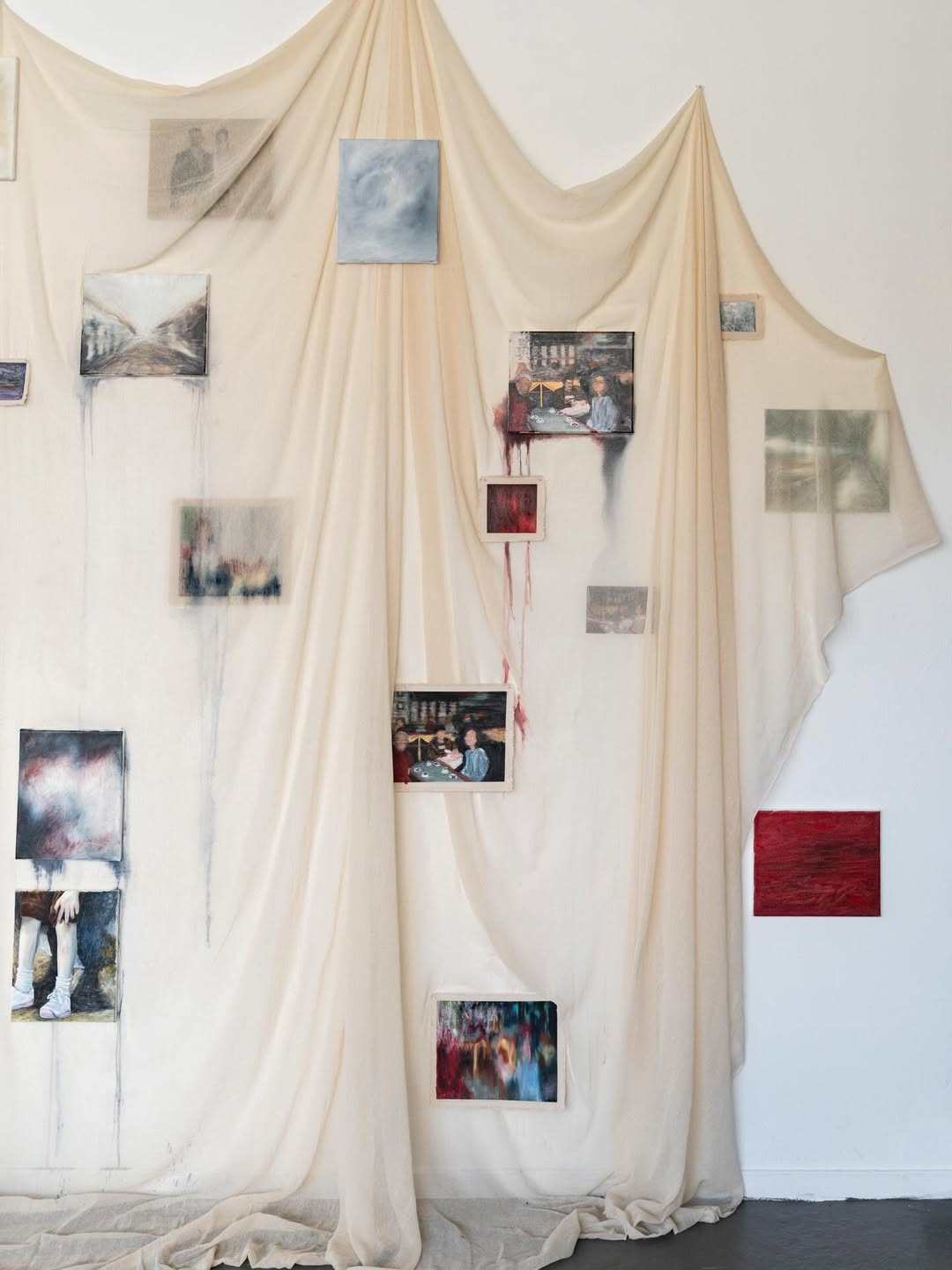
Marc Pricop.
In a discipline historically obsessed with endurance and monumentality, the curtain reminds us that architecture also lives through fragility, atmosphere, and transformation.
Perhaps this is why the curtain continues to endure architecturally—not despite its softness, but because of it. It reveals that architecture is not only constructed through structure and material, but through gesture, perception, and movement.

The curtain is architecture at its most intimate: a membrane through which space breathes.
References
Christo and Jeanne-Claude (2001) Christo and Jeanne-Claude: Early Works 1958–69. Cologne: Taschen.
Curtis, P. (2007) Patio and Pavilion: The Place of Sculpture in Modern Architecture. Los Angeles: Getty Research Institute.
Korn, J. (2008) The Art of Scaffolding. Kempen: teNeues.
Semper, G. (1860) Der Stil in den technischen und tektonischen Künsten. Munich: Friedrich Bruckmann.
Thomsen, M.R. and Pišteková, D. (2019) ‘Wall Curtain: On the Idea of the Soft within the Digital and Fabrication Realms’, in Proceedings of Textile Intersections 2019. London: Loughborough University.