Architecture as a Performative Practice: The Banquet
Architecture Depends (2009)—on what? British architect and critic Jeremy Till’s answer is: on people, time, politics, ethics, and mess—the real world. Mixing anecdote, design, social theory, and personal experience, Till argues that architecture cannot be understood as an autonomous discipline defined solely by the production of buildings, but rather as a contingent practice defined by the production of space as experience and embedded within temporal processes. Within this shift, space is understood not merely as a physical enclosure but as a field of dynamic assemblages composed of bodies, voices, movements, and narratives. Architecture beyond the building thus becomes a performative practice—an act that produces spatiality through gestures, uses, arrangements, discourses, and social relations, working through storytelling and participation. In this sense, architecture emerges as the orchestration of relationships, situations, and lived experiences, embracing the uncertainty and dependency that, according to Till (2009), fundamentally define architectural practice.
A table is never merely a table; it is, above all, an invitation—an object inherently designed for sharing.
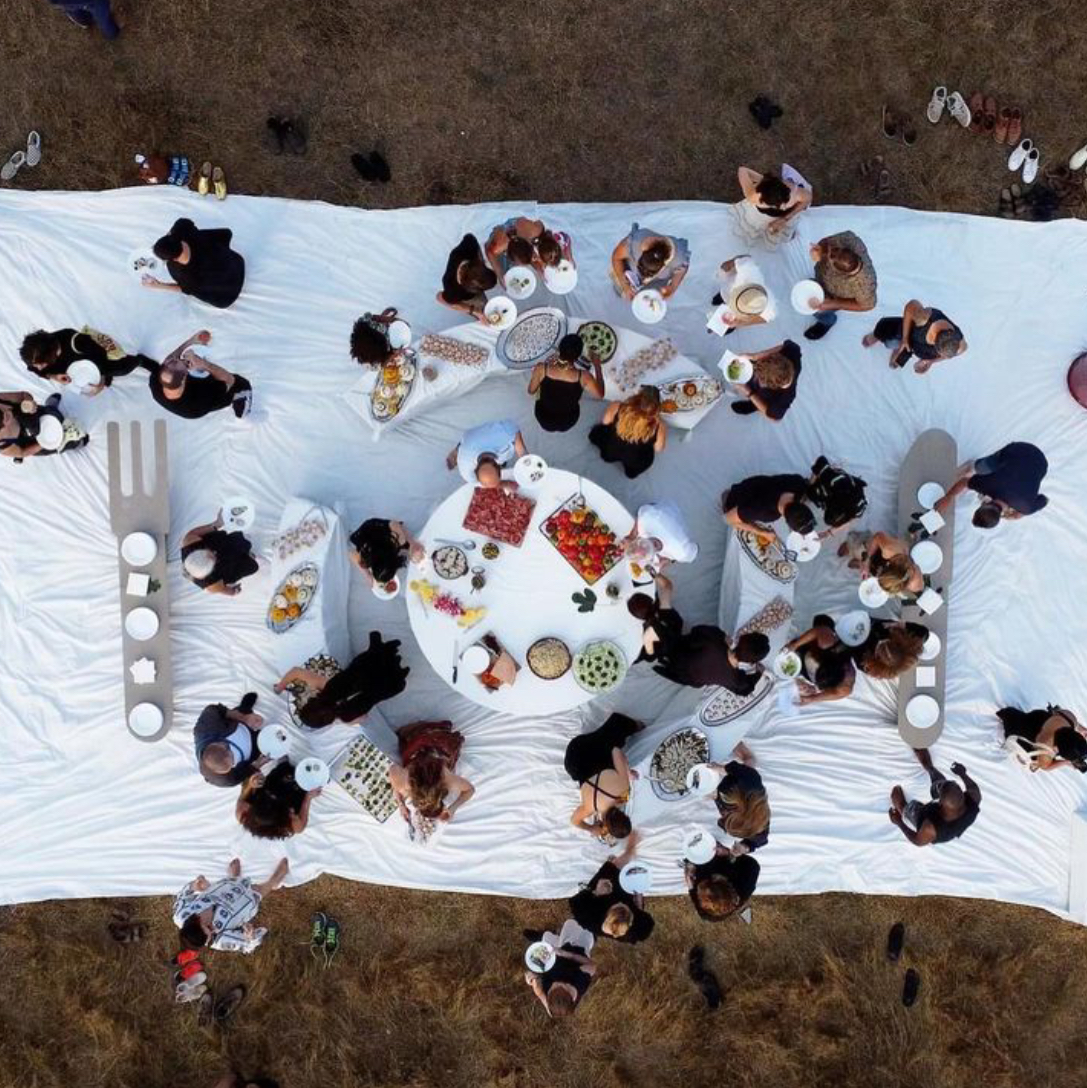
Hosting both planned gatherings and impromptu assemblies, the table mediates between space, objects, and people, enabling the architecture of banquet — not of enclosures, but of relations, exchange, and commons. Functioning as a social catalyst for exchange, the table becomes a spatial threshold through which intimacy, negotiation, ritual, and hospitality are continuously rehearsed.
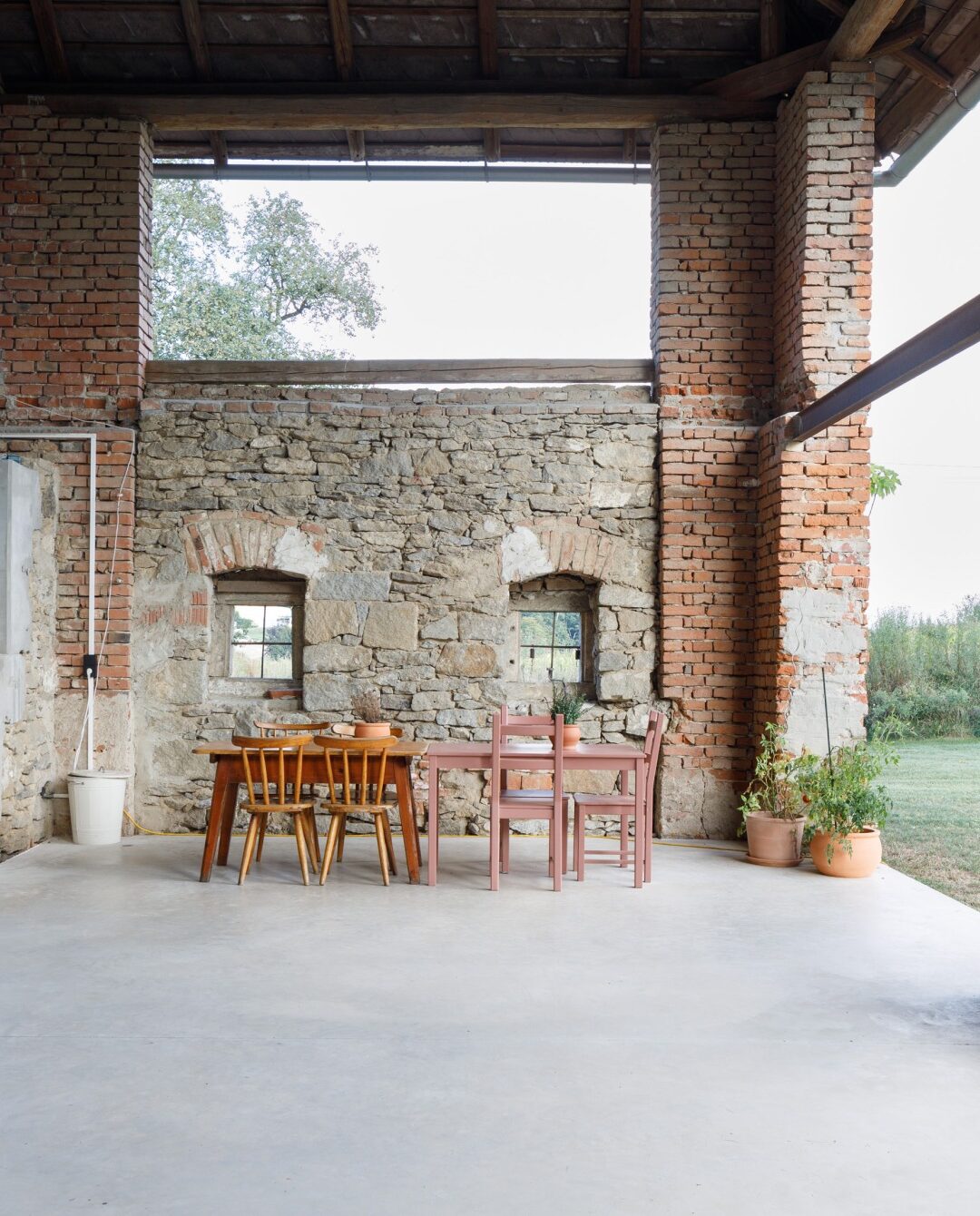
But where does a table belong? In a living room, a kitchen, a meadow, or a field? Is it a domestic object or a public being?
With the table—or even with its mere representation through a tablecloth spread across a rock or a street—a space is (re)given meaning, becoming a place. Unlike architecture understood as permanence or monument, the banquet is temporary.

Set within mundane or unexpected settings, the architecture of banquet immediately suggests occupation and encounter, transforming circulation into gathering while actively generating a new sense of place.
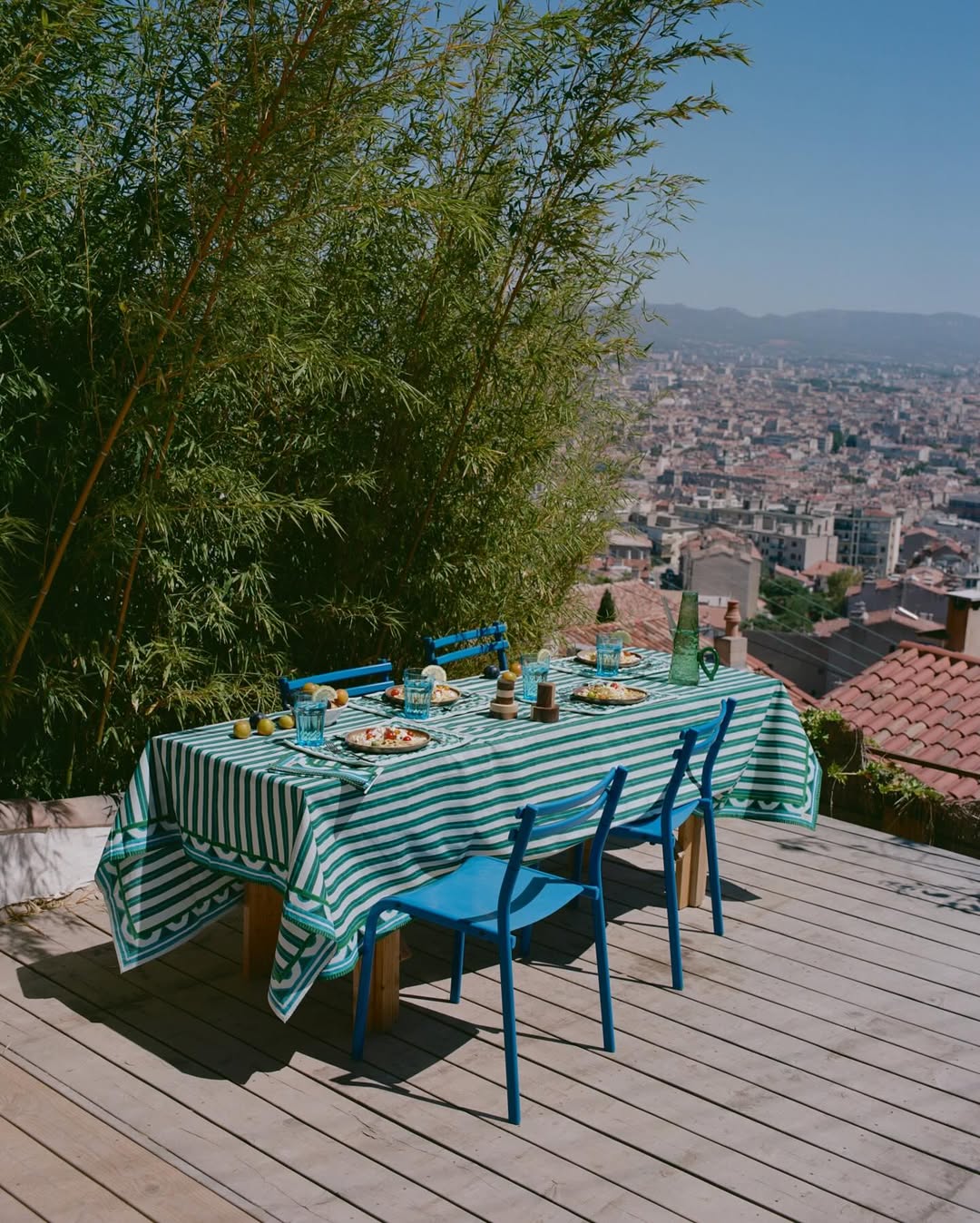
By rethinking the idea of the table, the places in which it exists, and the actions performed around it, the architecture of banquet reframes its presence as a familiar—or even banal—object, revealing the extraordinary potential embedded within the ordinary.
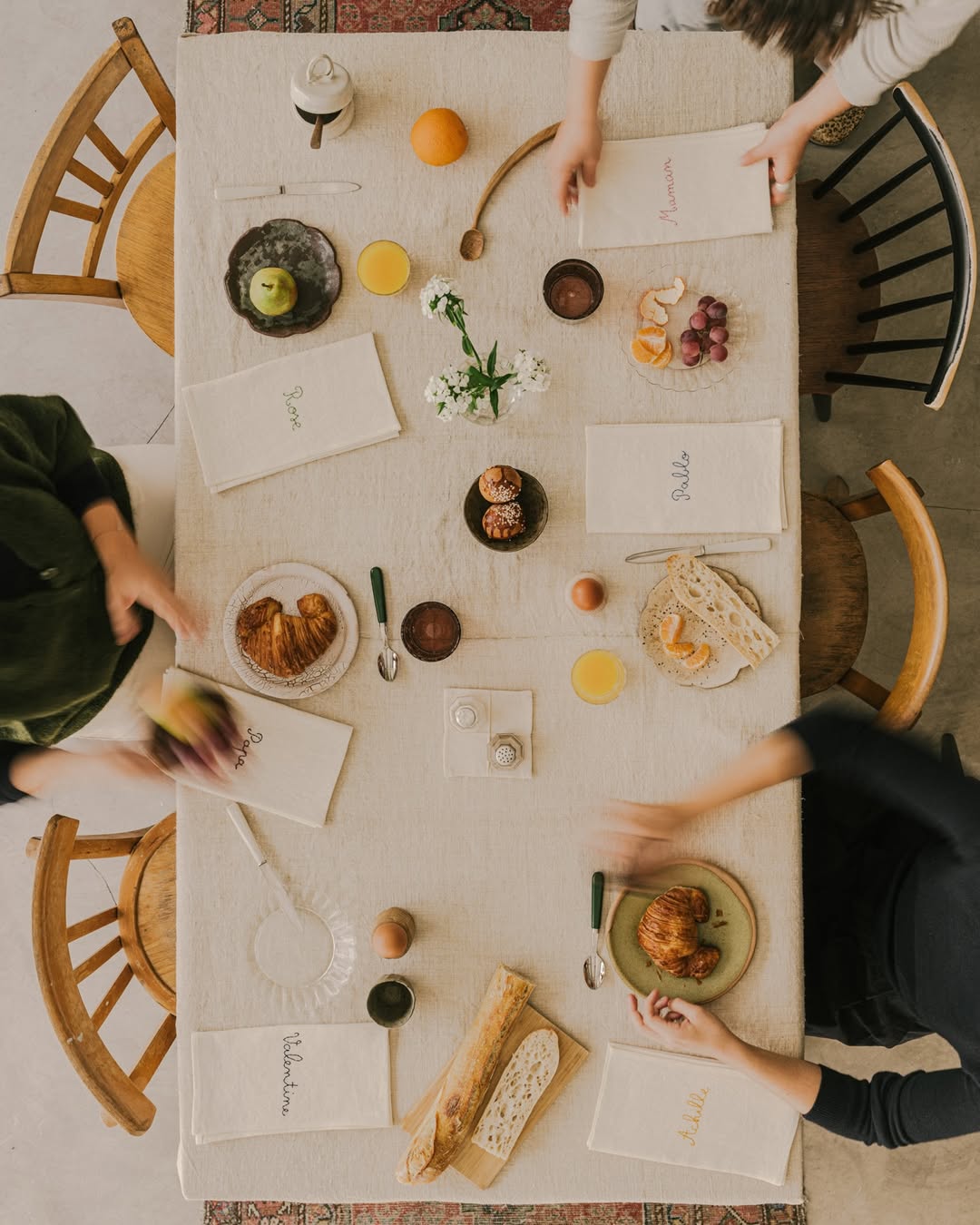
Maxime Verret.
Along the thin line where the solitary becomes common and the public turns intimate, the table produces temporary forms of togetherness.
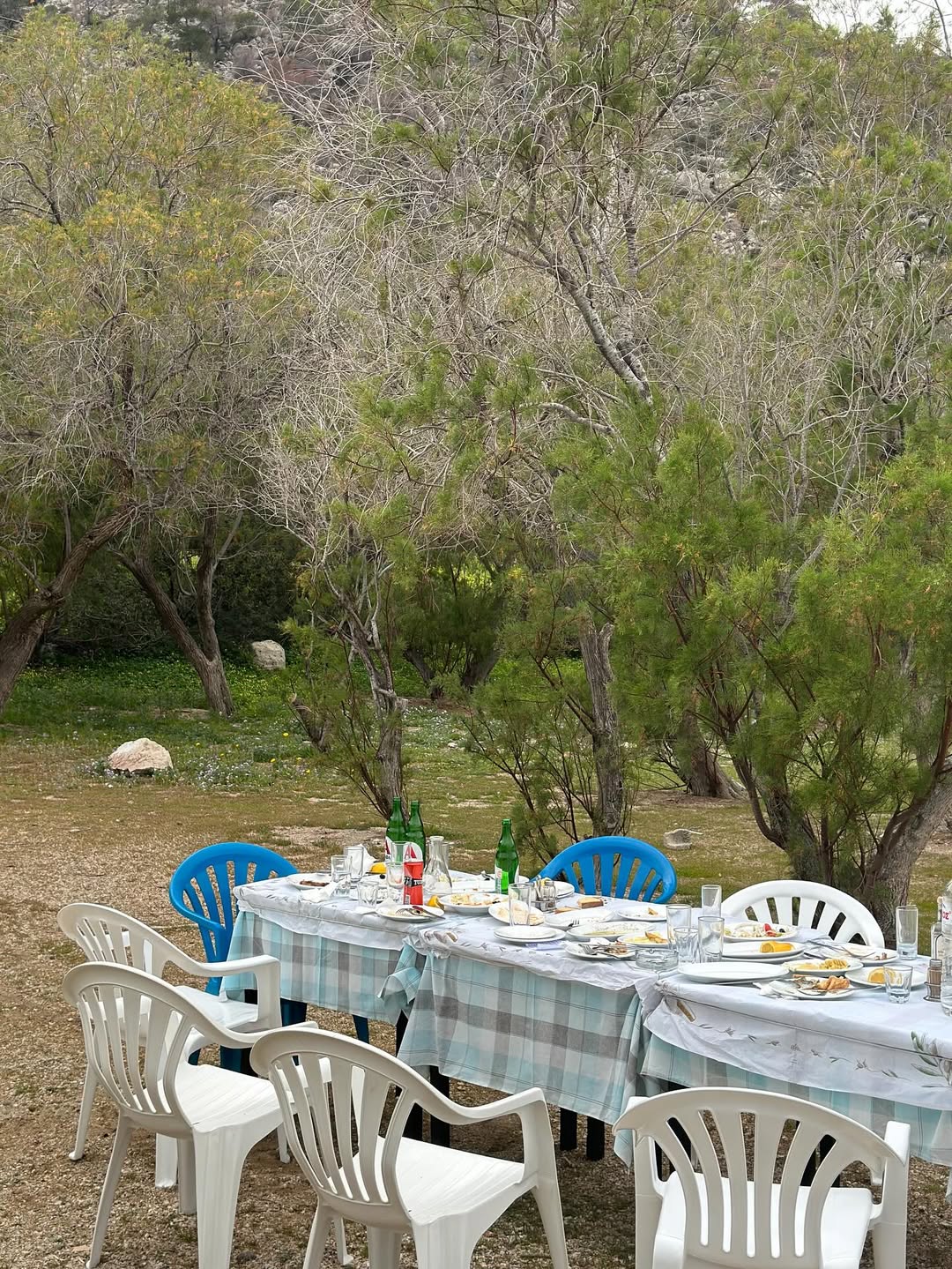
K A T E L O U G H.
Domesticity escapes the enclosure of housing, carrying its rituals, gestures, and cultural representations outdoors. The banquet dissolves the threshold between interior and exterior, transforming courtyards, pavements, gardens, and even seascapes into domestic scenes.
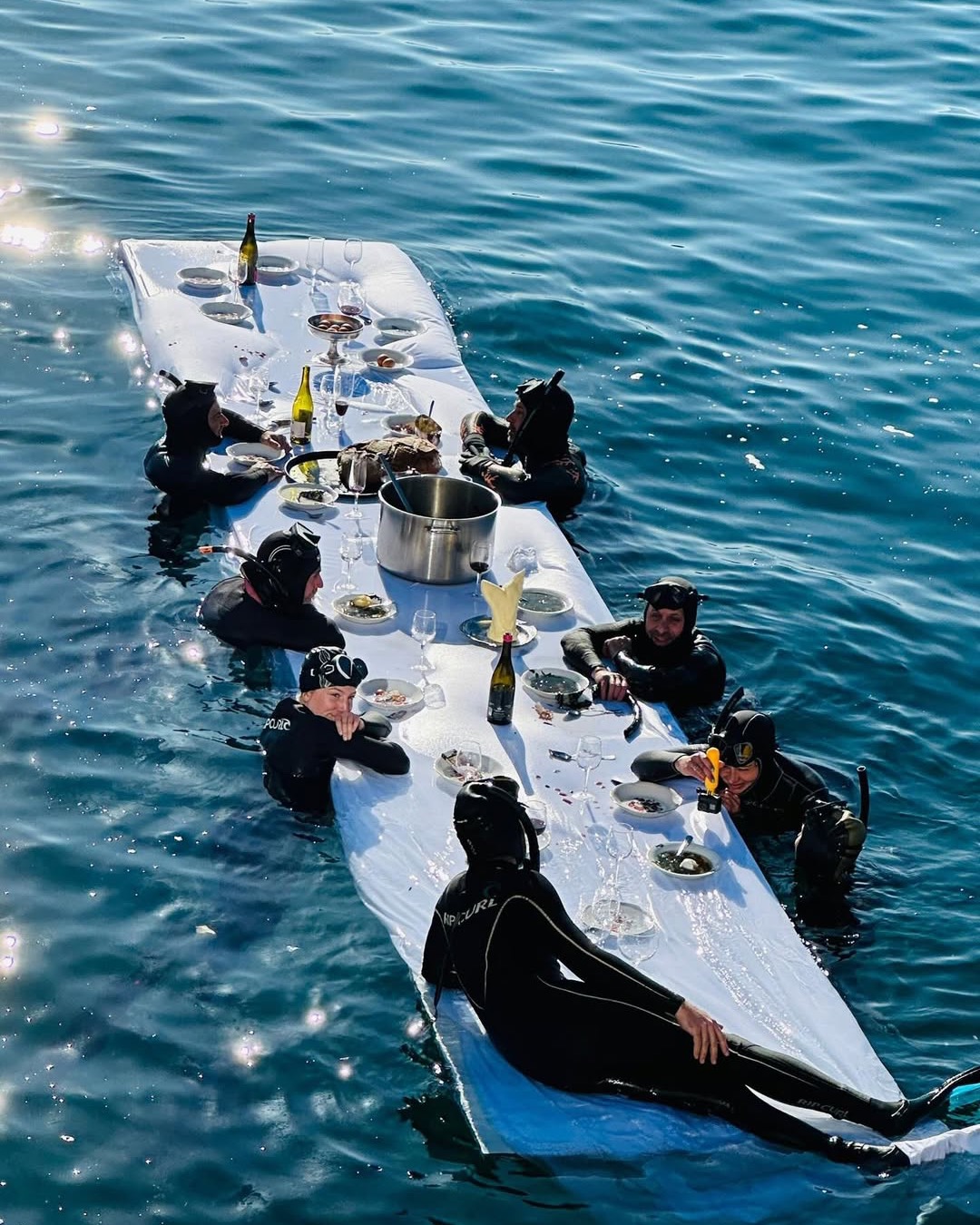
The history of domesticity is inseparable from the history of the table, yet the object consistently exceeds the limits of the house. The banquet brings the rhythms of dwelling into public sphere as a form of common life, a silent instrument through which social relations are staged. The table calibrates proximity and distance, deciding who faces whom, who sits beside whom, who remains at the margins.
The table is therefore not merely placed within architecture; it produces architecture through encounter.
Hannah Arendt, in The Human Condition (1958), famously described the table as that which simultaneously “relates and separates” those gathered around it, framing the banquet as a spatial manifestation of temporary commons structured through reciprocity and collective presence. For Arendt, the table becomes a metaphor for the shared world itself: a condition that simultaneously connects individuals while preserving the distance necessary for plurality to exist.
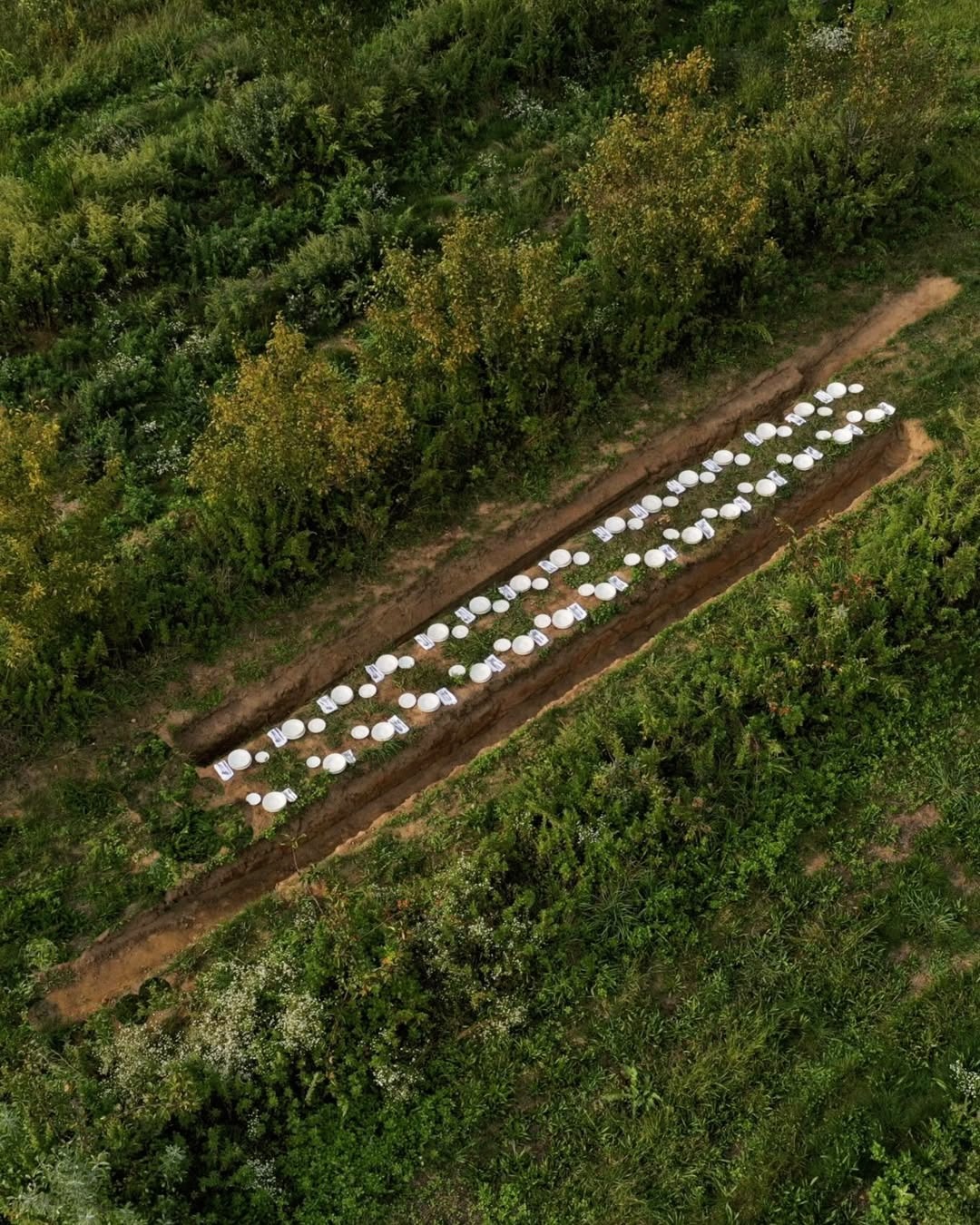
Claire Esparros.
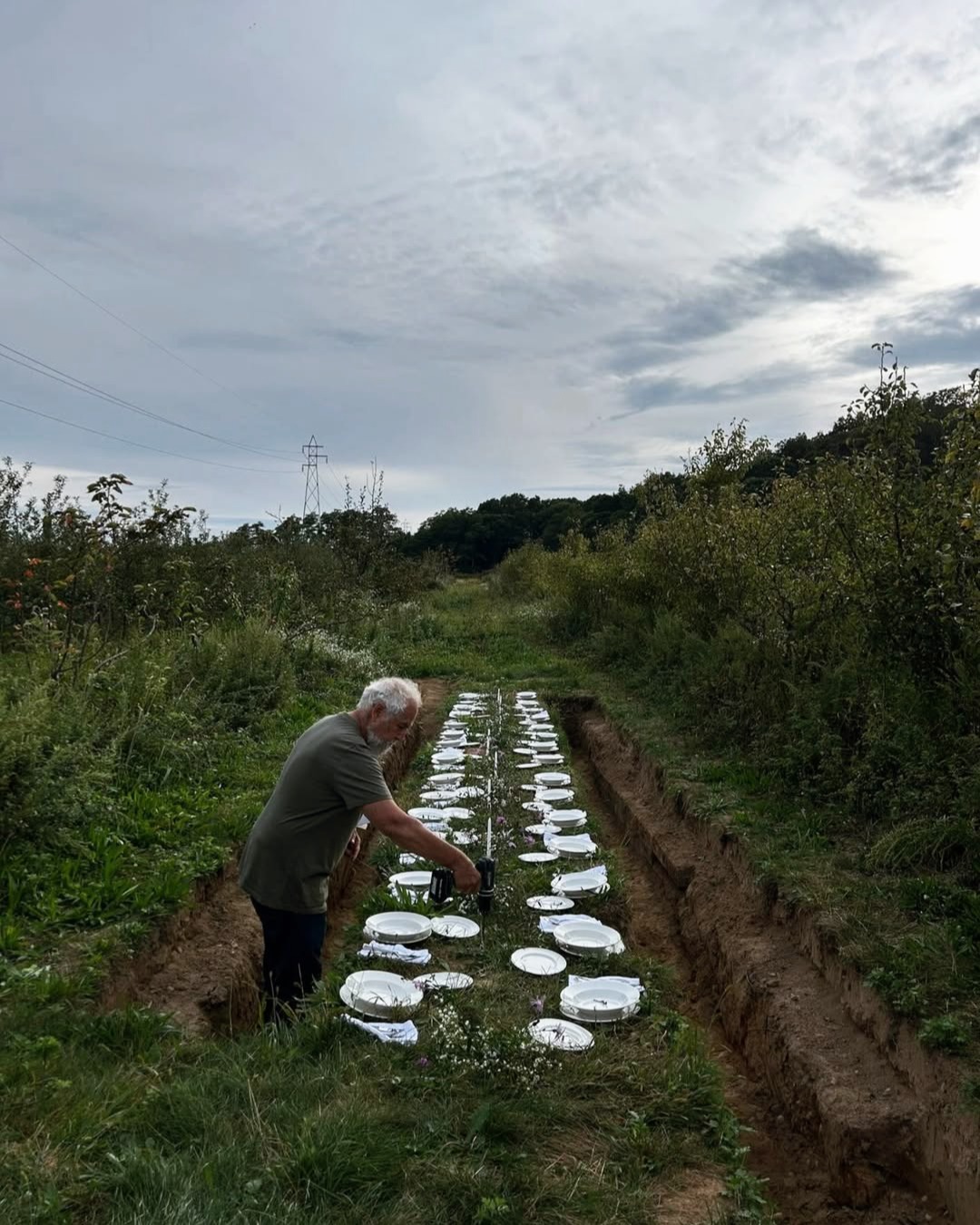
This tension between individuality and togetherness gives the architecture of banquet its particular spatial intensity; it establishes a common world precisely because it holds individuals apart while allowing them to appear together. The table is therefore neither purely connective nor divisive; it is an intermediary structure through which coexistence becomes possible. The banquet emerges within this delicate condition of shared separation. Around the table, one remains singular while participating in the collective. It is neither entirely private nor fully public, but suspended between the two.
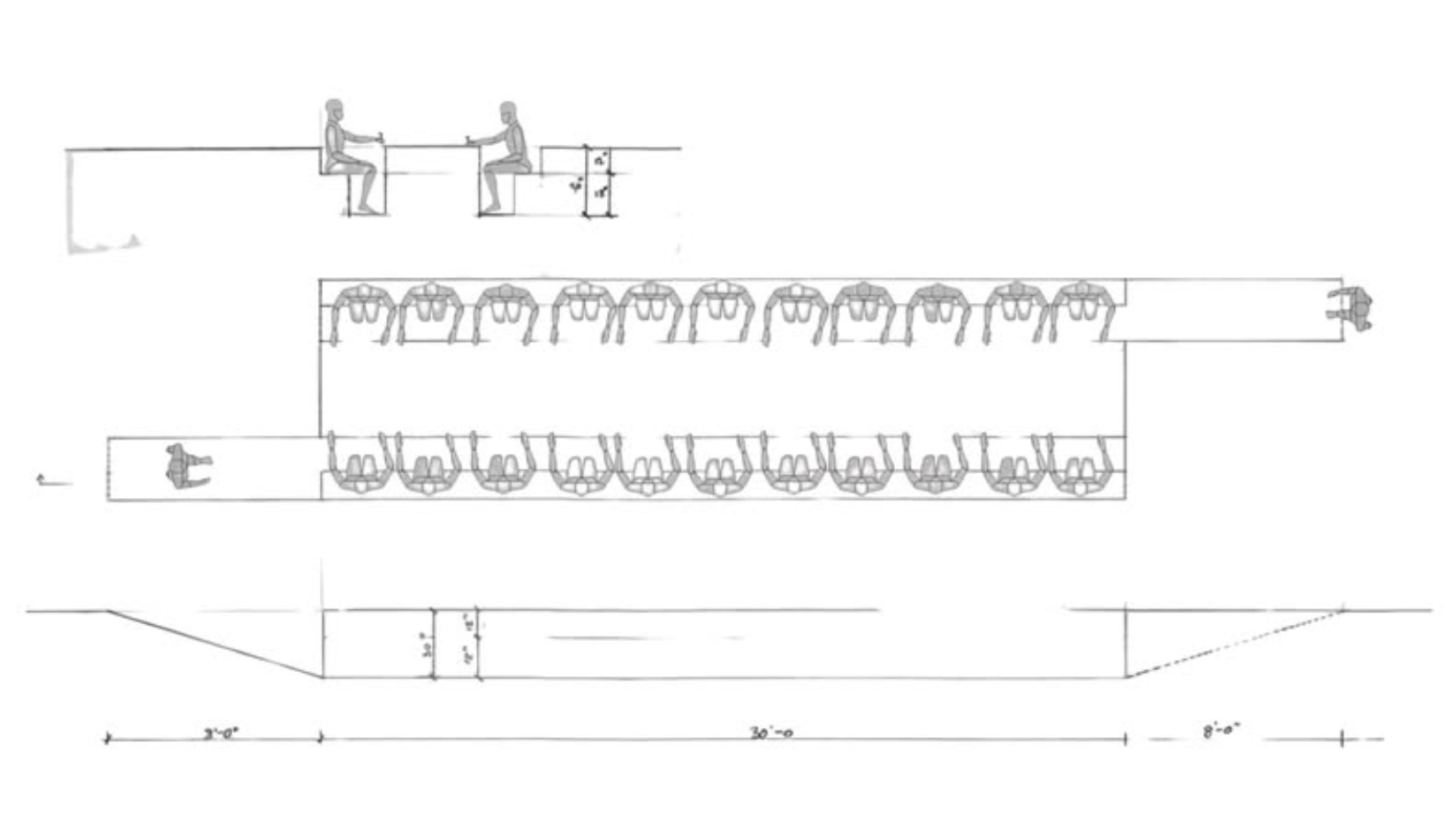
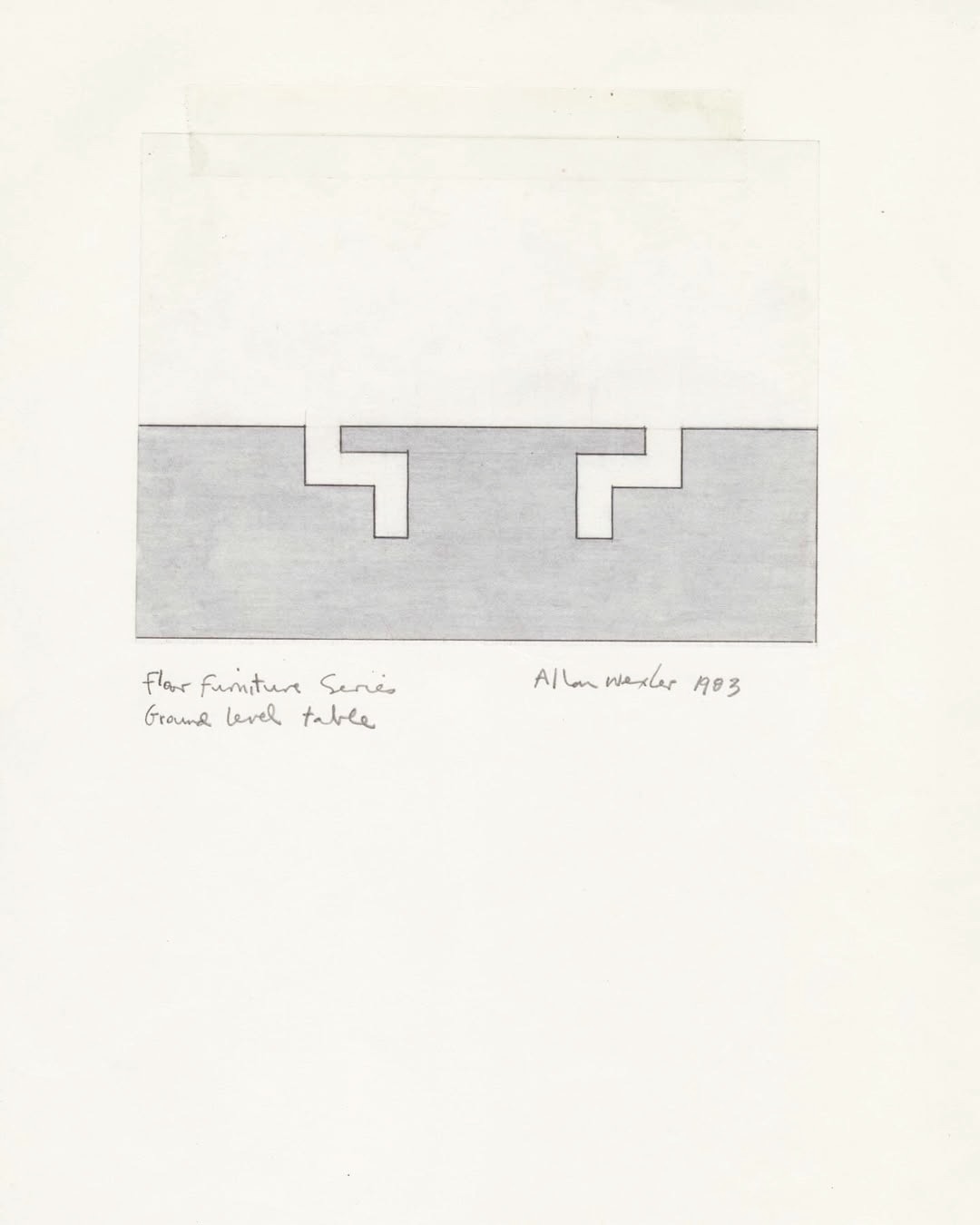
Unlike spaces organised solely for circulation or efficiency, the table constructs a field of mutual attention. Eyes meet across surfaces. Hands overlap in gestures of serving and receiving. Conversations intersect unpredictably.
Eating together transforms nourishment into ritual and co-presence into participation. Architecture here is experienced primarily as a choreography of coexistence.
The architecture of banquet resides precisely in these subtle choreographies cultivating cooperation through repeated acts of gathering and exchange as Richard Sennett argues in Together: The Rituals, Pleasures and Politics of Cooperation (2012).
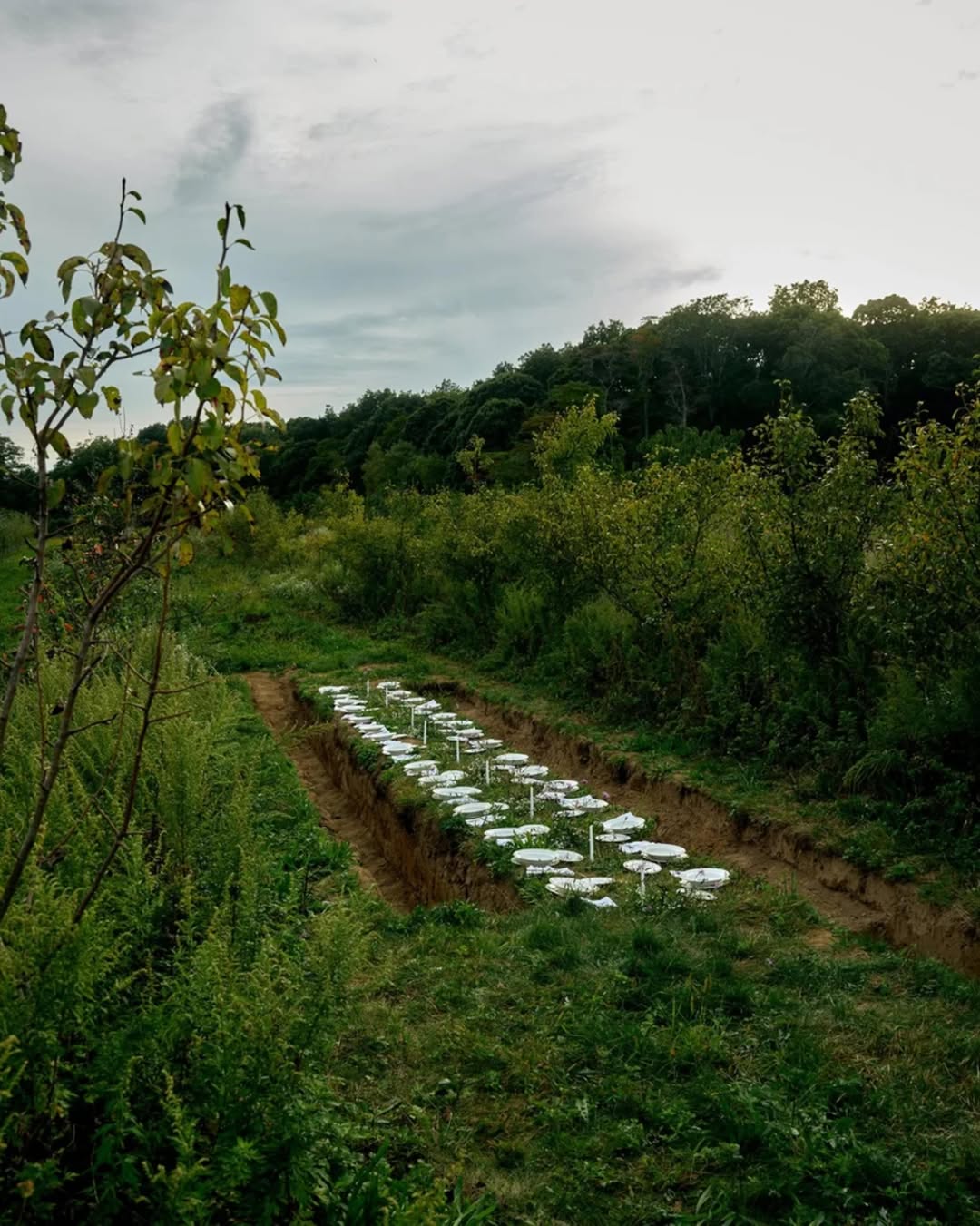
Claire Esparros.
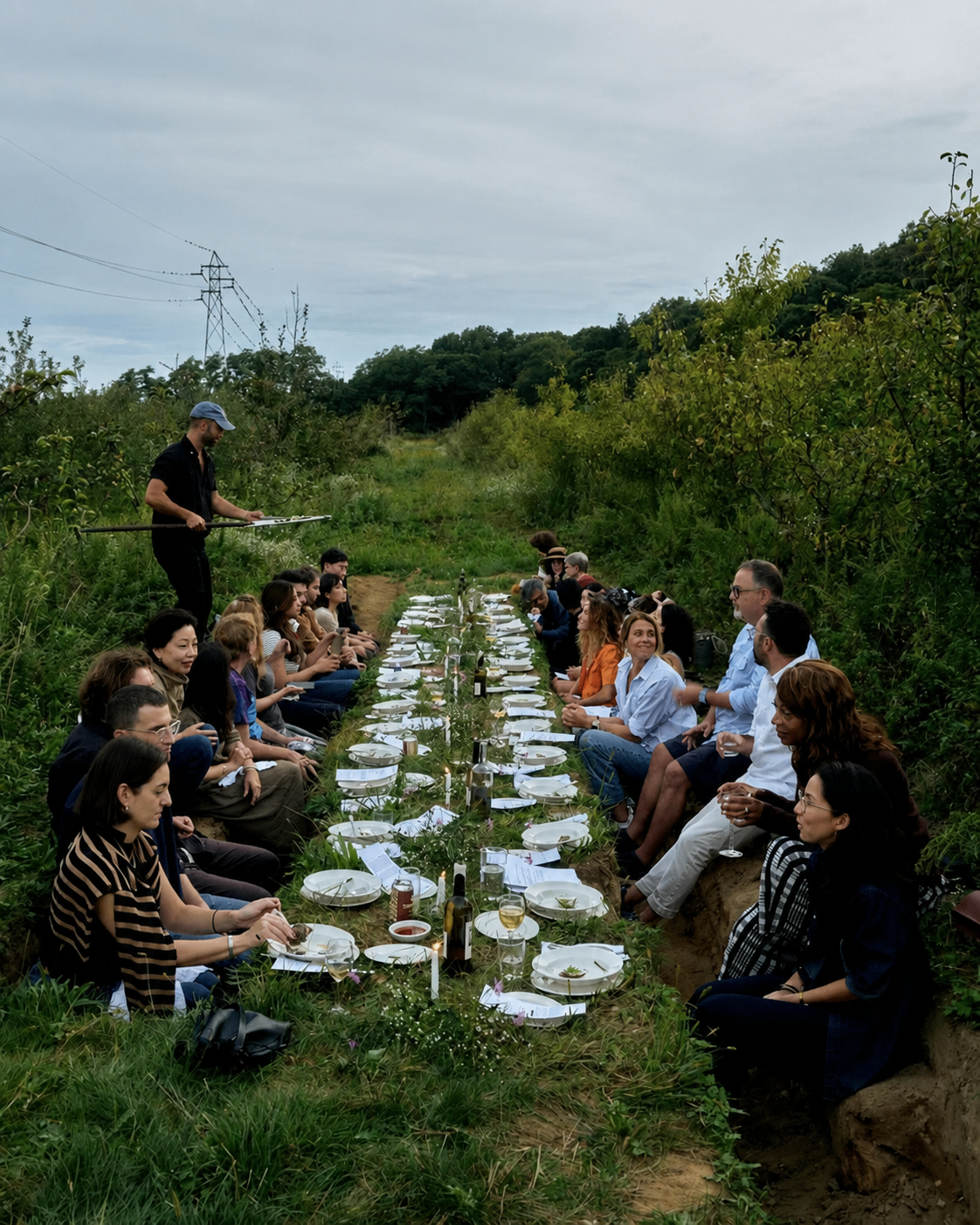
In this sense, the table becomes an instrument through which social trust is produced. Passing bread, serving wine, waiting to speak, listening across the surface of the table: these gestures, however ordinary, rehearse forms of reciprocity fundamental to collective life. Richard Sennett’s understanding of cooperation as a learned social practice illuminates the banquet as an everyday encounter through which coexistence is continuously negotiated.
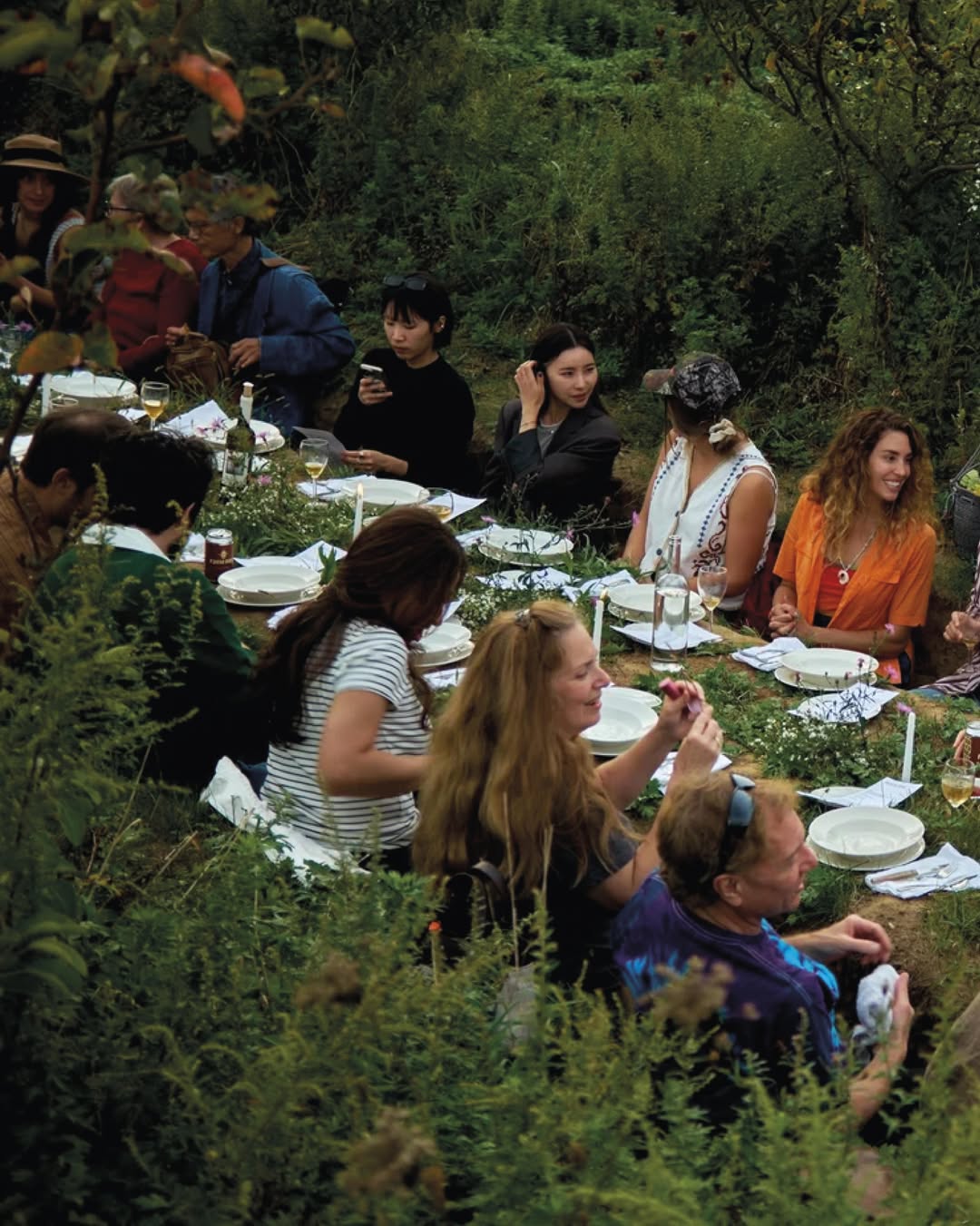
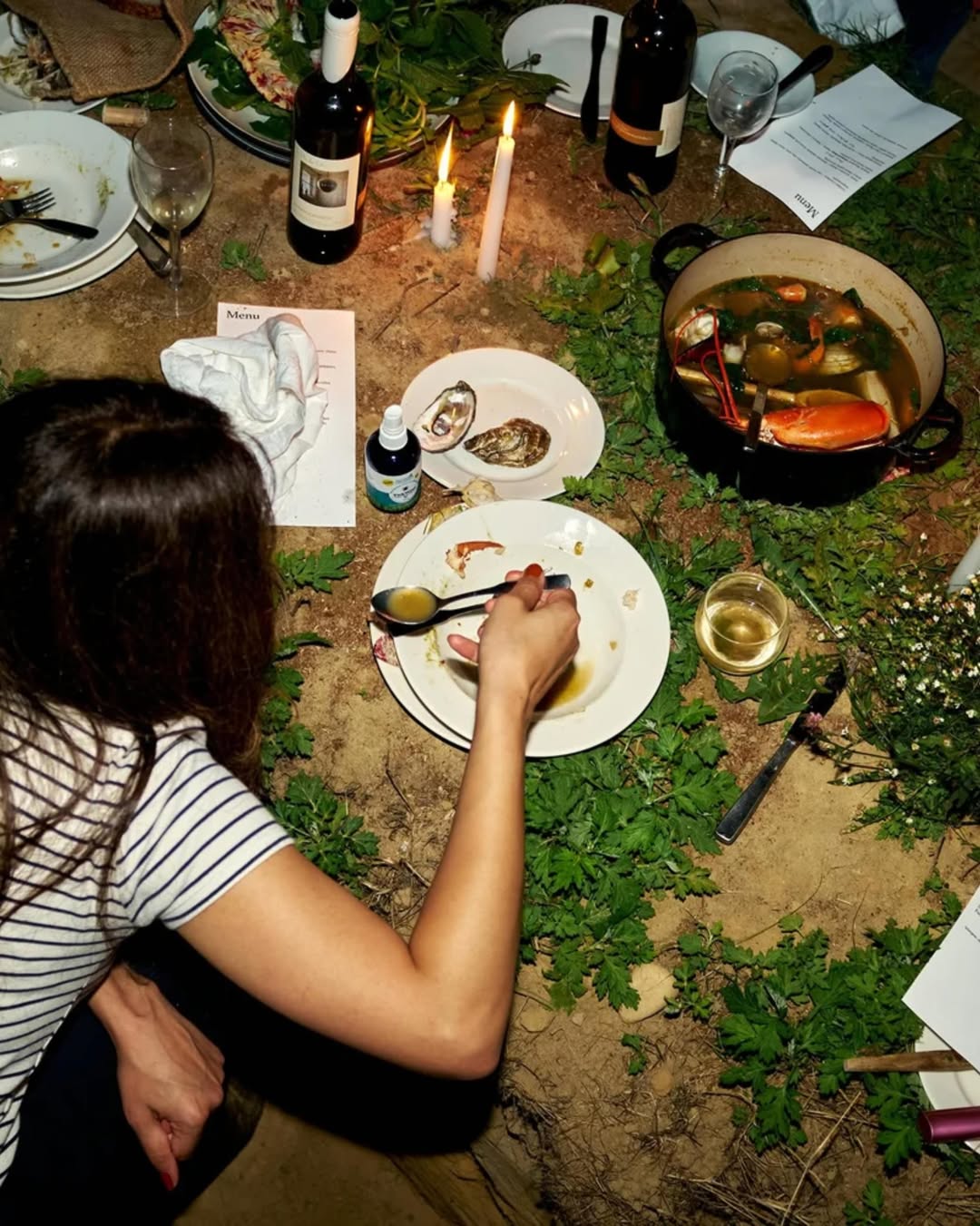
meal, with flowers planted directly into the table itself as part of the setting. Photography by Claire Esparros.
Juhani Pallasmaa’s reflections in The Embodied Room (2016) illuminate the deeply sensory dimension of this encounter. For Pallasmaa, architecture is never merely visual; it is apprehended through touch, memory, atmosphere, and bodily presence.
The architecture of banquet exemplifies this embodied condition precisely because it is experienced through touch, texture, smell, and sound.
In the core of this establishment, the table emerges as the centre of gravity gathering bodies, calibrating proximity, and anchoring the sensory experience of togetherness. The table remembers. Its surface accumulates traces of use—stains, scratches, marks—transforming matter into memory. The worn edge of wood polished by countless hands, the residue of wine absorbed into stone, the softened grain marked by repeated gestures: these inscriptions turn the table into an archive of habitation. Food itself becomes spatial, producing atmospheres through scent, colour, and temperature.
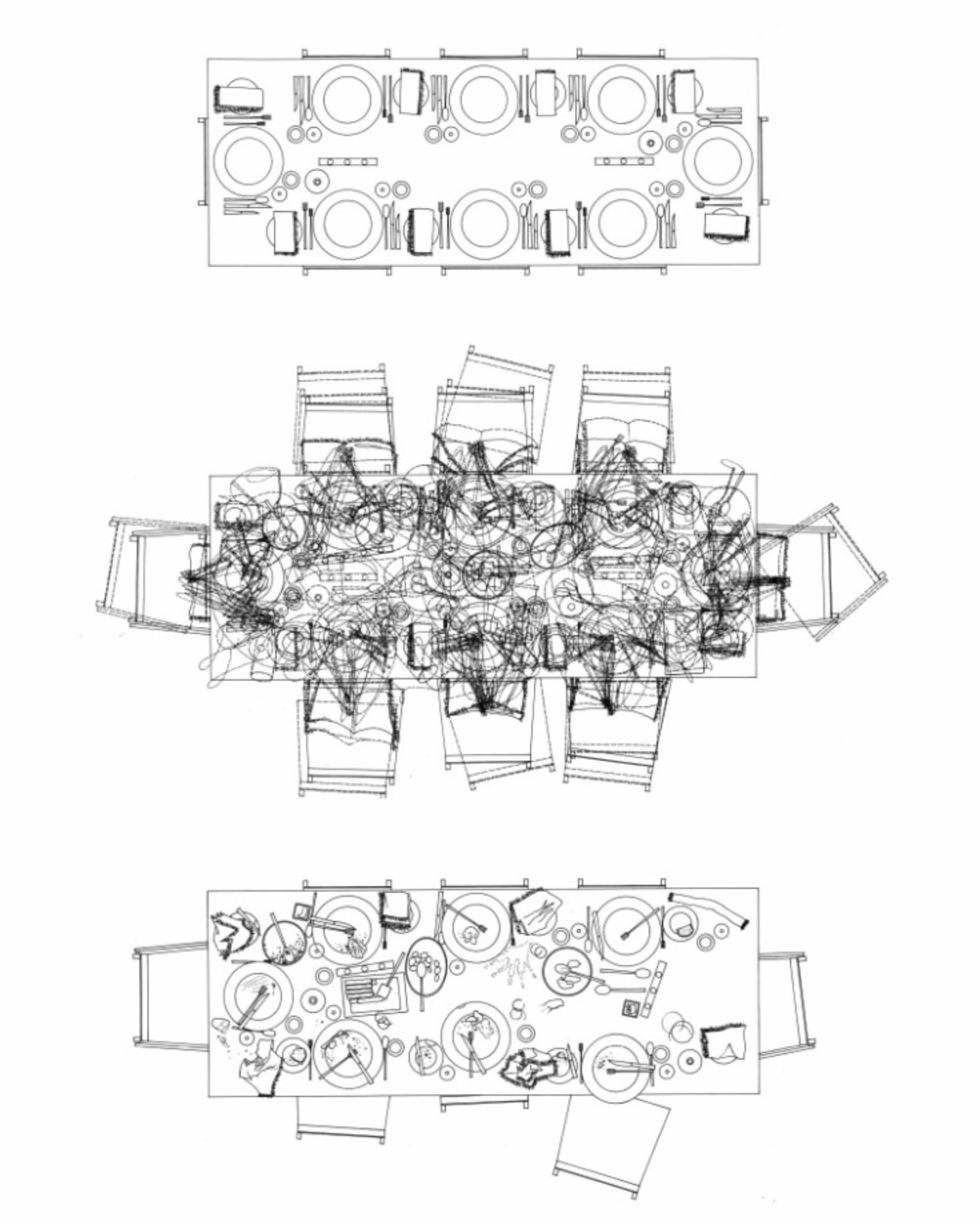
In this sense, the table does not merely support life unfolding around it; it absorbs and records it. The table’s capacity to generate architecture lies precisely in its ability to organise relations without fully determining them; the banquet only exists through participation. In this sense, the table is less an object than an active framework for interaction. It does not prescribe social life but enables it.
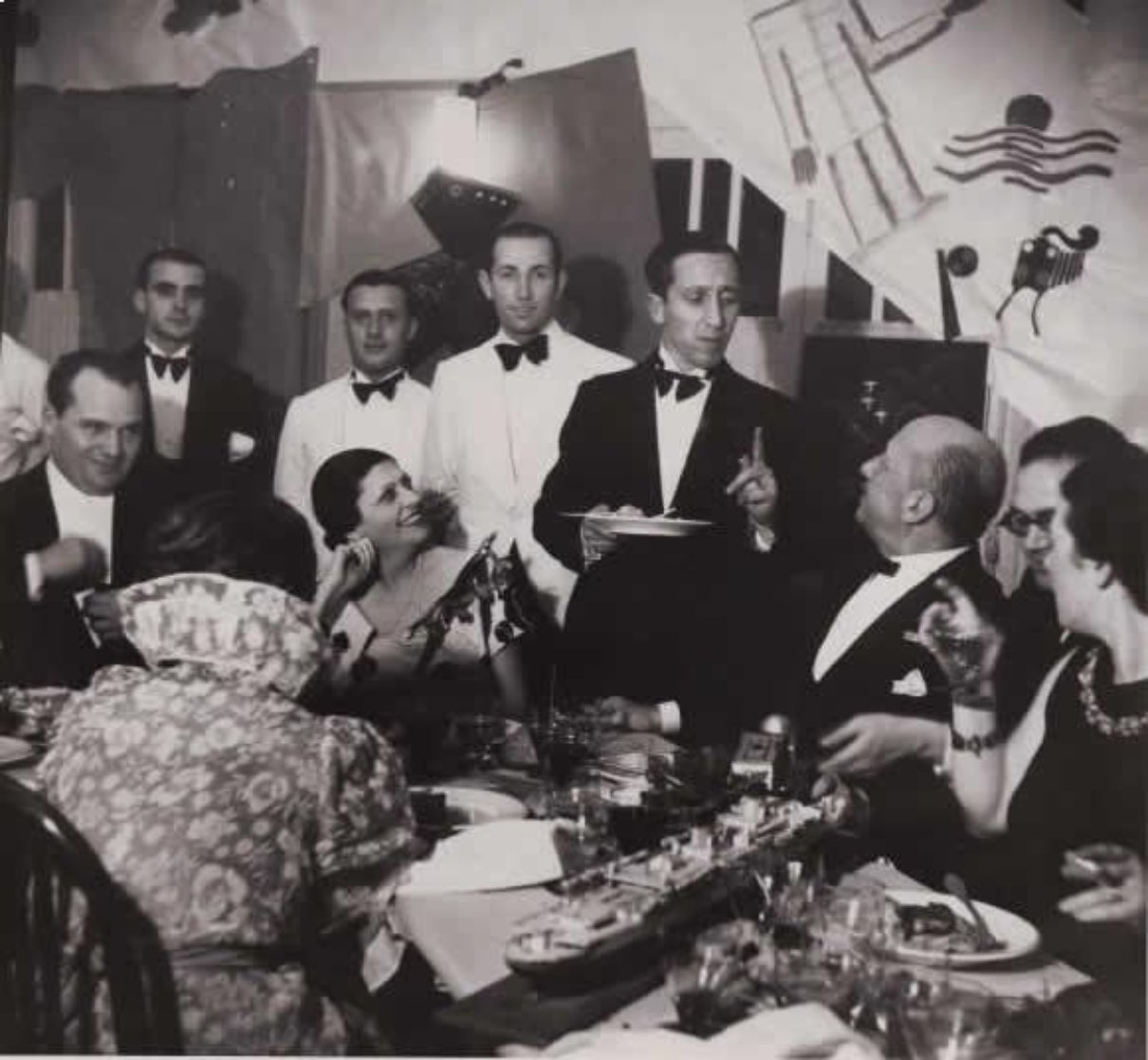
Historically, the banquet has always occupied an ambiguous territory between power and hospitality. From the symposiums of Ancient Greece to monastic refectories, from royal feasts to communal harvest tables and contemporary community kitchens, the table has functioned simultaneously as an instrument of hierarchy and a space of collective participation. Seating arrangements encode social structures; rituals of serving establish systems of privilege and access. Yet the same table also carries the possibility of radical equality. To eat together remains one of the most elemental gestures of shared humanity.
Today, at a moment marked by increasing social fragmentation and digital isolation, the table acquires renewed urgency. Public life is increasingly mediated through screens and accelerated forms of communication, while collective rituals of presence continue to erode.
Against this condition, the banquet reasserts the political and spatial importance of presence.
The resurgence of communal tables within public art, urban interventions, collective kitchens, and contemporary hospitality practices reflects a broader desire to reclaim social space through physical proximity and shared experience.
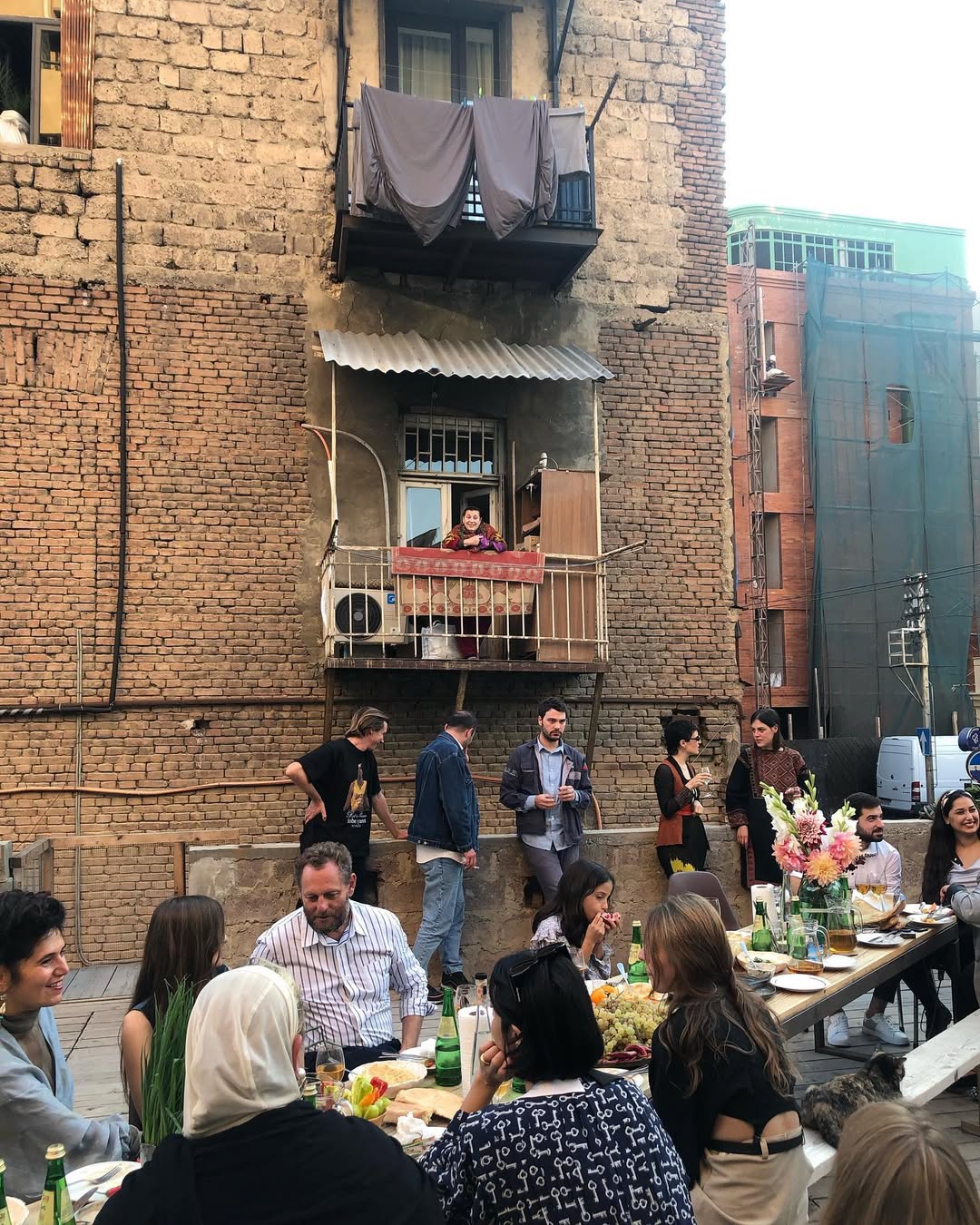
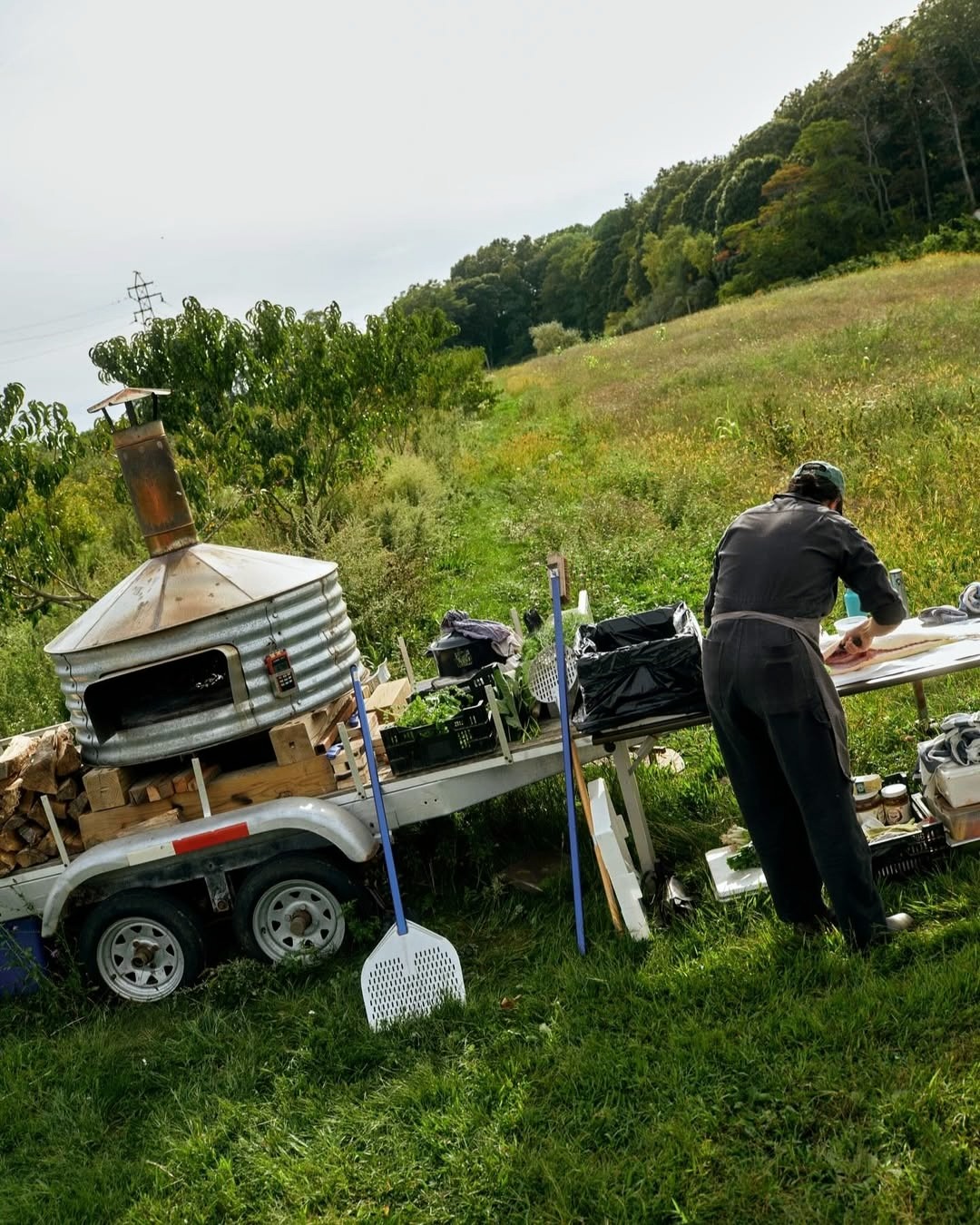
Long tables inserted into public squares during festivals or protests temporarily suspend the anonymity of the city, allowing strangers to inhabit proximity differently. Similarly, rural banquets staged in landscapes reconnect food production with communal experience, collapsing distinctions between cultivation, preparation, and consumption. Even the improvised table—a door balanced upon trestles, a cloth laid upon the ground—retains the power to produce architecture through gathering alone. In these contexts, the table is no longer understood merely as an interior object but as a civic device capable of reorganising social space.
Architecture shifts from the construction of buildings toward the construction of situations.
So, the banquet depends on fragility. Every gathering is temporary; every table will eventually be cleared. What remains are traces — memories suspended in objects, gestures retained in the body, atmospheres carried forward through recollection. The architecture of banquet is therefore inseparable from ephemerality. Its permanence resides not in material endurance but in repetition. It exists in the fleeting constellation of bodies, objects, rituals, and conversations assembled around a shared surface.
In the end, the architecture of banquet may offer a subtle but profound lesson for contemporary spatial practice. Architecture does not begin with walls. It begins with the possibility of gathering.
References
Arendt, H. (1958) The Human Condition. Chicago: University of Chicago Press.
Pallasmaa, J. (2016) The Embodied Room: The Silent Space of Architecture. Chichester: Wiley.
Sennett, R. (2012) Together: The Rituals, Pleasures and Politics of Cooperation. New Haven: Yale University Press.