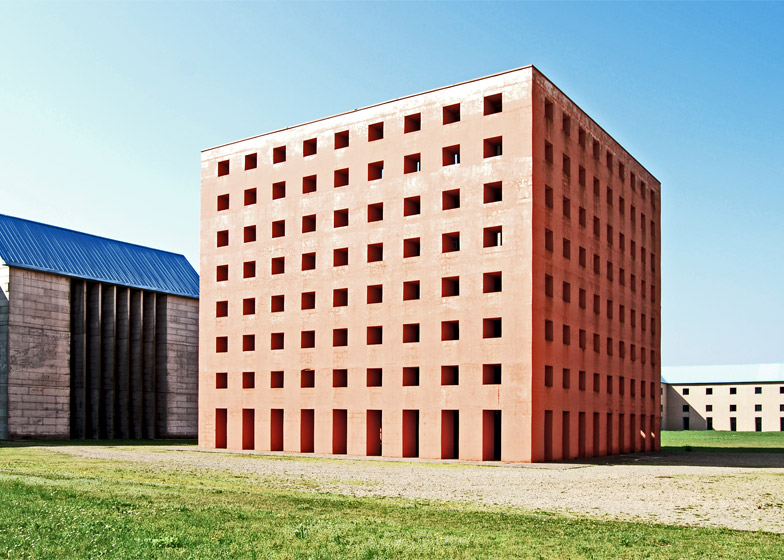
The Architecture of the Washroom
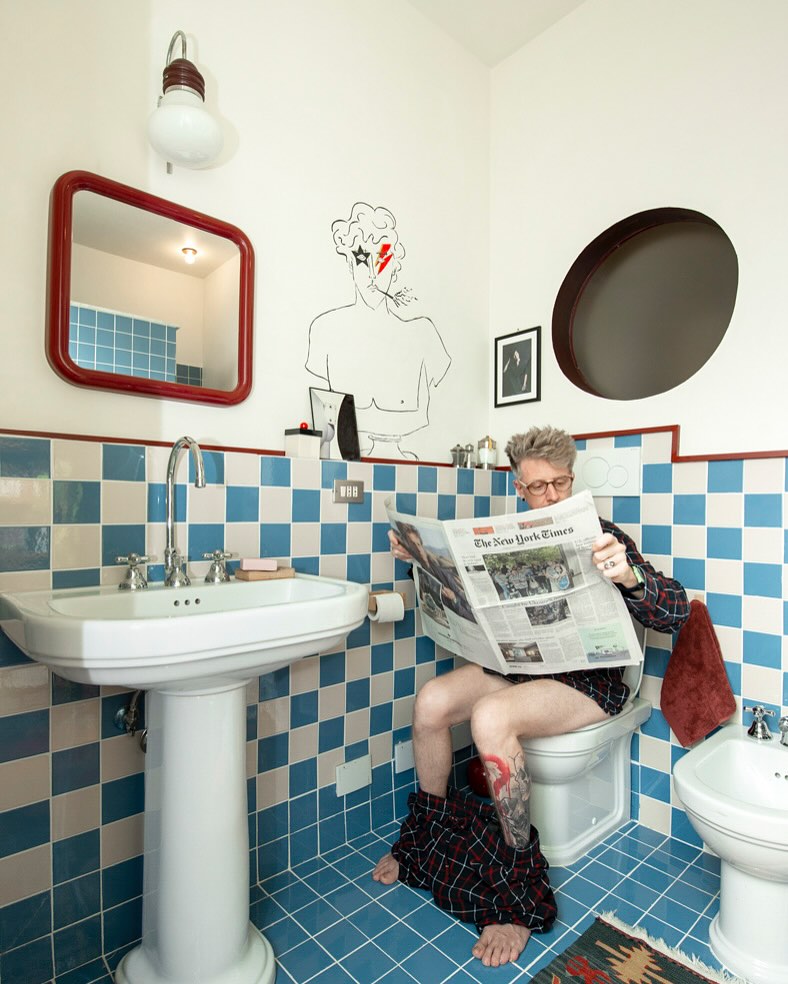
“As soon as you flush the toilet, you’re in the middle of ideology,” Slavoj Žižek famously remarked, reminding us that ideology is never merely a matter of doctrines or political declarations but is embedded within the material arrangements of everyday life (Žižek, 1997). The bathroom, perhaps more than any other room in the contemporary building, reveals this condition with particular clarity. Hidden behind doors, concealed from public view, and reduced in architectural discourse to questions of plumbing and hygiene, it nevertheless exposes cultural assumptions more vividly than many explicitly political spaces.
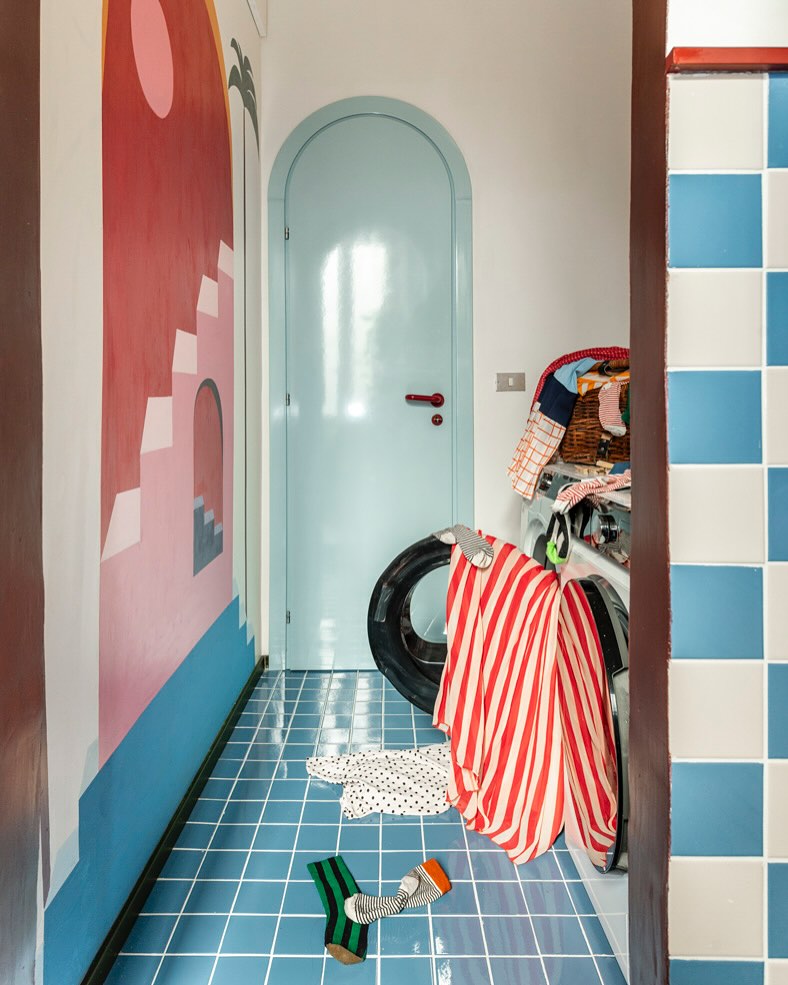
Recasting Žižek’s proposition in architectural terms, one might argue that architecture exercises its greatest power not when it instructs us how to live, but when it quietly structures the conditions under which living takes place.
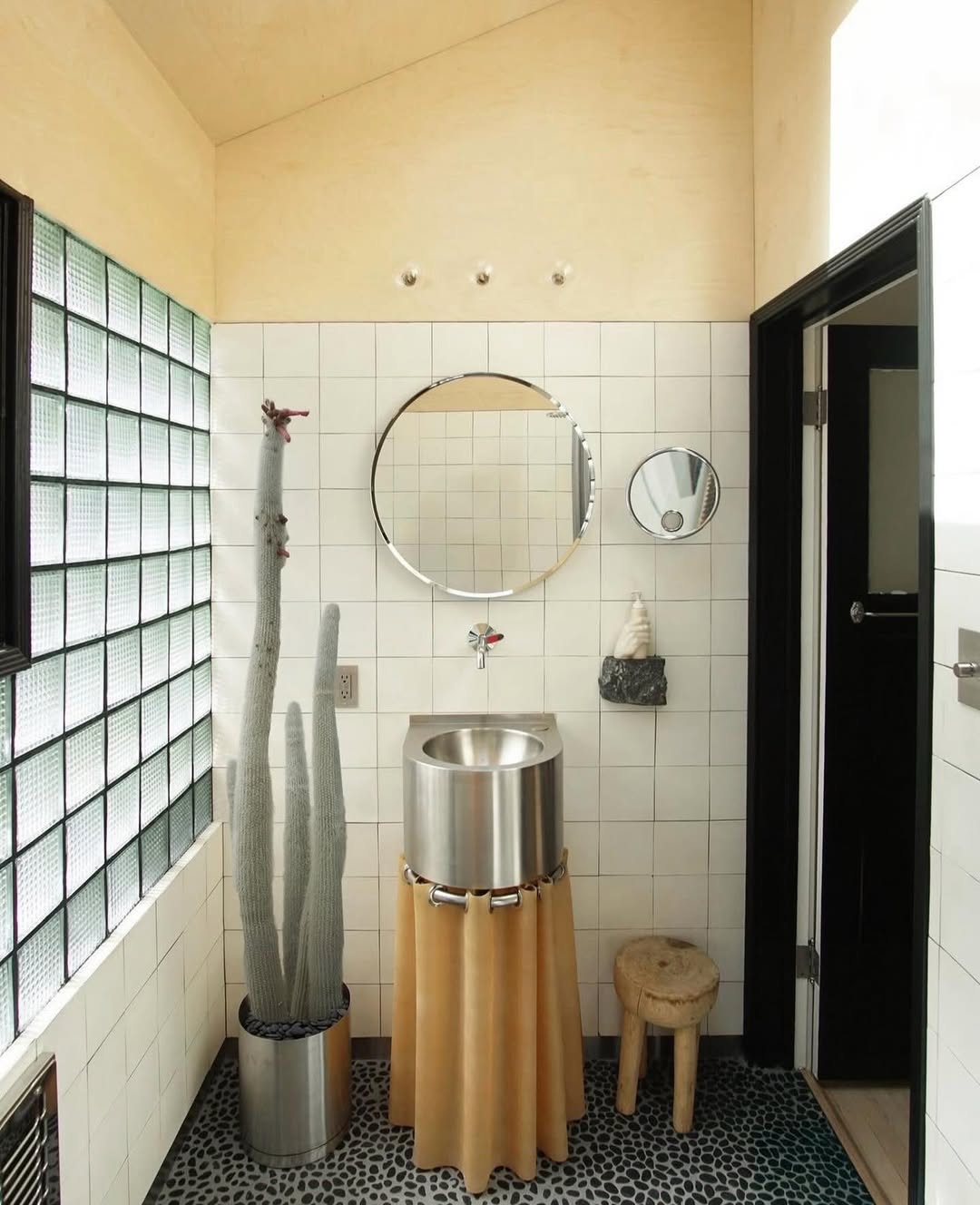
The washroom is one such apparatus. It organizes intimacy and exposure, purity and contamination, privacy and collectivity.
In this sense, as Austrian-born architect, designer, and researcher Alexander Kira demonstrated in his seminal investigation of the relationship between the human body and sanitary design, even the most ordinary bathroom fixture is never entirely neutral.
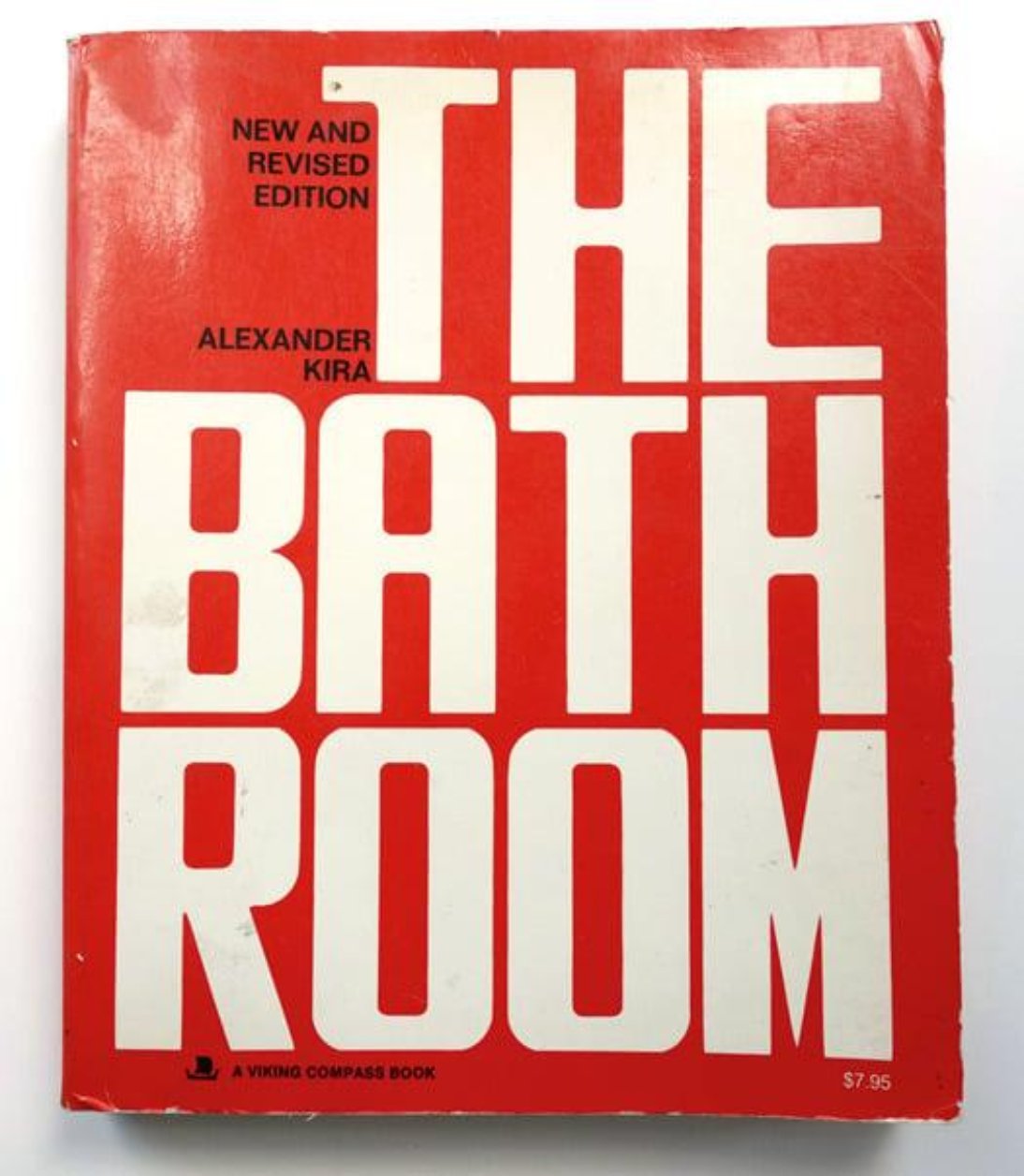
Every sink, toilet, and shower is shaped by assumptions about posture, cleanliness, privacy, and ultimately about what a body is and how it should behave (Kira, 1966).
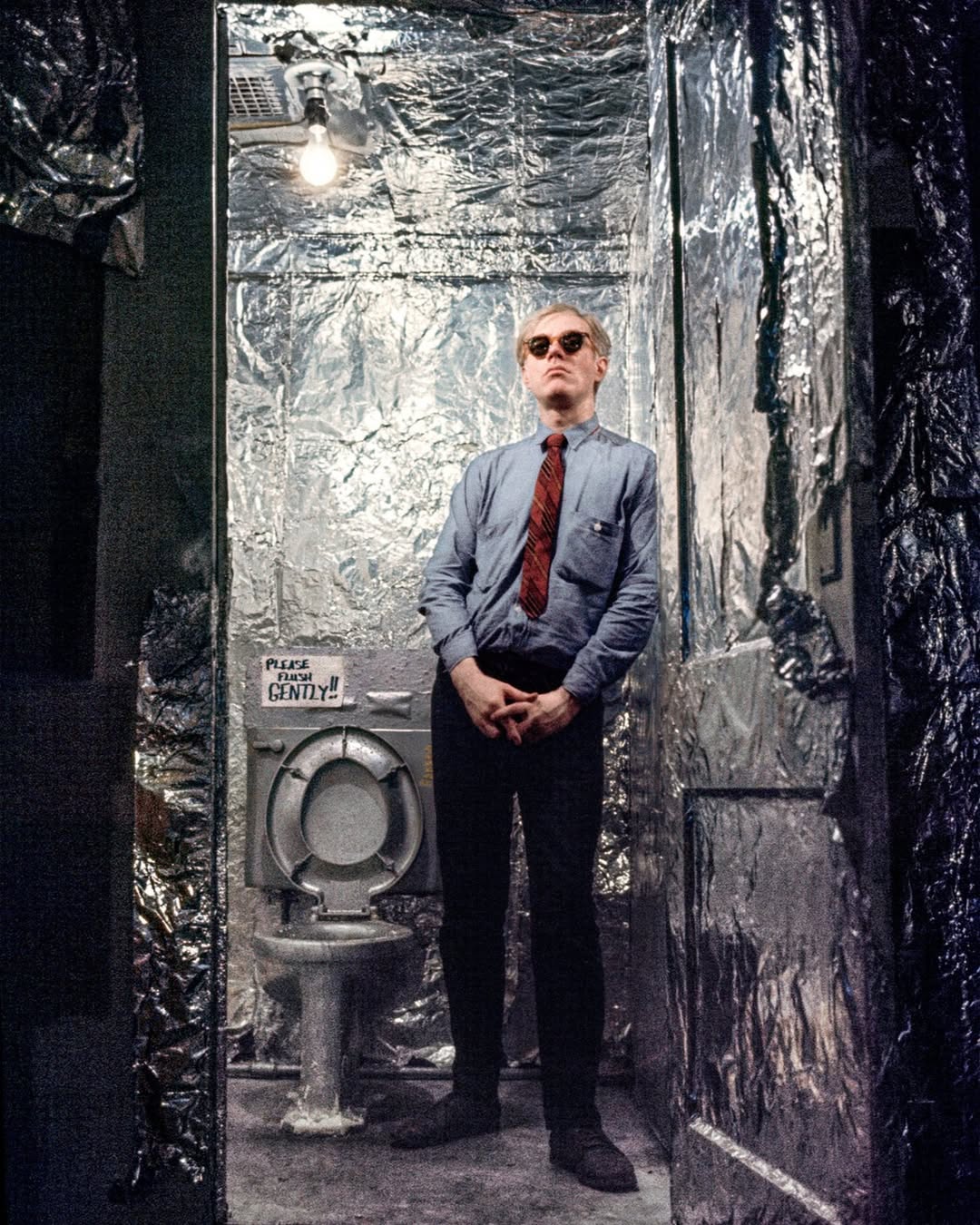
What appears as plumbing is also culture; what presents itself as technical necessity is equally a social proposition. The bathroom is thus both infrastructure and ideology rendered concrete.
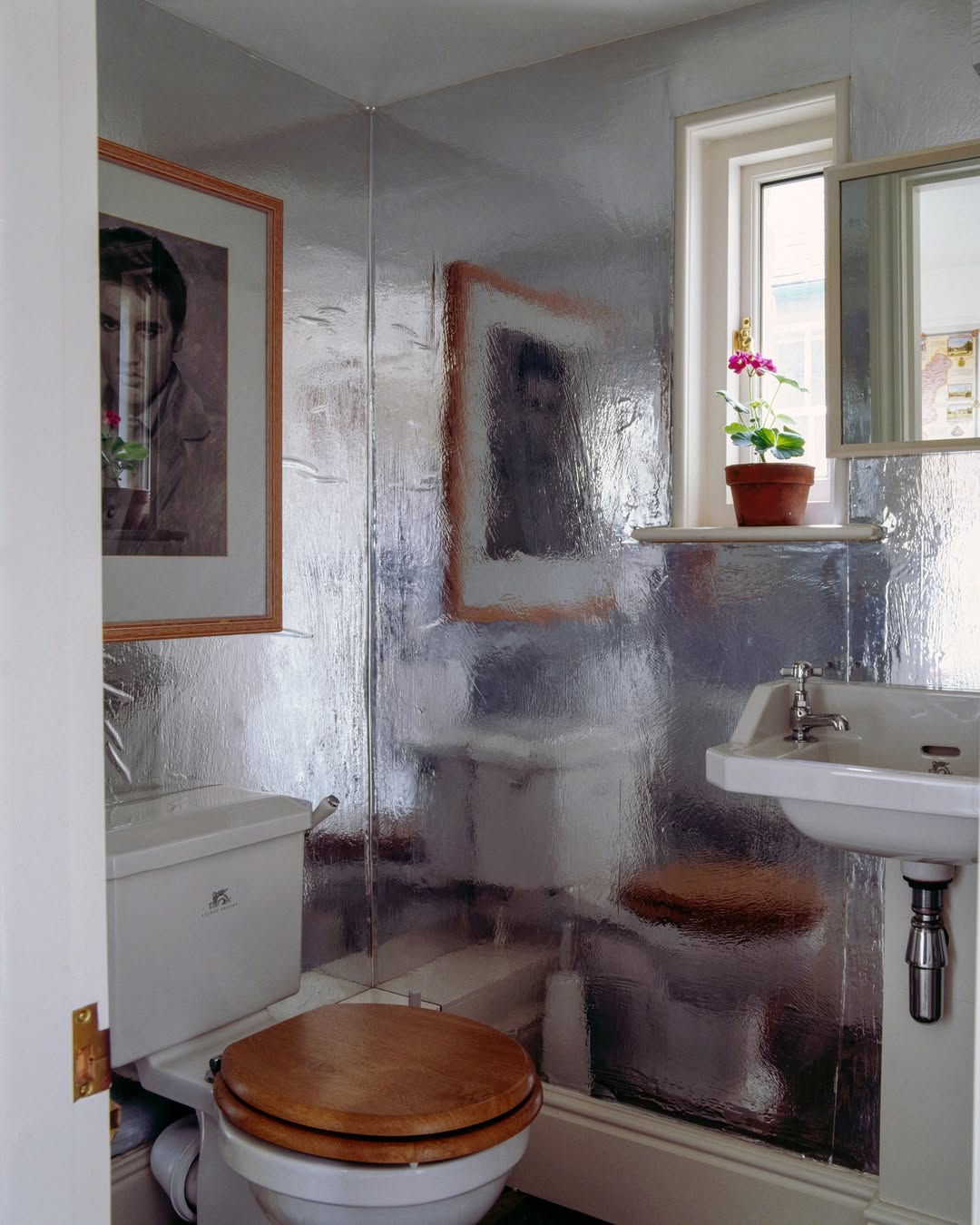
The rhetorical question therefore emerges at the beginning of every design process: what is a bathroom?
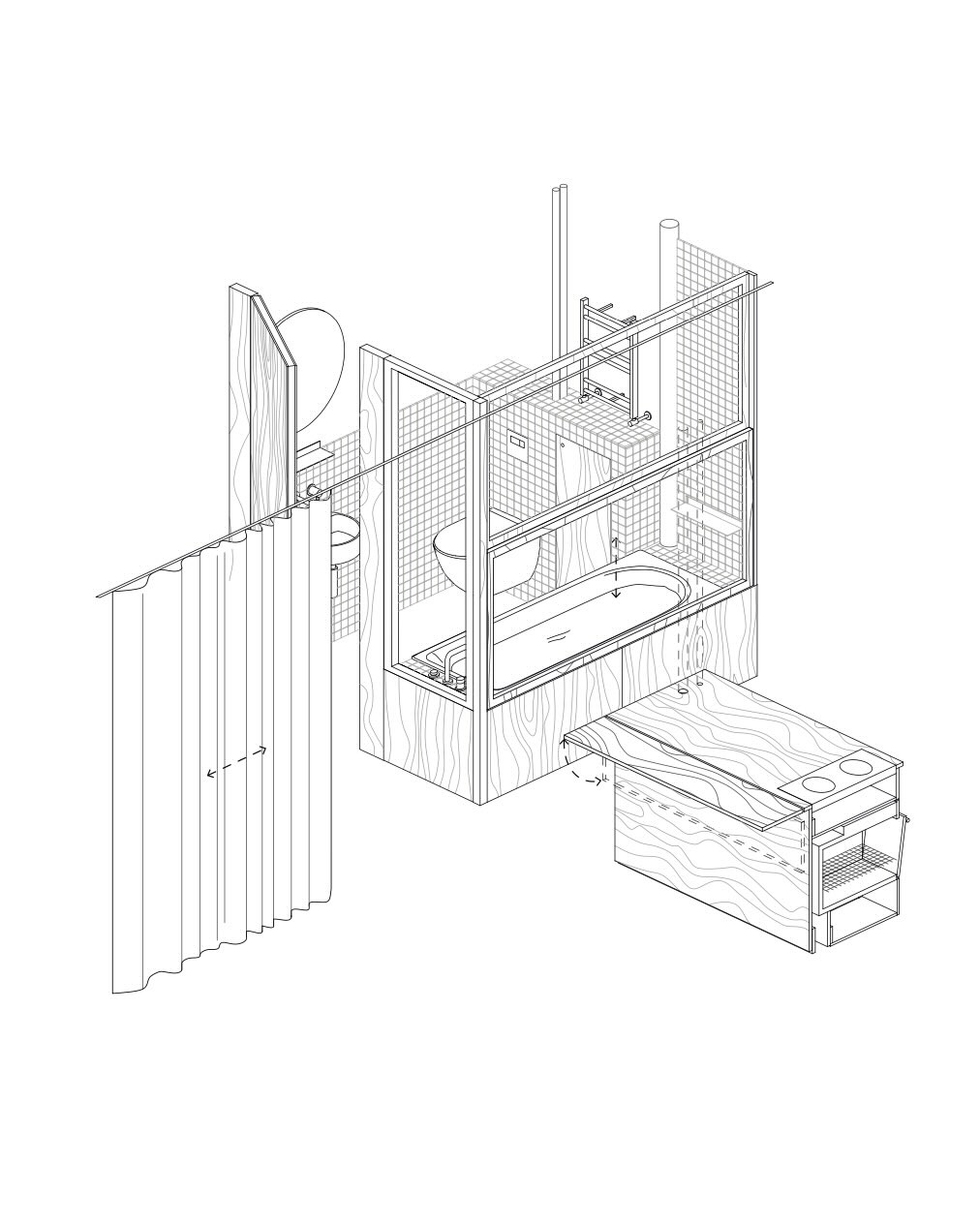
Let us recall the discomfort provoked when a washroom refuses the familiar grammar of ceramic tiles, polished surfaces, and immaculate whiteness. For bathrooms are never neutral containers for bodily functions. As Mary Douglas demonstrated in Purity and Danger (1966), notions of cleanliness and contamination are cultural constructions through which societies organize meaning. Bathroom design materializes these constructions. It speaks through what it excludes as much as through what it displays.
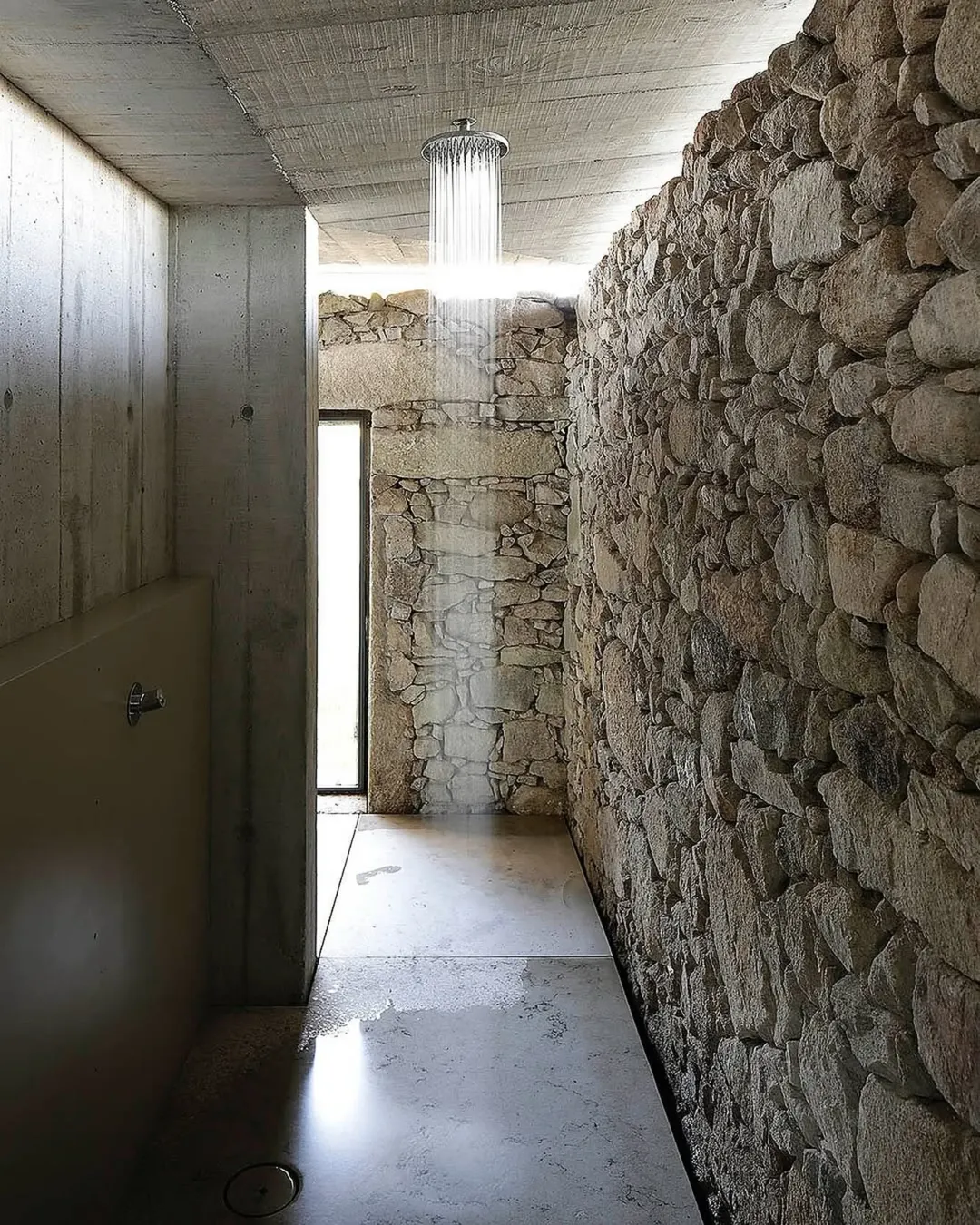
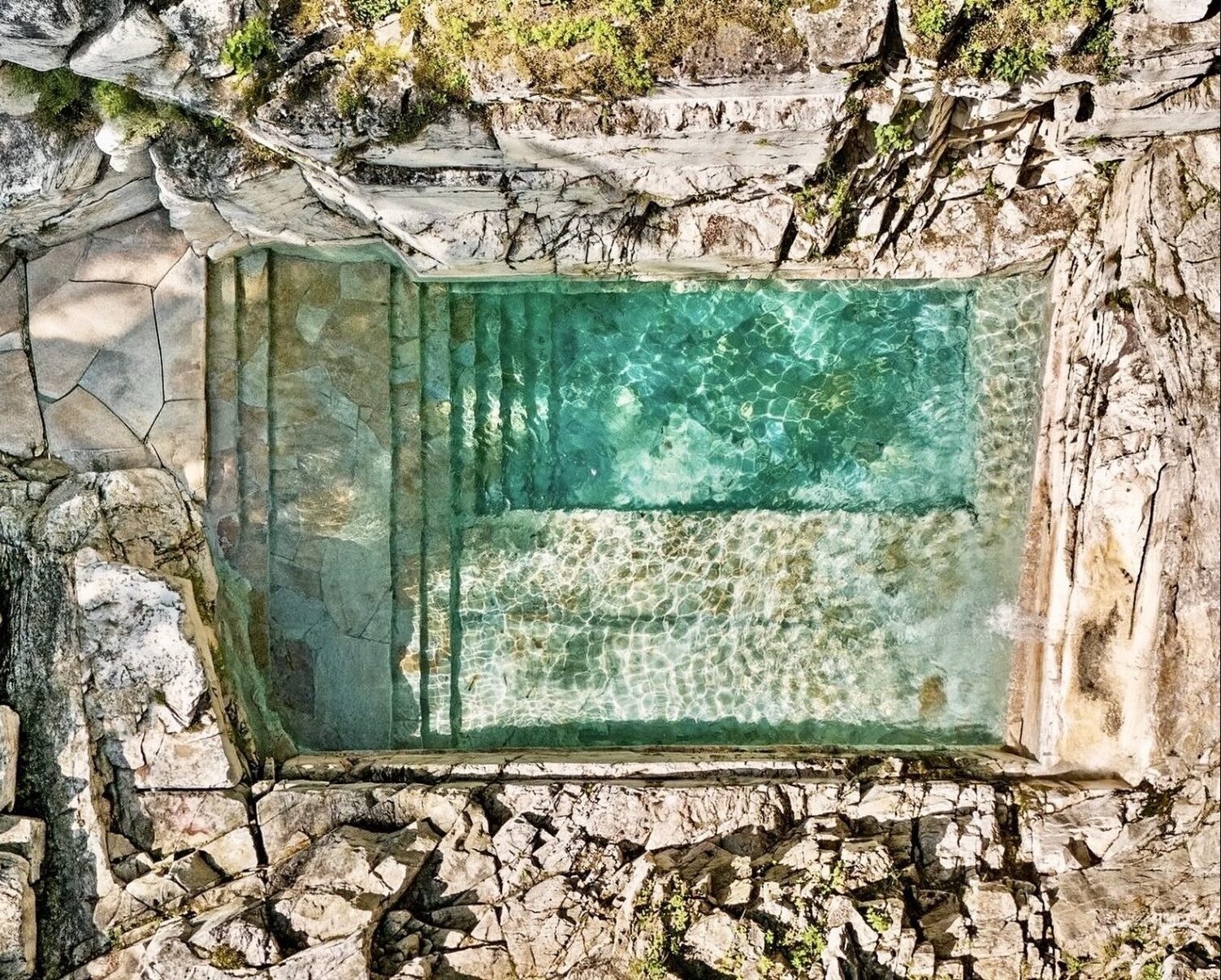
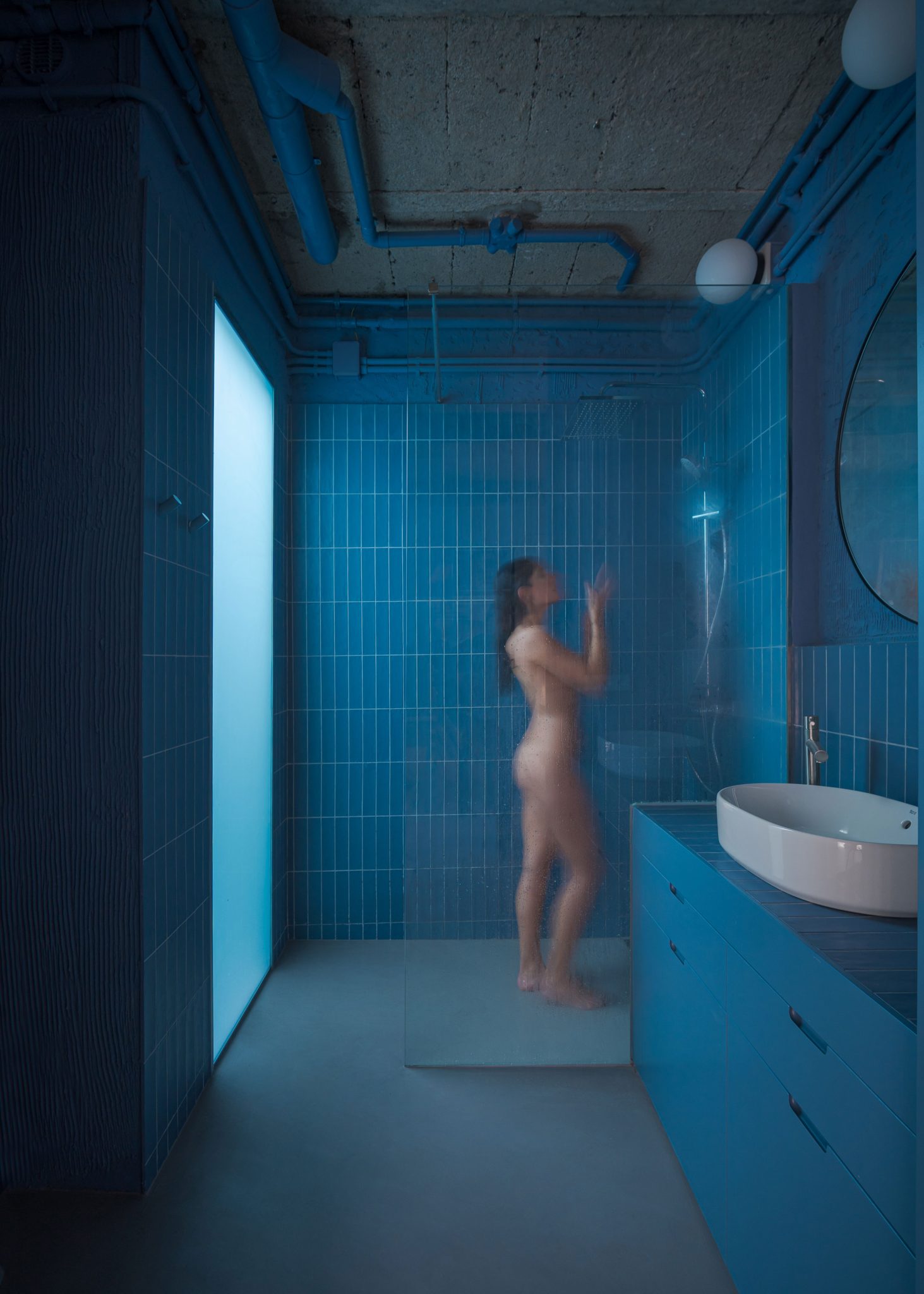
There is perhaps nothing more magnetic than the raw honesty of a brutalist bathroom designed for the bareness of being. Within its rough materiality, an unexpected intimacy emerges between coarse concrete and the unapologetic nudity of the body. Stone, gravel, moisture, skin: the attraction is undeniable. Exposed pipes and unfinished surfaces refuse the concealment that modern sanitary culture has so carefully cultivated.
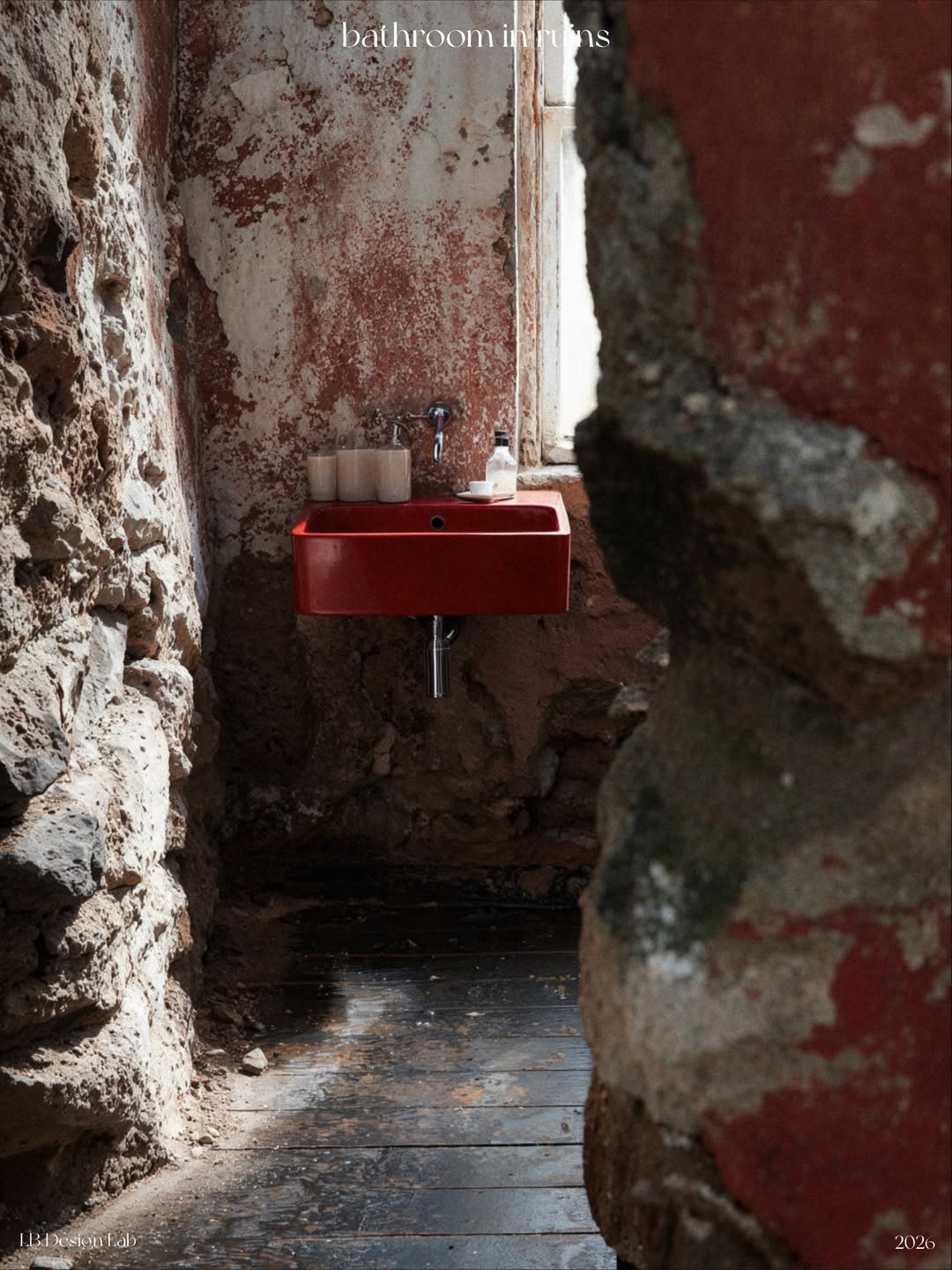
The bathroom is no longer an immaculate image of hygiene but a terrain of primordial textures, where architecture allows the body to encounter its own material reality.
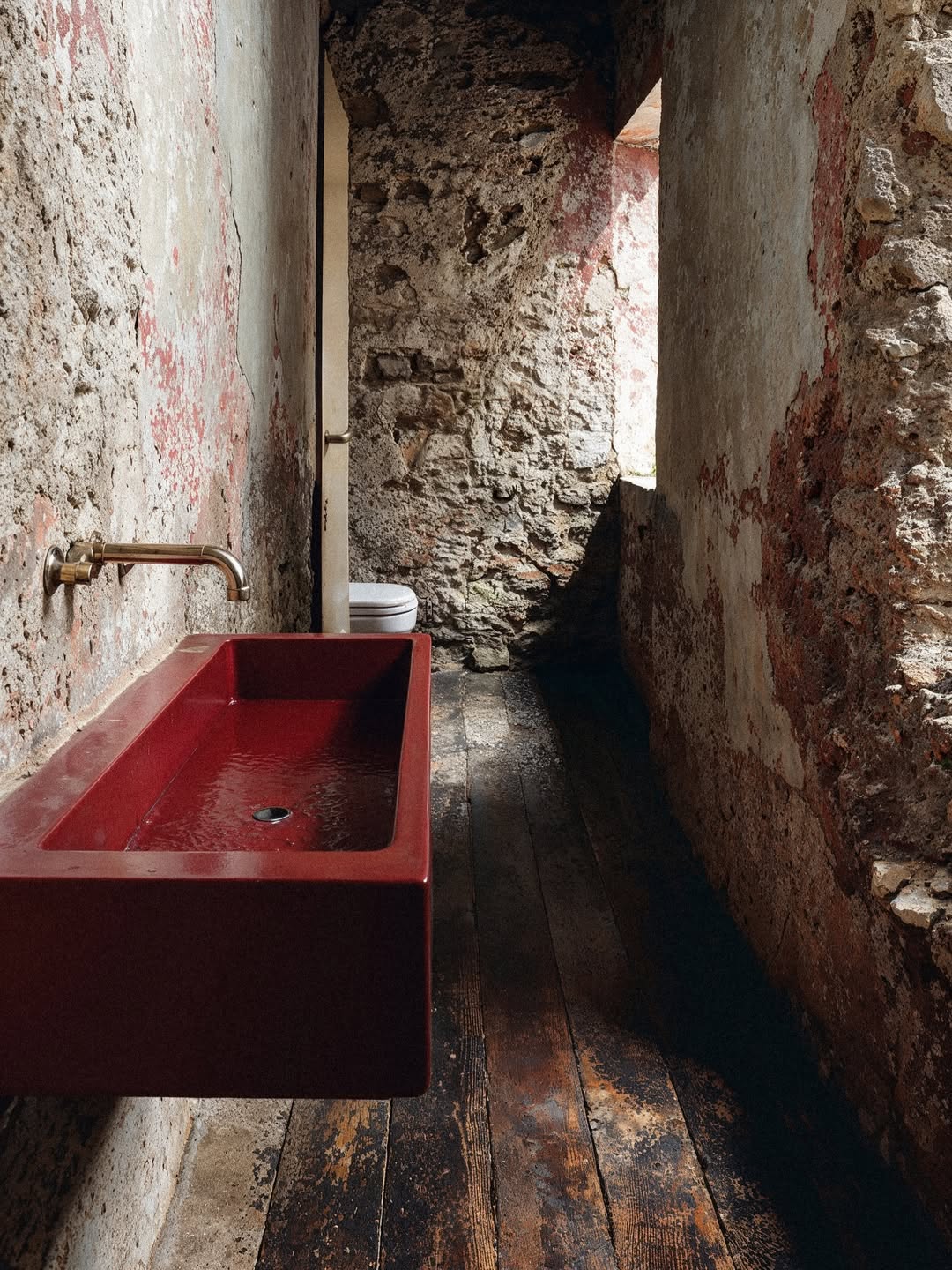
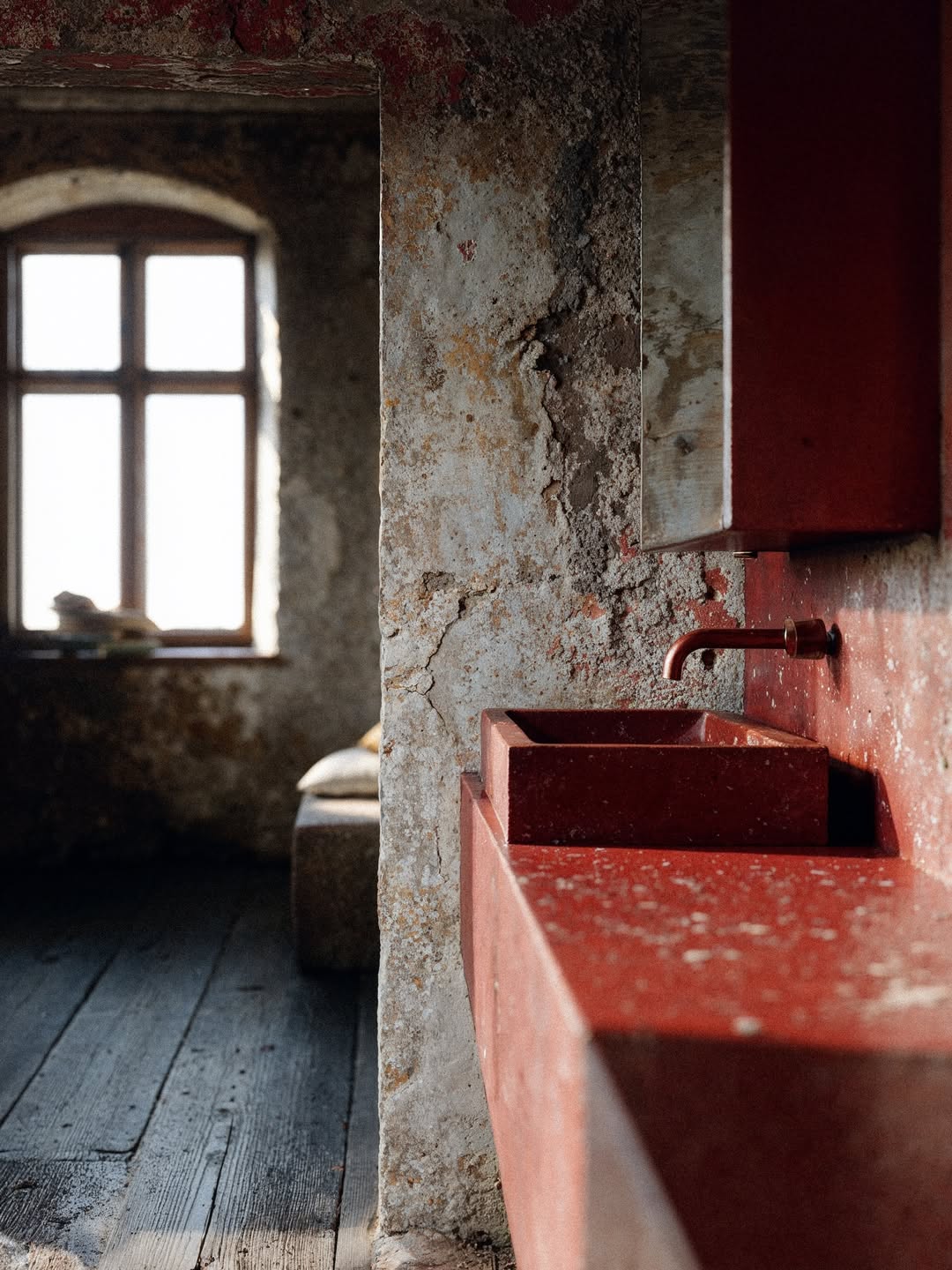
Paradoxically, it is precisely in this absence of sleekness that vulnerability exists. The brutalist bathroom acknowledges that bodies are porous, mortal, unfinished referencing what Maurice Merleau-Ponty understood as our embodied condition: we do not merely occupy space; we encounter the world through the material reality of our flesh (Merleau-Ponty, 1945). Within the brutalist bathroom, the body is not elevated to the status of an object of worship, nor disciplined into an ideal of hygienic perfection. It becomes ordinary again. Within its walls, workers and sinners alike pause to remember, to forgive, to surrender, and perhaps to repent. The bathroom returns the body to its simplest condition: temporal, soft, and humane.
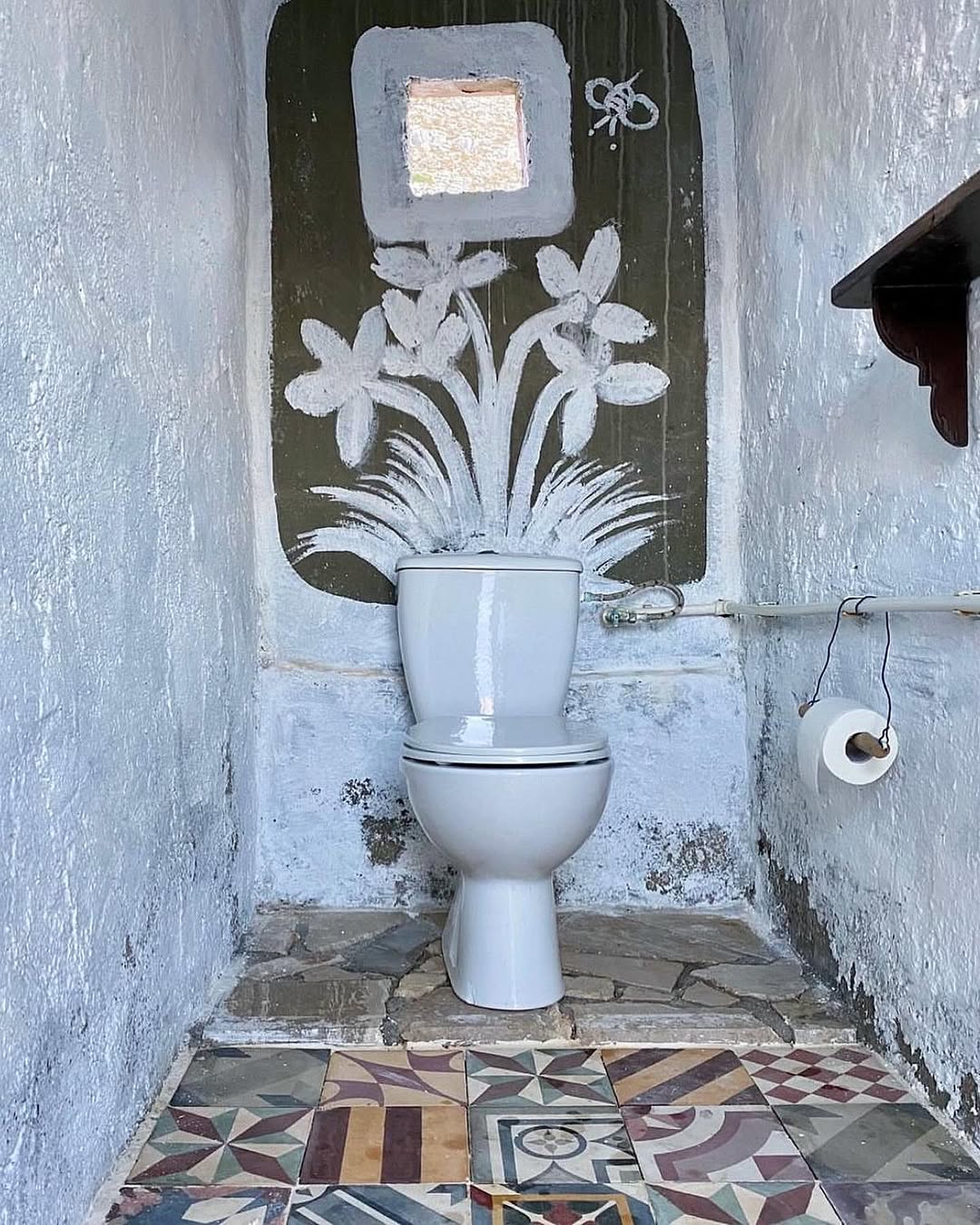
For there is no other place in the world where we feel our Otherness most keenly than the bathroom.
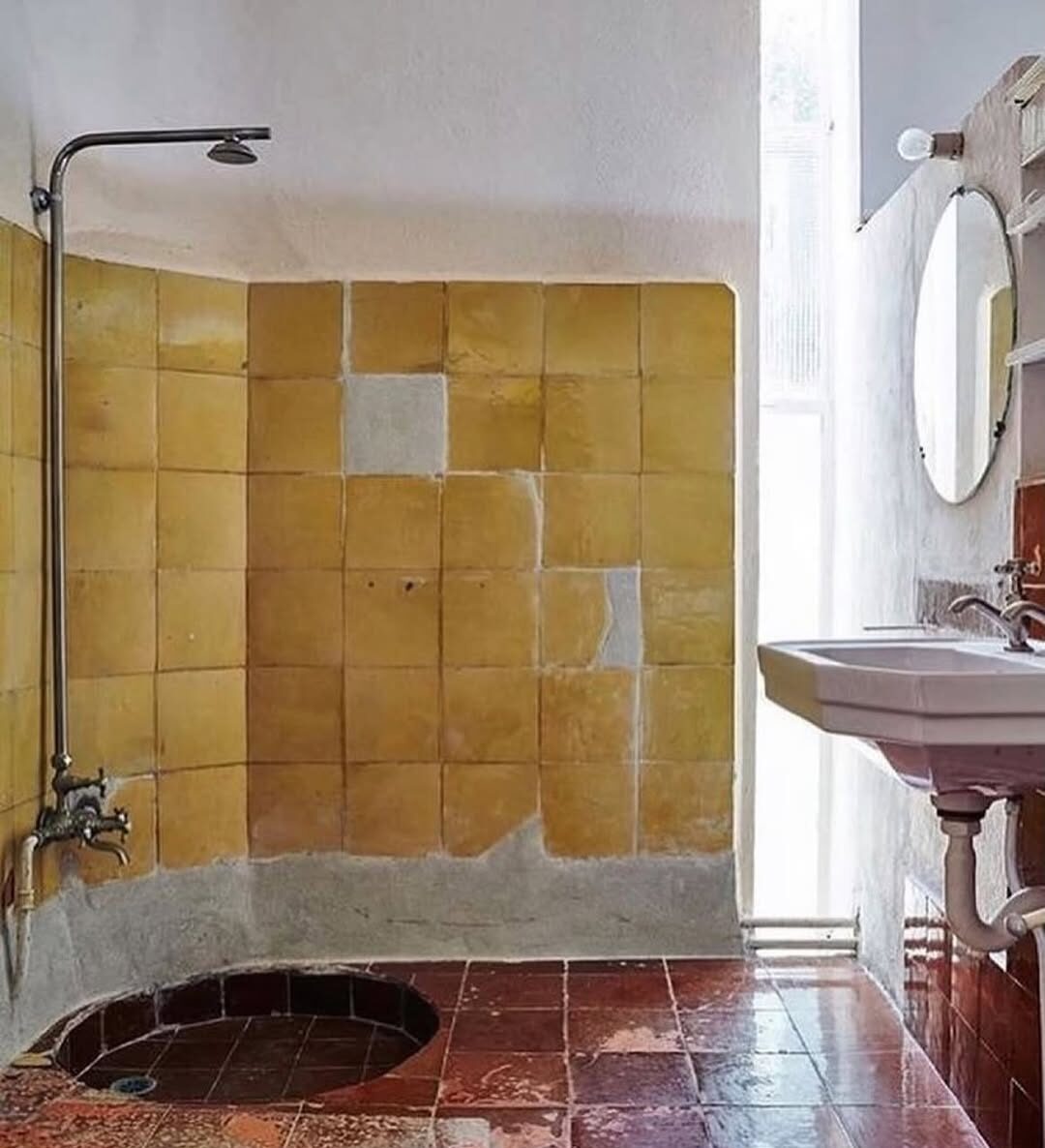
Here, the body confronts itself through those traces it ordinarily seeks to conceal: fluids, odors, vulnerability, decay. What Julia Kristeva termed the abject—that which is neither fully self nor fully other—emerges into view, unsettling the illusion of a coherent and autonomous subject (Kristeva, 1980). In the bathroom, we encounter ourselves not as social identities but as fragile biological beings, suspended between nature and culture.
This ambiguity raises another question: is the bathroom shared or private?
Historically, bathing was rarely a solitary affair. From the thermae of imperial Rome to the Ottoman hammam, from Japanese sento bathhouses to Finnish saunas, bathing infrastructures served as spaces of sociability as much as hygiene. The public bath was an urban institution through which communities encountered one another. The body, rather than being secluded, participated in a collective ritual.
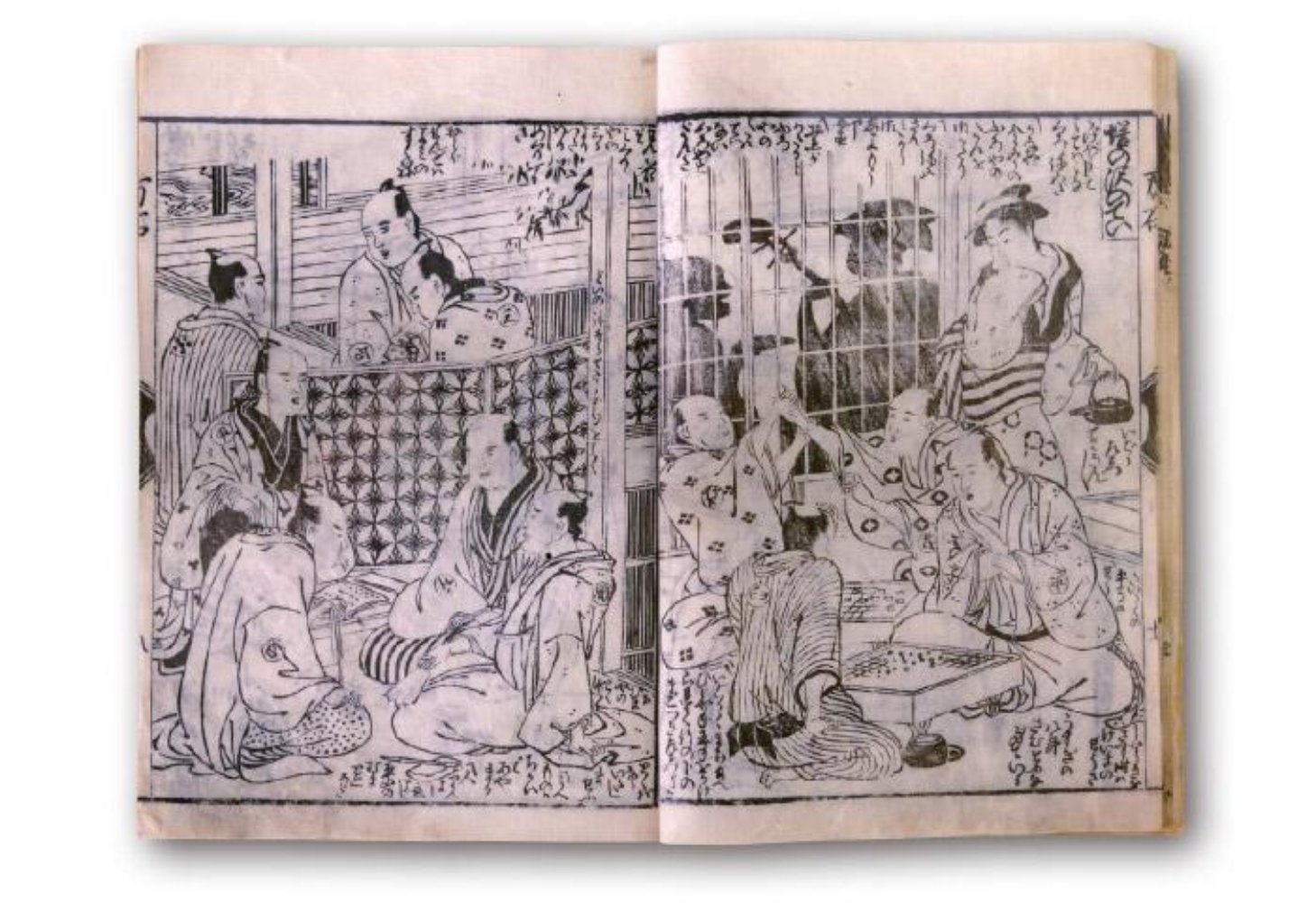
The emergence of modern privacy transformed this relationship. As domestic plumbing spread throughout Europe and North America during the nineteenth and twentieth centuries, bathing gradually migrated into the private sphere. Simultaneously, public washrooms became increasingly regulated through mechanisms of segregation and control.
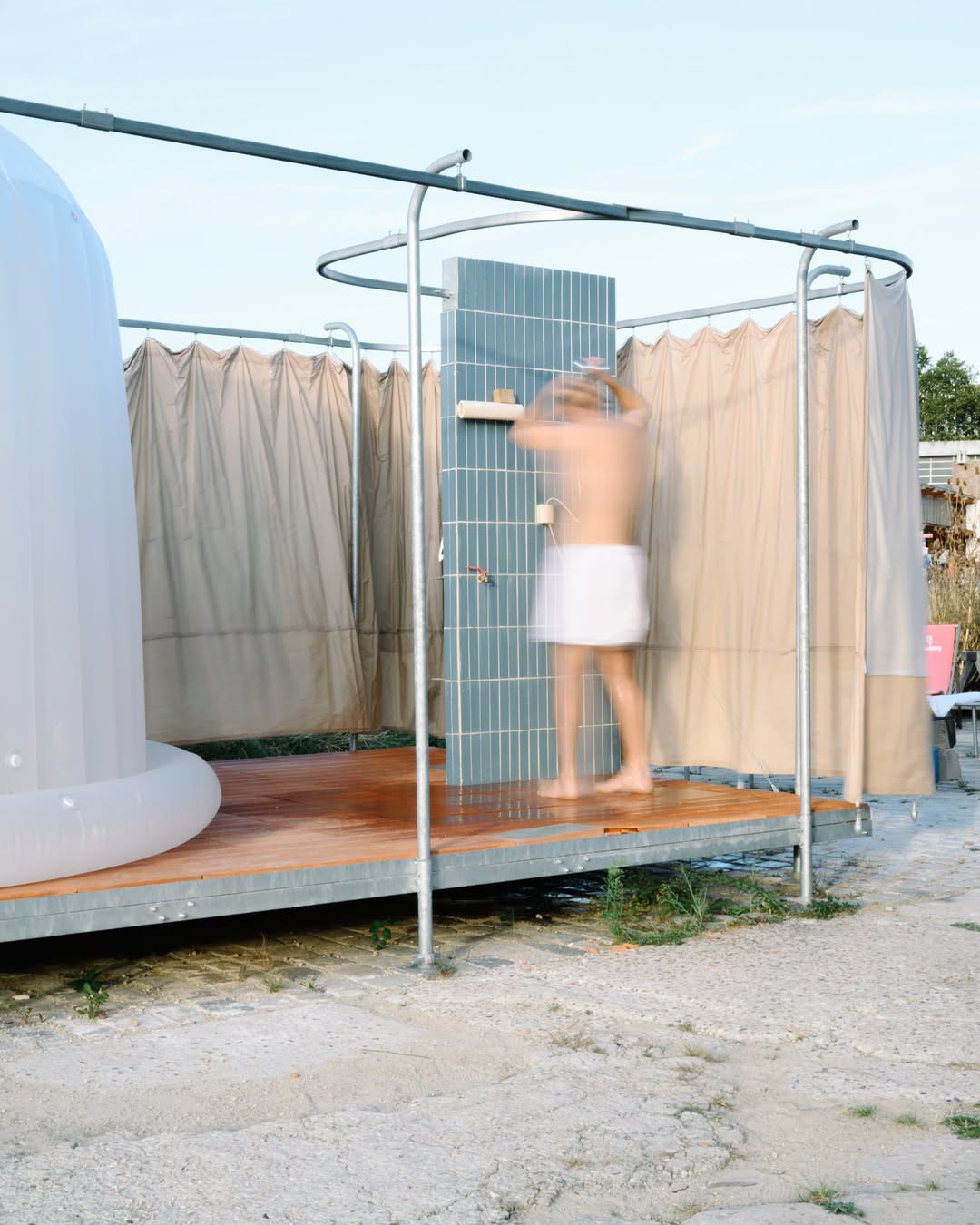
Gender, class, race, religion, and later disability became inscribed into architectural layouts and sanitary standards.
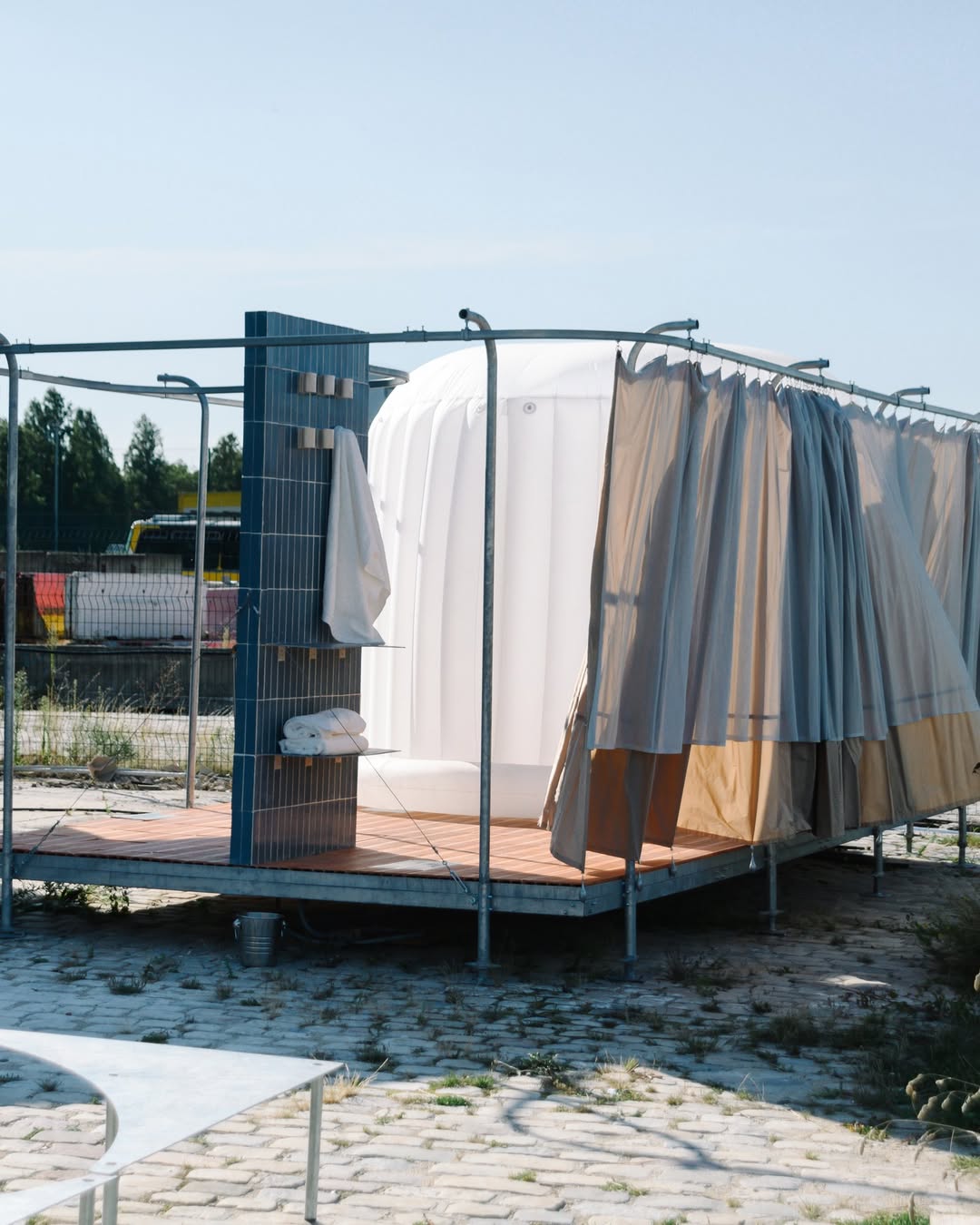
Restroom design thus becomes a record of shifting political ideologies, revealing what Michel Foucault described as the intimate relationship between architecture, discipline, and the governance of bodies (Foucault, 1975).
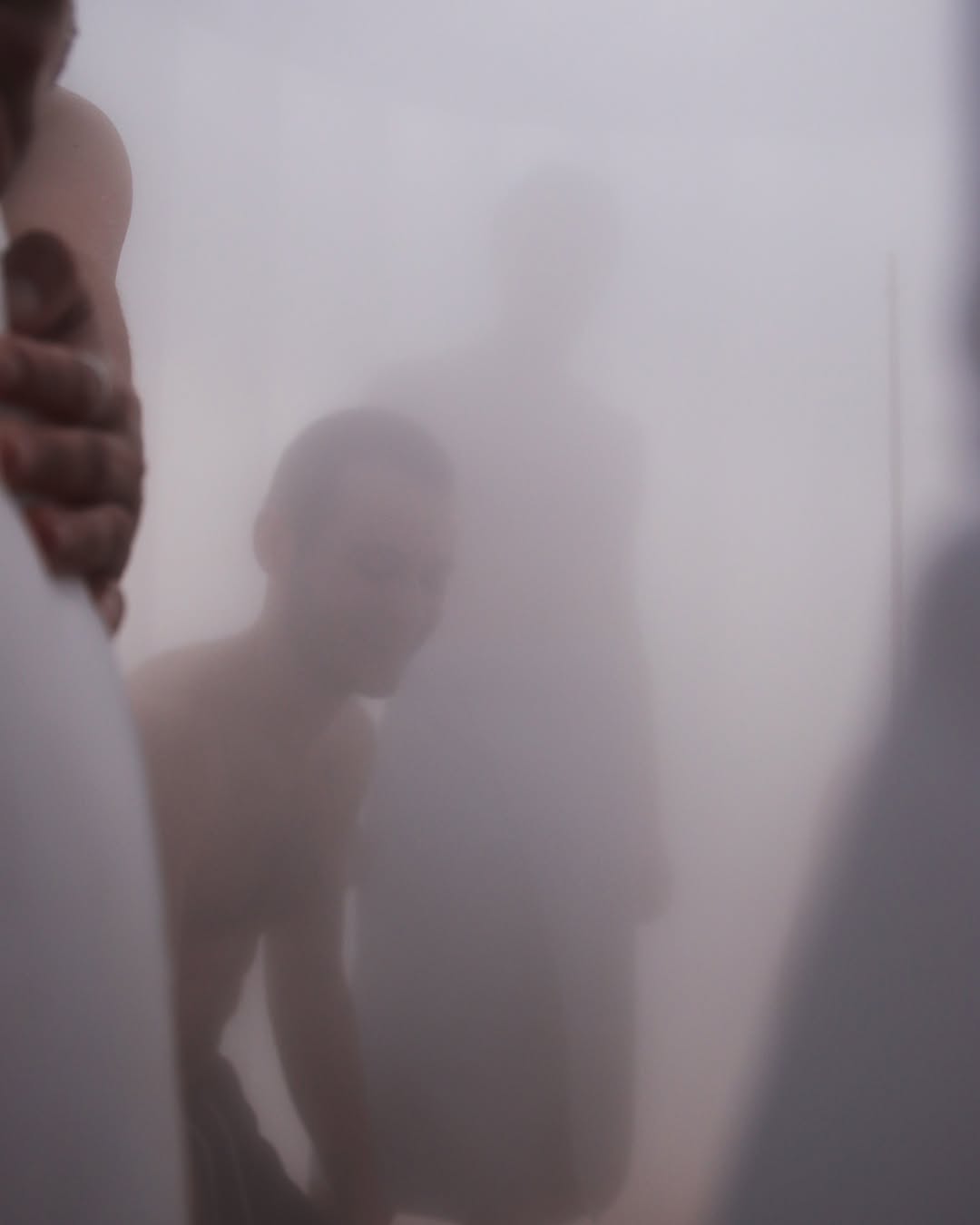
For Spanish philosopher Paul B. Preciado, the public restroom is not a neutral amenity but a political technology: an architectural apparatus that does not simply segregate bodies according to gender, but actively participates in the production and stabilization of “men” and “women” as social categories (Preciado, 2018).
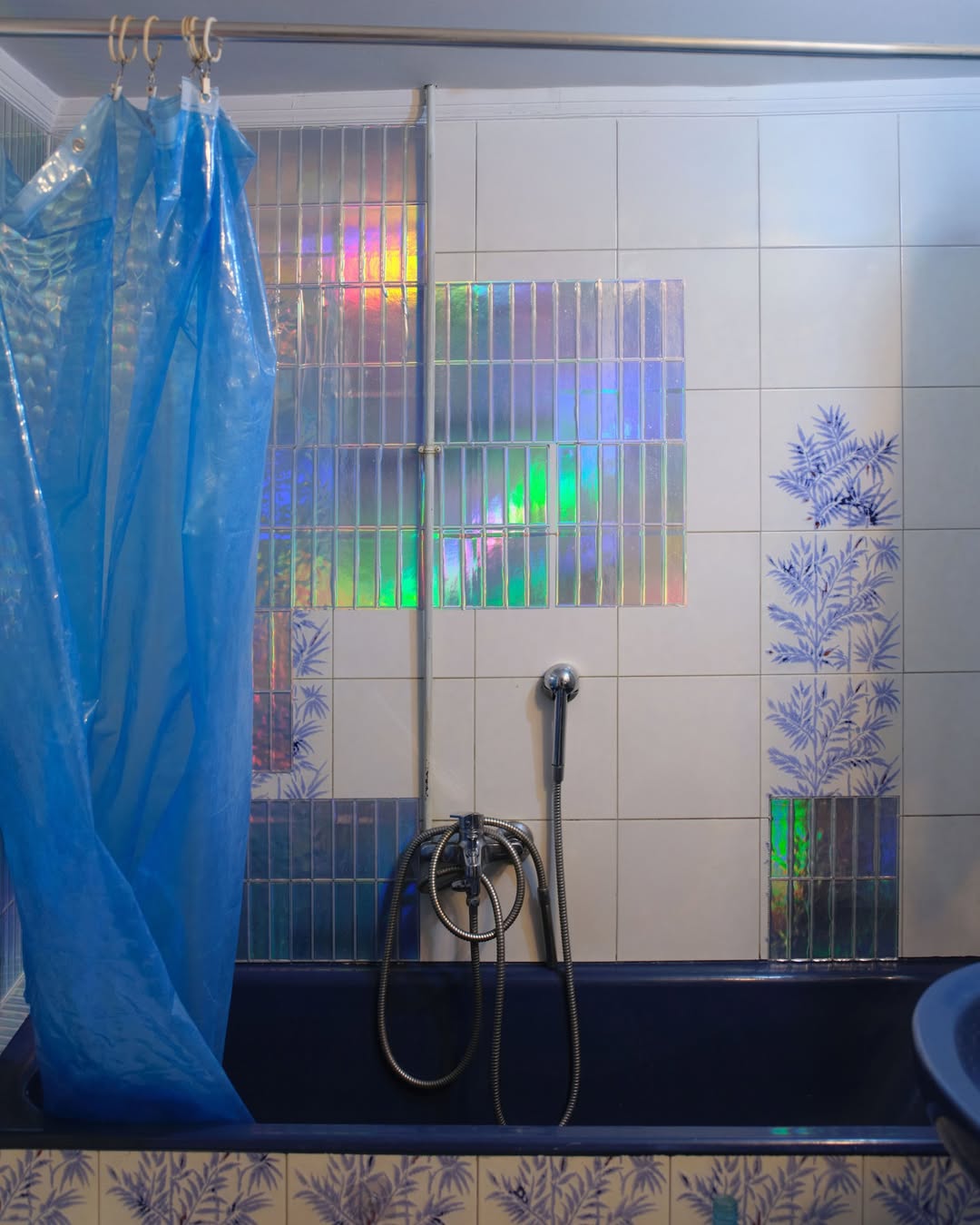
The first decades of the twenty-first century have further exposed the bathroom as a contested political territory. Debates surrounding accessible, inclusive design, gender-neutral facilities, and transgender rights have demonstrated that the washroom remains one of the most charged spaces in contemporary architecture, concealing deeper questions about recognition, visibility, and citizenship. Yet the bathroom also persists as a site of resistance. Even in its most utilitarian form, the washroom permits small acts of withdrawal and transgression.
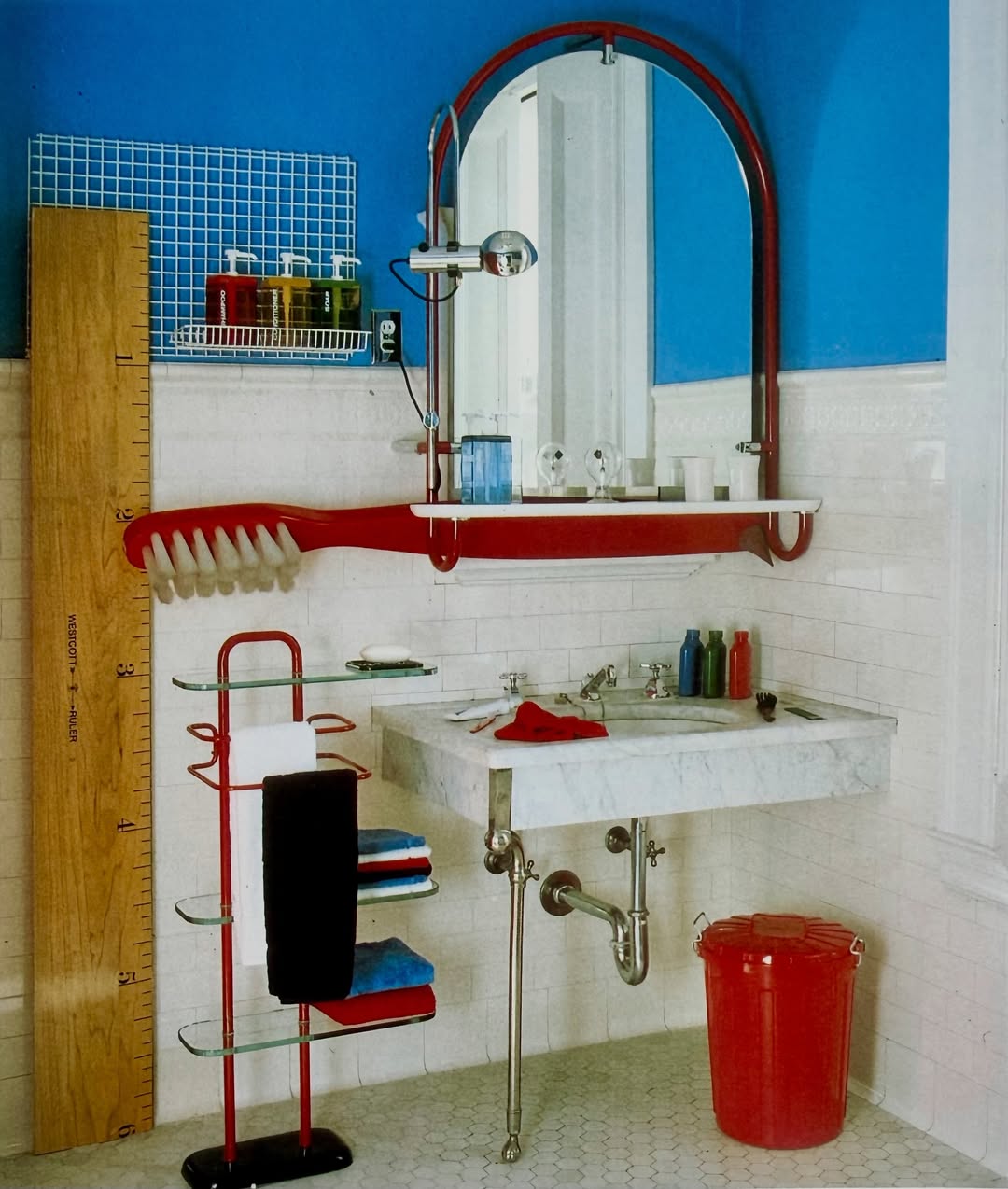
The office toilet, the railway-station restroom, the corner bathroom of a crowded apartment: each offers a temporary suspension of social obligations.
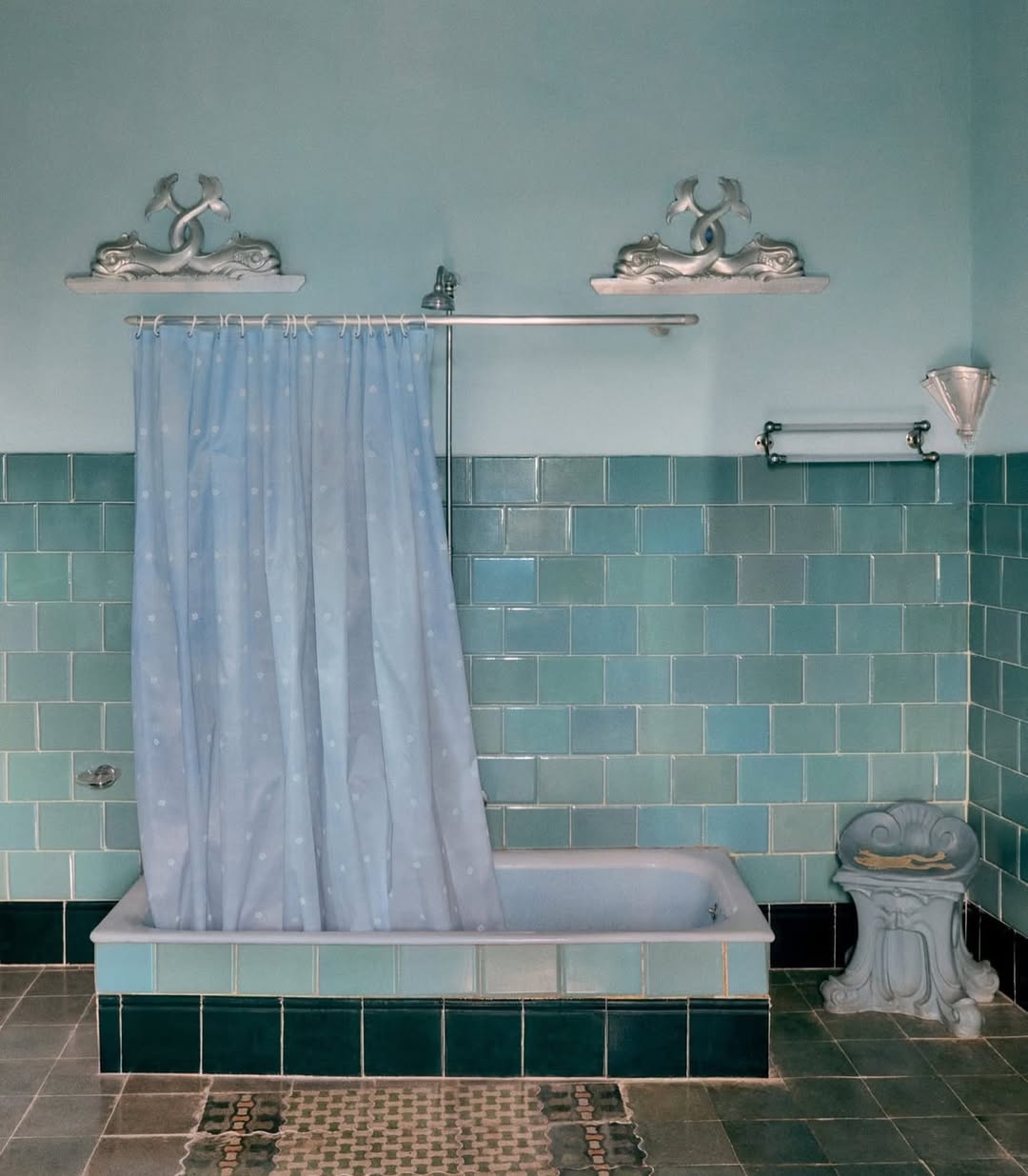
These are spaces where one lights a cigarette despite regulations, lingers longer than necessary, gazes into a mirror, cries in secret, or simply retreats from the relentless demands of productivity.
The bathroom is architecture’s escape hatch.
Such moments are not merely personal. They can destabilize broader social norms. Mahnaz Afzali’s documentary The Ladies Room (Zananeh, 2003) offers a striking example. Set within a women’s public restroom in Tehran’s Laleh Park, the film reveals a hidden social world formed among homeless women, sex workers, and other marginalized figures. Within the shelter of the restroom, women remove their veils, smoke, exchange confidences, discuss forbidden subjects, and create forms of solidarity otherwise unavailable in public life.
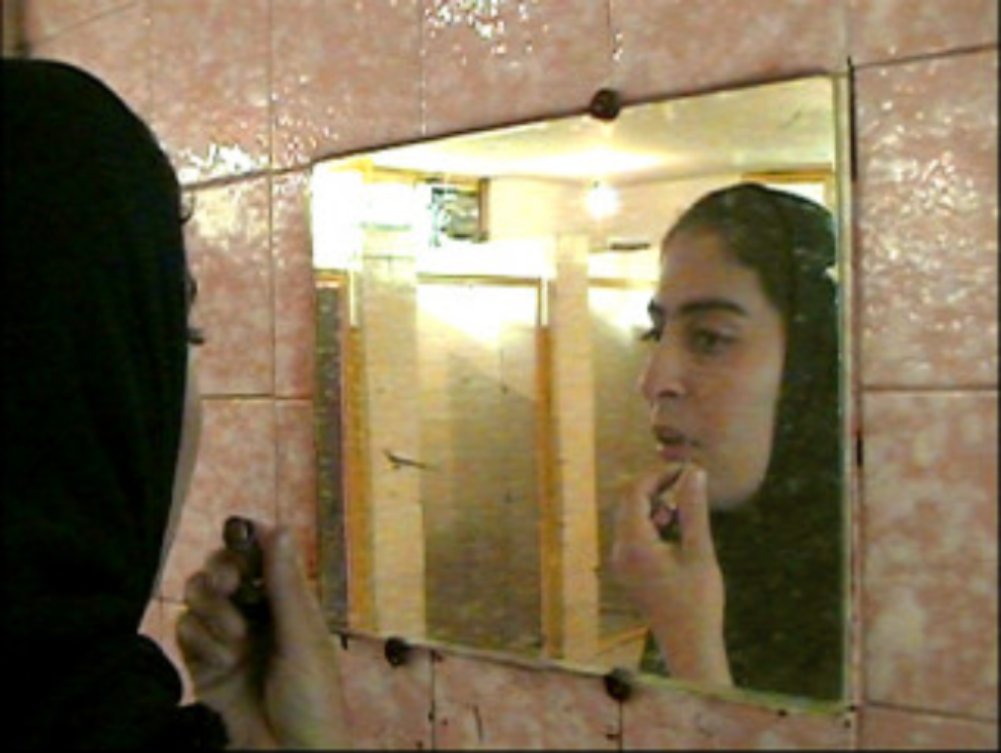
The washroom emerges as a micro-political commons.
Bathrooms therefore occupy a paradoxical position. They are among the most regulated spaces in contemporary society and among the most potentially liberating. Simultaneously spaces of discipline and refuge, surveillance and withdrawal, they resist stable categorization. Anthropologists have long understood bathing as a ritual of transition, while architectural theorists have increasingly described such environments as liminal spaces—thresholds where identities become temporarily unsettled (Turner, 1969).
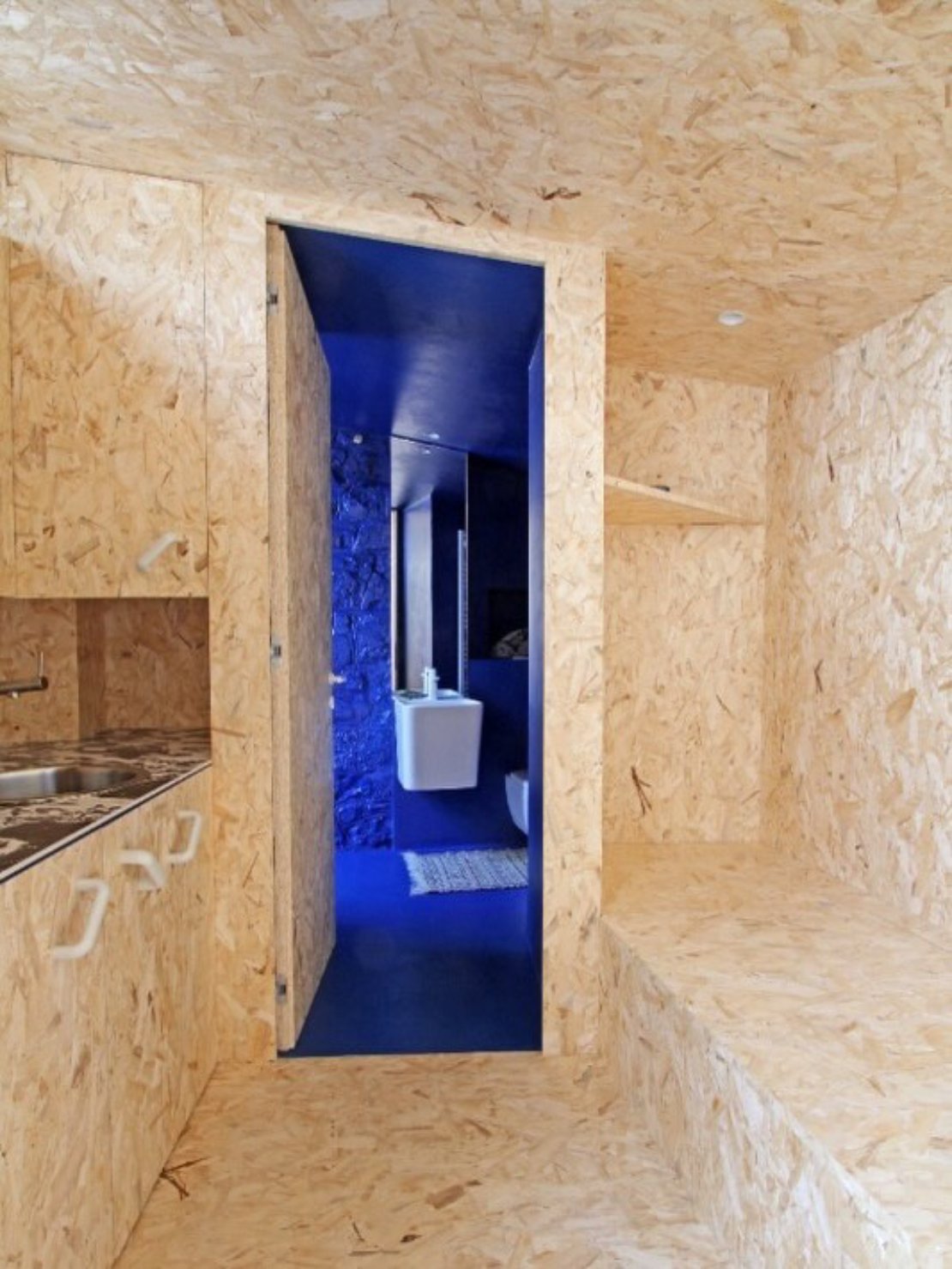
To enter a bathroom is to cross a boundary.
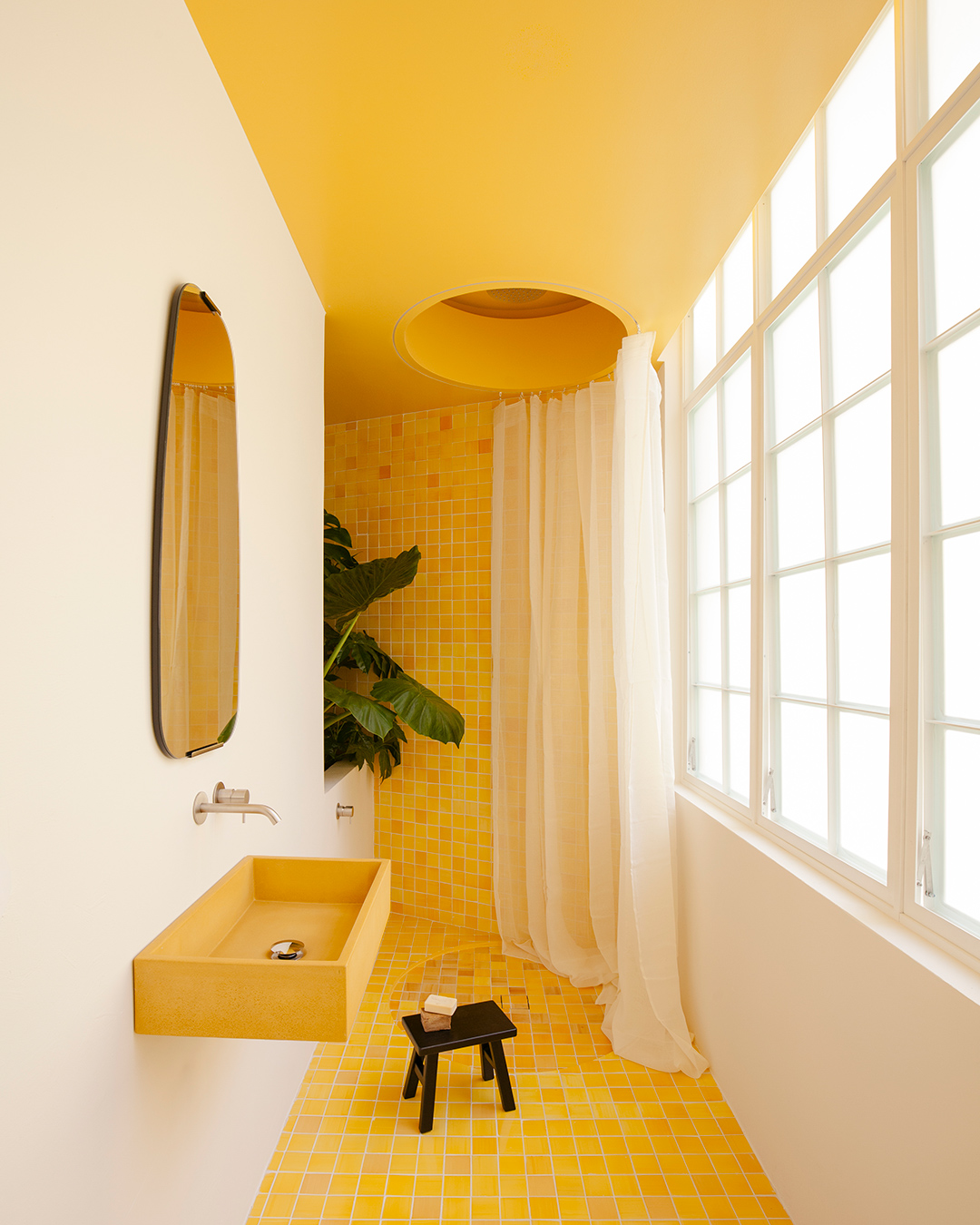
Sanda Vučković.
One leaves behind, however briefly, the social performance demanded elsewhere. The act of washing retains traces of purification rituals older than modern sanitation. Bathing remains a symbolic act of transformation even when stripped of religious meaning. If bathrooms are culturally determined spaces that silently materialize political ideologies, then every alteration in their architecture signals a possible transformation in the body of society.
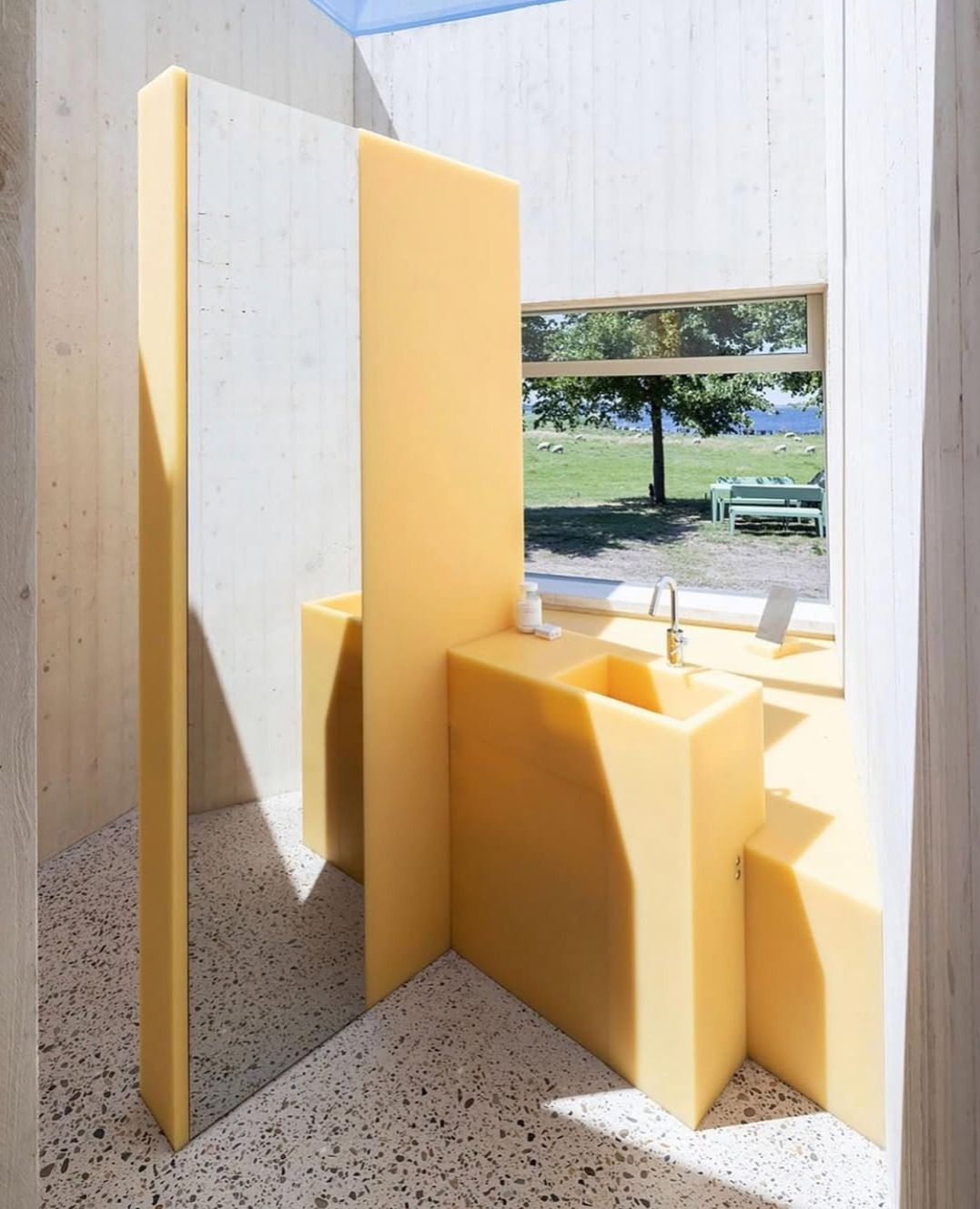
The question is therefore not simply how bathrooms reflect prevailing norms, but how they might produce new forms of communal life.
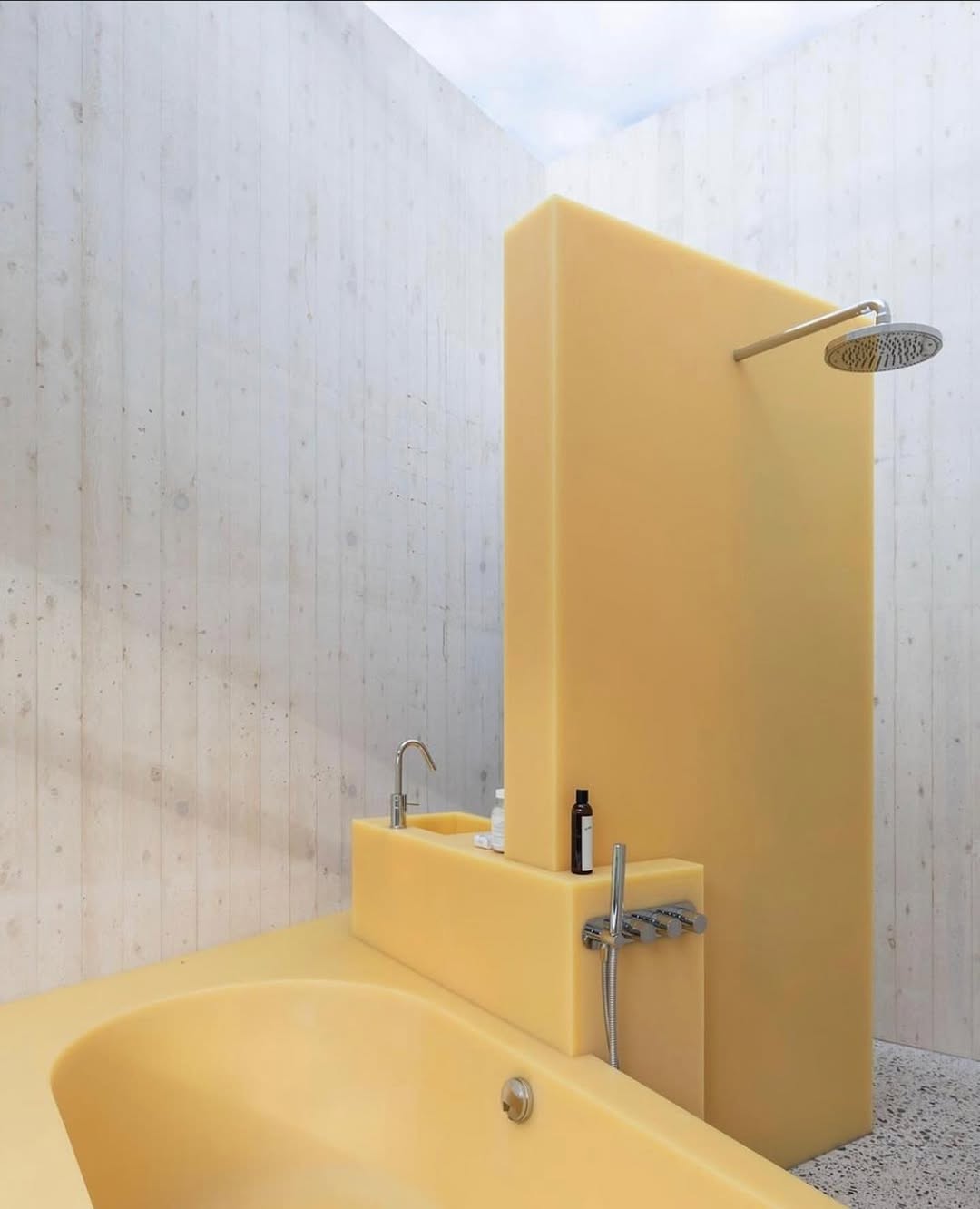
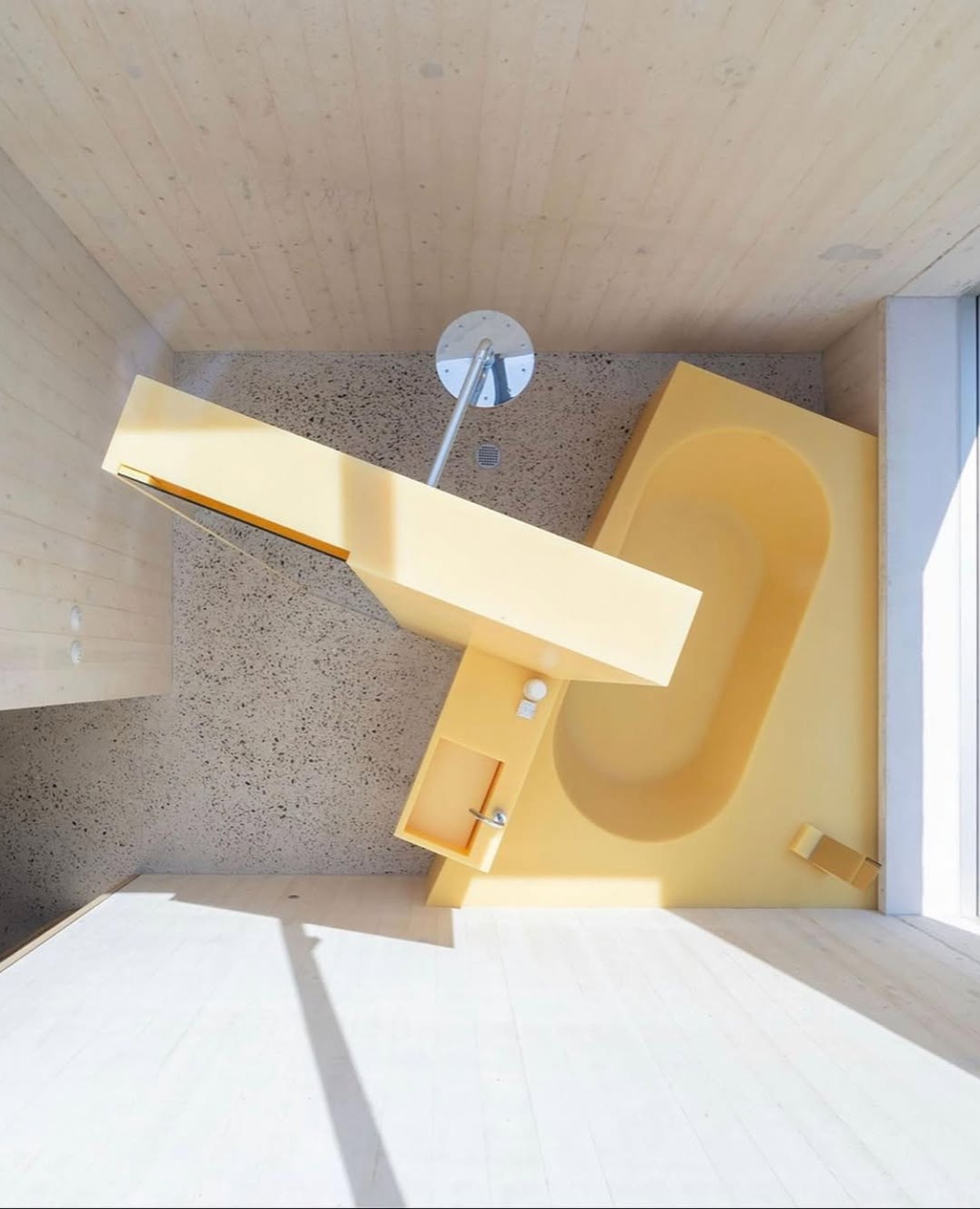
What would happen if the architecture of the washroom changed? What new forms of collectivity, vulnerability, and freedom might emerge from behind its door?
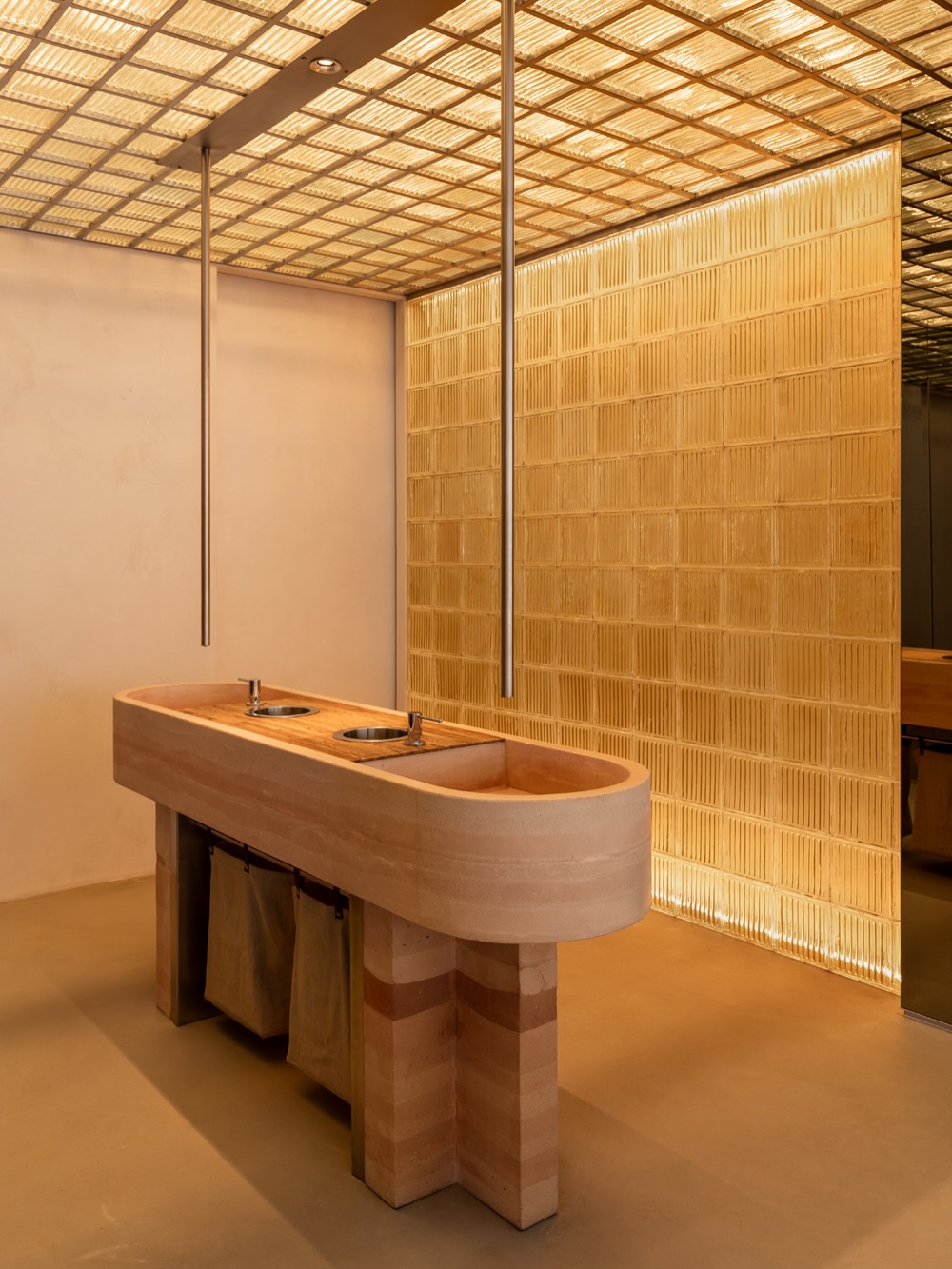
Architecture is never merely functional. It is a spatial instrument, tuned to intention, through which norms of privacy, hygiene, gender, and intimacy are endlessly rehearsed at the quiet scale of the everyday life.
Bibliography
Douglas, Mary. Purity and Danger: An Analysis of Concepts of Pollution and Taboo. London: Routledge, 1966.
Foucault, Michel. Discipline and Punish: The Birth of the Prison. New York: Vintage Books, 1975.
Merleau-Ponty, Maurice. Phenomenology of Perception. Paris: Gallimard, 1945.
Turner, Victor. The Ritual Process: Structure and Anti-Structure. Chicago: Aldine, 1969.
Žižek, Slavoj. The Plague of Fantasies. London: Verso, 1997.
Kira, Alexander. The Bathroom. New York: Viking Press, 1966.
Kristeva, Julia. Powers of Horror: An Essay on Abjection. New York: Columbia University Press, 1982 [French original 1980].
Preciado, Paul B. Countersexual Manifesto. New York: Columbia University Press, 2018.