DIY Architectures for Everyday People
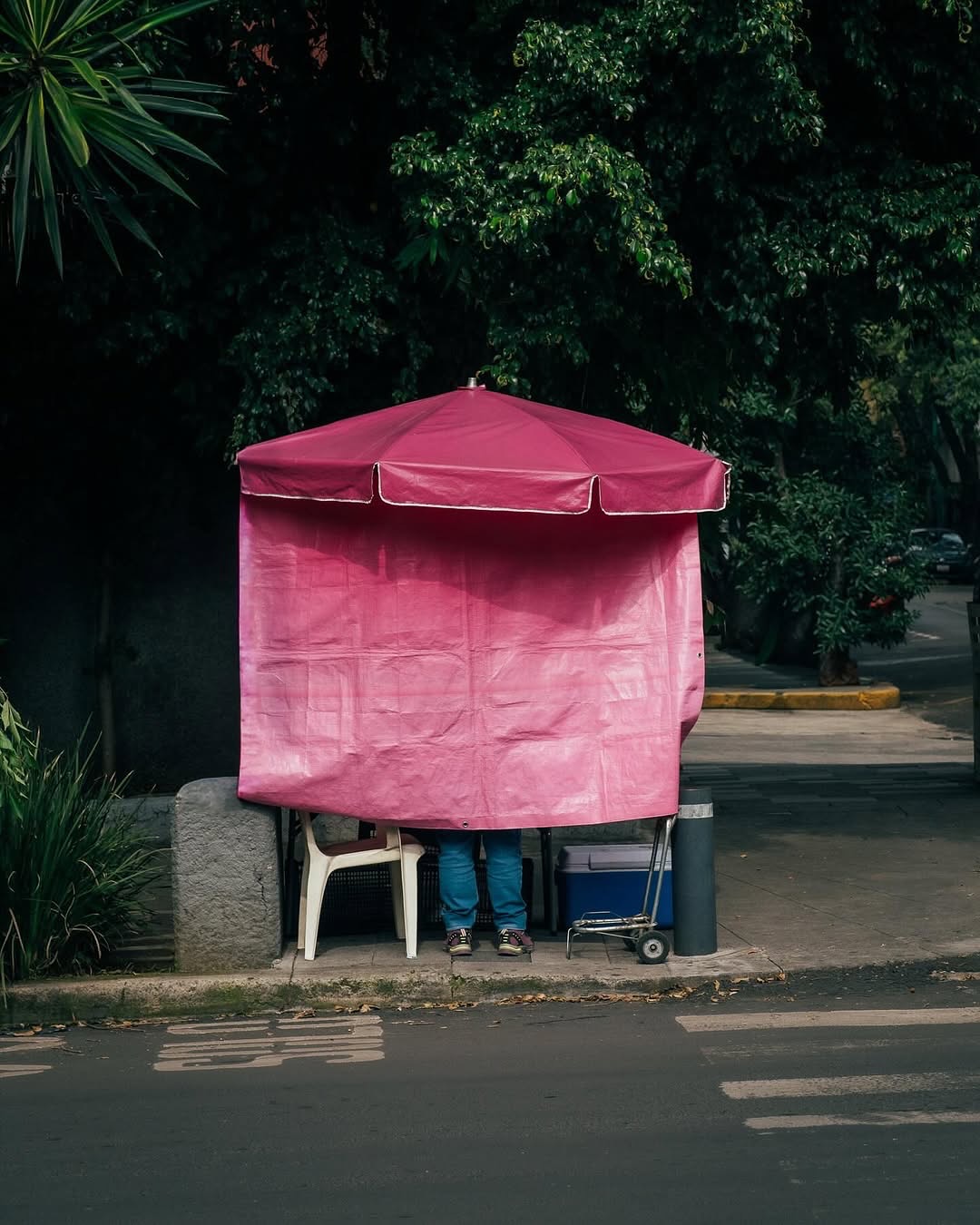
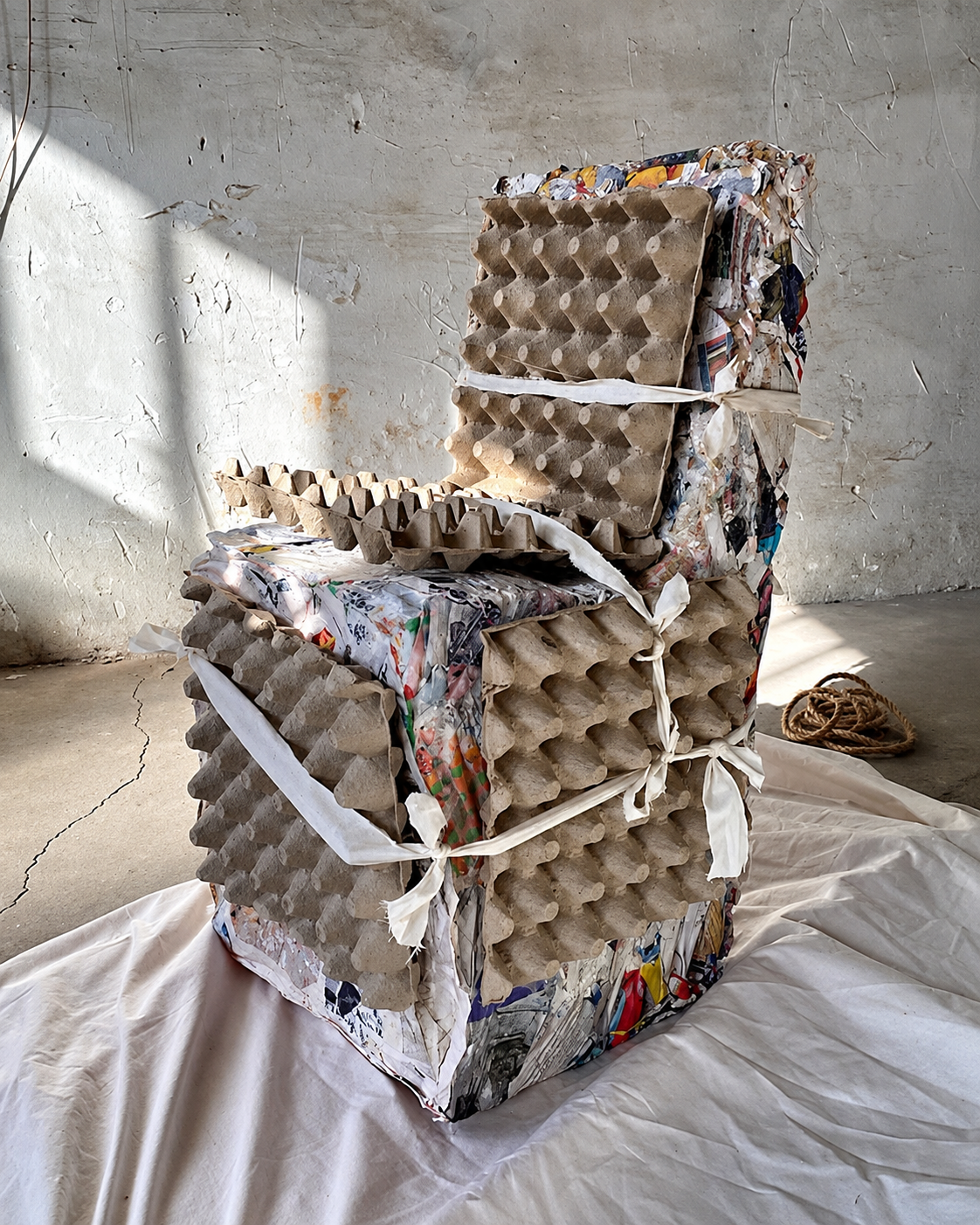
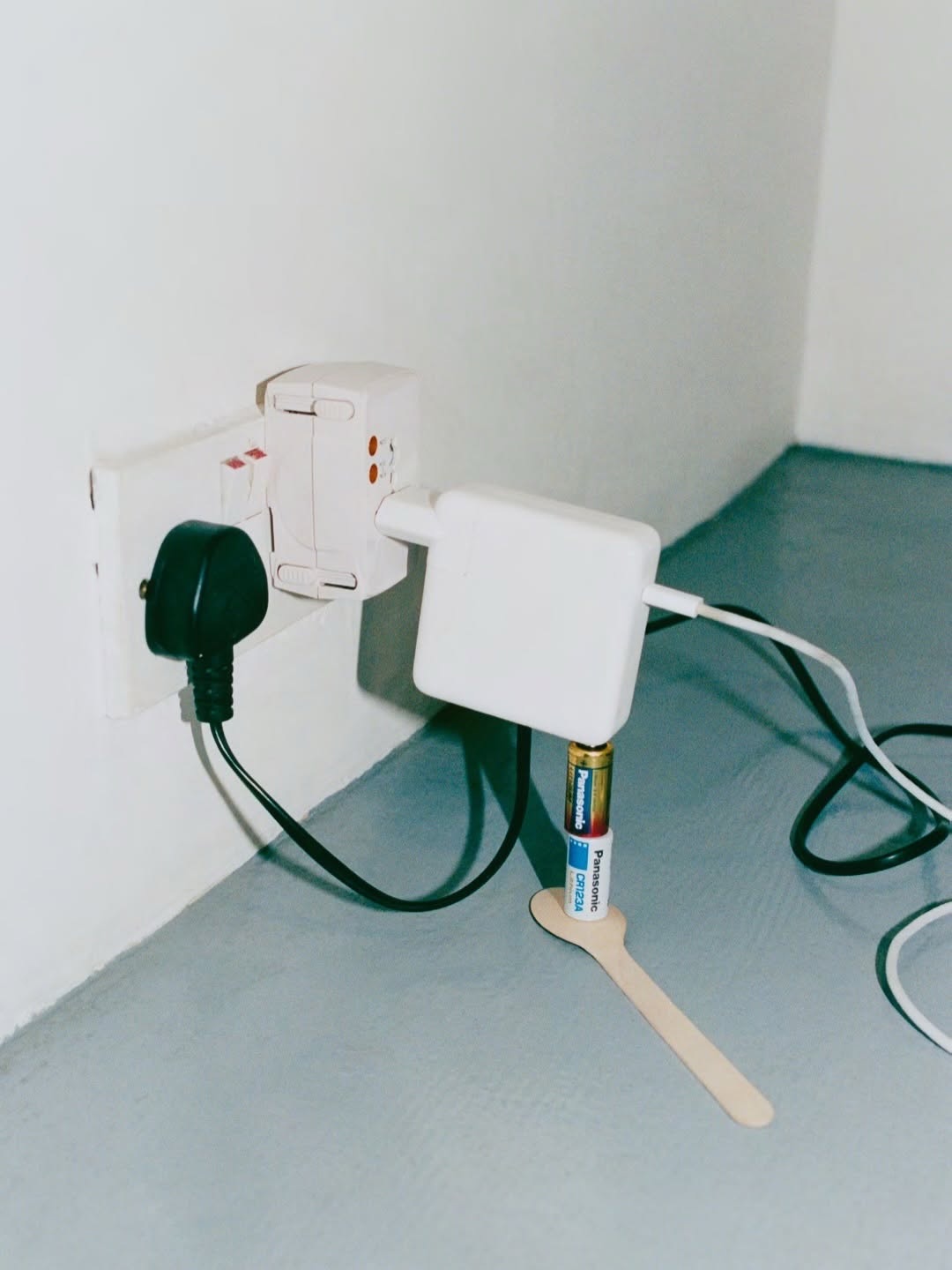
There is something undeniably familiar and strikingly true in DIY ephemeral micro-architectures, often known as patentes.
From small-scale objects to impromptu furniture and housing structures, their improvised designs and urban ingenuity celebrate the resourcefulness of ordinary people, through which folk wisdom transforms everyday life into a vibrant expression of sustainable innovation.
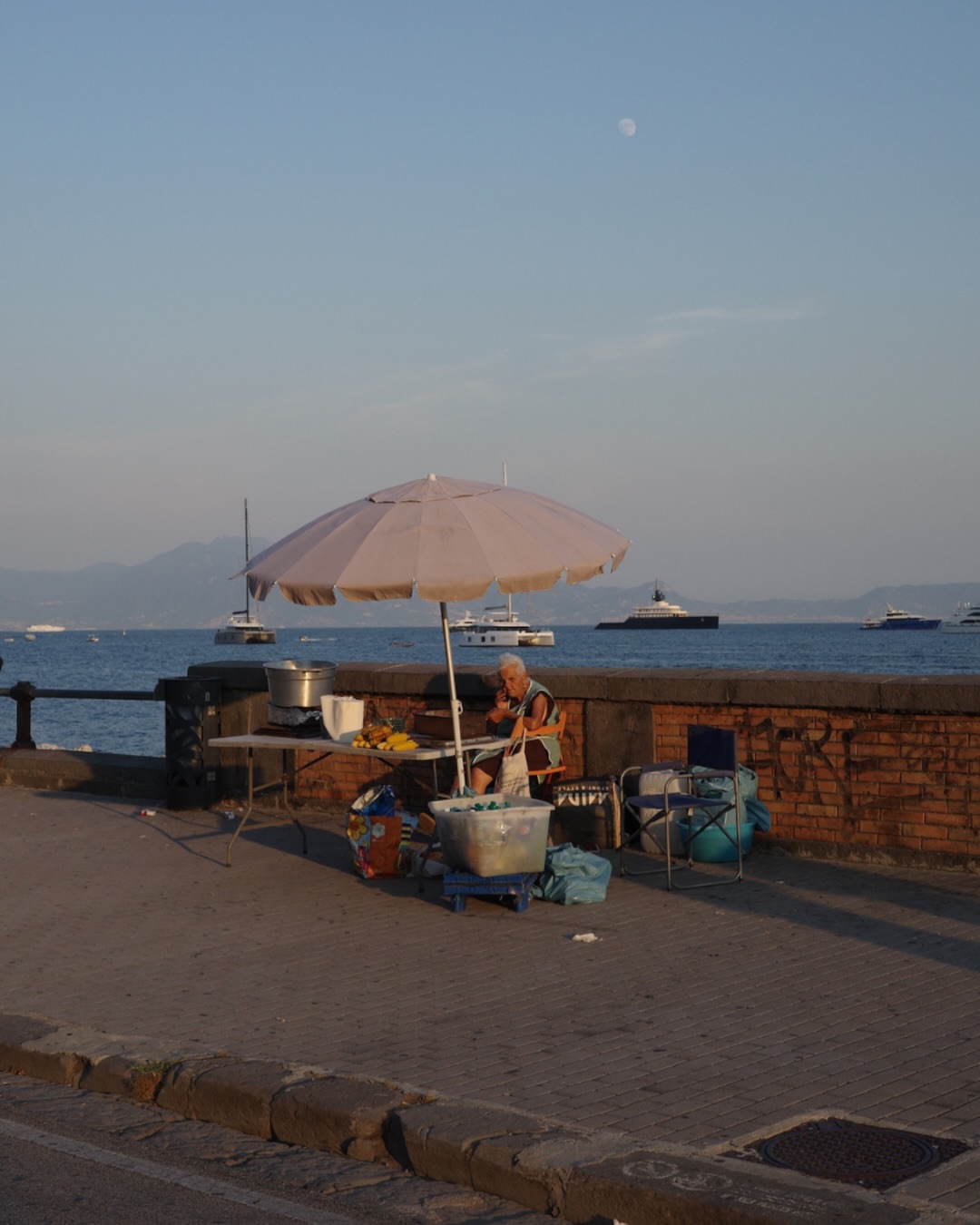
Made with what is at hand and assembled through intuition rather than formal training, these DIY architectures reveal an unintentional artistry: a way of building that is less concerned with authorship than with use, adaptation, and immediacy.

Their logic resonates with what Michel de Certeau describes as the “tactics” of everyday life: subtle, adaptive practices through which everyday people negotiate, appropriate, and momentarily transform spaces structured by systems beyond their control (de Certeau, 1984). In this sense, patentes are more than makeshift constructions. They are spatial practices through which agency asserts itself within constraint, quietly rewriting the conditions of the built environment from within.
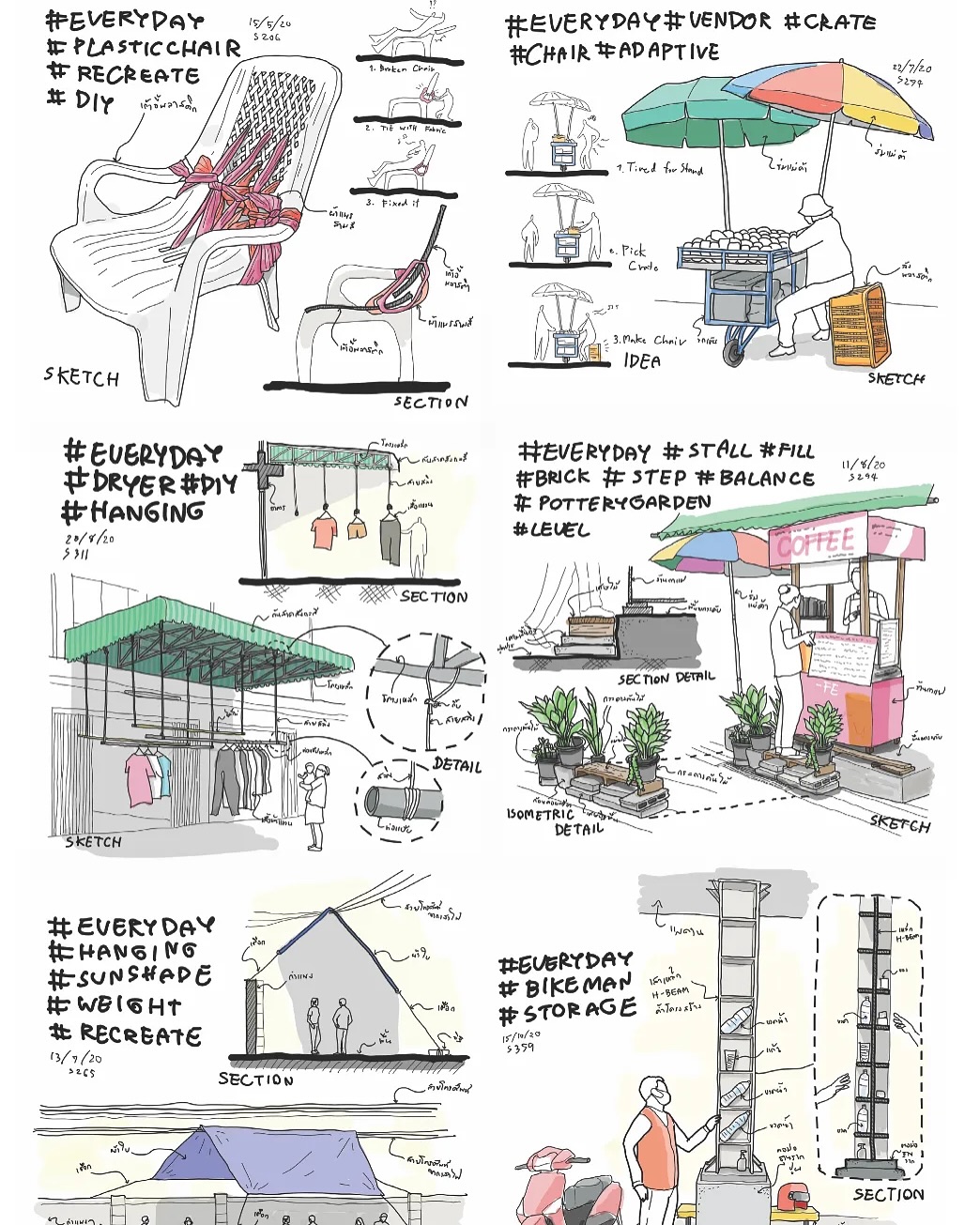
Their designs emerge from a vernacular intelligence that is embodied rather than codified.
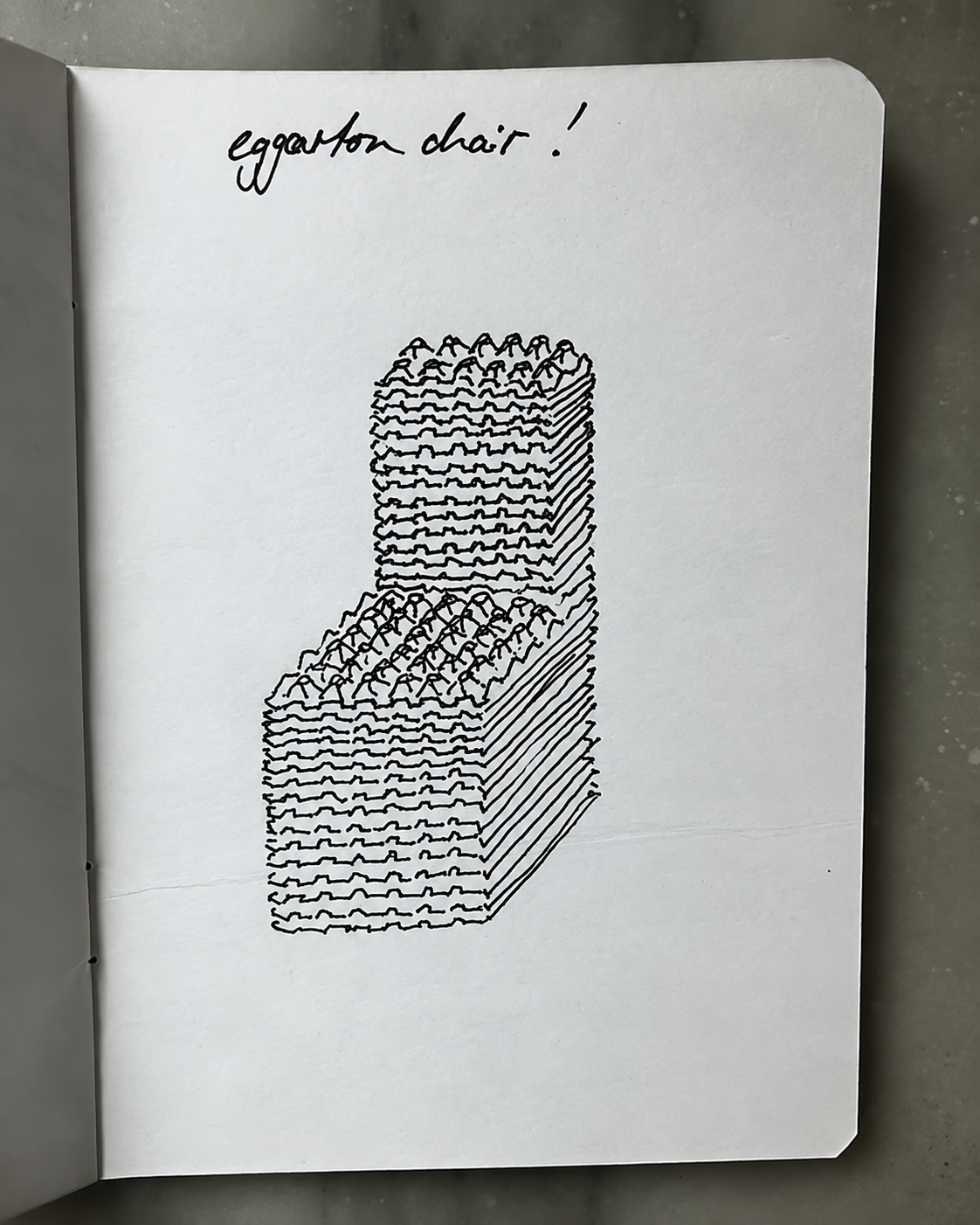
They are shaped by observation, experience, memory, and the practical knowledge of making do.
This recalls Ivan Illich’s notion of conviviality, in which tools become empowering when they remain under the control of those who use them, rather than being dictated by institutional or industrial systems (Illich, 1973). DIY architectures enact precisely this kind of conviviality.
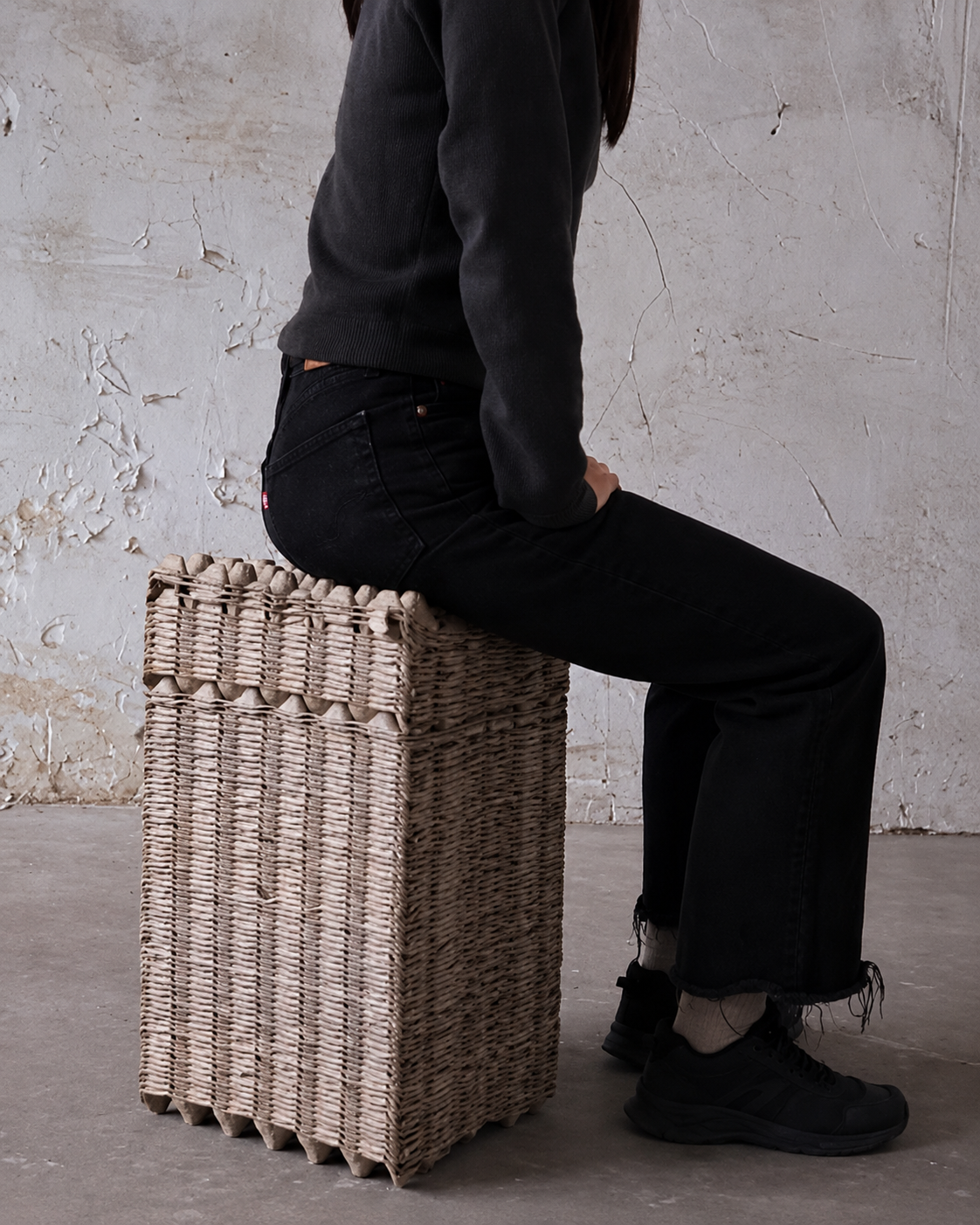
Their materials, proportions, and configurations are not prescribed in advance but negotiated through lived experience.
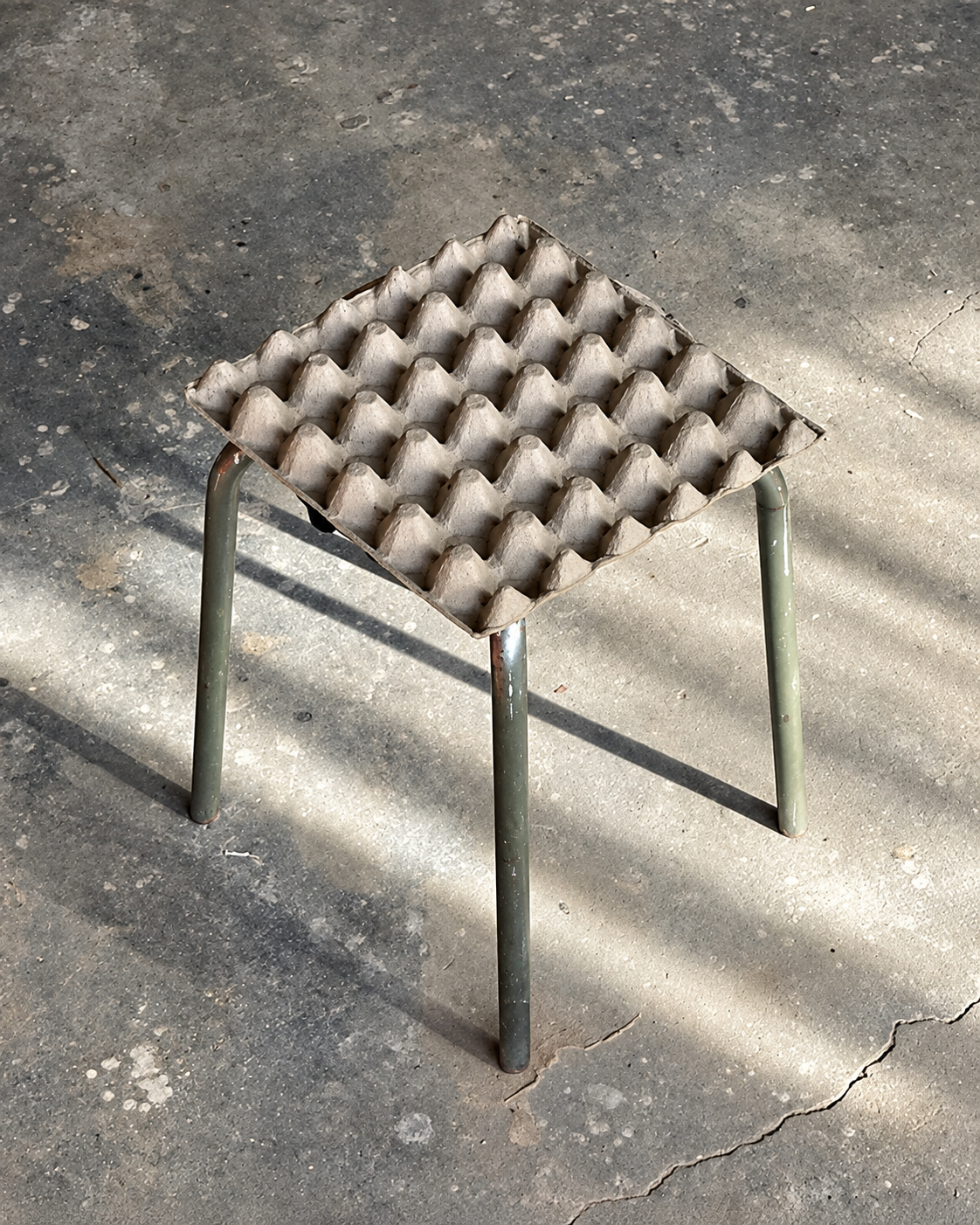
In resisting standardisation, they foreground a situated knowledge of space—one that begins not with the abstract user, but with the person who inhabits, repairs, modifies, and reimagines it. In their fleeting presence, these micro-architectures can alter space both temporarily and profoundly. A neglected corner becomes a shelter; a sidewalk becomes a place of exchange; a discarded object acquires another life and another meaning. Their interventions may be materially modest, yet spatially they are far from insignificant.
By occupying gaps, edges, and residual spaces, patentes interrupt dominant spatial logics and produce alternative forms of urban life. They suggest that the city is not only designed from above, through plans and regulations, but continuously rewritten from below through countless acts of appropriation.
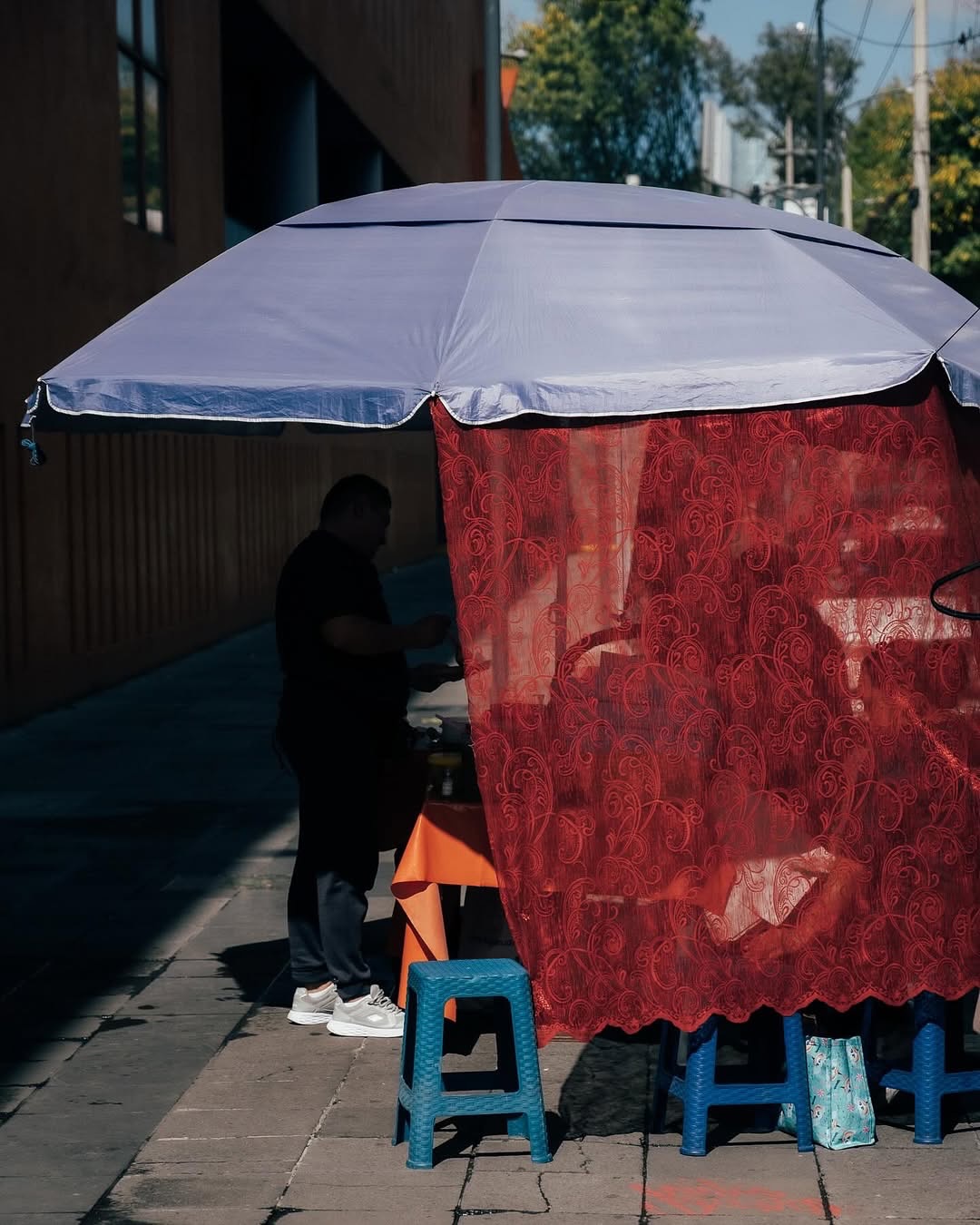
This condition brings them into dialogue with Ananya Roy’s understanding of informality, not as an absence of order but as a mode of urbanisation structured by flexible, adaptive, and often invisible systems (Roy, 2005). From this perspective, patentes should not be understood simply as exceptions to formal architecture or as symptoms of disorder.
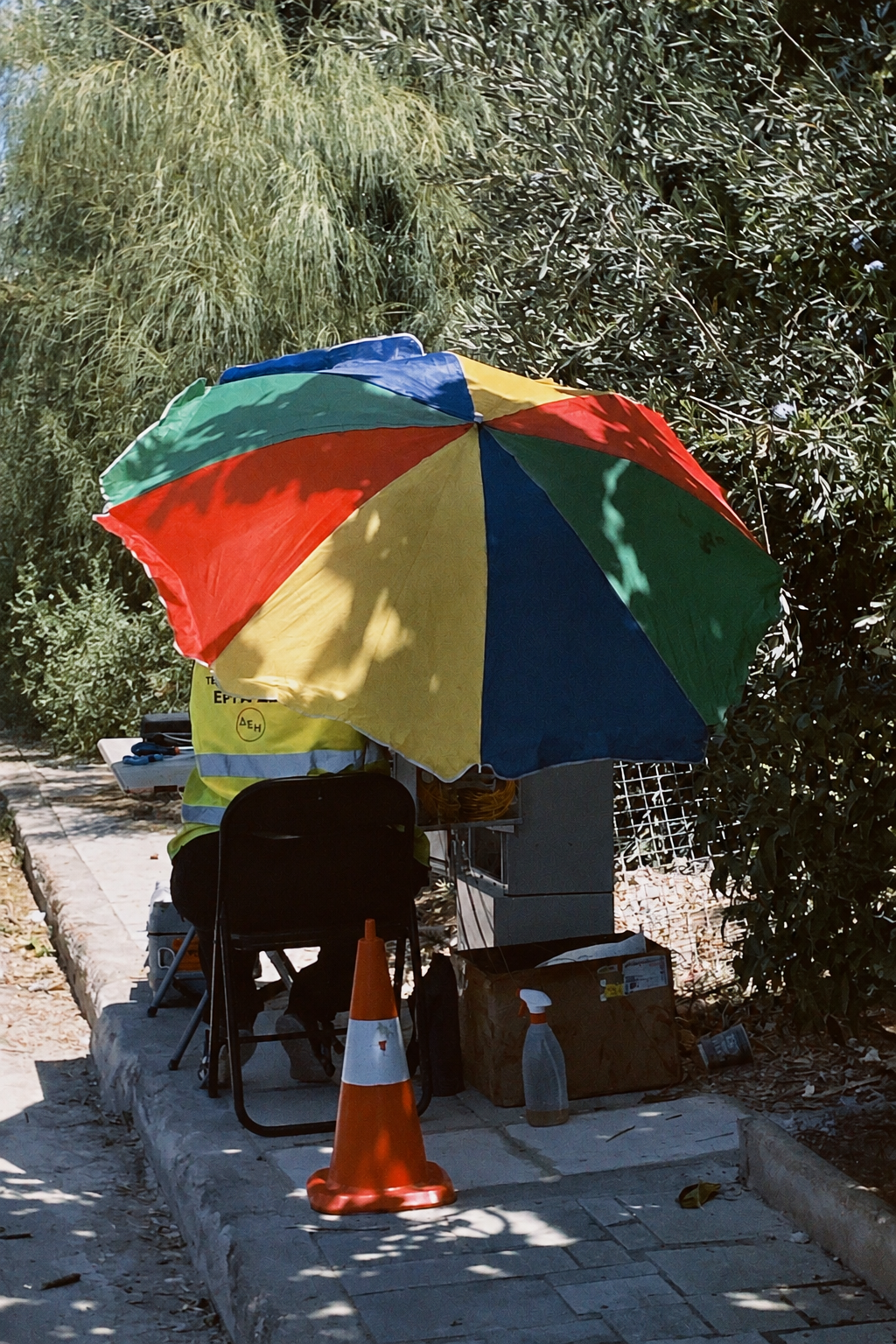
They belong to a wider ecology of urban practices through which people negotiate scarcity, uncertainty, and changing circumstances. Their informality is therefore not merely a lack of regulation; it is a form of spatial knowledge—responsive, opportunistic, and resilient.
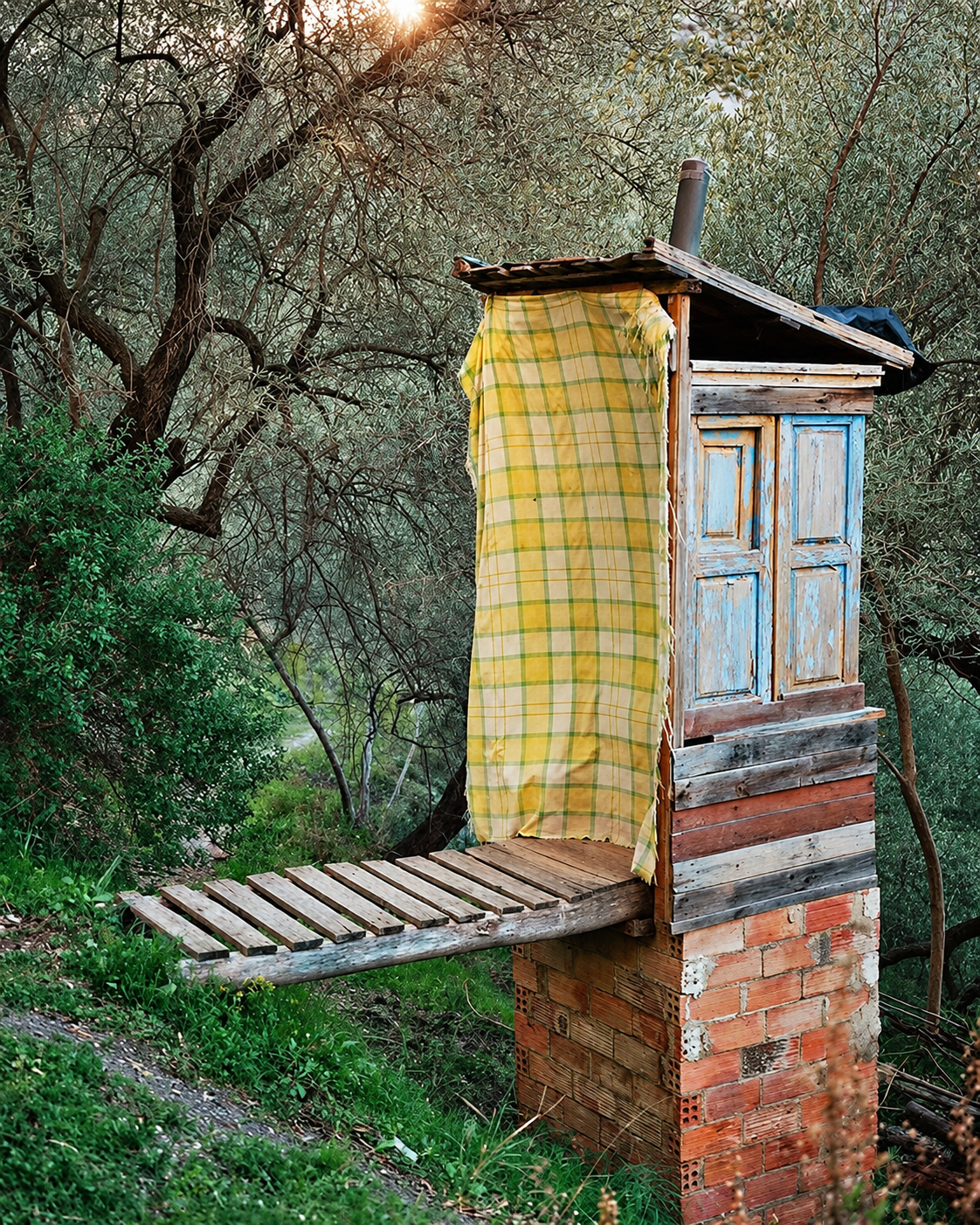
There is also an ecological intelligence embedded in their material logic.
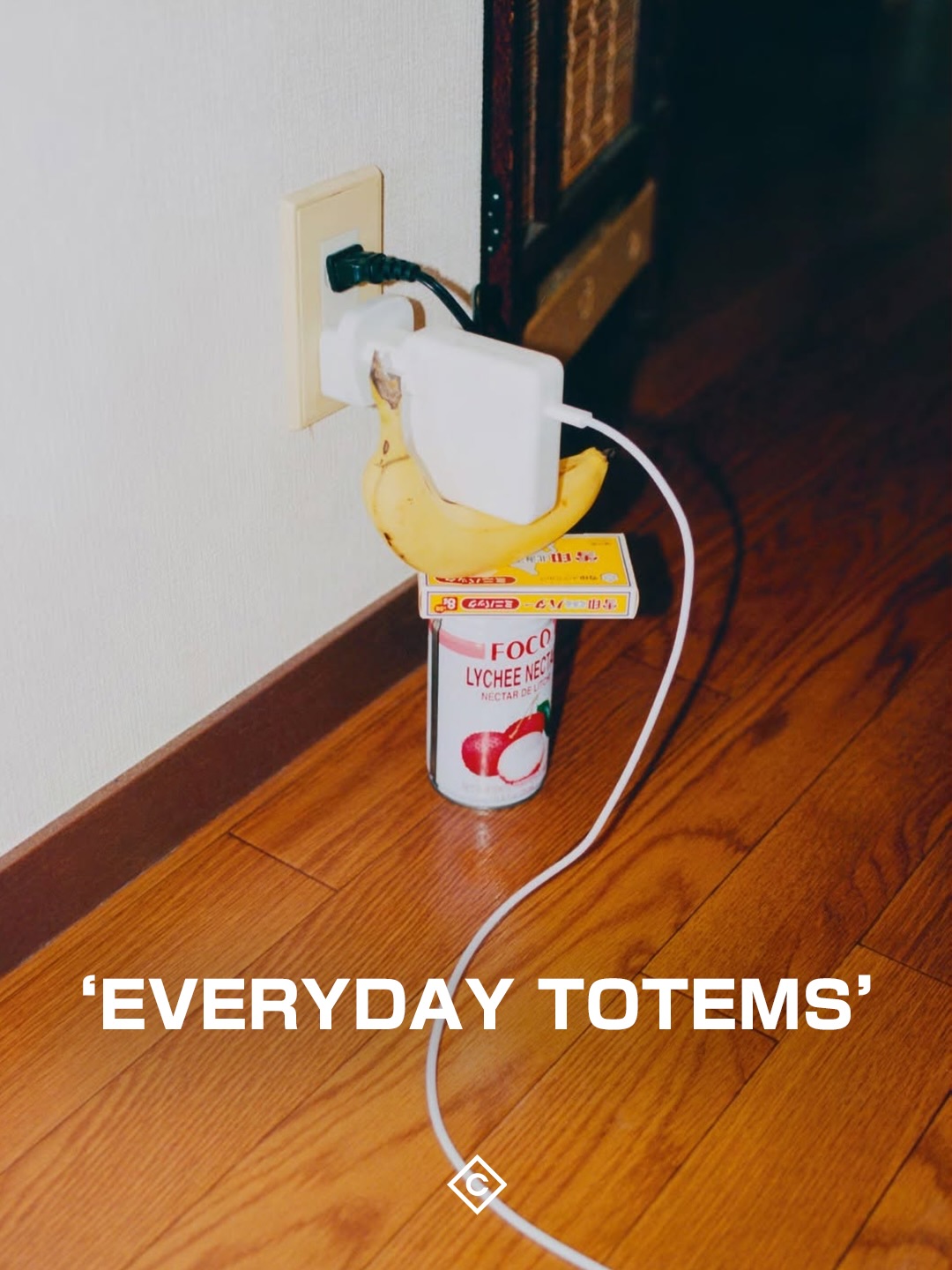
Objects and materials that might otherwise be discarded are repaired, recombined, and re-signified. Nothing is necessarily understood as having a single, predetermined life. This instinctive material circularity can be read alongside William McDonough and Michael Braungart’s Cradle to Cradle proposition, which challenges the linear logic of production—where resources are extracted, transformed, consumed, and ultimately discarded—and instead advocates for systems in which materials remain perpetually within cycles of use, either as biological or technical nutrients (McDonough and Braungart, 2002).
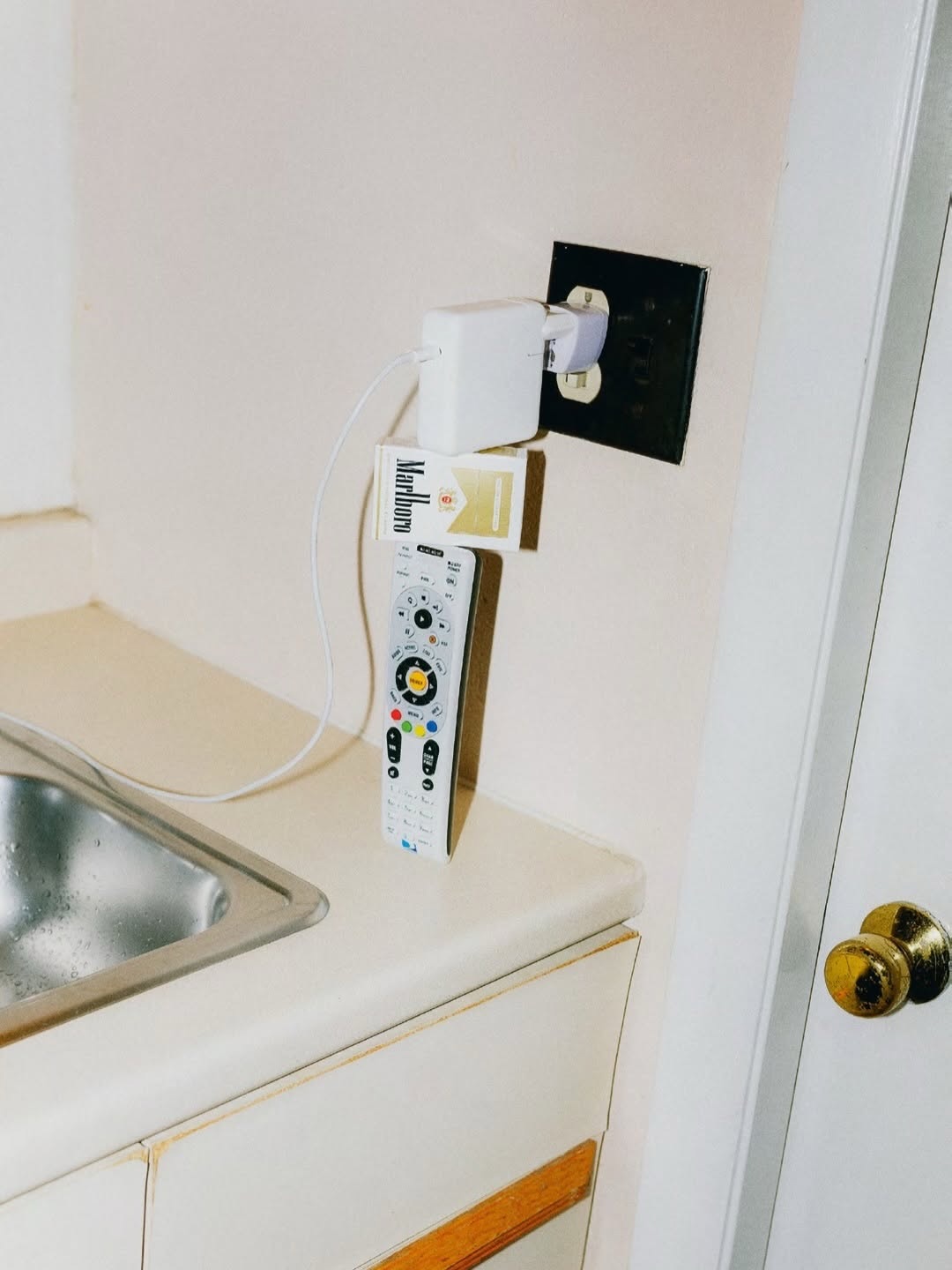
Patentes, however, arrive at a comparable logic from an entirely different direction. Their reuse of discarded materials is not the outcome of a consciously designed circular economy, but of necessity, frugality, and an intimate understanding of material potential. Where McDonough and Braungart articulate circularity as a deliberate design paradigm, patentes enact it intuitively: they extend the life of objects, recombine what already exists, and postpone disposal through acts of everyday ingenuity—a sustainability practised before it is theorised.
Their temporality is equally significant.
DIY architectures do not seek permanence; indeed, their meaning may depend precisely on their capacity to appear, adapt, disappear, and reappear elsewhere.
In this sense, they resonate with Bernard Tschumi’s conception of architecture as inseparable from event, movement, and transience, where spatial meaning is produced through occupation and experience rather than through permanence alone (Tschumi, 1996). A DIY structure is not simply an object placed in space; it is an event, a temporary arrangement of matter, bodies, actions, and circumstances.
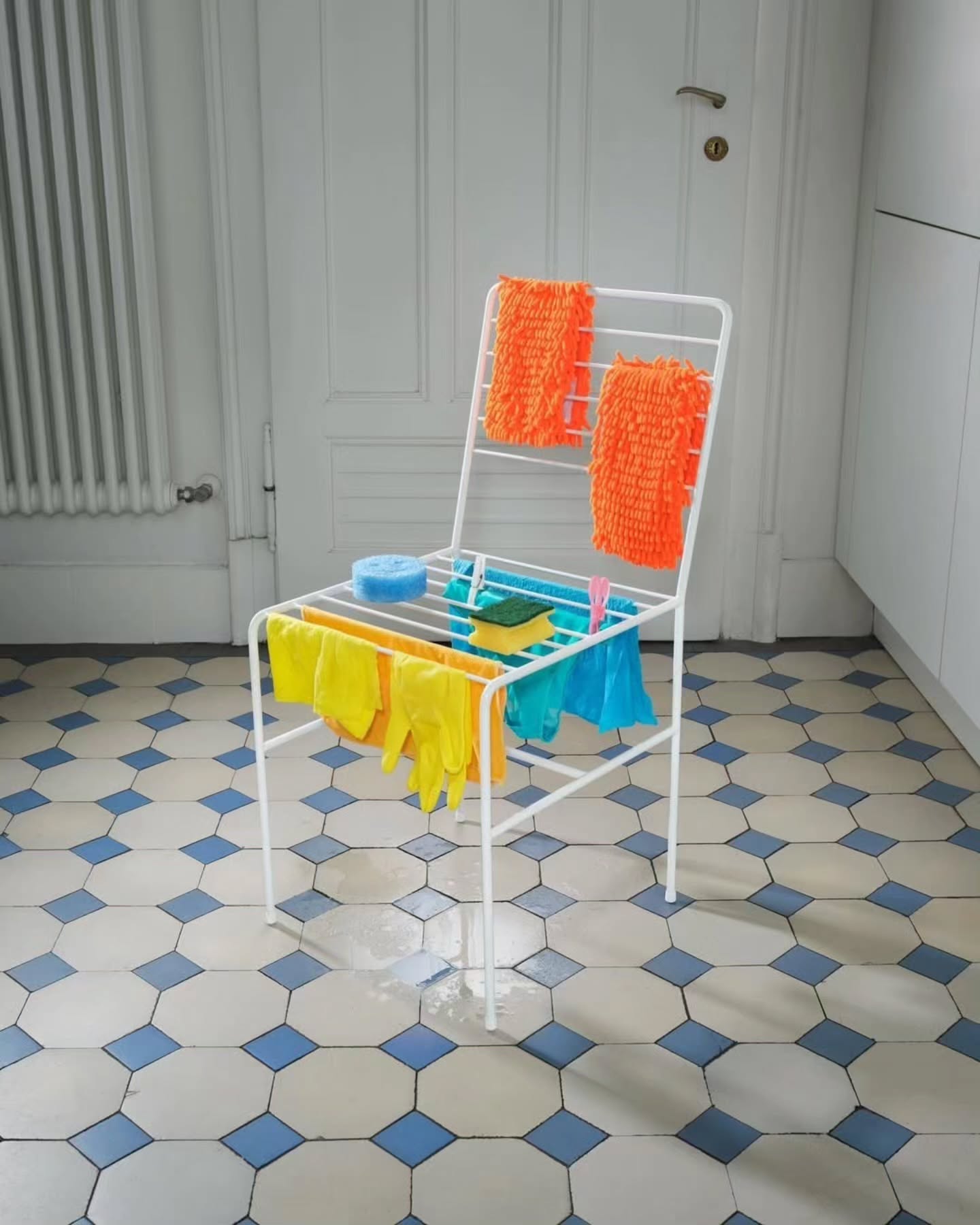
Its architecture exists in the interval between making and dismantling, between necessity and invention.
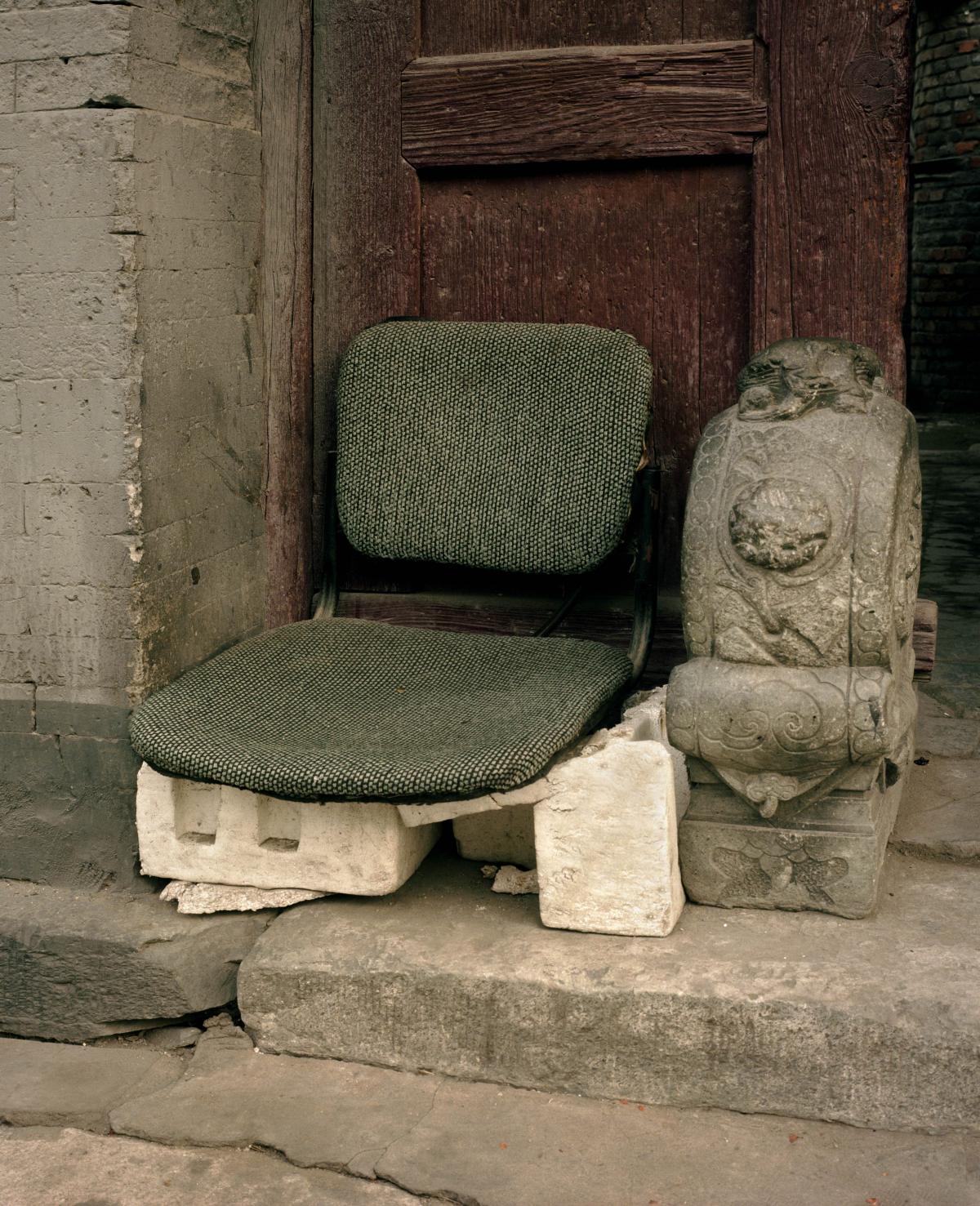
Perhaps this is where their particular poetry resides. Their impermanence does not diminish them; it makes them more immediate. They leave traces not necessarily in the material fabric of the city, but in memory, use, and collective experience.
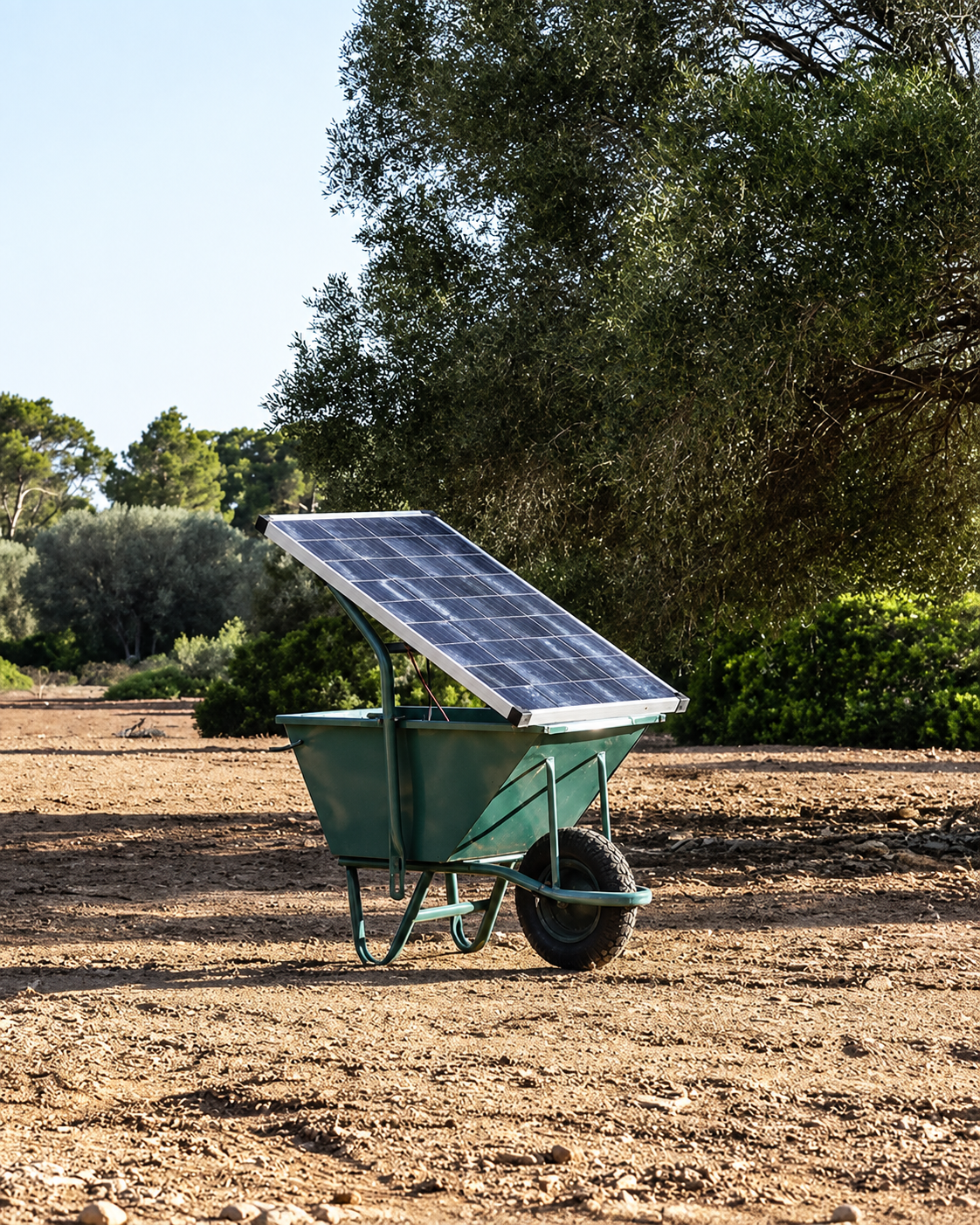
Each one records a moment of adaptation: a gesture of care, resourcefulness, or resistance.
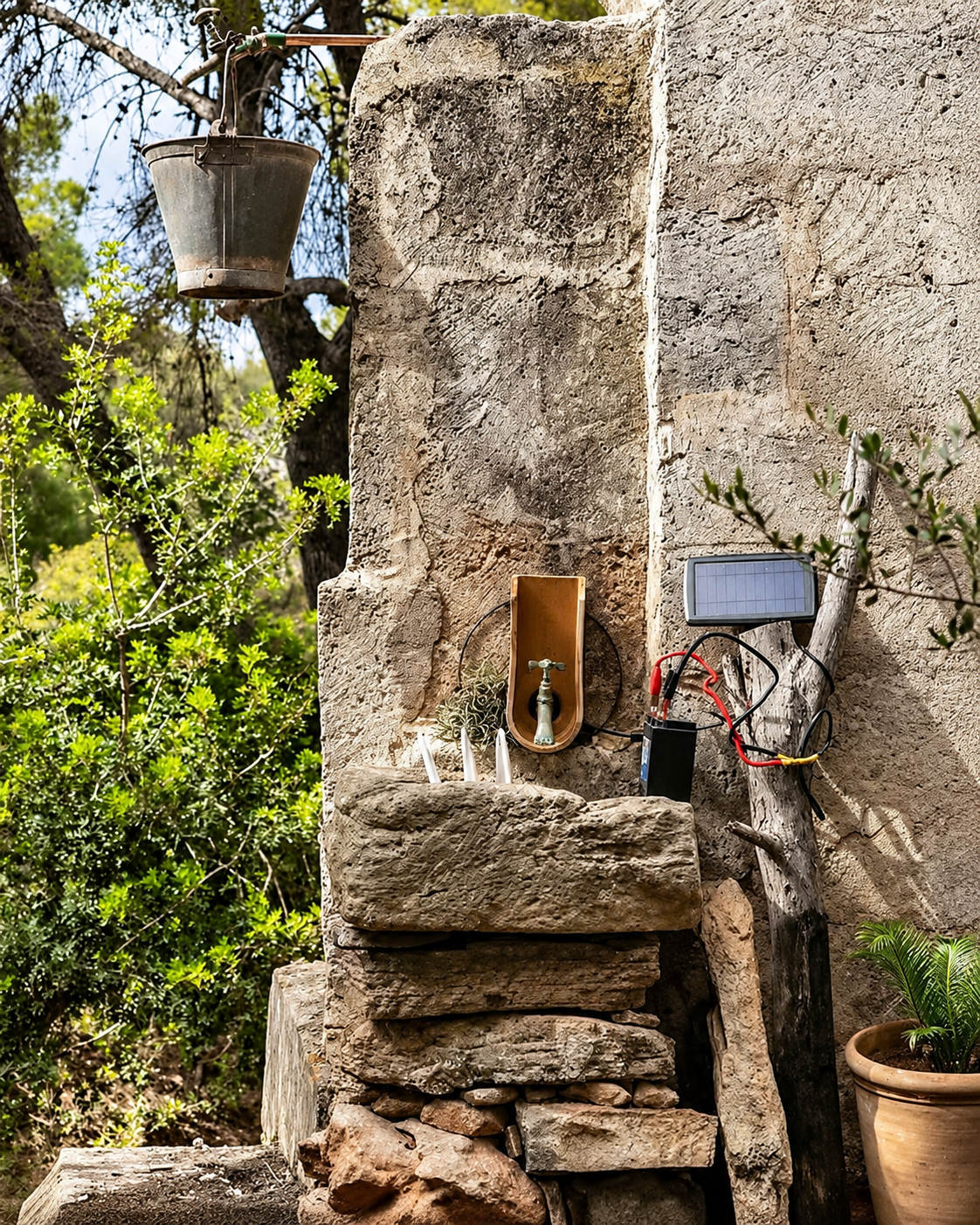
What might initially appear improvised or insignificant can therefore reveal a sophisticated understanding of how space works—how it can be claimed, transformed, shared, and made meaningful with remarkably little.

Ultimately, DIY architectures offer a quiet challenge to architecture’s established hierarchies of authorship, expertise, and permanence. They ask us to reconsider who is entitled to produce architectural knowledge, what constitutes design, and where architecture actually begins.
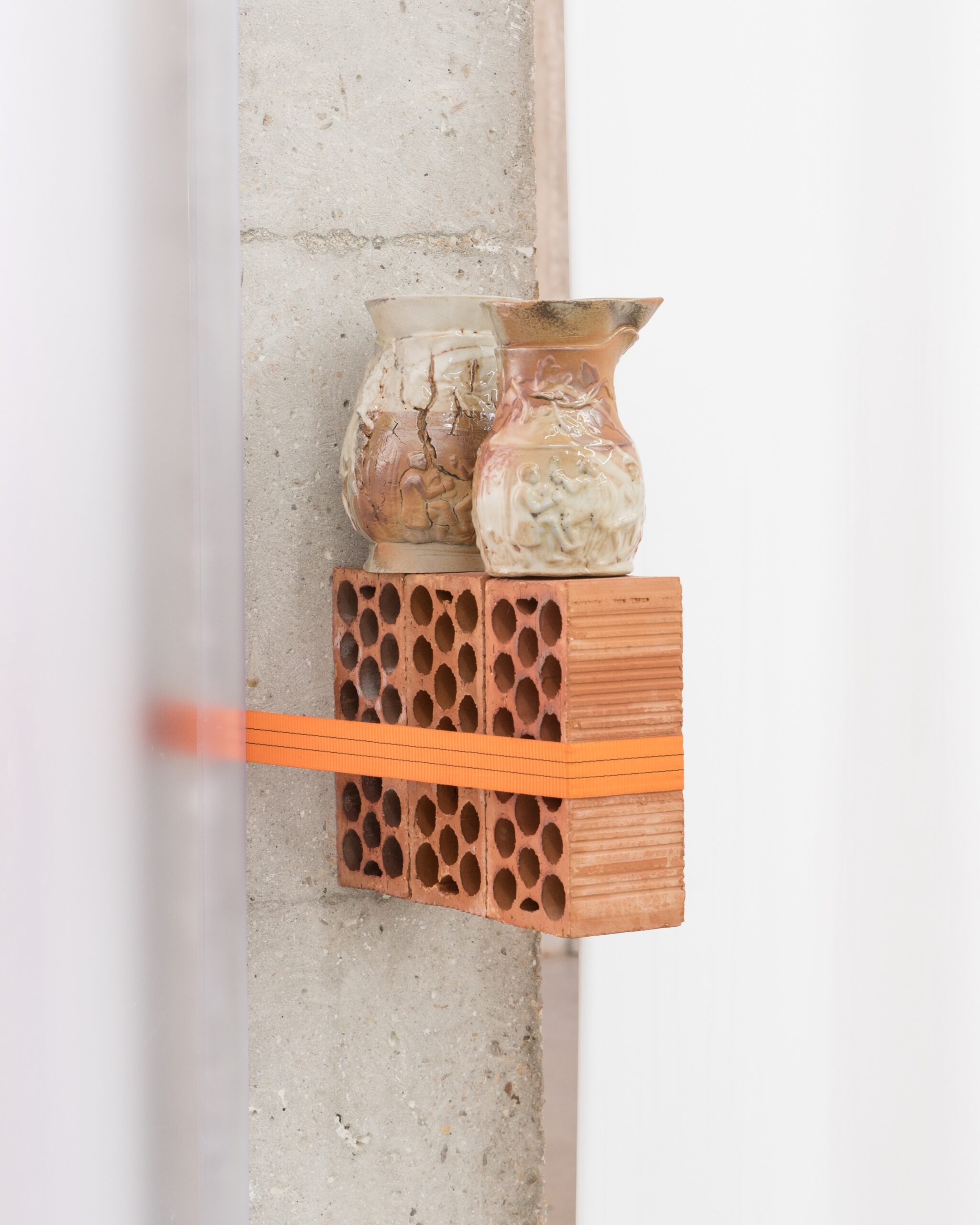
Their significance lies not in their aesthetic refinement or technical sophistication, but in their capacity to turn ordinary acts of making into acts of spatial invention. They demonstrate that architecture does not always arrive as a finished object, authored by a professional and intended to endure. Sometimes it emerges provisionally, intuitively, and collectively: from what is at hand, from what is needed, and from the simple human impulse to make a place work.
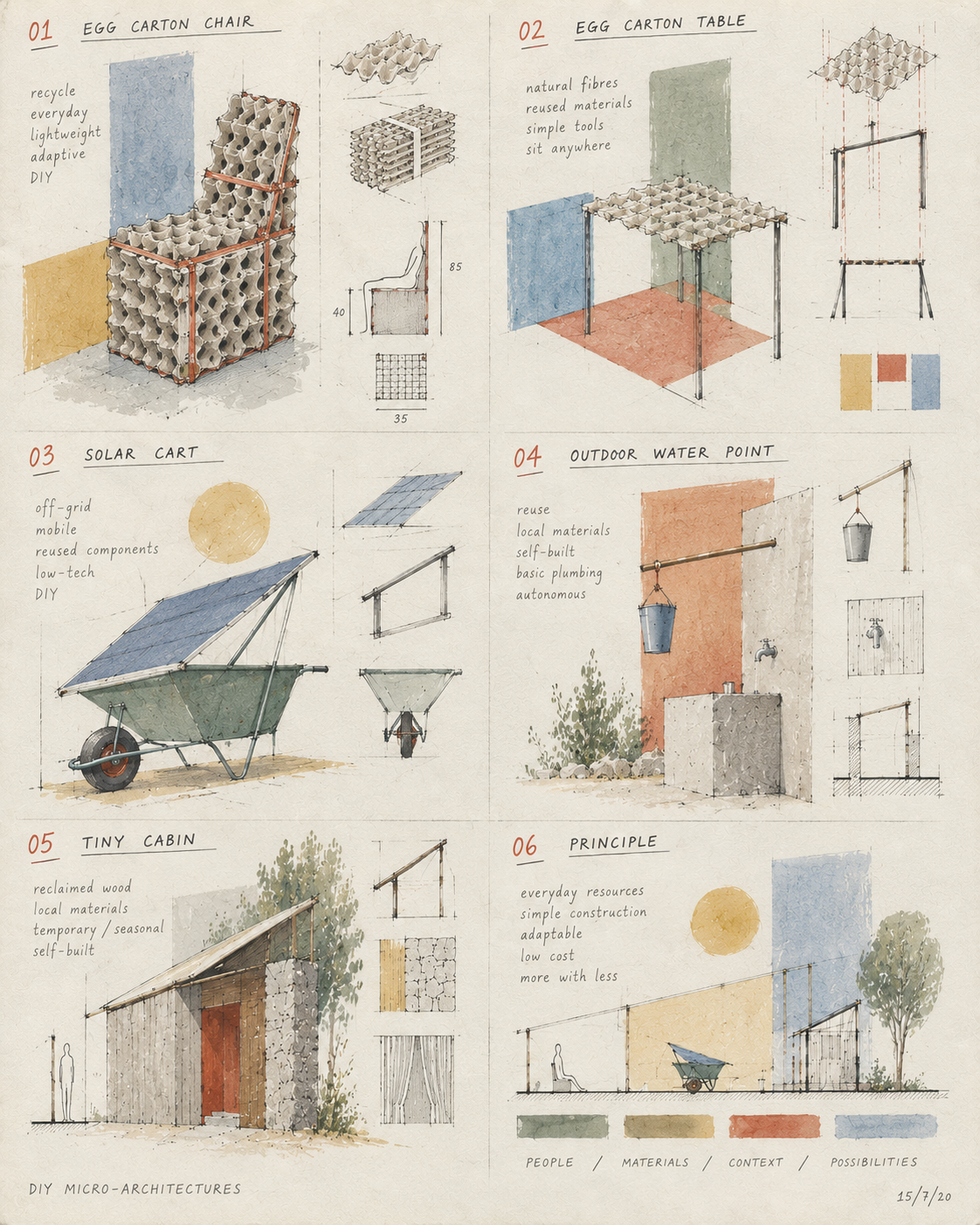
In this sense, DIY architectures are both humble and radical; they reveal a quiet dialogue between people and their environment, where adaptability becomes a form of resilience and creativity becomes a language of survival.
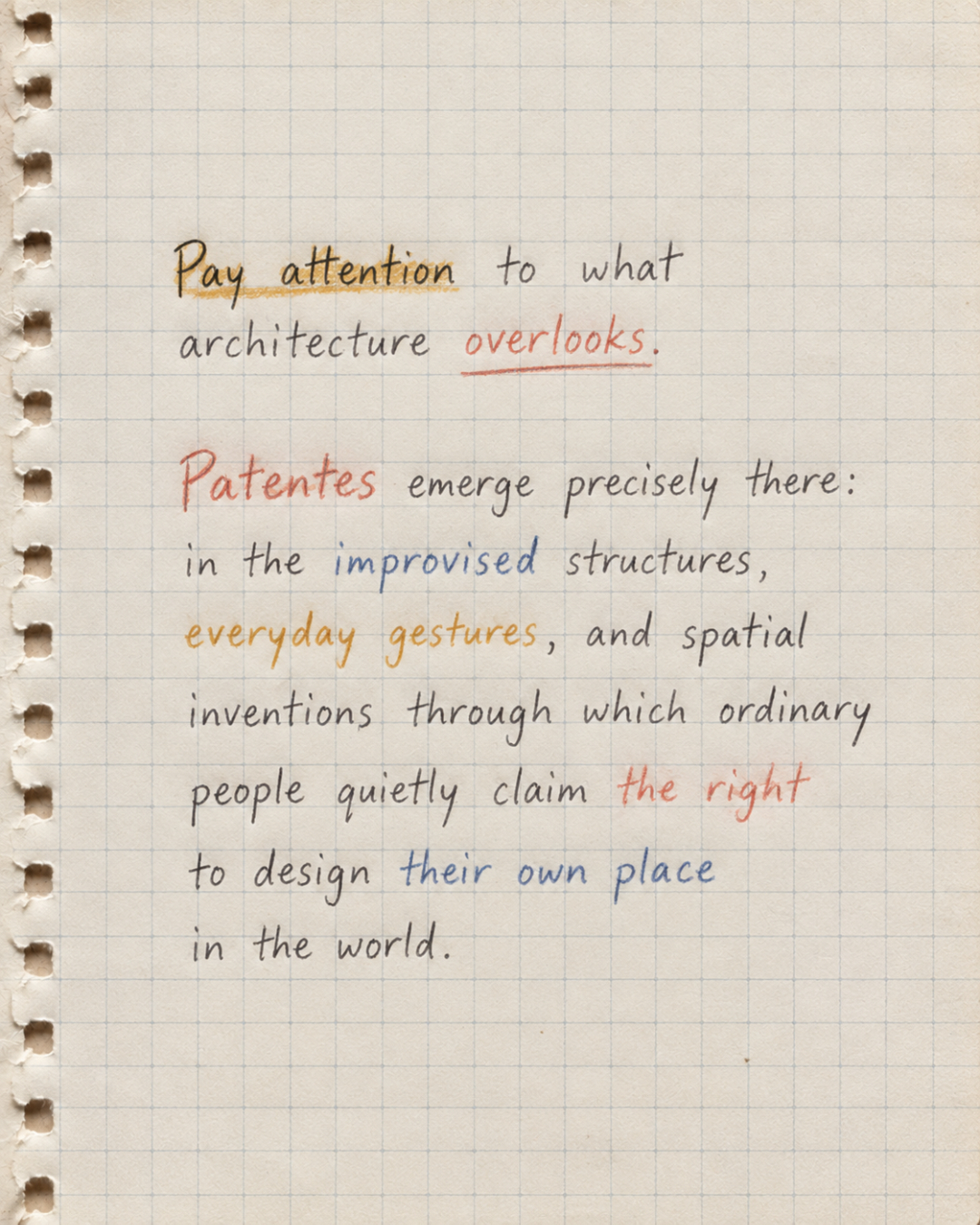
By transforming the ordinary into the unexpectedly significant, they articulate an architecture of immediacy, grounded in adaptation rather than prescription, use rather than representation, and lived intelligence rather than formal authority. Their poetry lies precisely in this contradiction: that something so temporary can tell us so much about how we inhabit the world.
Bibliography
de Certeau, M. (1984) The Practice of Everyday Life. Berkeley: University of California Press.
Illich, I. (1973) Tools for Conviviality. New York: Harper & Row.
McDonough, W. and Braungart, M. (2002) Cradle to Cradle: Remaking the Way We Make Things. New York: North Point Press.
Roy, A. (2005) ‘Urban informality: Toward an epistemology of planning’, Journal of the American Planning Association, 71(2), pp. 147–158.
Tschumi, B. (1996) Architecture and Disjunction. Cambridge, MA: MIT Press.