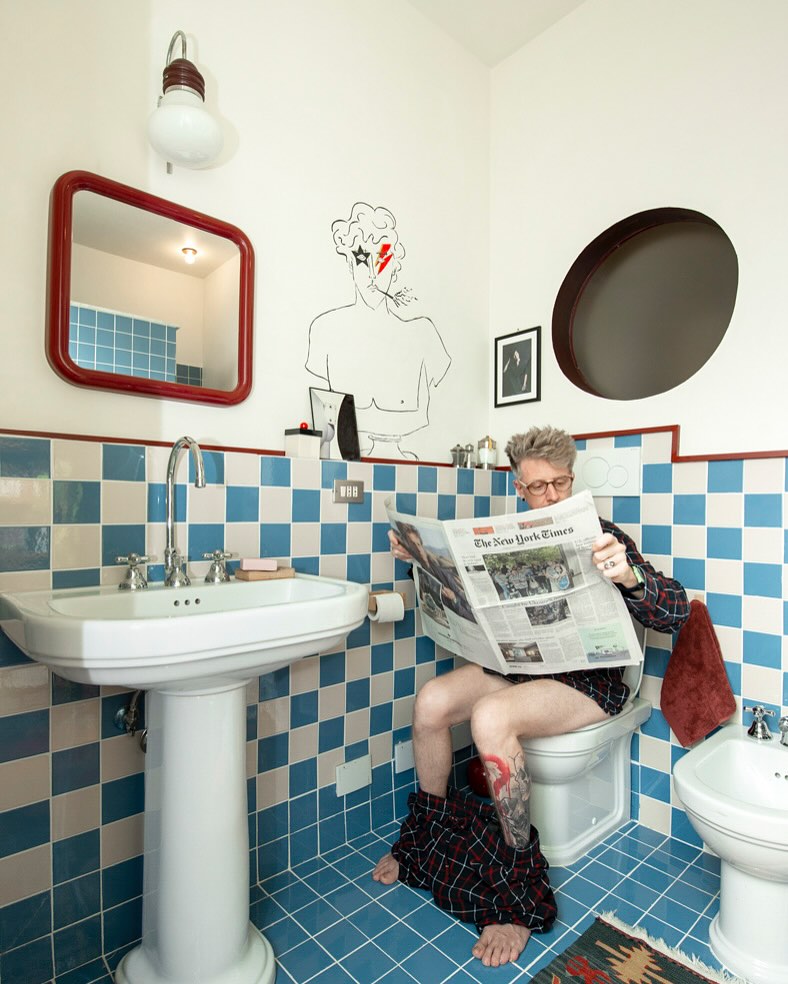
The Mask as Facade: An Architecture of Becoming
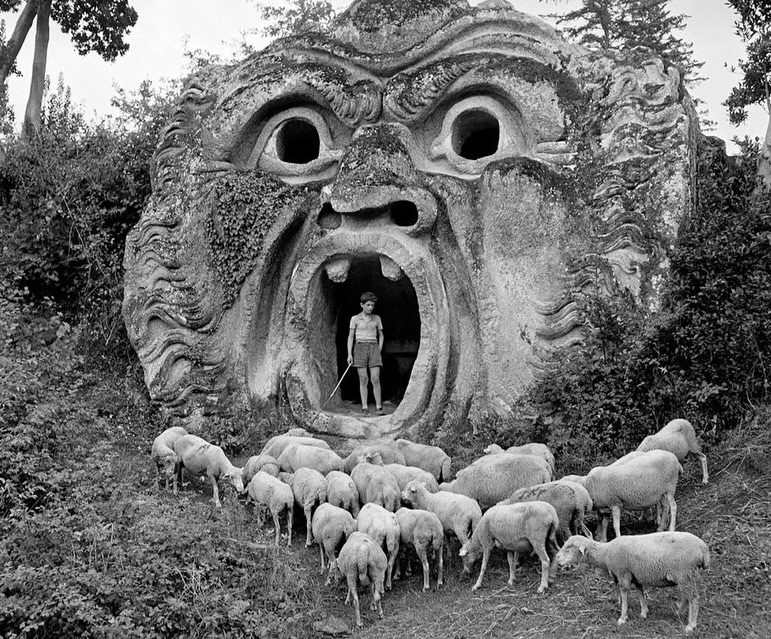
To trace the genealogy of the architectural façade is to arrive, unexpectedly, at the human face—and at the mask that transforms it.
The mask (προσωπείο) is a semantically charged object that fits the human body, temporarily yet profoundly altering its form, appearance, and perception. Like a building’s façade, the mask acts as an expressive, perforated, porous skin, representing what we call and attribute as the face. In this sense, mask and façade occupy a distinct architectural condition: both are surfaces that separate, mediate, and communicate between an interior and an exterior, between what is concealed and what is made visible.
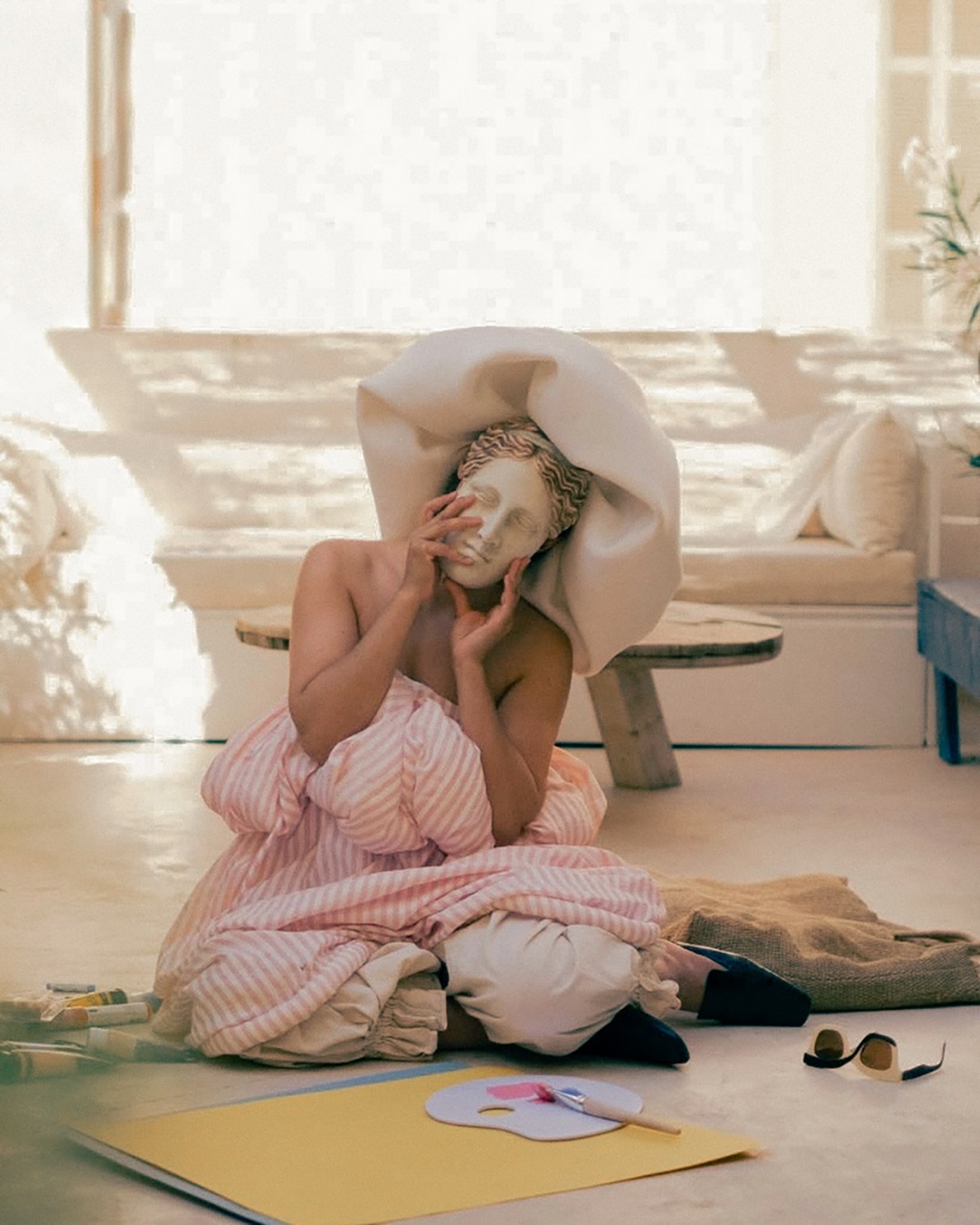
The architecture of the mask emerges as a carefully constructed interplay between form, material, symbolic function, and metaphysical intention. Being, at its core, a designed structure that reshapes identity, the mask constitutes an inhabitable threshold between self and other that constructs a renewed public presence for the wearer.
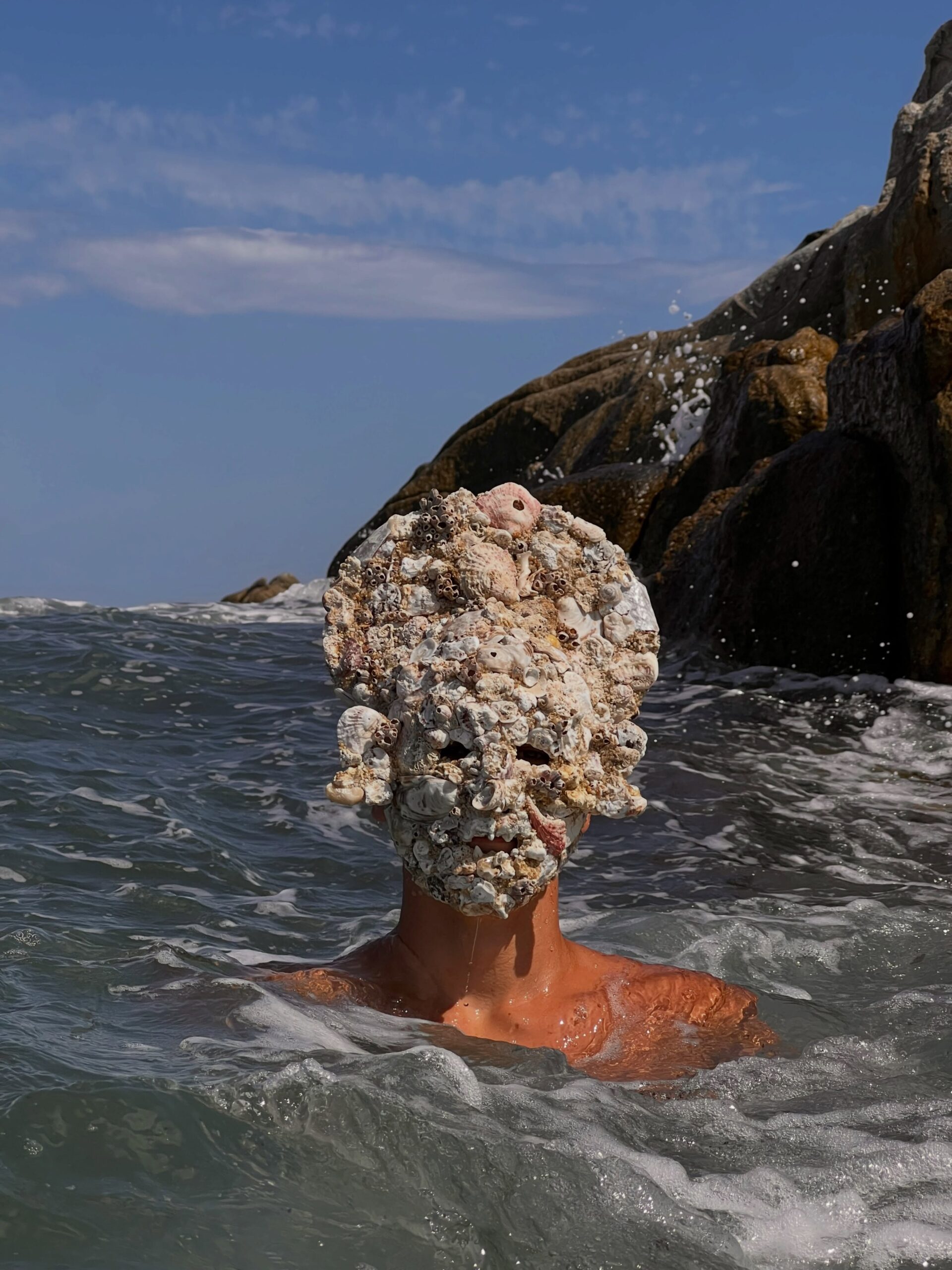
This condition recalls the theory of Bekleidung developed by German architect and architectural theorist Gottfried Semper, who understood architectural surfaces not simply as applied coverings, but as culturally and symbolically charged envelopes. Literally meaning “clothing,” “dressing,” or “envelopment,” Bekleidung describes the architectural surface as a meaningful layer that dresses a structural body. For Semper, walls and façades were not merely structural boundaries: like clothing, they mediate between body and world, producing appearance, identity, and meaning.

Architecture, in this sense, is constituted through the act of dressing: of putting something on.

Following Semper’s understanding of the architectural surface, the mask does not simply cover the face, but constructs the conditions through which the face can be perceived.
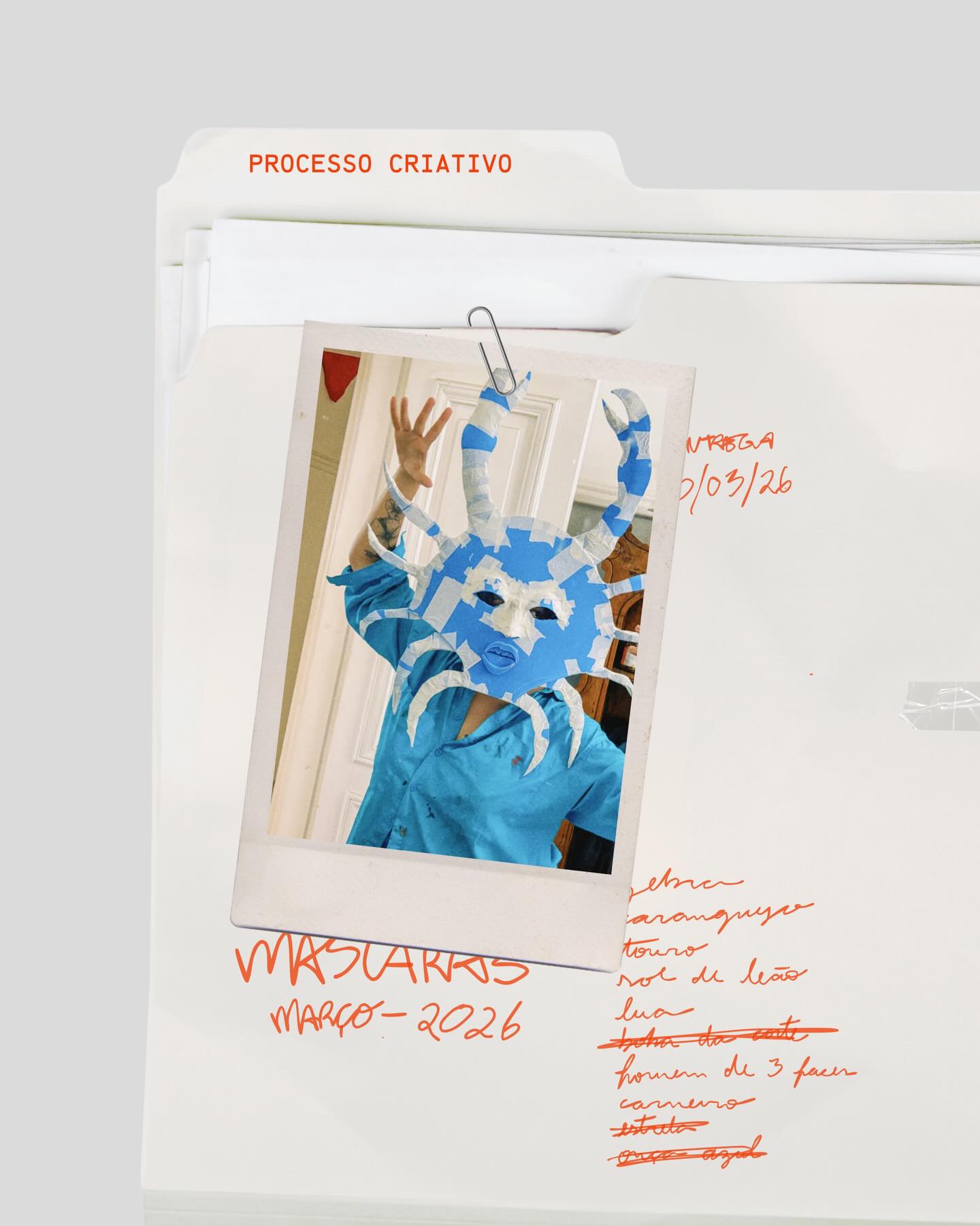
Its surface is simultaneously barrier and interface, enclosure and communication. The mask breathes with the body as a haptic micro-architecture that is not only worn but inhabited, transforming the act of wearing into an act of dwelling. Its materiality is inseparable from its meaning: texture, weight, temperature, opacity, translucency, and perforation participate in the construction of an altered bodily presence. Like an architectural skin, the mask protects, filters, frames, and communicates.
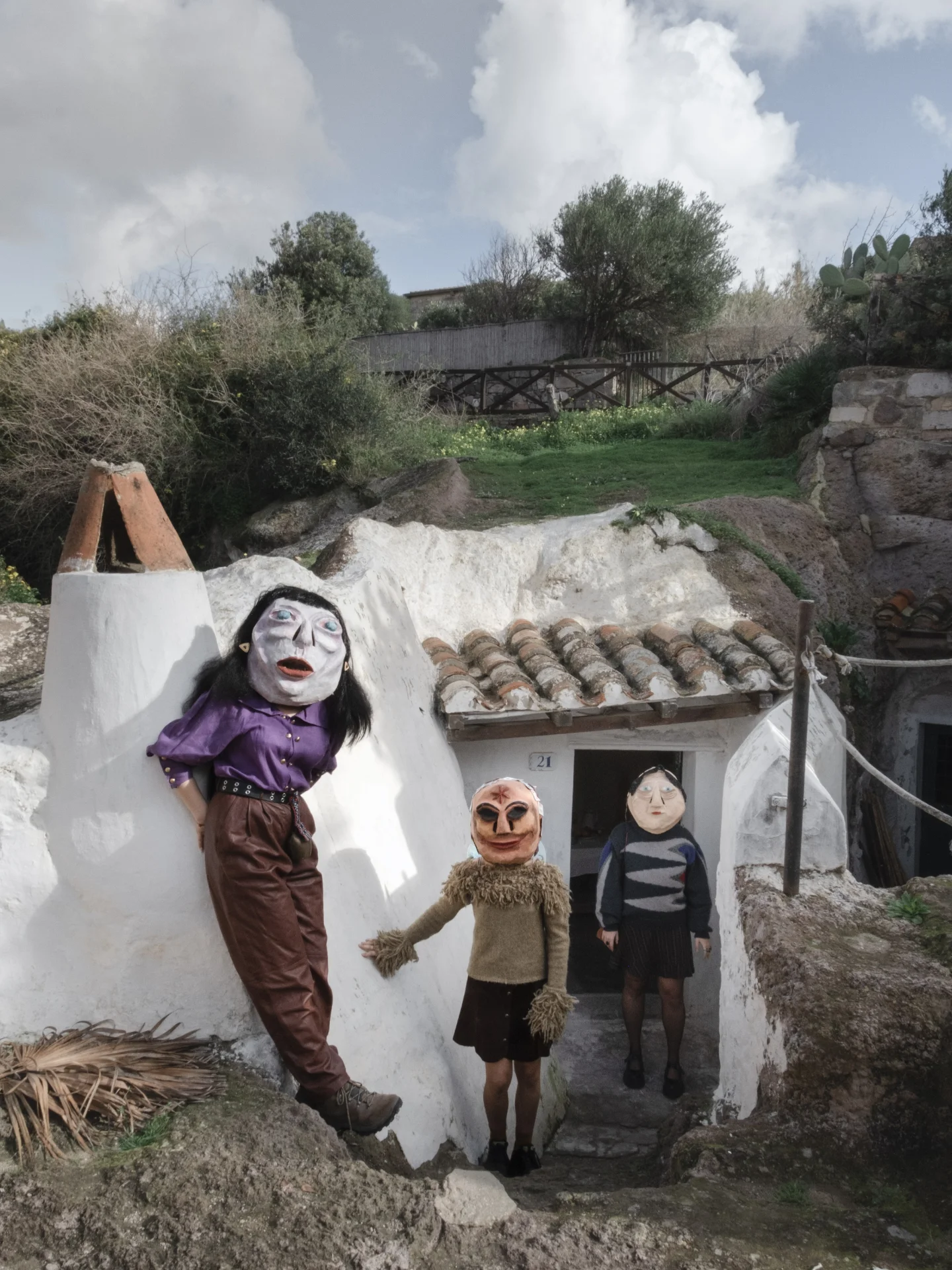
If Semper establishes architecture as something that dresses a body, New Zealand-born architectural historian Mark Wigley explores how that architectural “dress” actively constructs the body’s appearance and identity. In White Walls, Designer Dresses, Wigley argues that the modern building is never truly “naked”: its apparently neutral surface remains a form of clothing, a garment through which the architectural body is fashioned and presented. Just as the architectural façade is more than the outermost layer of construction, the mask is a device of appearance—an architectural dress that produces the identity of the body it covers.
What lies behind the surface may remain unchanged, while the surface itself fundamentally alters how that body is read.
Examining the mask as part of a process of transformation in ancient Greek theatre, British classical scholar and theatre historian David Wiles argues that it actively reconfigures the actor’s bodily presence within the theatrical and civic space of the polis. Just like a building’s façade is a constructed face through which architecture performs itself, the mask projects meaning and constructs a public face that exceeds the individual behind it.
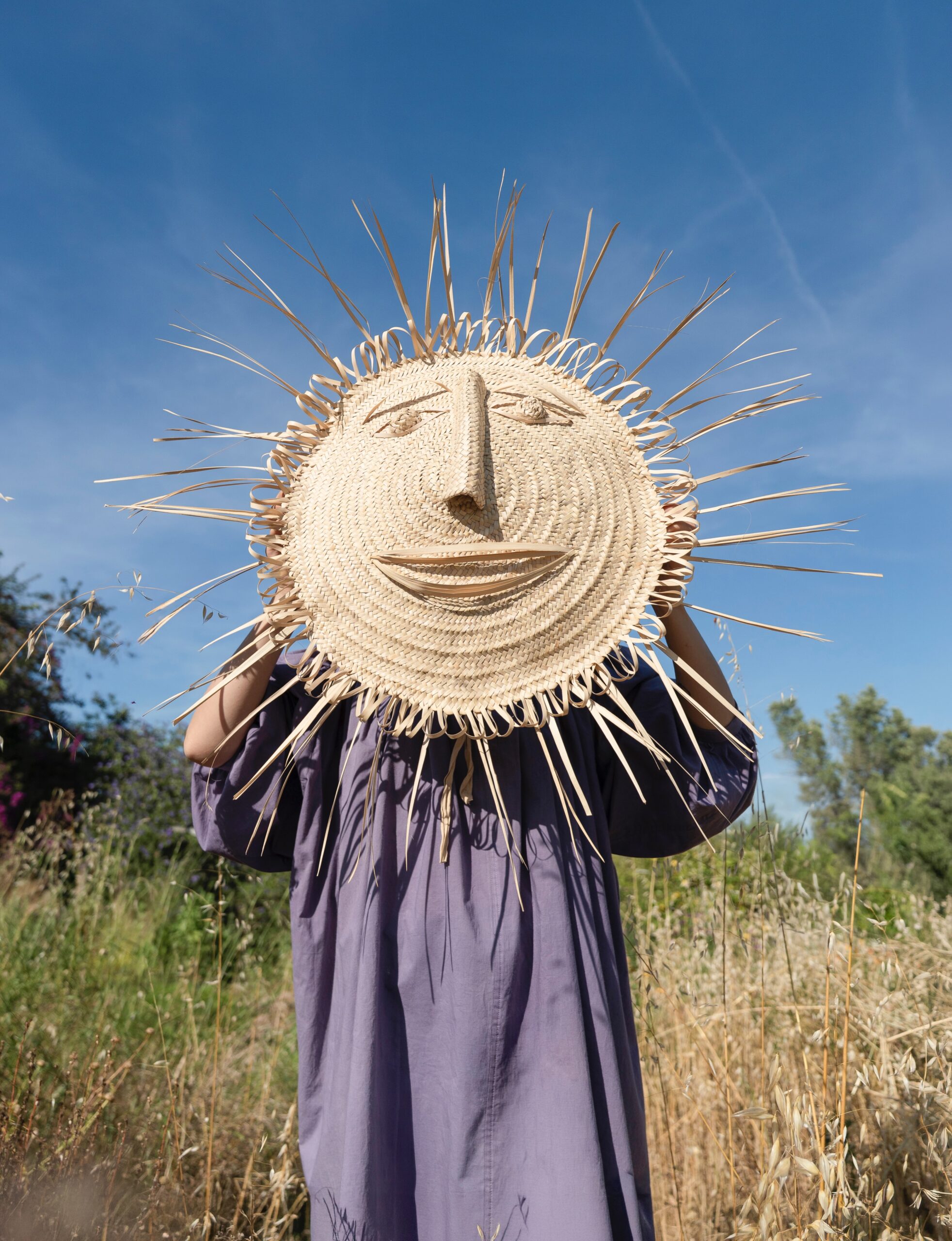
The mask thus produces a public image that may acquire a life of its own, shifting its function from a mere device of representation towards a ritual technology of transformation. This performative capacity extends beyond the theatre into the ritual and social life of the collective.
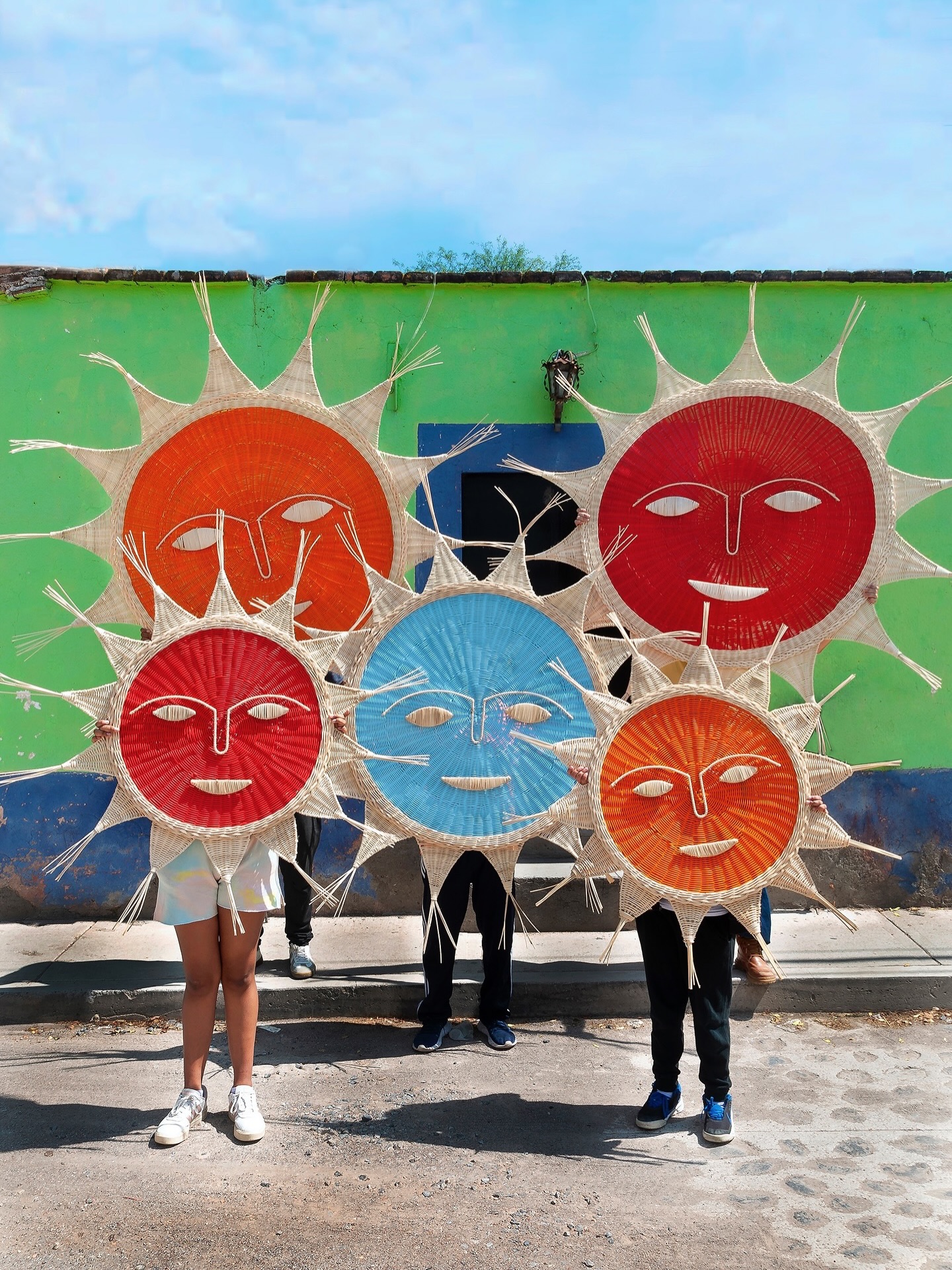
Beatriz Colomina’s understanding of architecture as a medium of representation offers a productive parallel: architecture does not simply contain life, but frames, stages, and produces the images through which bodies and identities become publicly legible, actively shaping the social relations of those who inhabit it. Architecture, in Colomina’s reading, enters the realm of media and publicity; the building is not only occupied but seen, represented, circulated, and culturally constructed through images.
The mask operates according to a related logic, but with a more radical agency. By representing another identity, it can temporarily produce another presence. It does not simply give the body a new appearance; it establishes the conditions under which another figure can become socially, ritually, or imaginatively present.
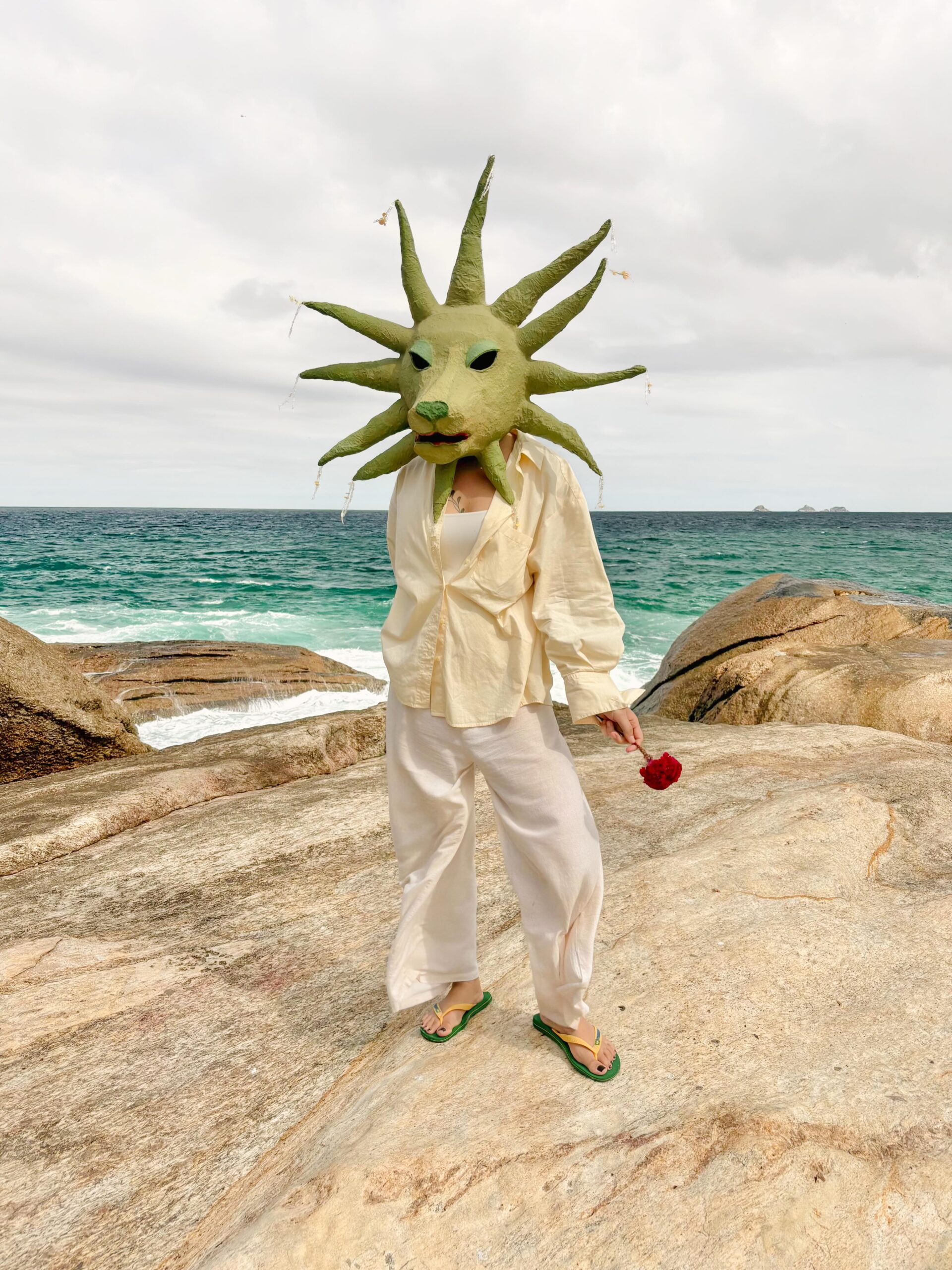
The surface ceases to be a passive boundary and becomes an active medium through which another identity enters the world.
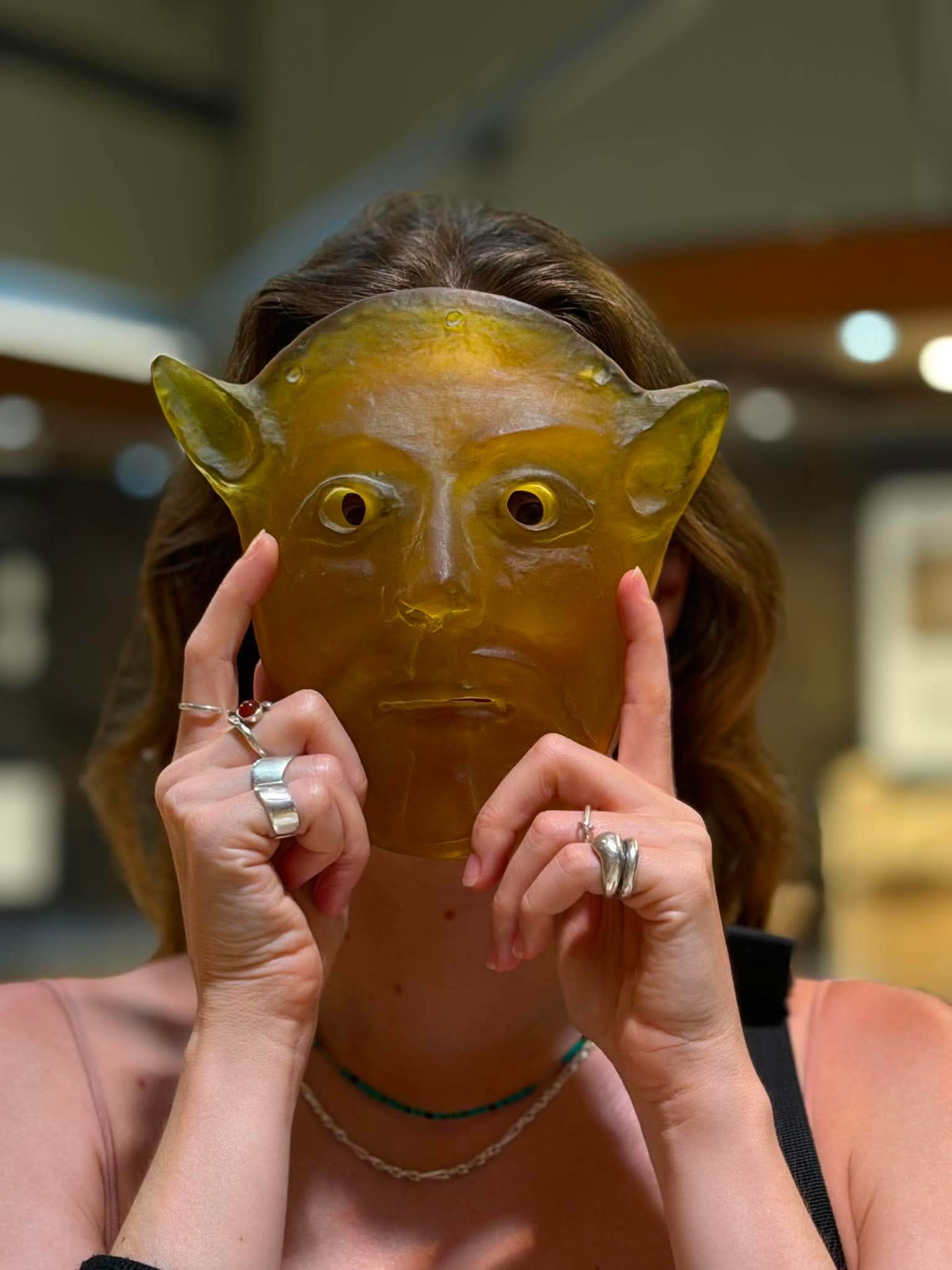
Across ritual cultures, masks have been associated with seasonal festivals, rites of passage, healing ceremonies, and encounters with the sacred. American anthropologist A. David Napier identifies transformation as one of the mask’s fundamental functions, examining the paradoxical relationship between appearance and change and the role of masks in transitional states. His study begins with the masks of pre-classical Greece, particularly those of the Satyr and the Gorgon, before extending to Eastern and Indian traditions. The mask, in this account, is not merely an image of transformation; it is one of the means through which transformation is realised.

The ancient Greek evidence makes this passage from representation to transformation particularly tangible. British classicist Richard Seaford notes that masks in Greece and Rome belonged not only to dramatic representation but also to cult and ritual. Terracotta representations attest to grotesque masks associated with adolescent rites of passage in the cult of Artemis Orthia at Sparta, while animal masks appear in connection with the cult of Demeter and Despoina at Lycosura in Arcadia.
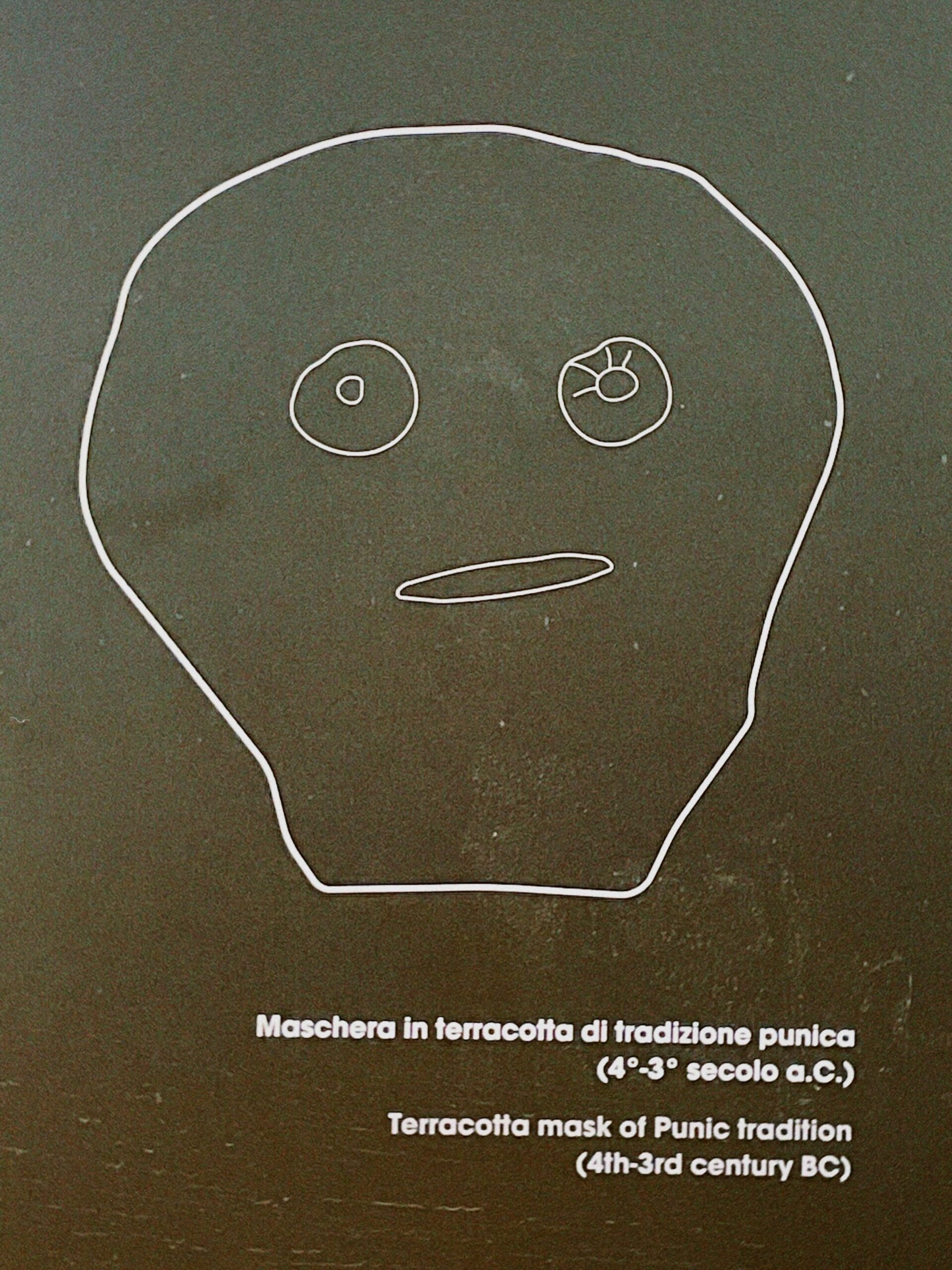
The mask therefore allows the wearer to temporarily step outside an established identity and inhabit another condition of being: at the threshold between the human and the divine, the ordinary and the extraordinary, the individual and the collective.
What is placed upon the face opens a space in which another identity can emerge.
Here, the mask as a facial façade gives access to what British anthropologist Victor Turner describes as liminality: the transitional state in which established social identities and structures are temporarily suspended, allowing new relationships and forms of collective identity to emerge. The masked body belongs neither entirely to its former identity nor completely to the new one. It occupies an interval—social, symbolic, and spatial. The mask is therefore not simply an object placed upon the body; it is an architecture of transition, constructing a temporary space between identities.
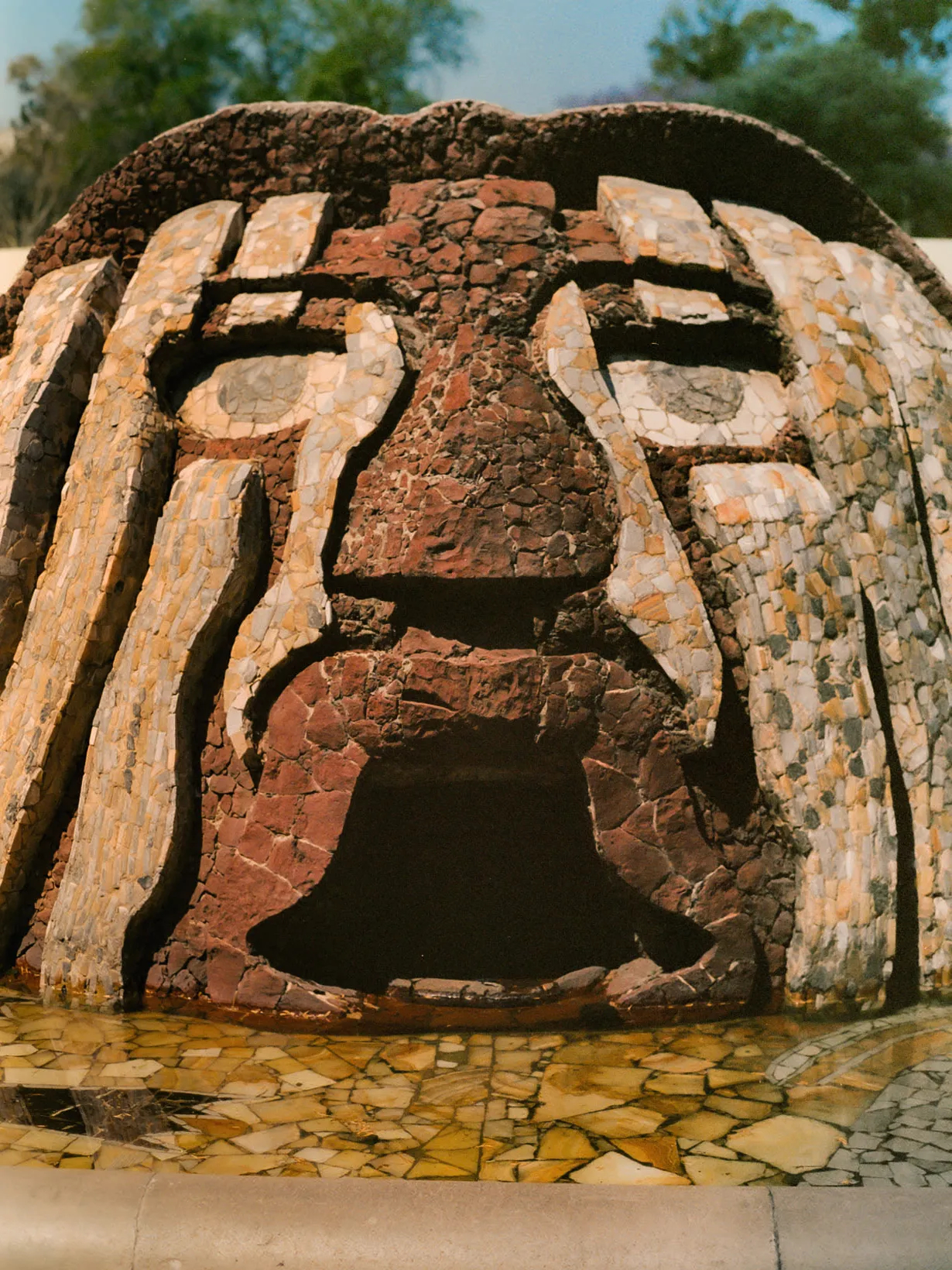
The carnivalesque intensifies this condition. In Russian philosopher and literary theorist Mikhail Bakhtin’s analysis of popular carnival culture, the mask is intimately connected to metamorphosis, the violation of boundaries, mockery, play, and the temporary suspension of established social order. It belongs to a collective process through which identities become unstable and interchangeable. In carnival, the masked individual can become another person, another body, another social figure; simultaneously, the distinction between performer and spectator begins to dissolve. The mask becomes not only a change of face, but an instrument through which the social body itself is temporarily rearranged.
The mask therefore acquires a peculiar kind of social autonomy. Once placed upon the body, it can exceed the individual who wears it: its face becomes recognisable independently of the wearer, carrying inherited symbols, collective memories, fears, desires, and archetypes. During the festival, the mask does not simply belong to an individual; it belongs to the temporary world that the festival itself produces. Its public image becomes a collective fiction, yet one capable of producing real social effects. This is perhaps where the mask most radically resembles architecture.
Like the façade, it constructs a public surface through which an interior becomes socially legible.
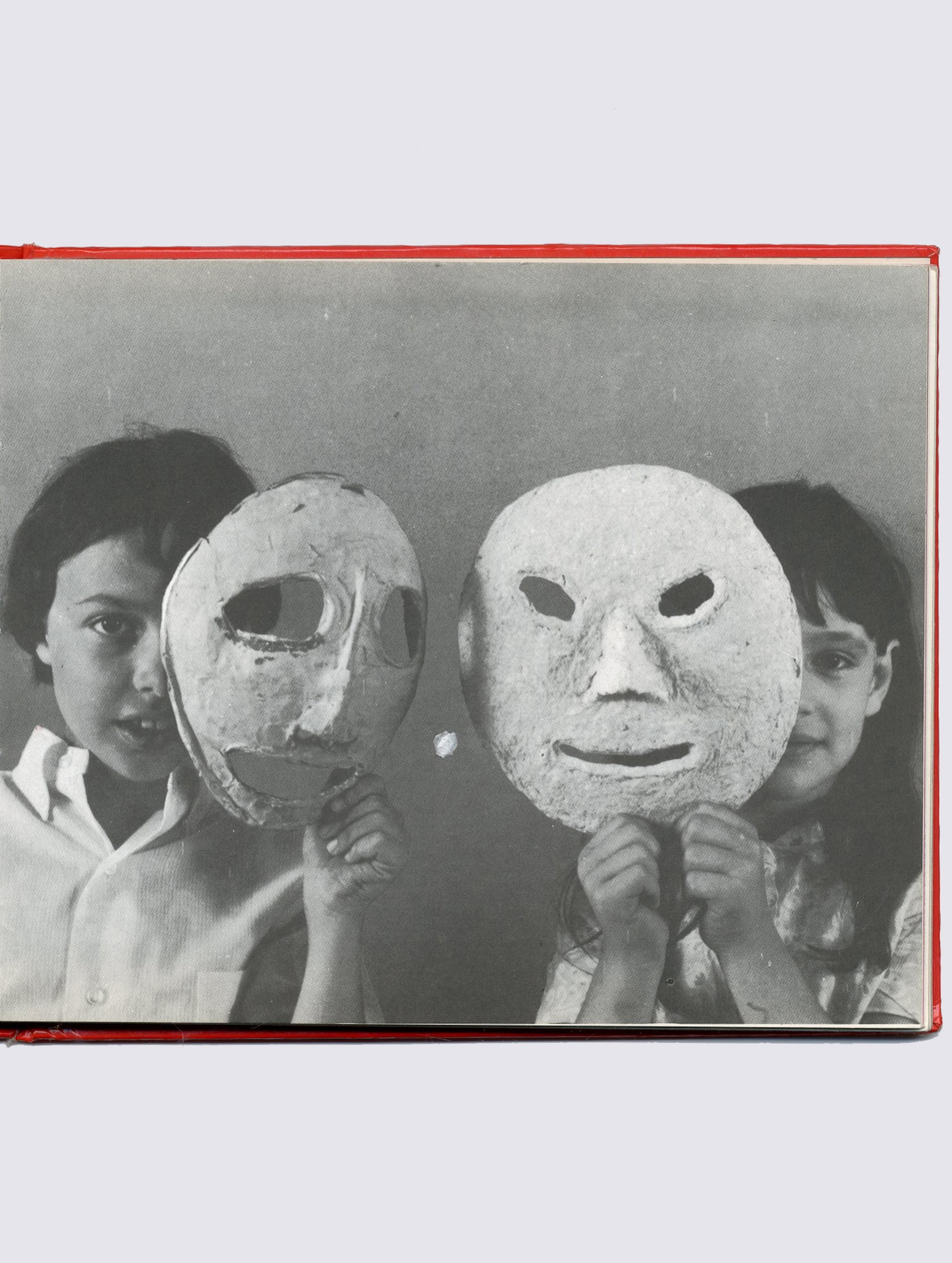
But in ritual, this surface does something more: it produces the world it appears to represent. The mask does not merely depict the god, the ancestor, the monster, the fool, or the other; it creates a temporary condition in which that figure can enter the social world. Its surface becomes performative architecture: an envelope capable of reorganising bodies, identities, relationships, and space.
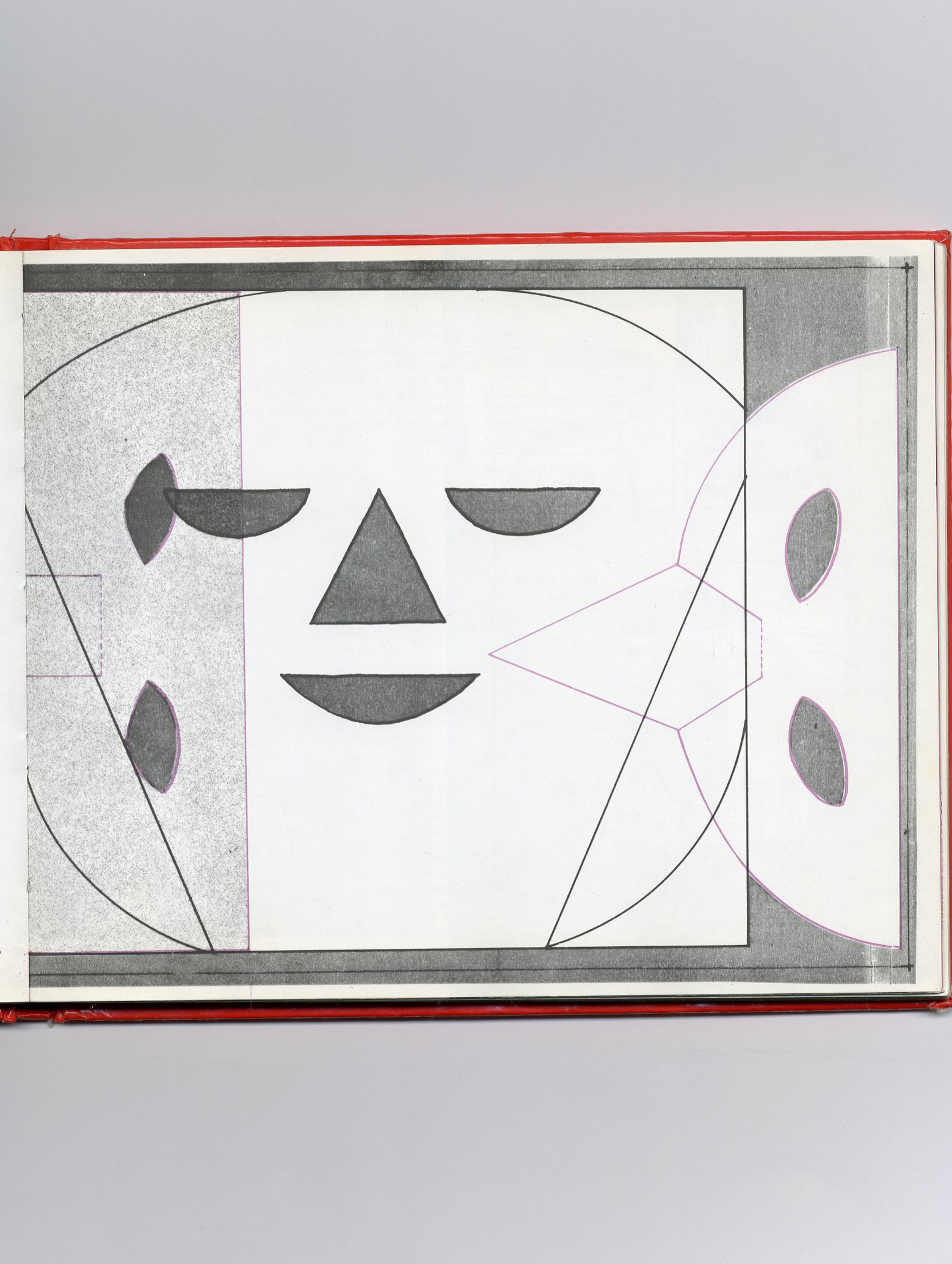
The mask, in this sense, is a temporary architecture of becoming.
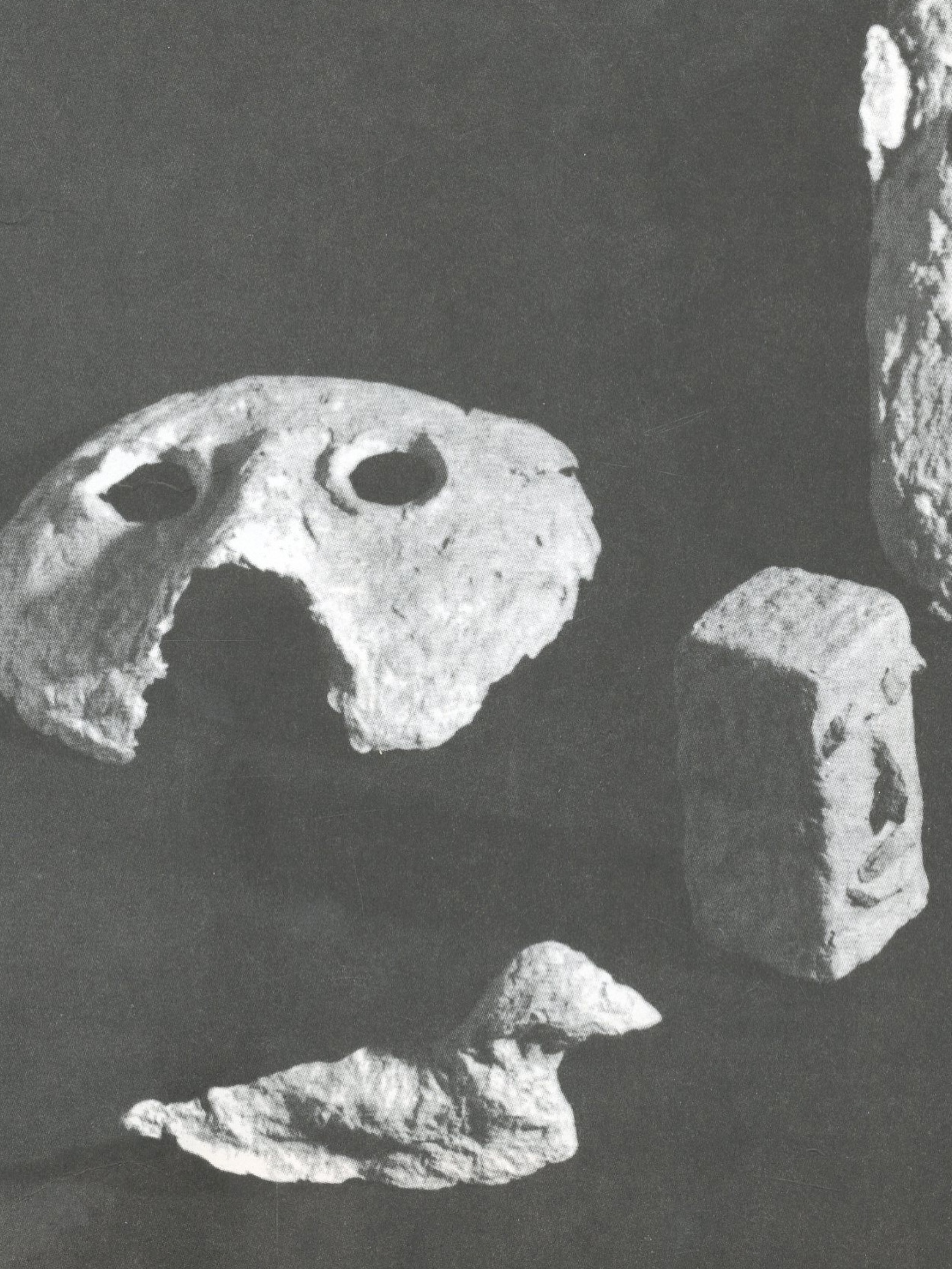
In The Way of the Masks, French anthropologist Claude Lévi-Strauss understands the mask as a dwelling for alterity, where the self is suspended and reauthored within systems of transformation, acquiring meaning through its relation to other masks, myths, rituals, and social structures.
The mask is therefore relational rather than autonomous, relying on concealment not as an absence of communication but as its condition.
It recalls sociologist Georg Simmel’s proposition that “secrecy doesn’t empty a bond; it gives it structure”: what remains withheld actively participates in the construction of the relationship. Similarly, the opaque façade advocates for what philosopher Édouard Glissant calls the “Right to Opacity”—a refusal of the demand for complete transparency, and an insistence that relation does not require total visibility.
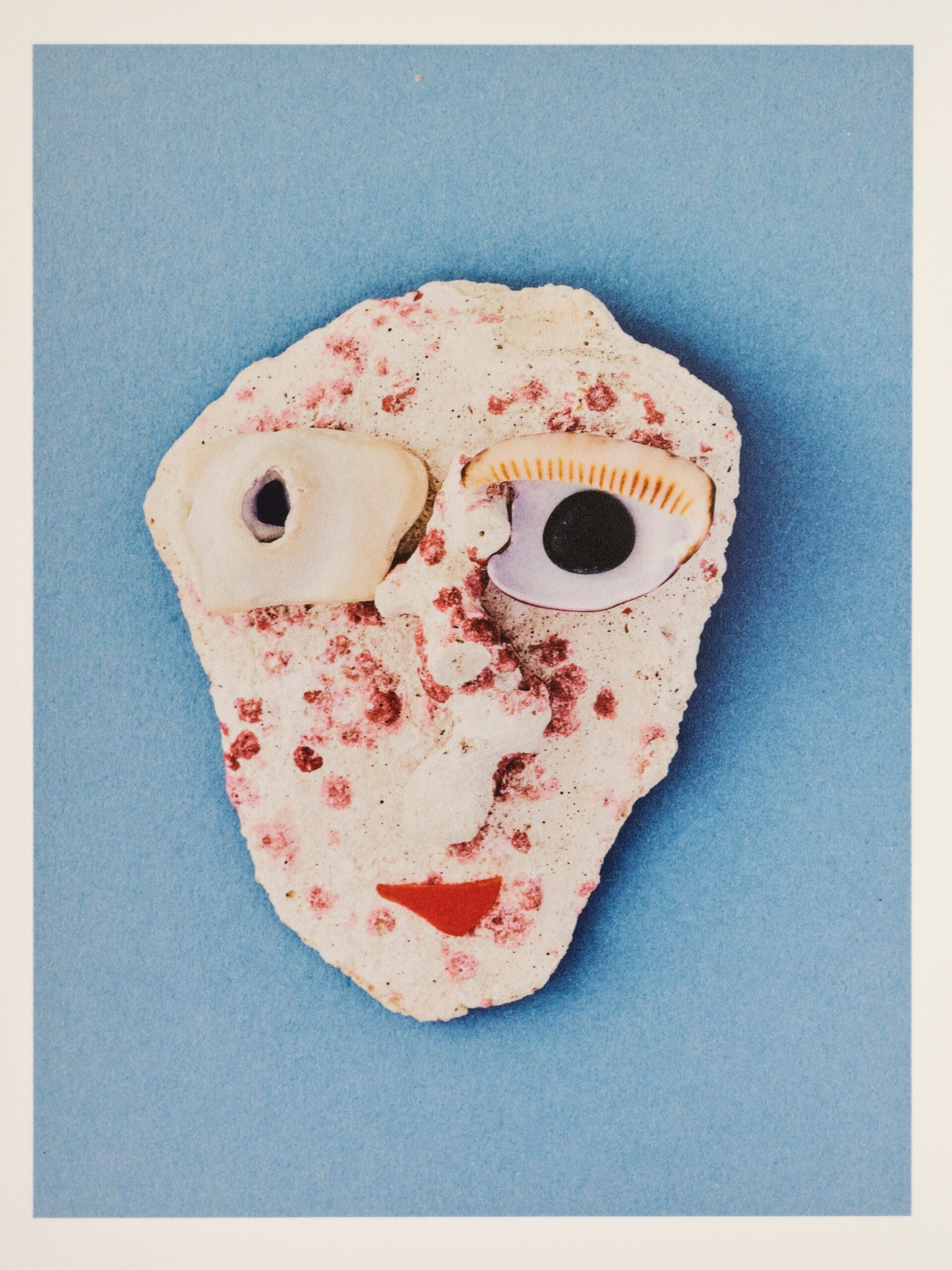
The mask, like the façade, suggests that to be in relation is not necessarily to be fully revealed, but to preserve a space in which the unseen can remain present.

The genealogy proposed here does not locate the façade’s origin in the mask as a literal historical sequence, but in a shared architectural logic: the logic of the constructed face. What the mask performs upon the body, architecture later performs upon space: it constructs a surface through which an interior becomes visible, legible, inhabitable, and socially present.
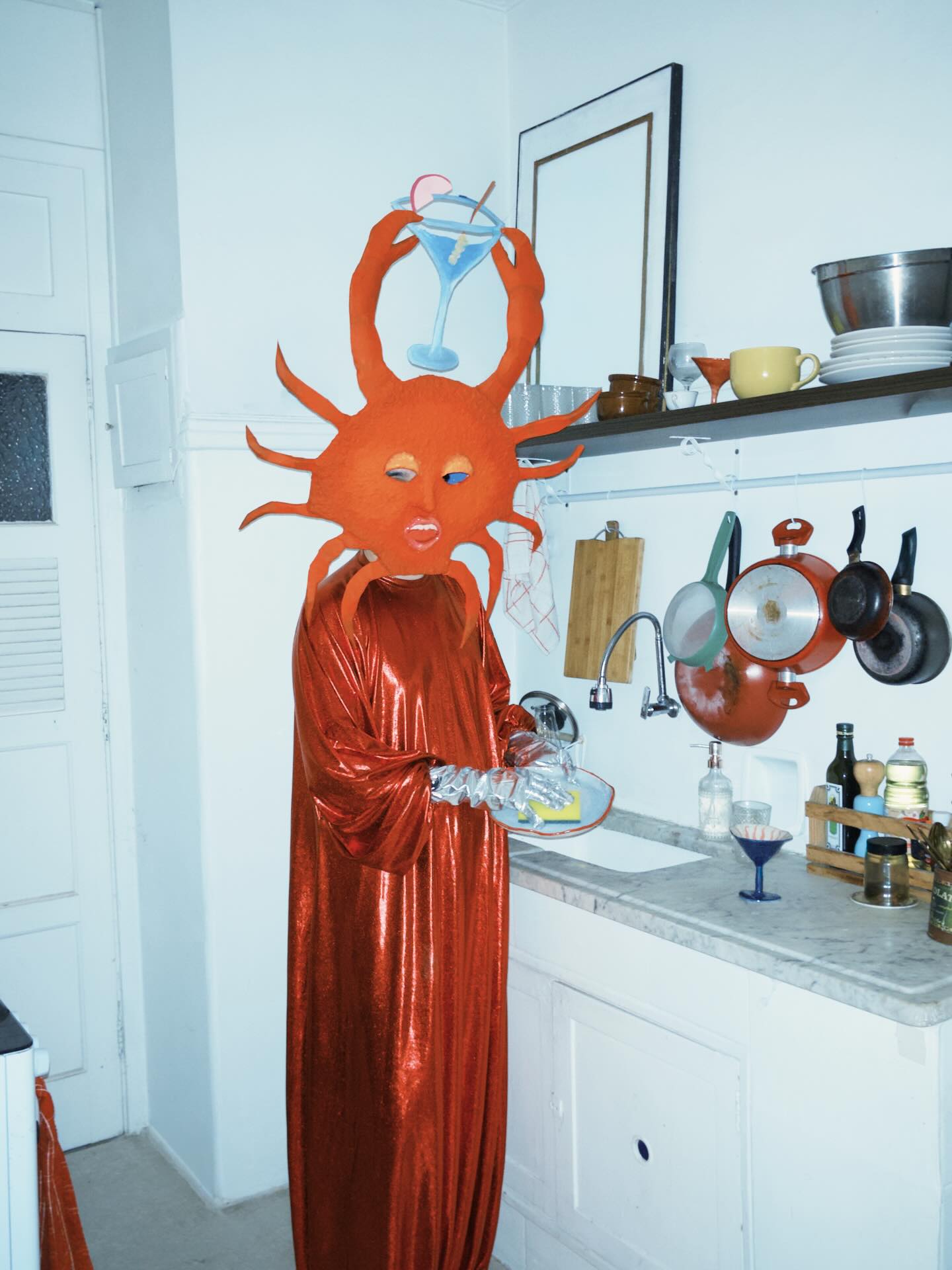
The architecture of the mask thus holds not simply an analogy to the façade, but its conceptual prehistory: the first façade was a face, and the first architectural act of dressing may have been the act of putting on a mask.
References
Bakhtin, M. (1984) Rabelais and His World. Translated by H. Iswolsky. Bloomington: Indiana University Press.
Colomina, B. (1994) Privacy and Publicity: Modern Architecture as Mass Media. Cambridge, MA: MIT Press.
Glissant, É. (1997) Poetics of Relation. Translated by B. Wing. Ann Arbor: University of Michigan Press.
Lévi-Strauss, C. (1982) The Way of the Masks. Translated by S. Modelski. Seattle: University of Washington Press.
Napier, A.D. (1986) Masks, Transformation, and Paradox. Berkeley: University of California Press.
Seaford, R. (2016) ‘Masks’, Oxford Research Encyclopedia of Classics. Oxford: Oxford University Press.
Semper, G. (2004) Style in the Technical and Tectonic Arts; or, Practical Aesthetics. Translated by H.F. Mallgrave and M. Robinson. Los Angeles: Getty Research Institute.
Simmel, G. (1906) ‘The Sociology of Secrecy and of Secret Societies’, American Journal of Sociology, 11(4), pp. 441–498.
Turner, V.W. (1969) The Ritual Process: Structure and Anti-Structure. Chicago: Aldine.
Wigley, M. (1995) White Walls, Designer Dresses: The Fashioning of Modern Architecture. Cambridge, MA: MIT Press.
Wiles, D. (2007) Mask and Performance in Greek Tragedy: From Ancient Festival to Modern Experimentation. Cambridge: Cambridge University Press.