One Million Ways to Sit: This Space We Call the Chair
One Million Ways to Sit: This Space We Call the Chair explores sitting as an intimate bodily gesture, a culturally conditioned practice, and an act of spatial appropriation. Moving beyond the chair as a designed object, the essay questions what it means to sit and what makes something a chair, tracing the countless ways our bodies transform ordinary surfaces into places of rest, encounter, and inhabitation.
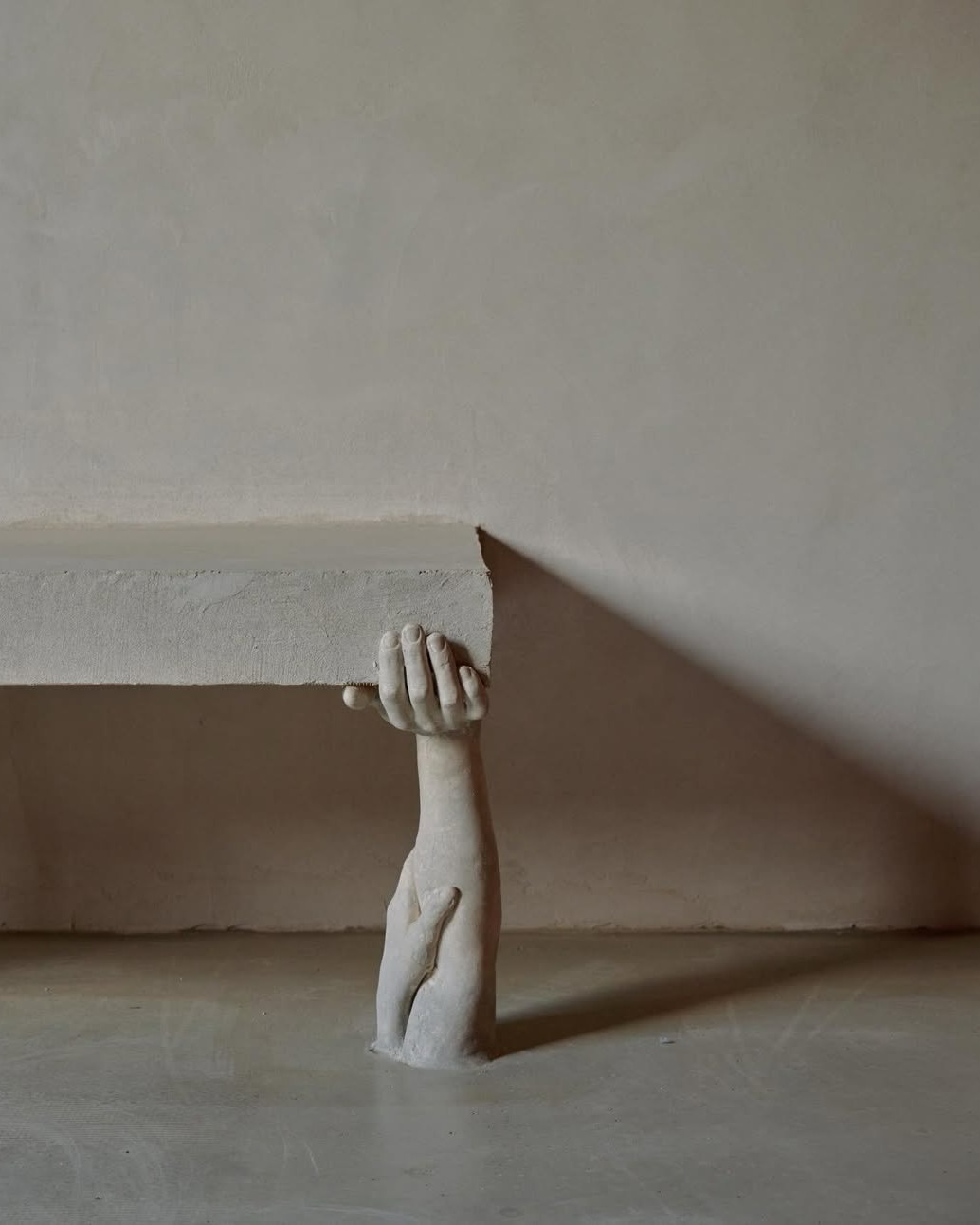
Sitting is like breathing; ordinary yet profoundly unique. Like a fingerprint, the way we sit invents new relationships between our bodies and the world around us; some fold, others stretch, curl up, lean against, or balance on the edge of things. No two bodies sit quite alike.
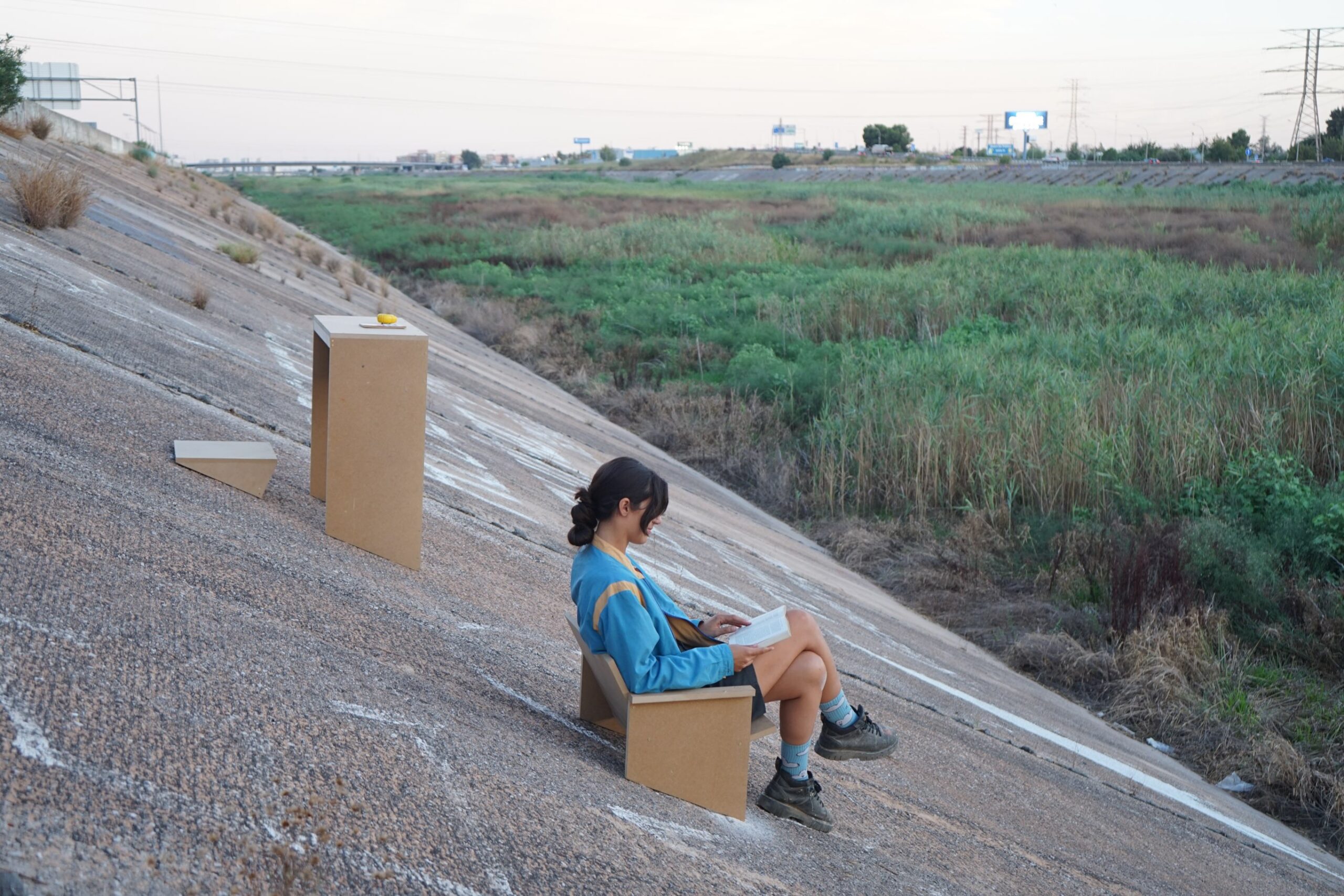
Yet, what appears to be an instinctive bodily gesture is also a cultural construction. In Techniques of the Body (1934), French sociologist and anthropologist Marcel Mauss reminds us that even our most ordinary bodily habits, such as sitting and squatting, walking, having sex, giving birth, and so on, are learned, transmitted, and shaped by the societies we inhabit.
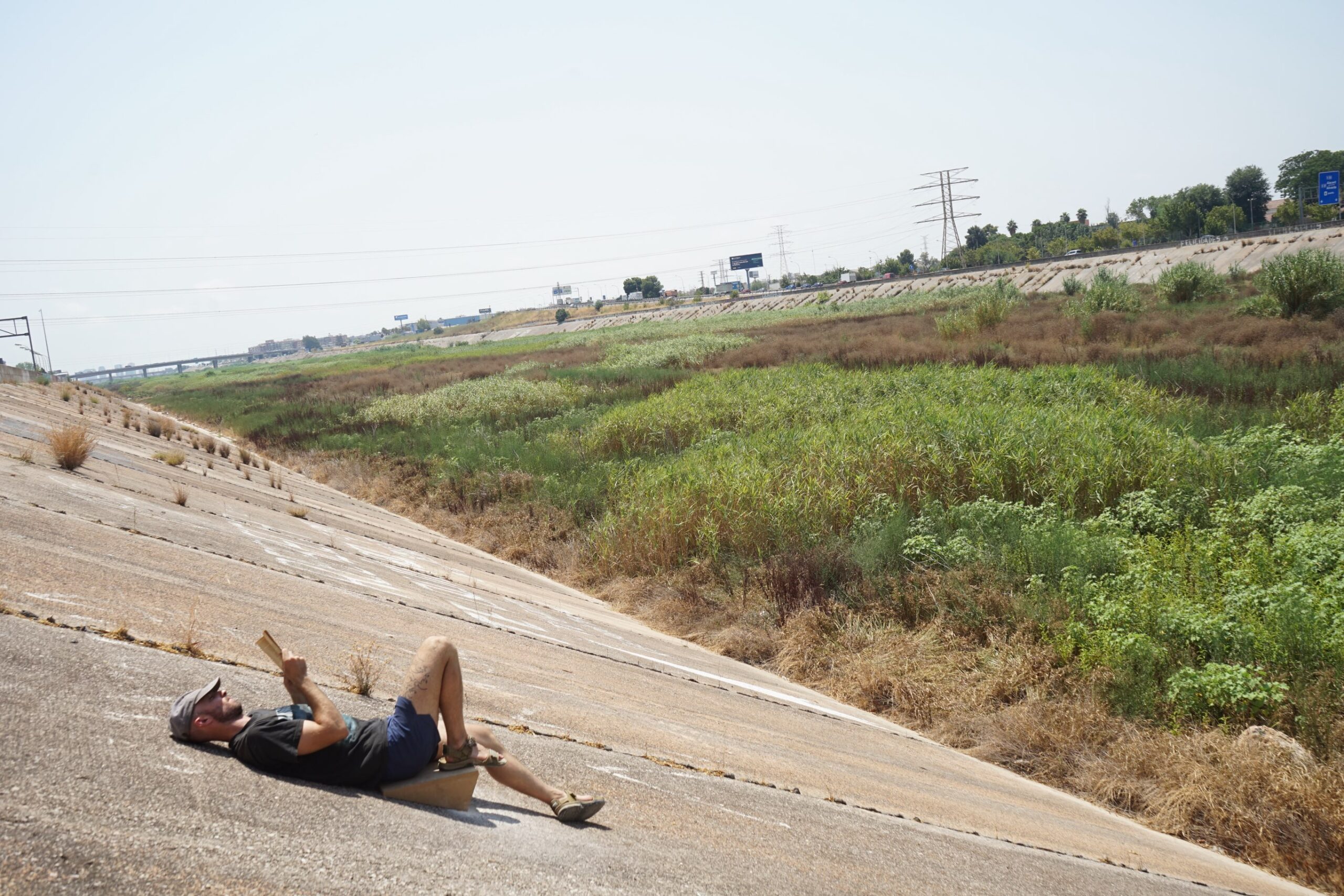
Introducing the notion of habitus to describe a socially patterned way of using the body, Mauss understands the body as humanity’s first technical instrument, shaped by collective practices long before the objects designed to accommodate it. Sitting, then, is not merely a biological necessity but a learned spatial practice, through which the body carries the invisible traces of the society it inhabits.
The way we fold our legs, lean backwards, or occupy the edge of a surface reveals something about how we inhabit the world.
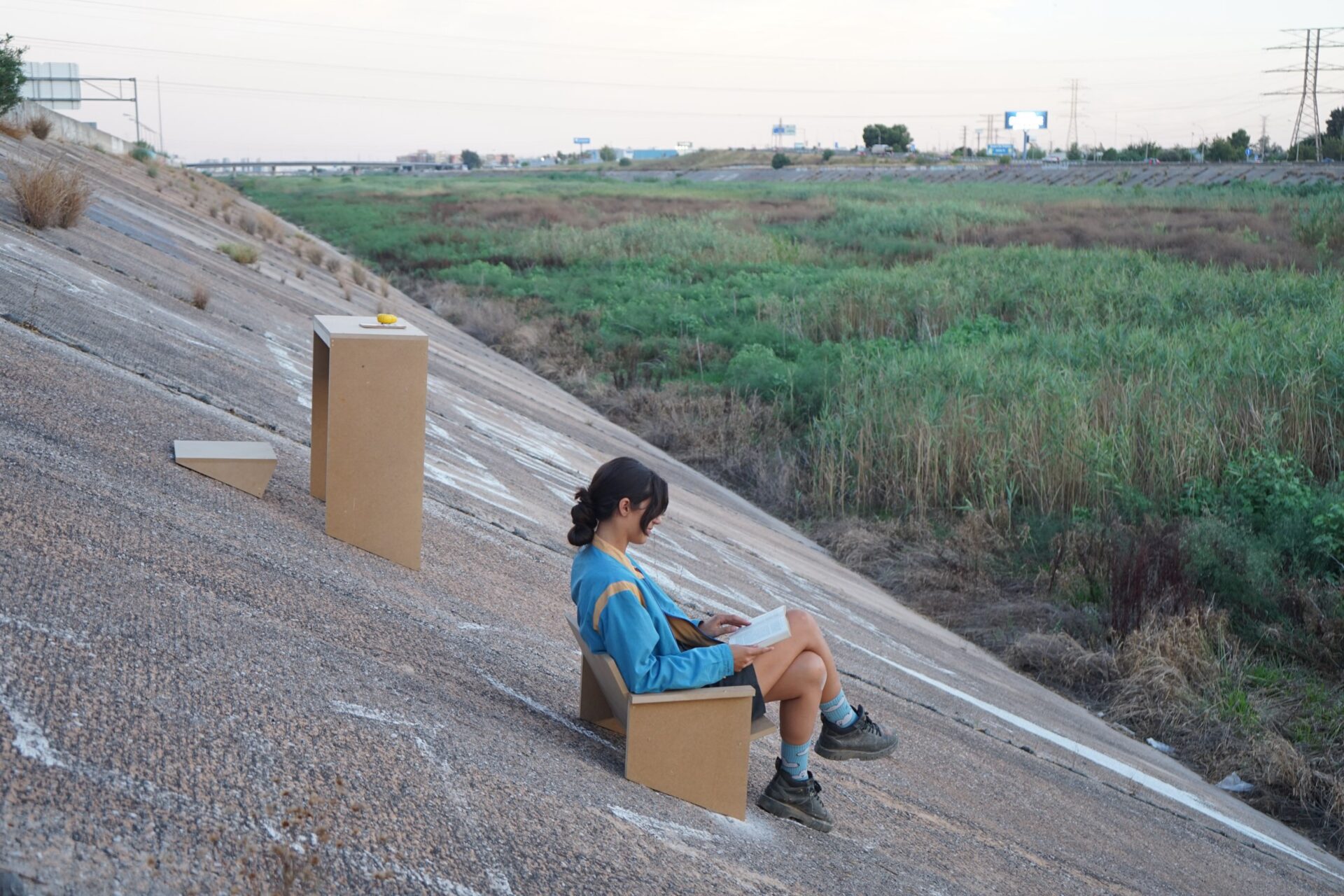
Sometimes a piece of furniture, other times a rounded corner, an elevated surface, or a flight of steps, even a patch of ground warmed by the afternoon sun, a place to sit is commonly a promise, a gesture of trust, an act of surrender to gravity. So, what does designing sitting mean? To treat these intimate bodily actions as design practices provides a way of denaturalising them: taken-for-granted, everyday practices, like eating, sleeping, and sitting, become newly strange when we see them as ‘design accomplishments’.
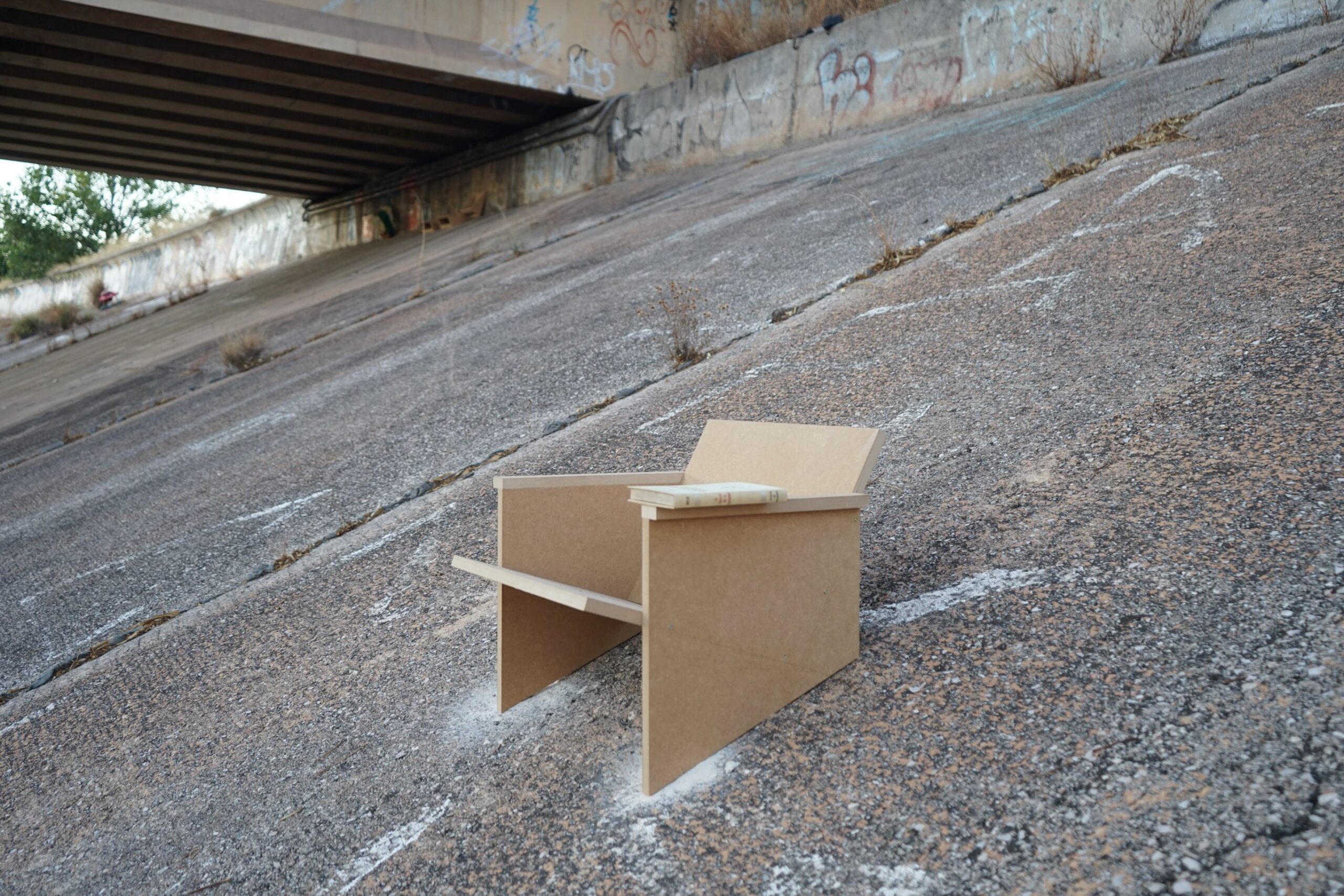
Here is where this space we call the chair comes in; not necessarily an object, but a possibility, an invitation extended by space to the body.
But what does sitting in a chair mean?
“Why do we have chairs, where did they come from, why do they look the way they do, and why do we continue to sit on them?” asks Galen Cranz, Professor Emerita of Architecture at the University of California, Berkeley, in her 1998 book The Chair: Rethinking Culture, Body, and Design, exploring how sitting habits are historically constructed and how furniture design reflects social conventions. The author challenges the apparent neutrality of the conventional chair revealing how its design reflects cultural expectations of posture and behaviour, often at odds with the body’s own needs.
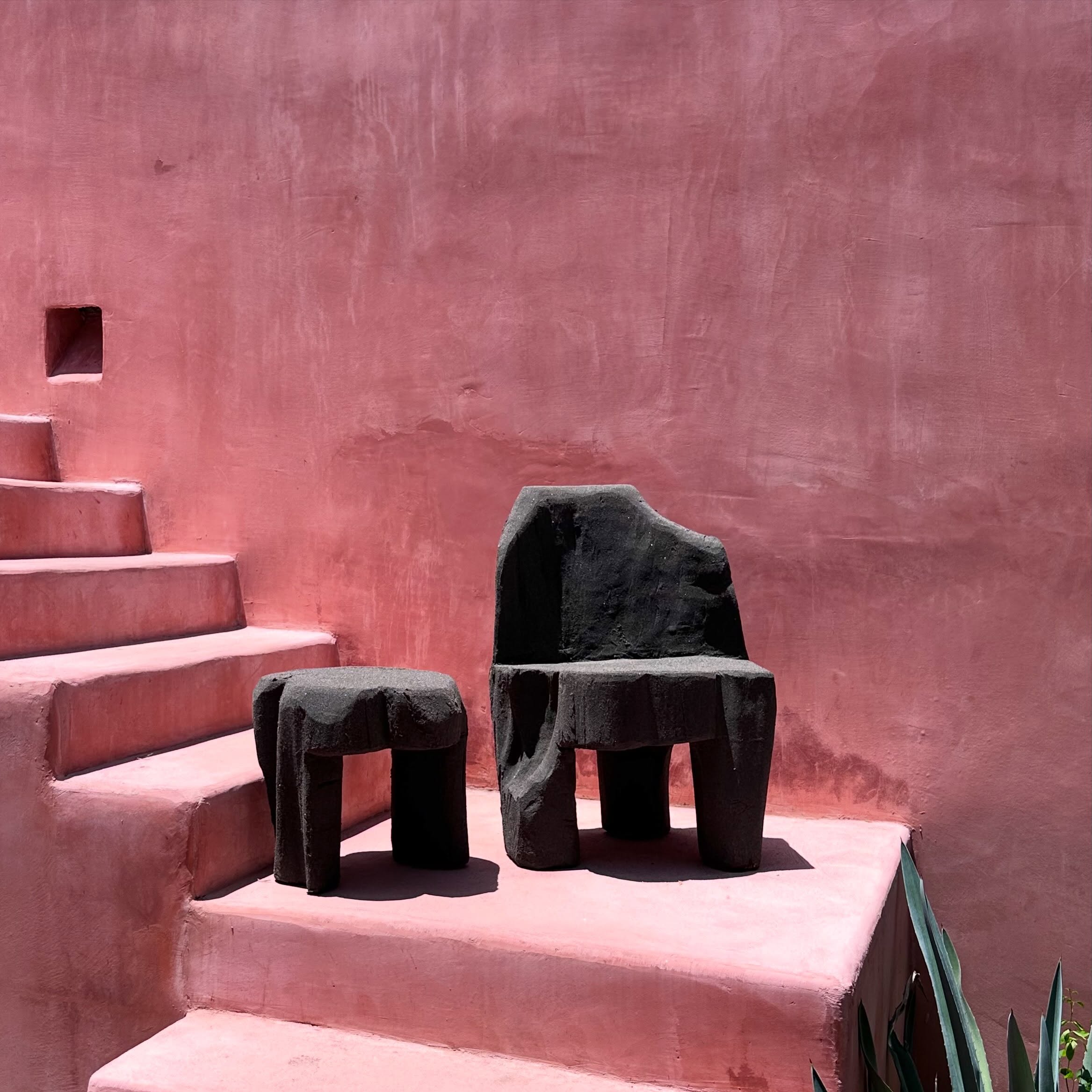
Pointing out Western architects’ fascination with chairs, “because they are both anthropomorphic and architectonic,” which has led nearly all of the big names in twentieth-century architecture, from Breuer and Mies van der Rohe to Bertoia, Wright, Aalto, and, of course, Le Corbusier, to design famous chairs that live with us today, Cranz examines the chair as a cultural artefact rather than a mere piece of furniture.
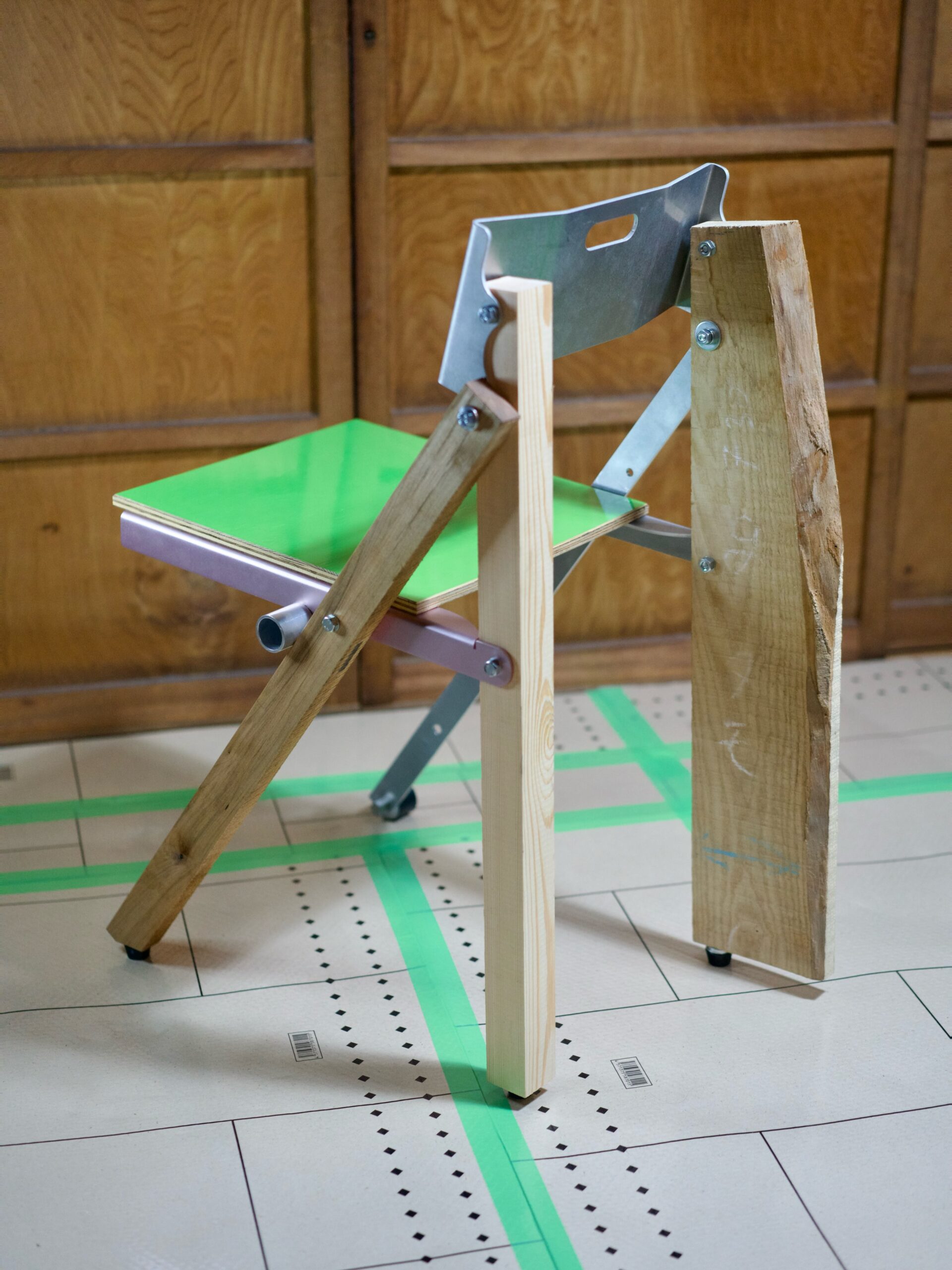
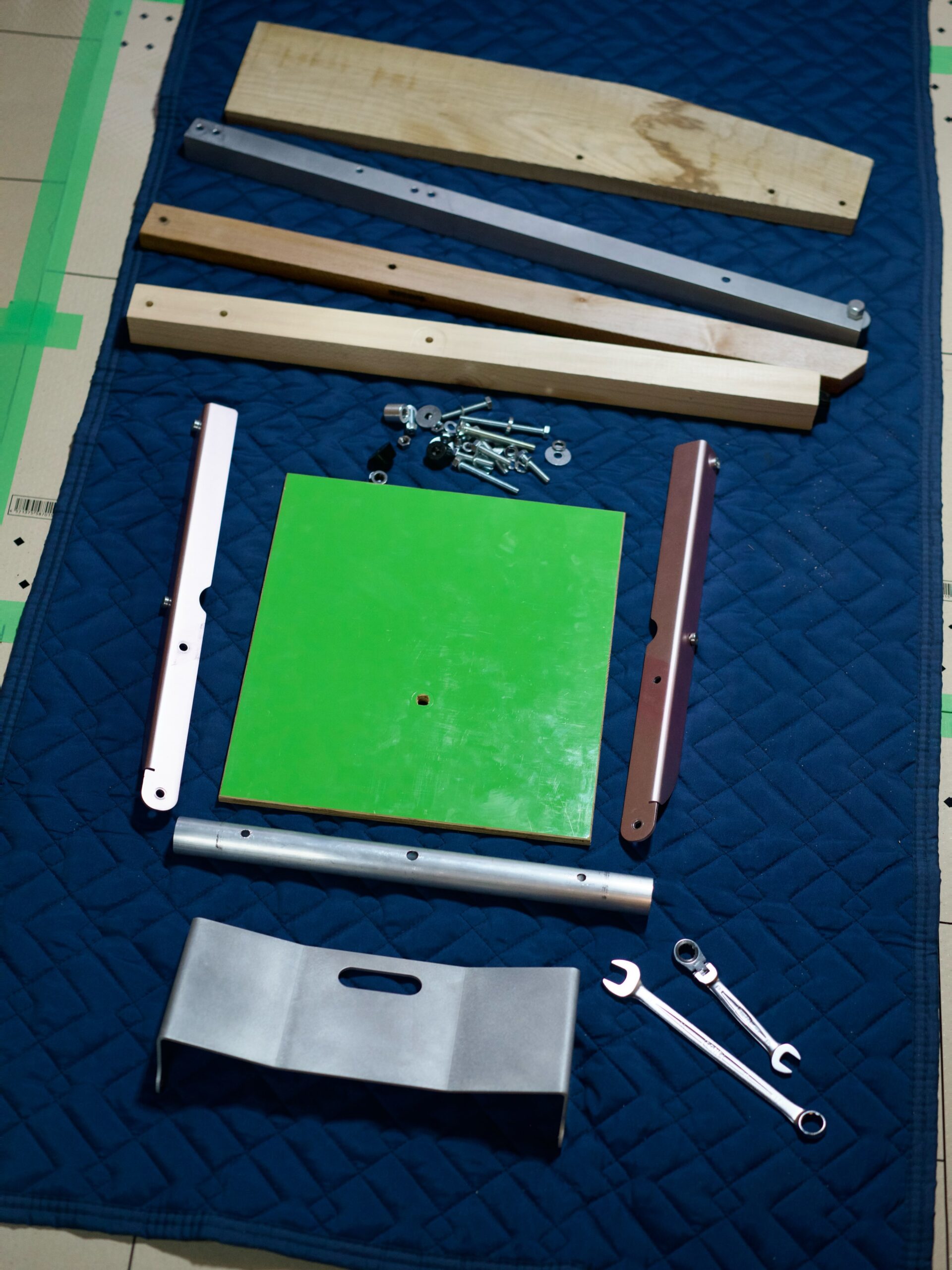
From ancient times to the present day, chairs have been carriers of style, through which we differentiate ourselves from others.
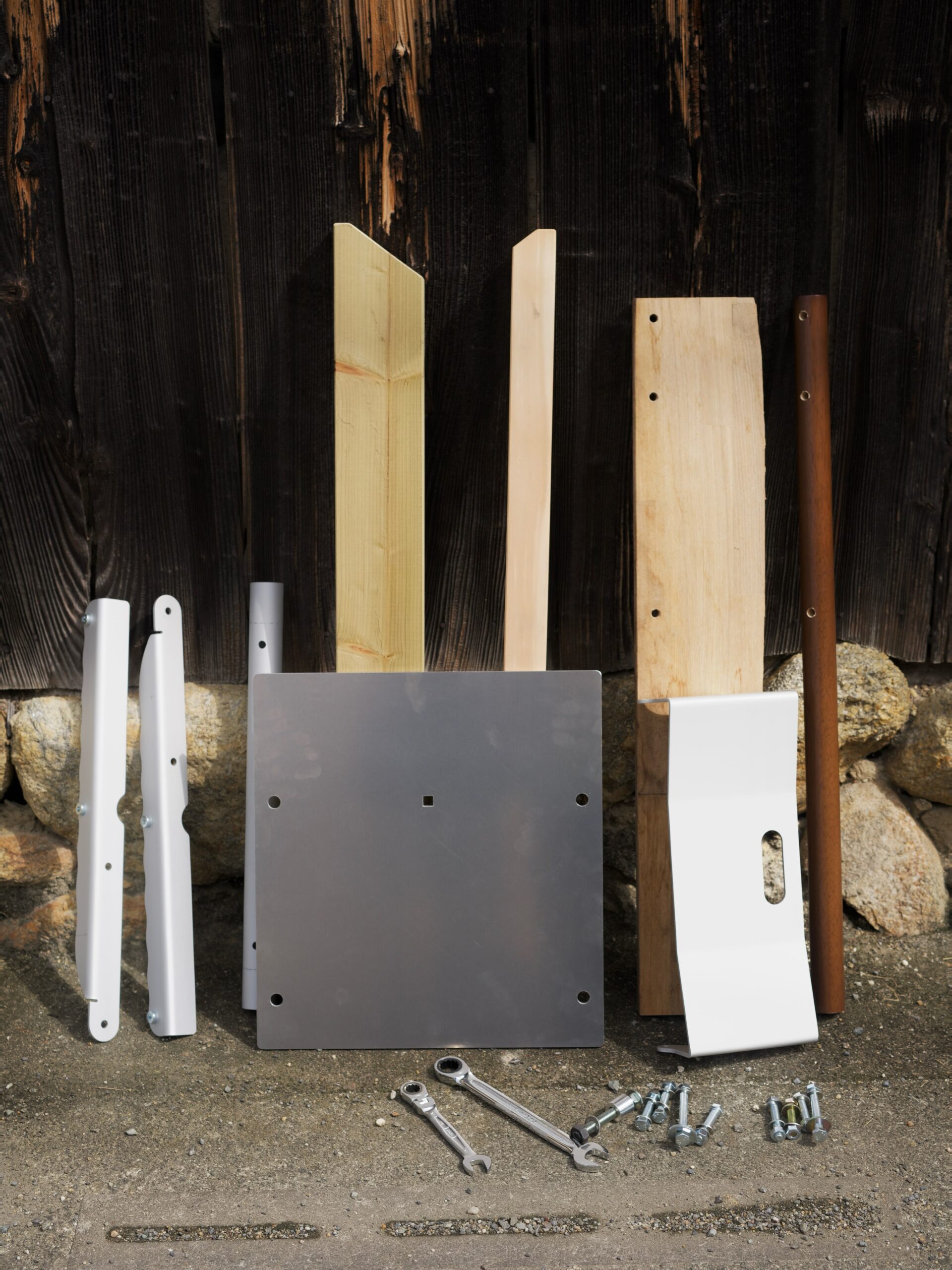
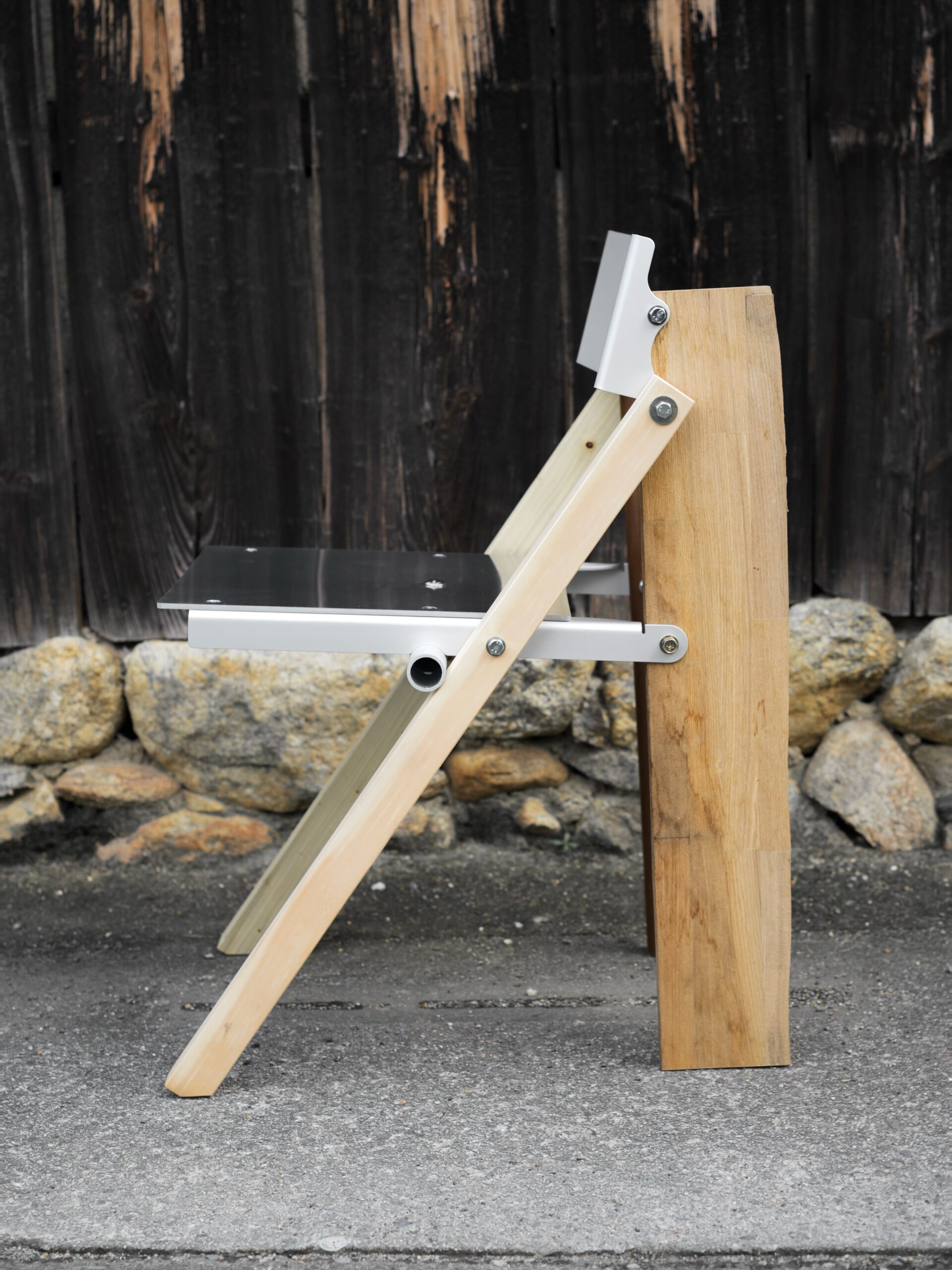
From the thrones of pharaohs and kings, which were reserved for those in authority, imposing rigid, upright postures that communicated social rank and reflected the relationship of power between rulers and the ruled, to seating in contemporary “homes, offices, and schools, the chair continues to elaborate differences between men and women, bosses and employees, young and old,” states Galen Cranz.
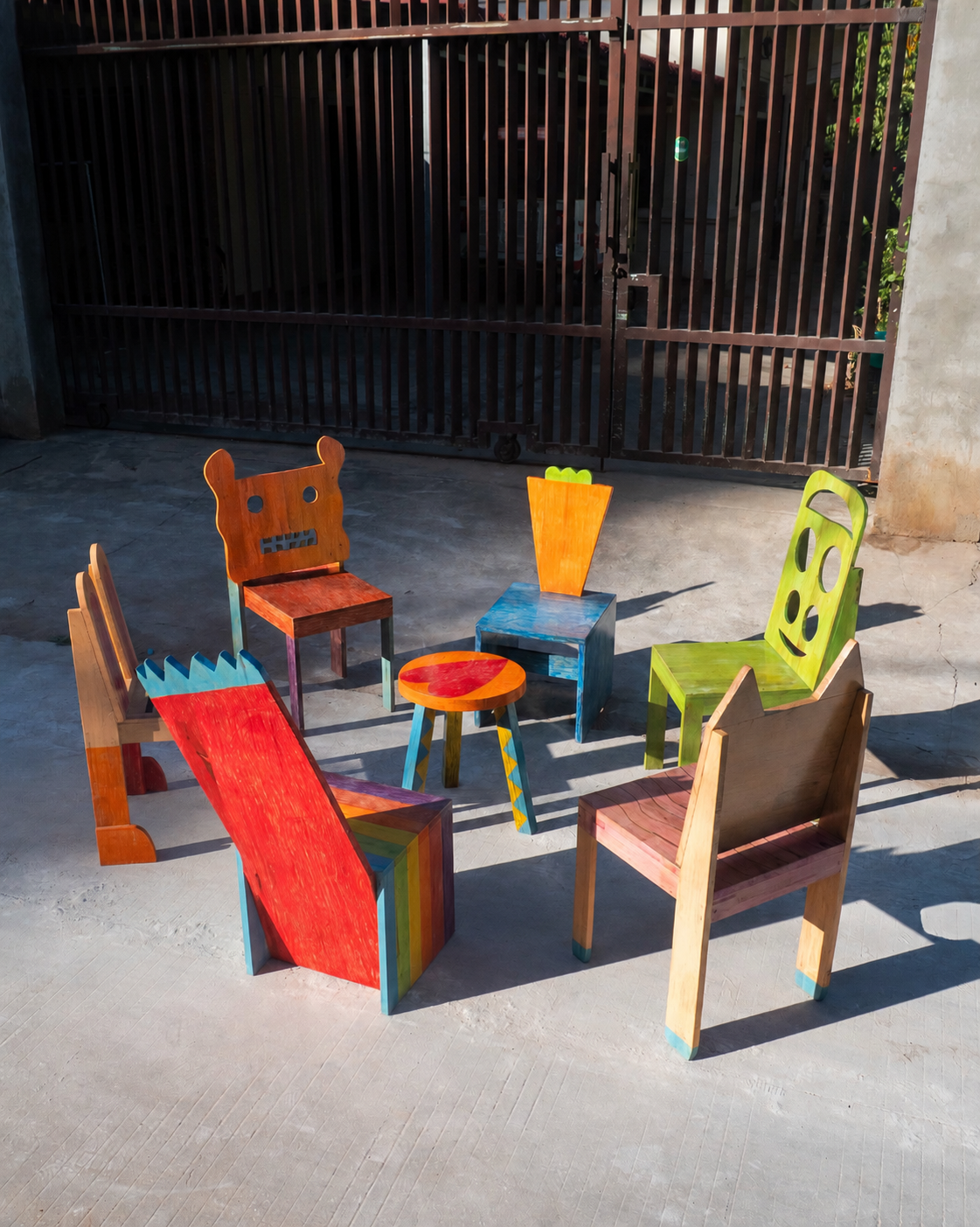
So, given that the chair reflects social hierarchies, what happens when its material presence disappears and it becomes one with the ground?
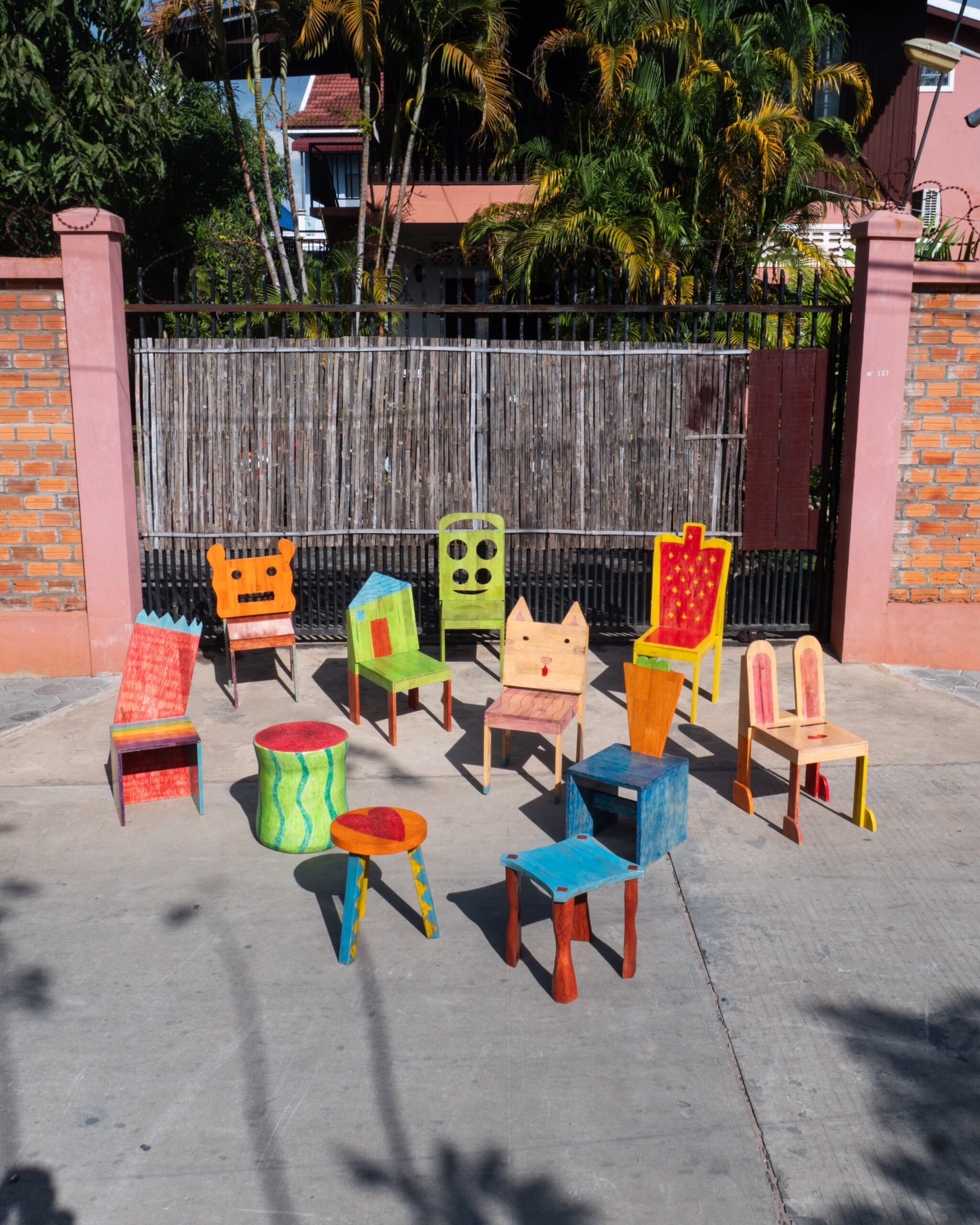
Floor-sitting, squatting, or kneeling point out that perhaps a chair is not defined by its four legs, its backrest, or its material existence, but by the possibility it offers: to pause, to inhabit, to belong somewhere, if only for a moment, in a temporary agreement with the world.
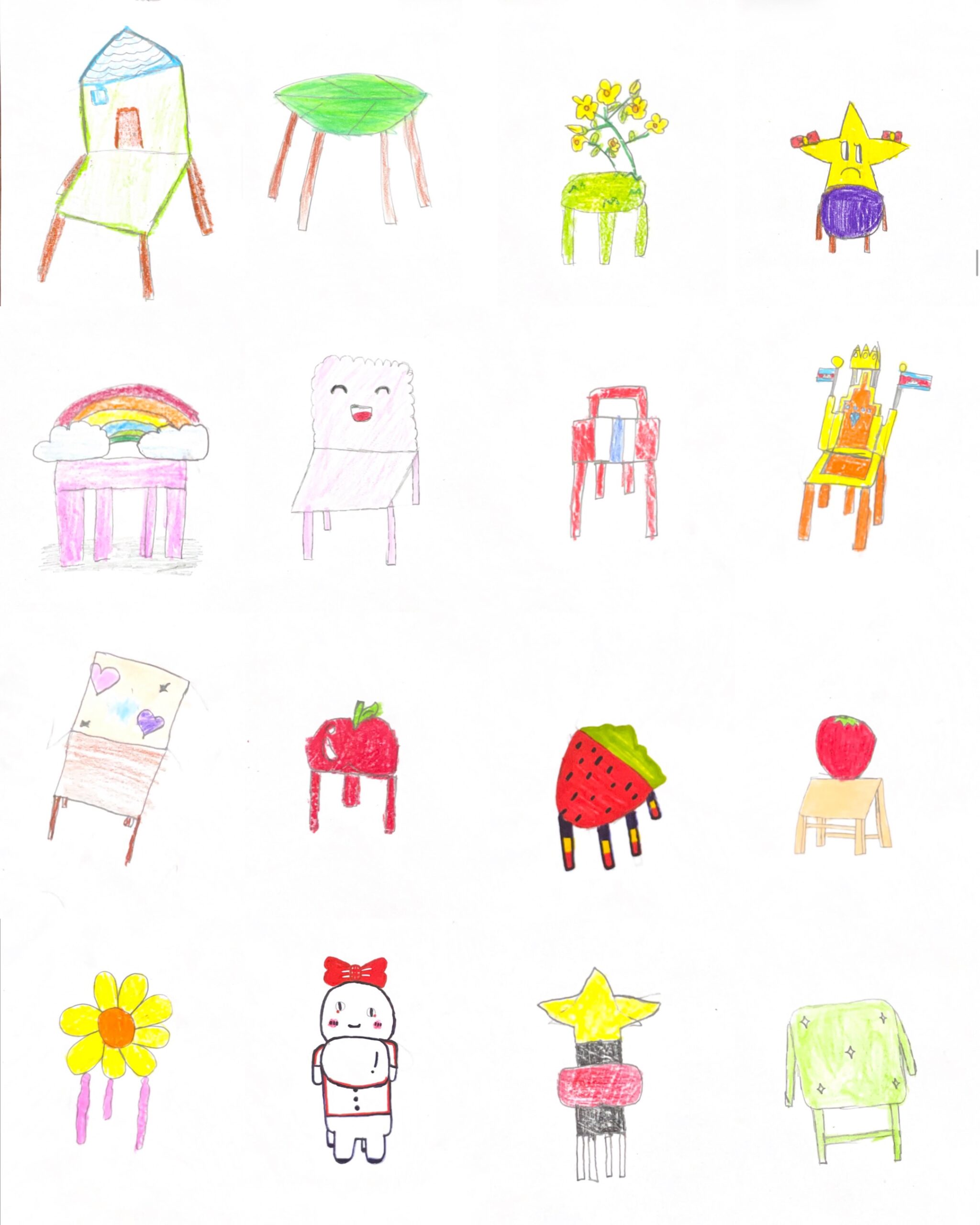
Similarly, architect and Professor Emeritus of Urbanism at the University of Pennsylvania Witold Rybczynski, in Now I Sit Me Down: From Klismos to Plastic Chair (2016), traces the chair’s evolution across cultures and centuries, reminding us that sitting on chairs is neither universal nor inevitable. So, if the chair is not merely a functional response to a bodily necessity, but a cultural construct that both accommodates and disciplines the body, what does it mean to design one?
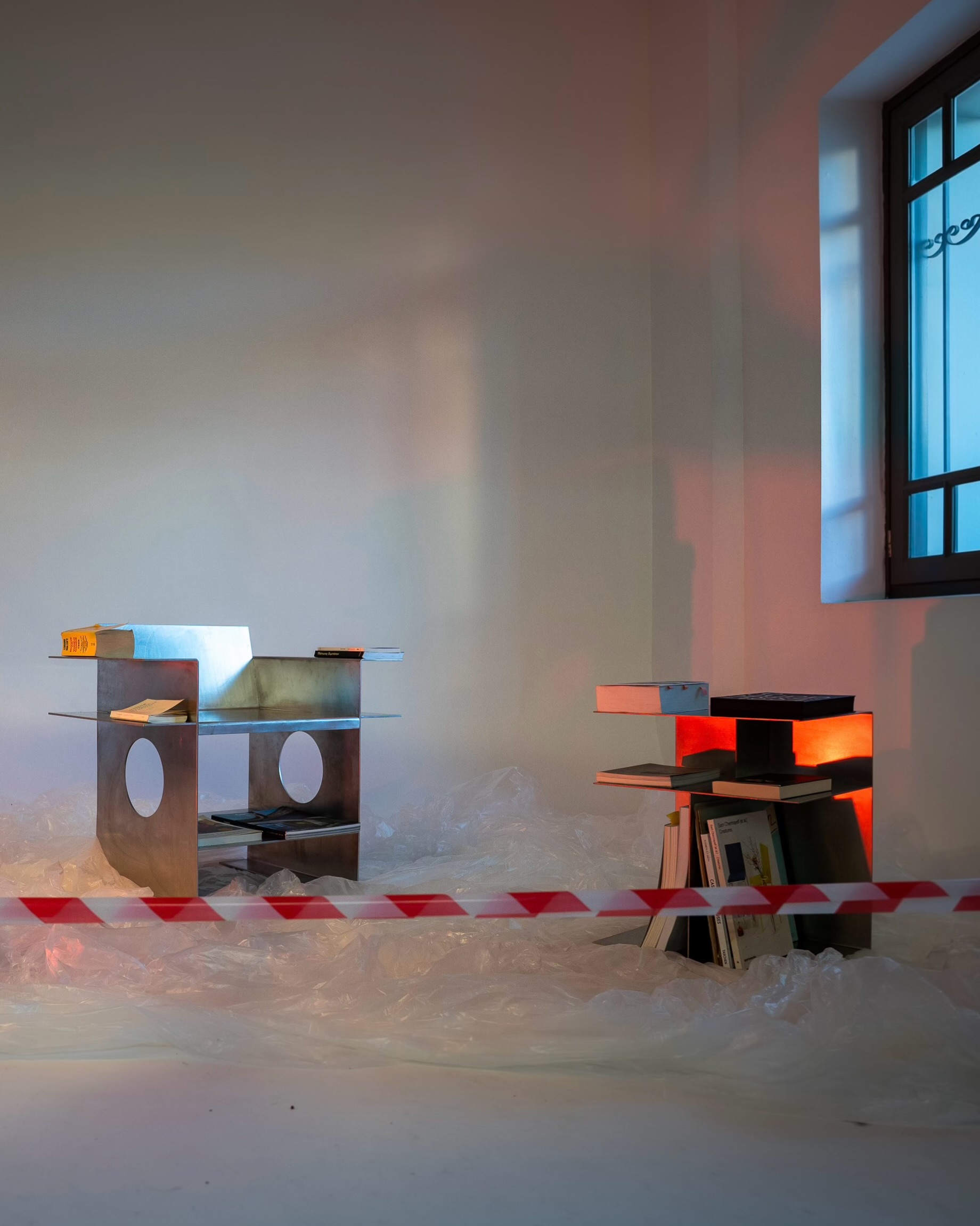
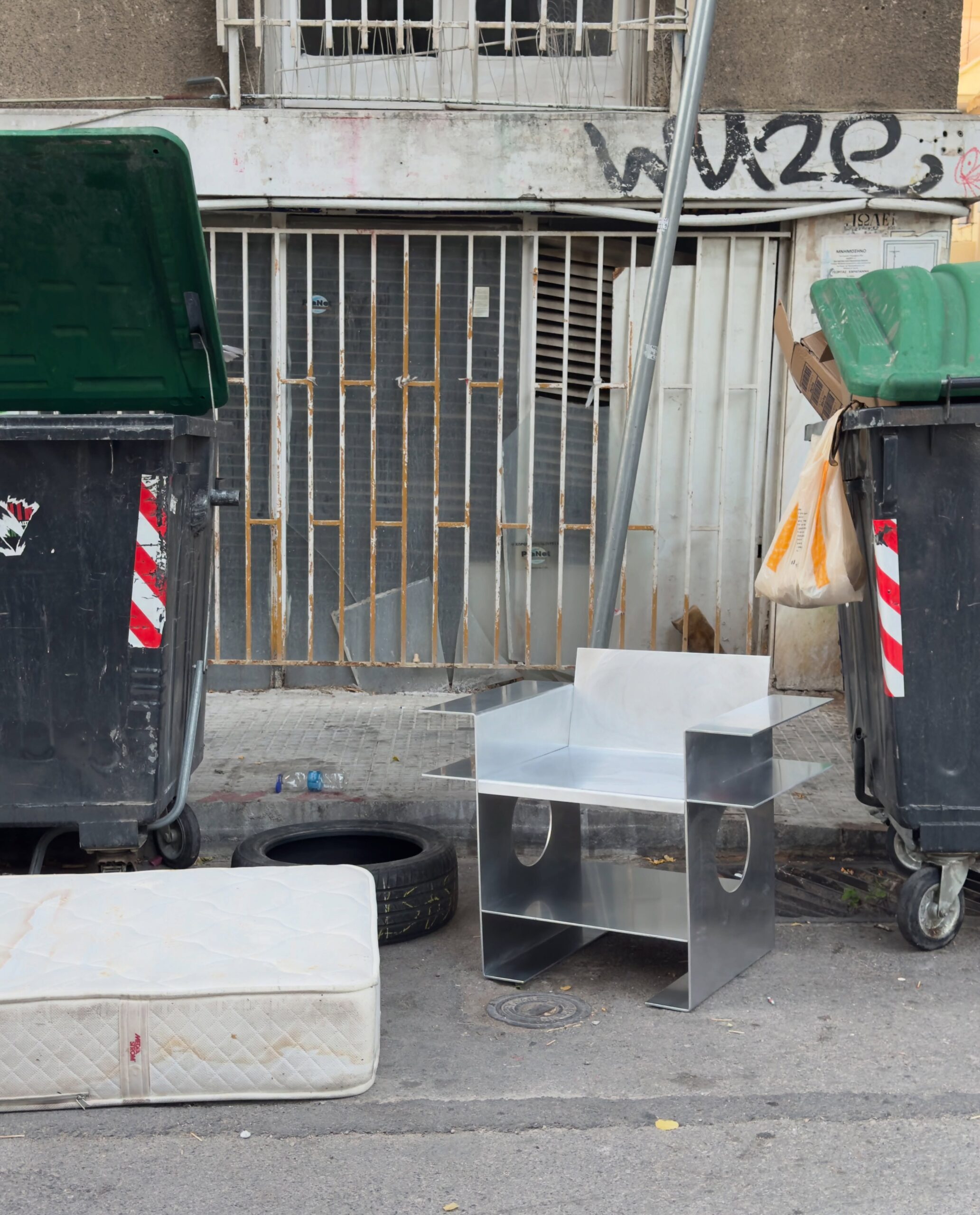
Designing a chair is imagining a space of welcome; an ever-open hug.
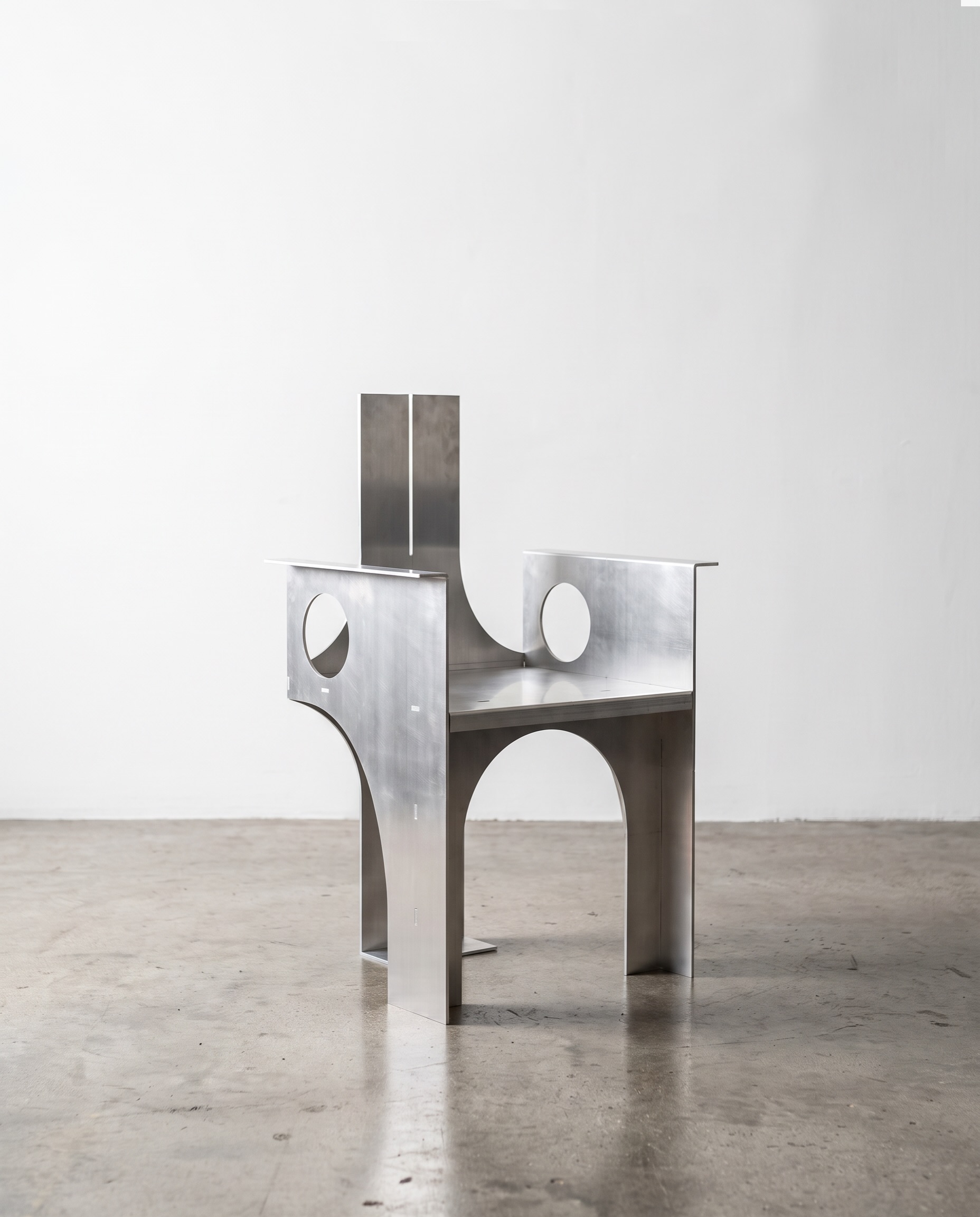
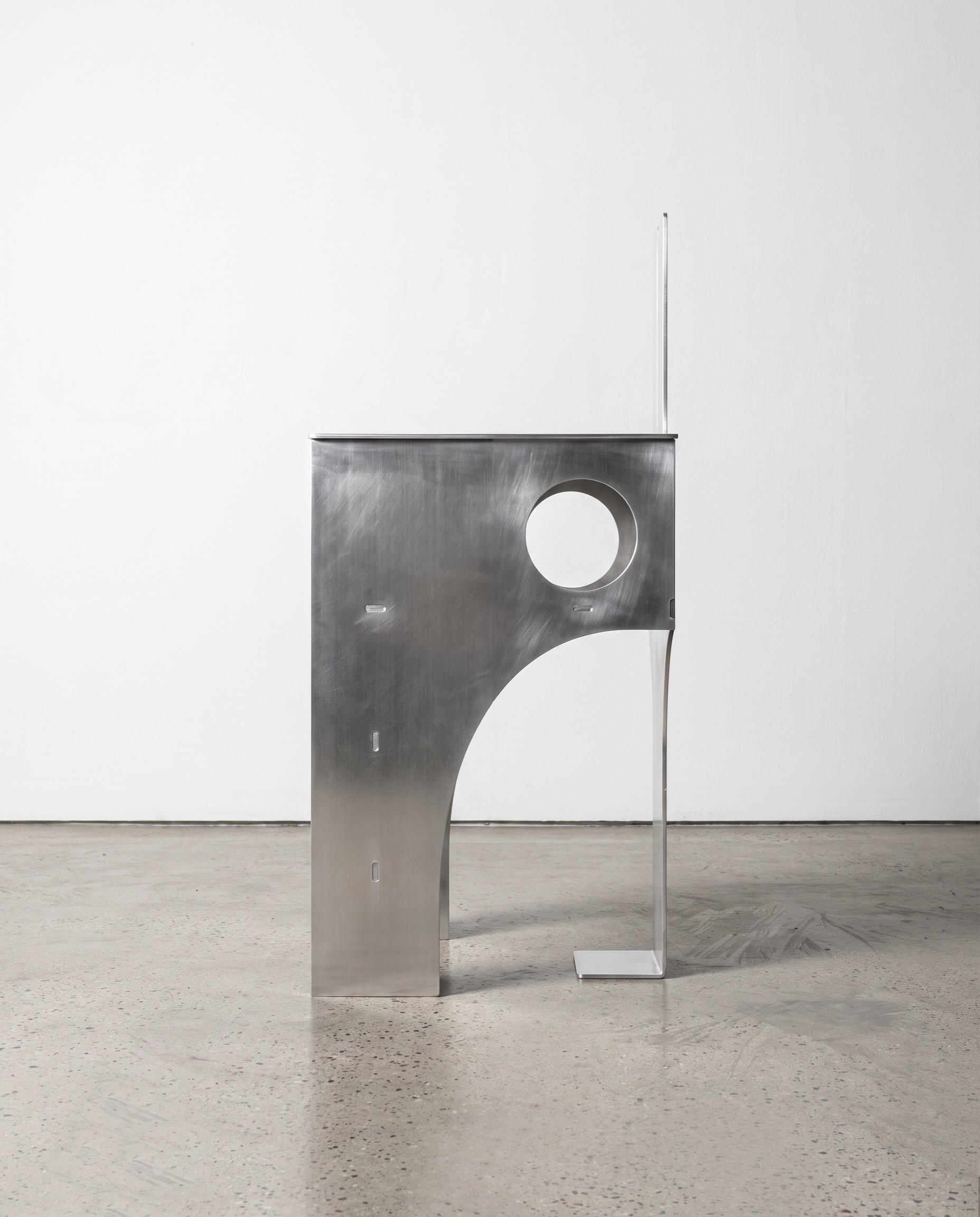
An empty chair is both a presence and a challenge, simultaneously an opportunity and an invitation.
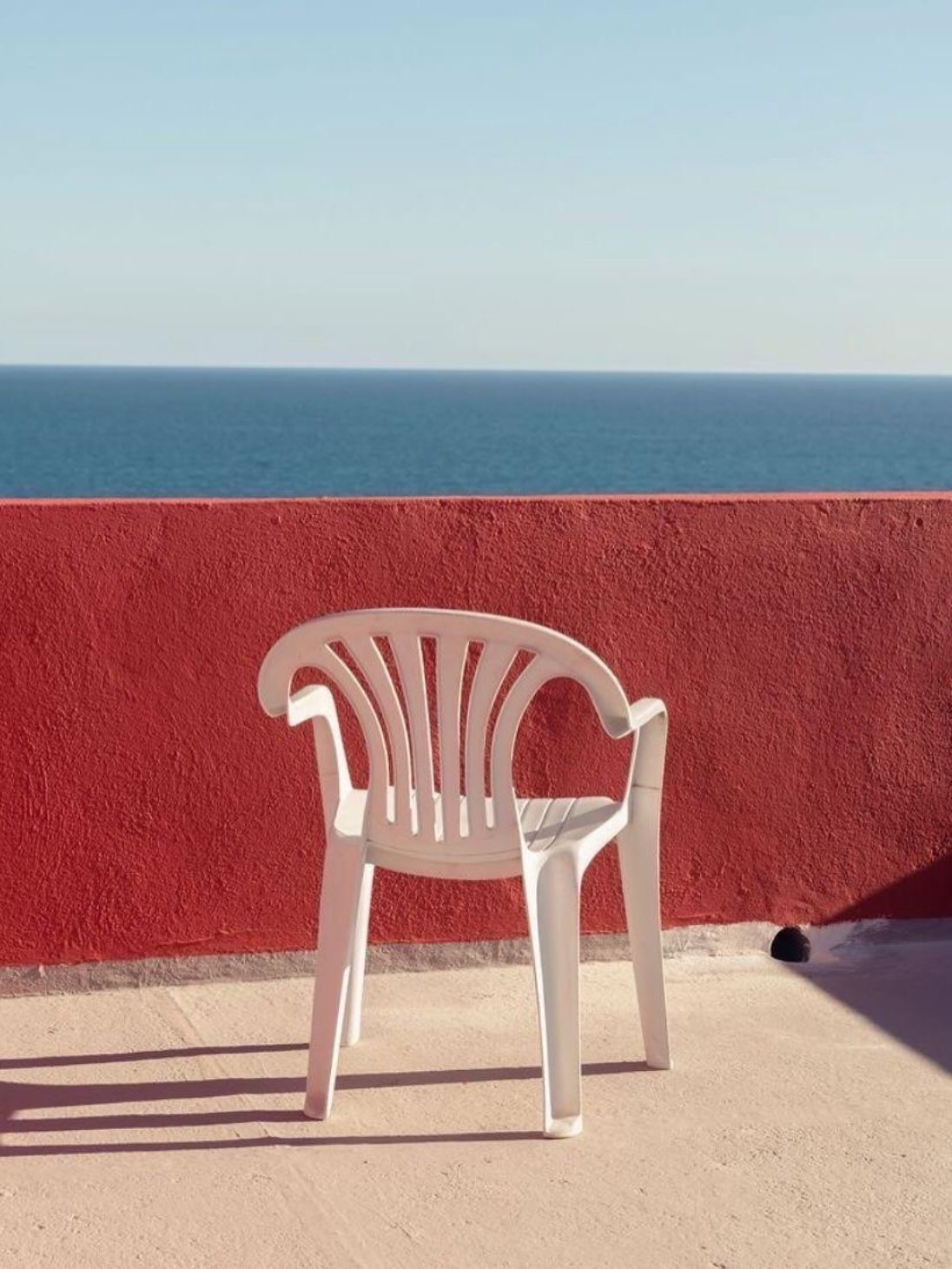
Much like the table, the chair is something we share, perhaps not all at once, but consecutively. Sitting in someone’s chair is like stepping into their shoes, getting their point of view on the world, understanding better.
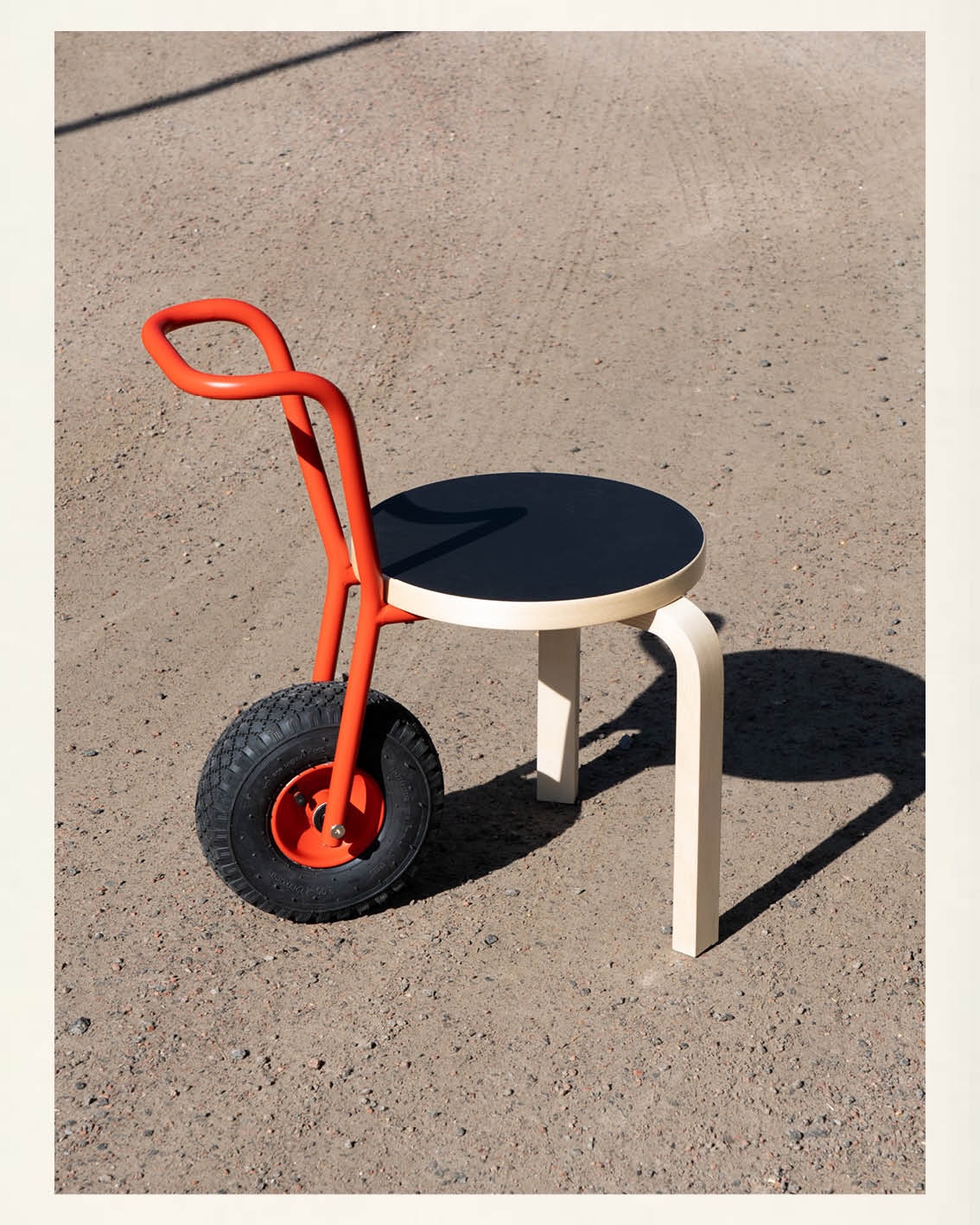
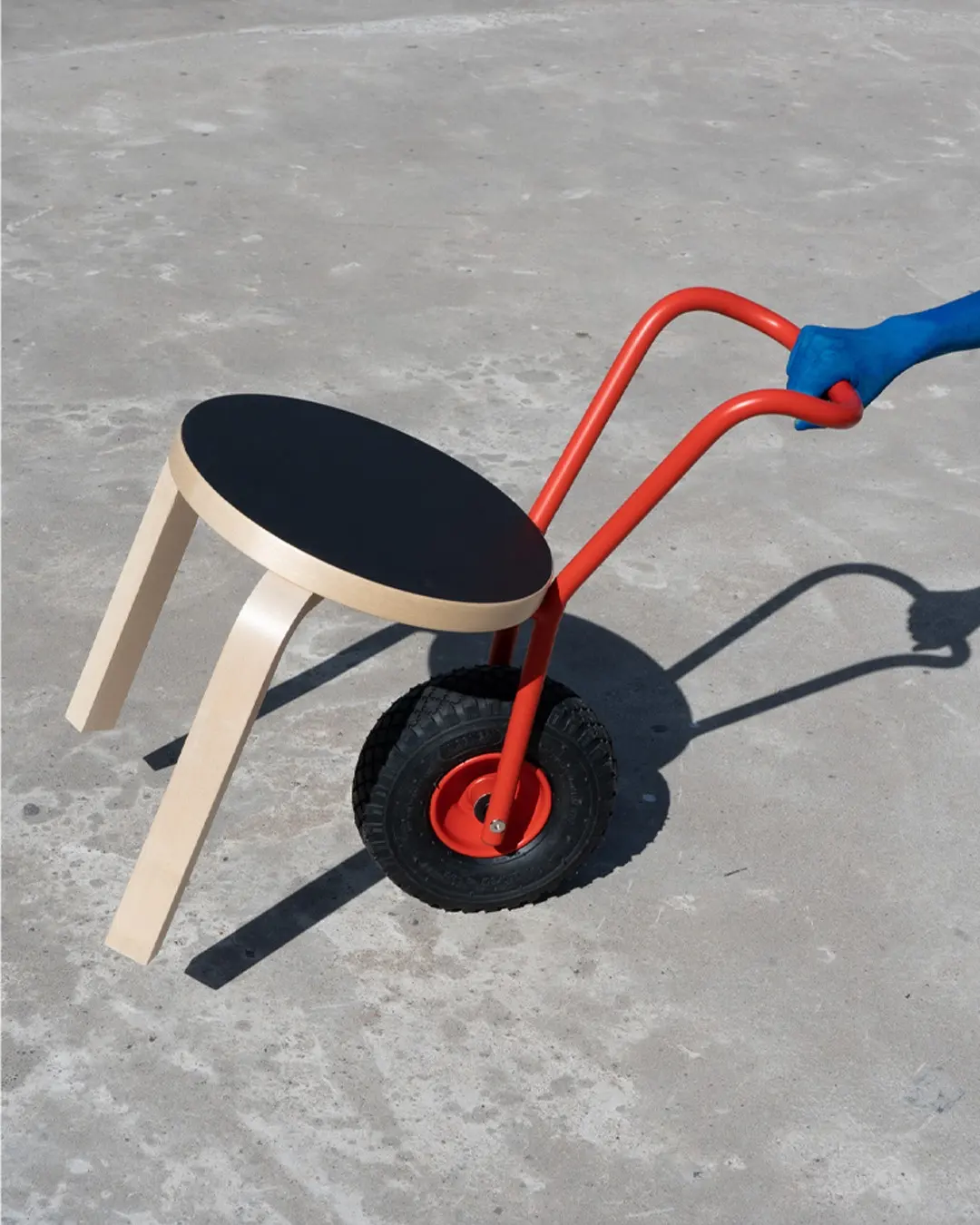
The chair is simultaneously a temporary pause from the world and a defining podium towards it.
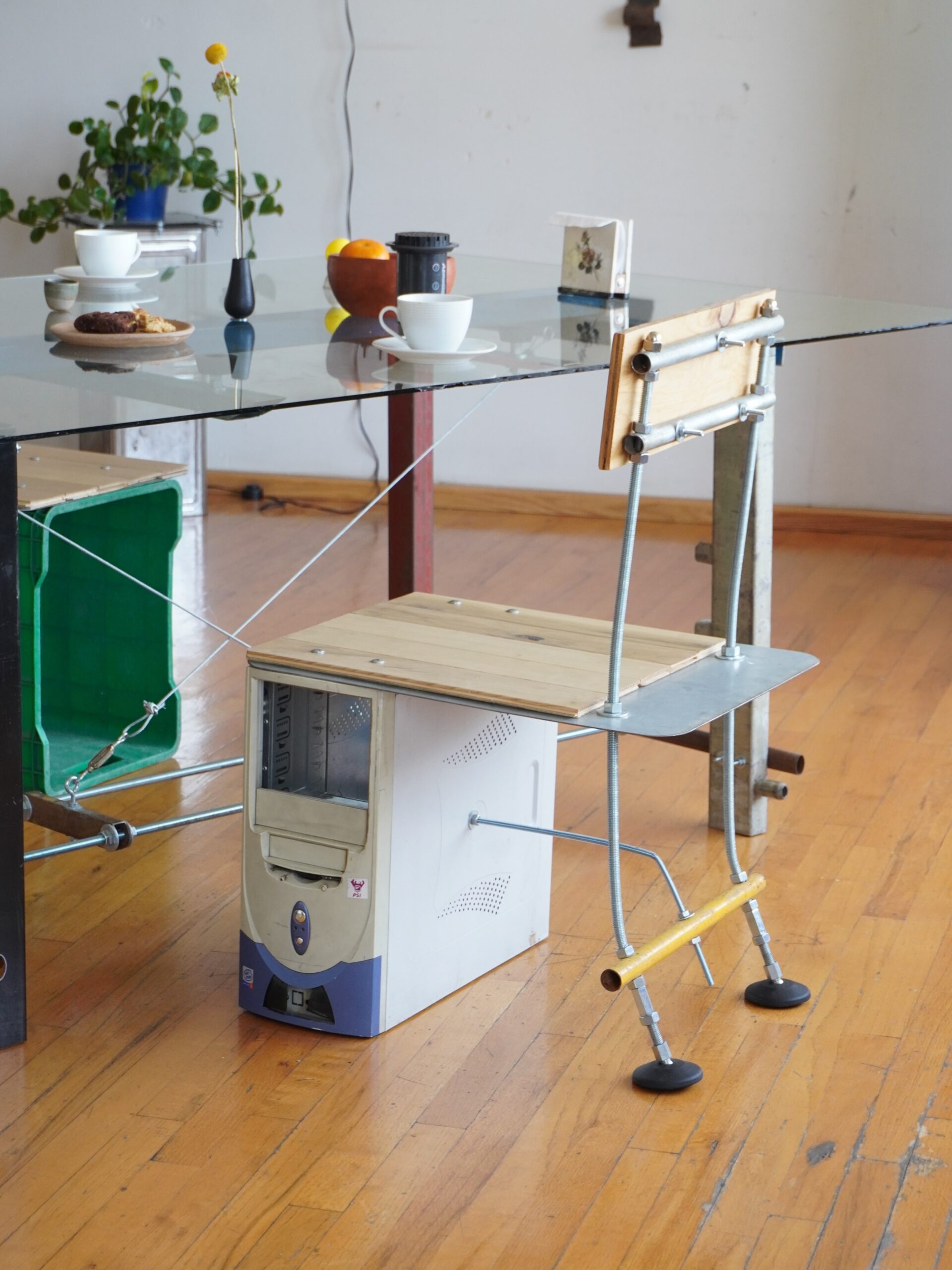
It carries the traces of bodies that have occupied it and anticipates those yet to come. To sit is to make a place out of space; to take an active stance.
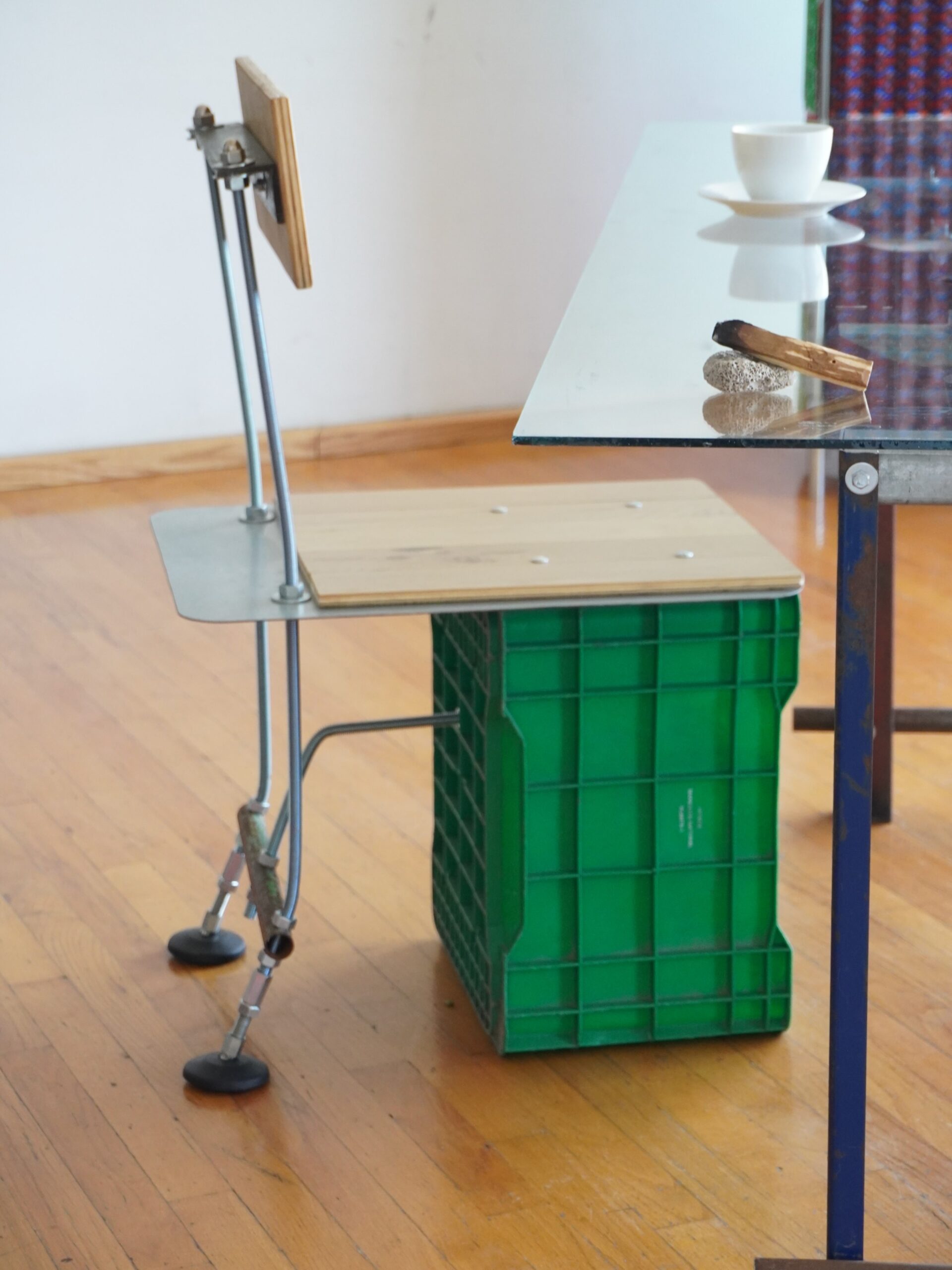
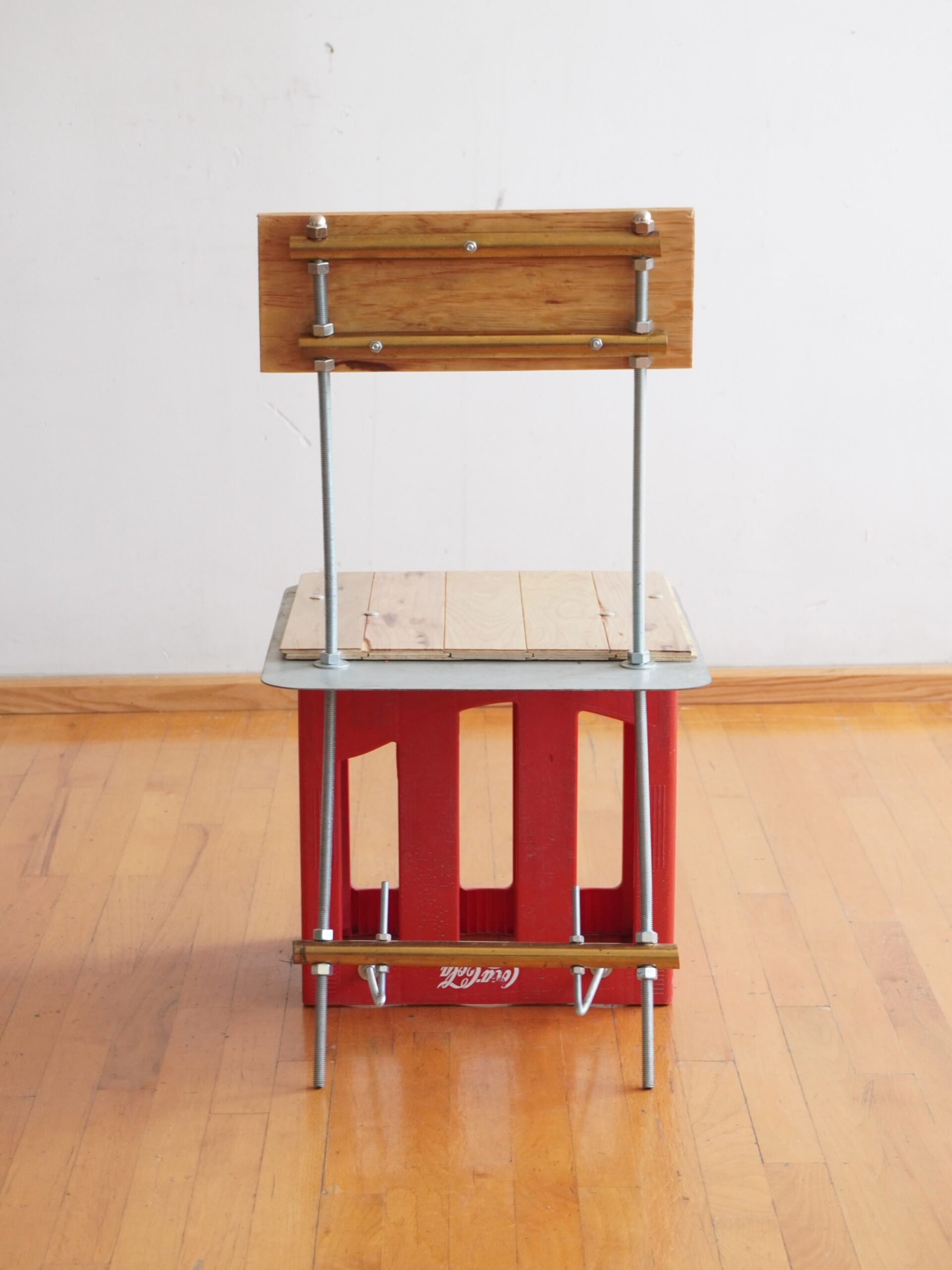
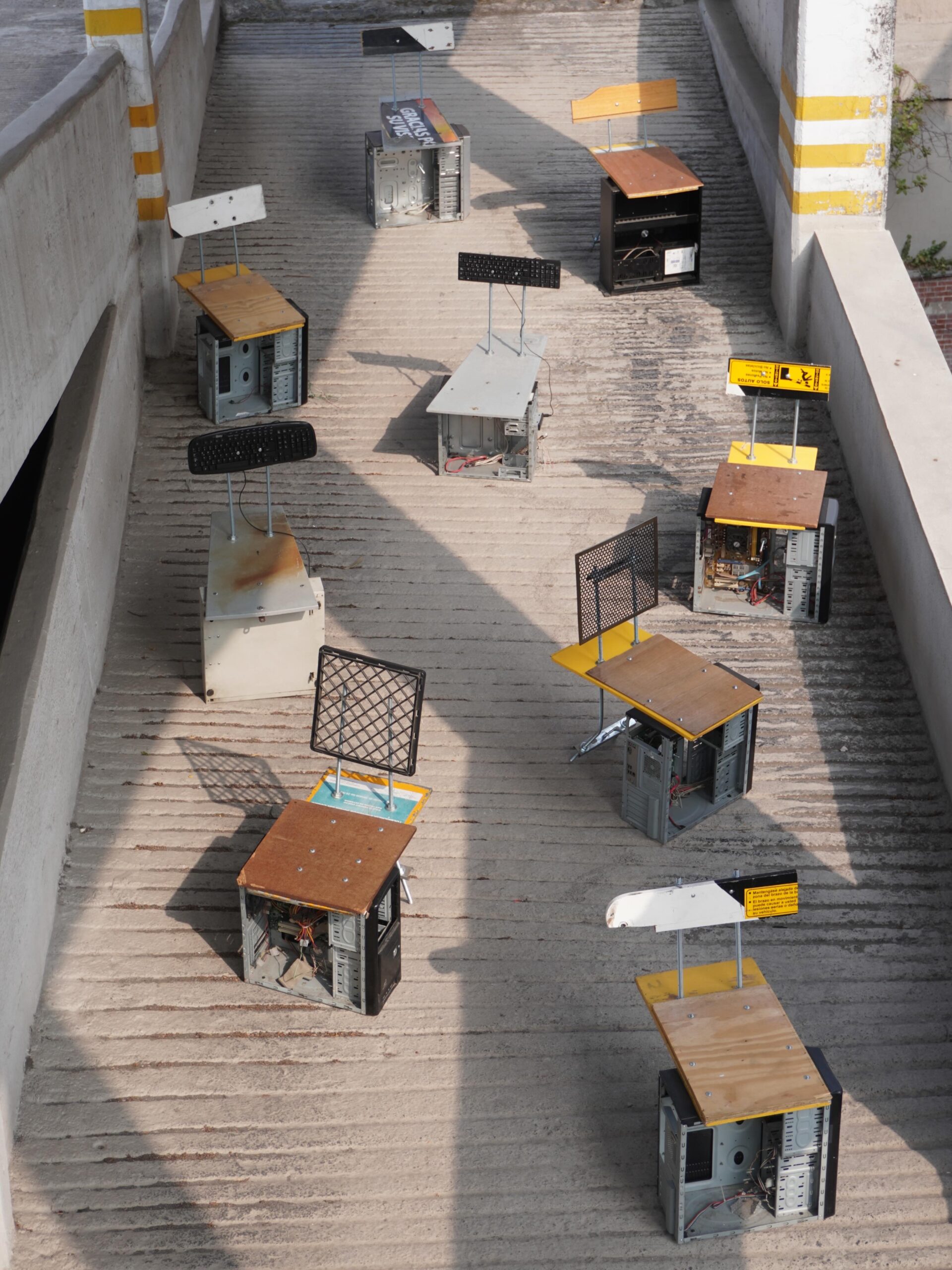
So, perhaps it is not the chair that makes us sit, but the act of sitting that makes a chair happen. And to design a chair might simply mean making space for the countless ways a body wishes to be in the world.
Bibliography
Cranz, G. (1998) The Chair: Rethinking Culture, Body, and Design. New York: W.W. Norton & Company.
Mauss, M. (1973) ‘Techniques of the body’, Economy and Society, 2(1), pp. 70–88. https://doi.org/10.1080/03085147300000003.
Rybczynski, W. (2016) Now I Sit Me Down: From Klismos to Plastic Chair: A Natural History. New York: Farrar, Straus and Giroux.