What Do Architects Build?
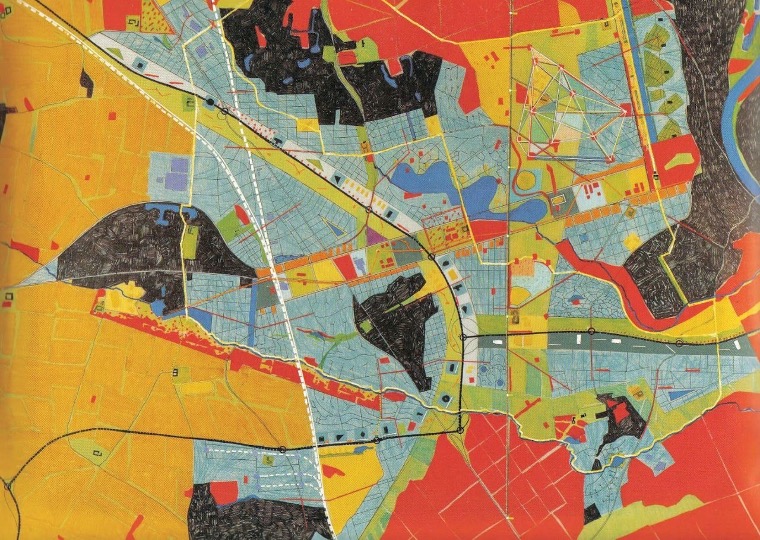
Architecture is a peculiar practice; corporeal and incorporeal, realistic and imaginative at once. Dreamers or builders, artists or engineers, architects are often torn between thinking and doing, between a piece of paper and a construction land. Between architectural drawings and buildings, architects are wrongfully expected to do it all. So, at the end of this road, the question is simple: what does it take for someone to be considered an architect? Well, I would dare to say that one does not need to construct a building to practise architecture.

Writing, drawing, imagining, and producing architectural knowledge are not secondary activities; they are equally architectural acts.
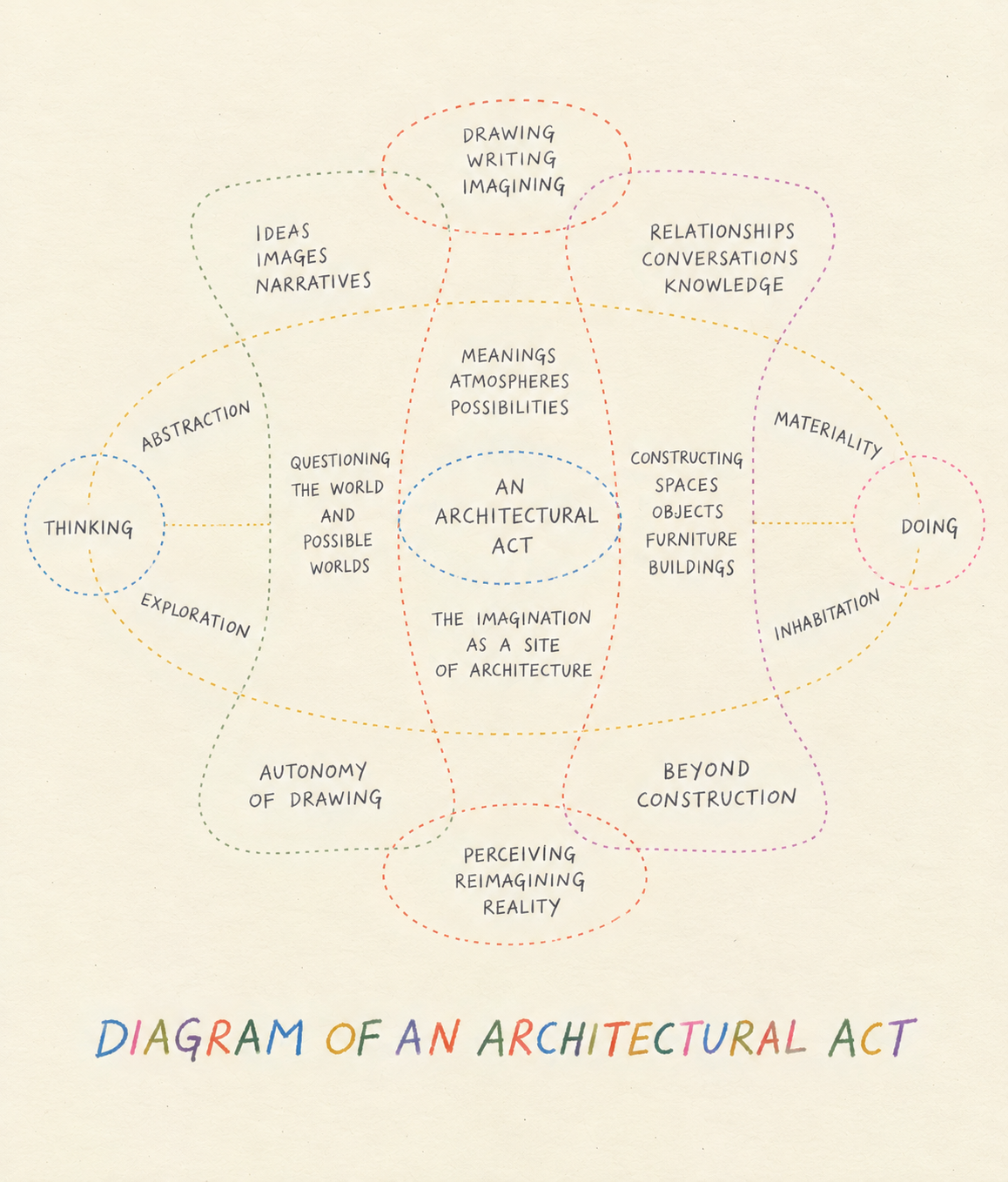
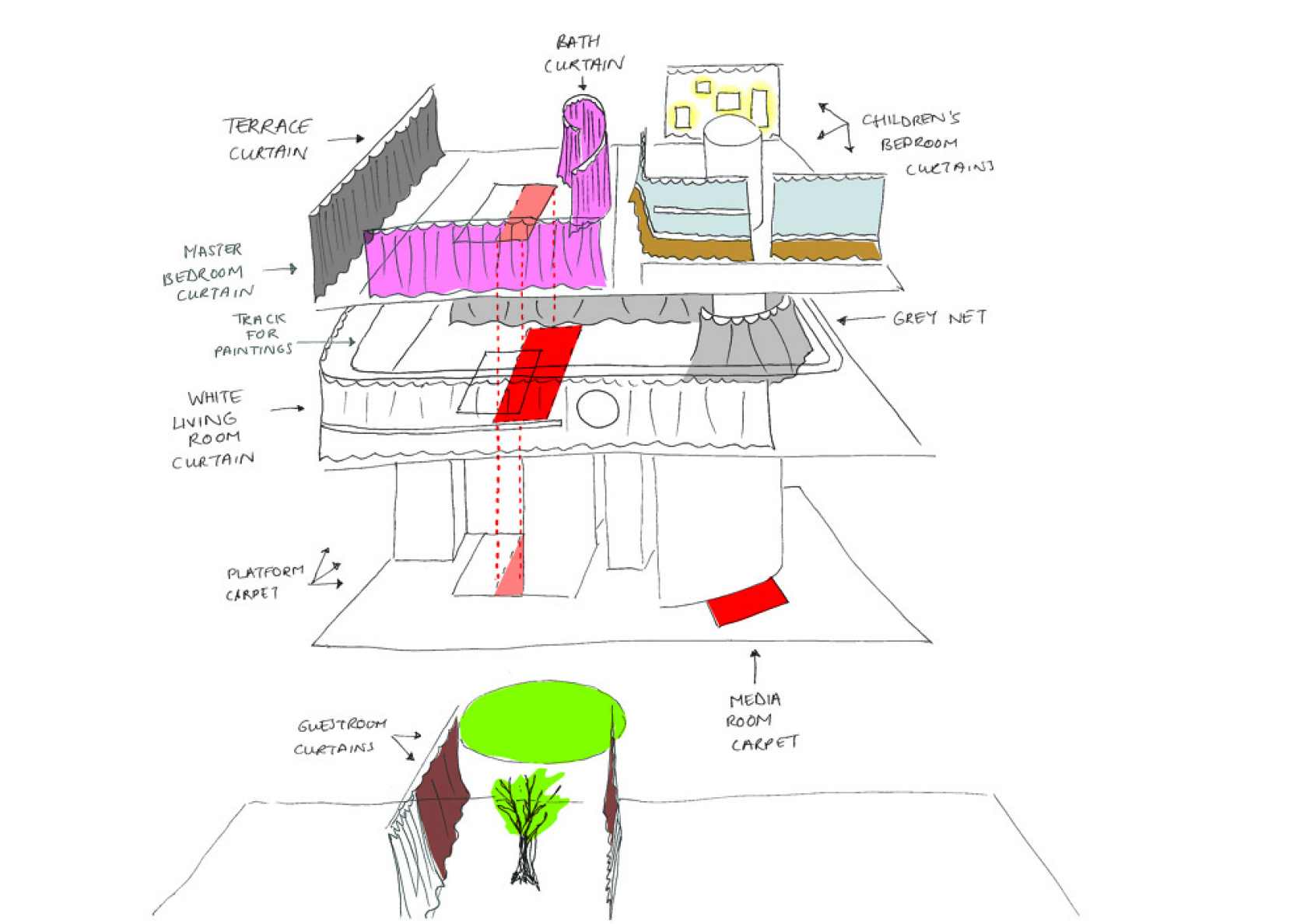
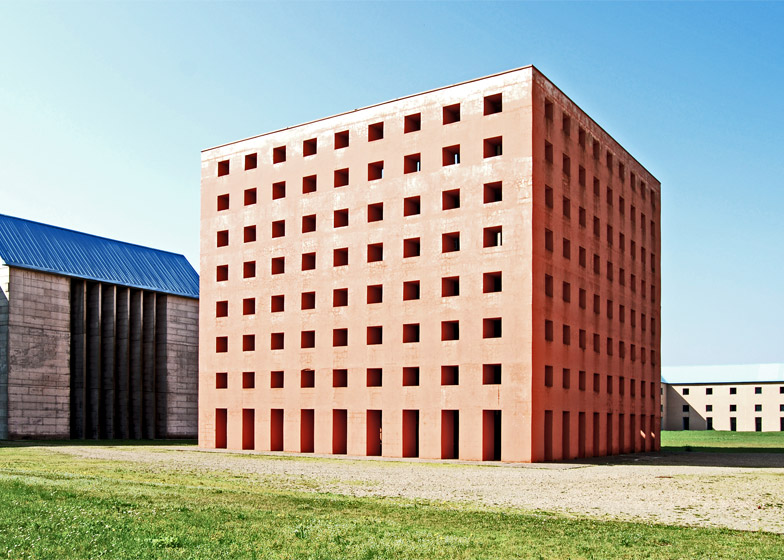
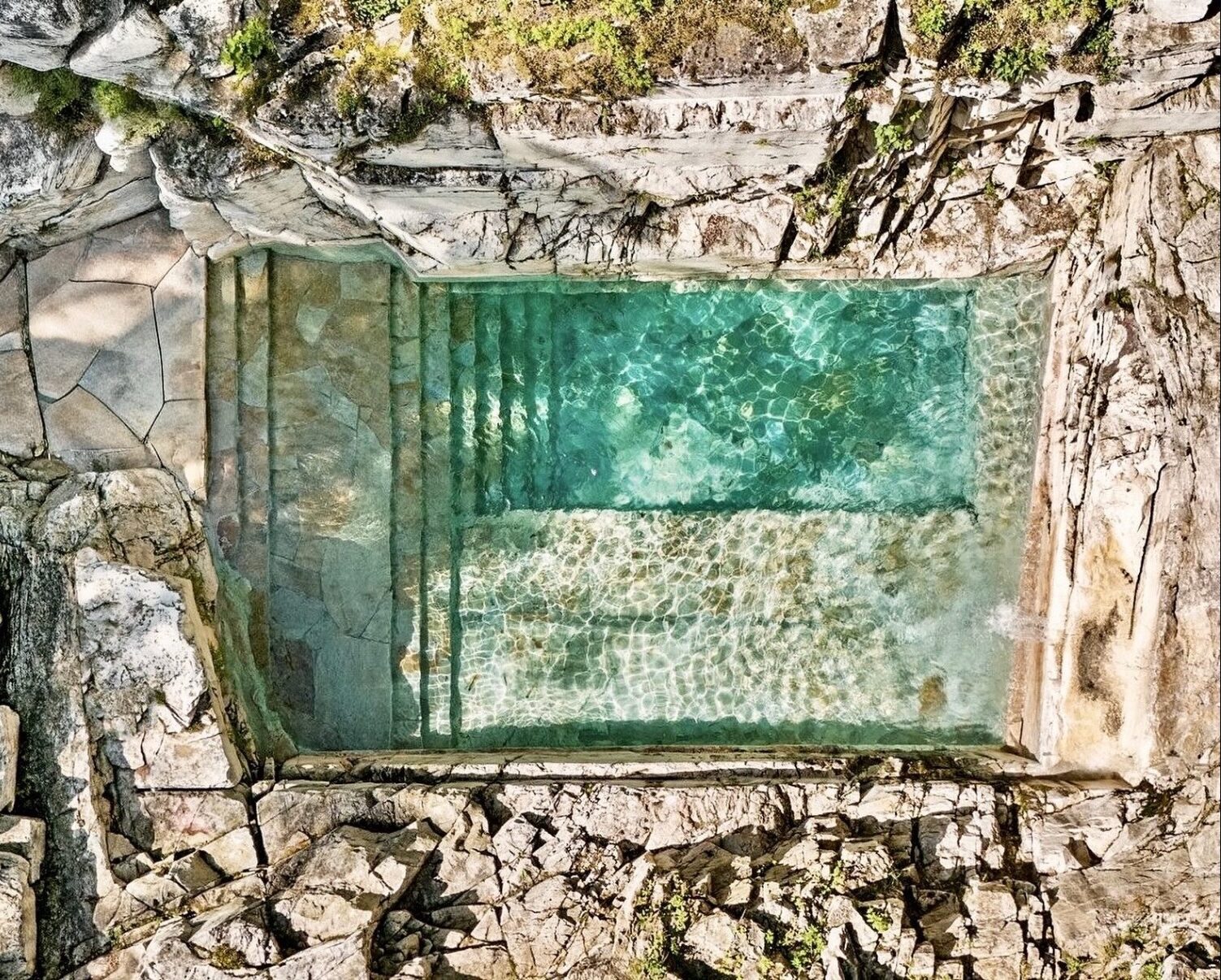
‘What Do Architects Build?’ explores an expanded understanding of architectural practice, beyond the construction of physical space, where architecture influences the way people imagine, write, think, and talk about the spaces they inhabit.
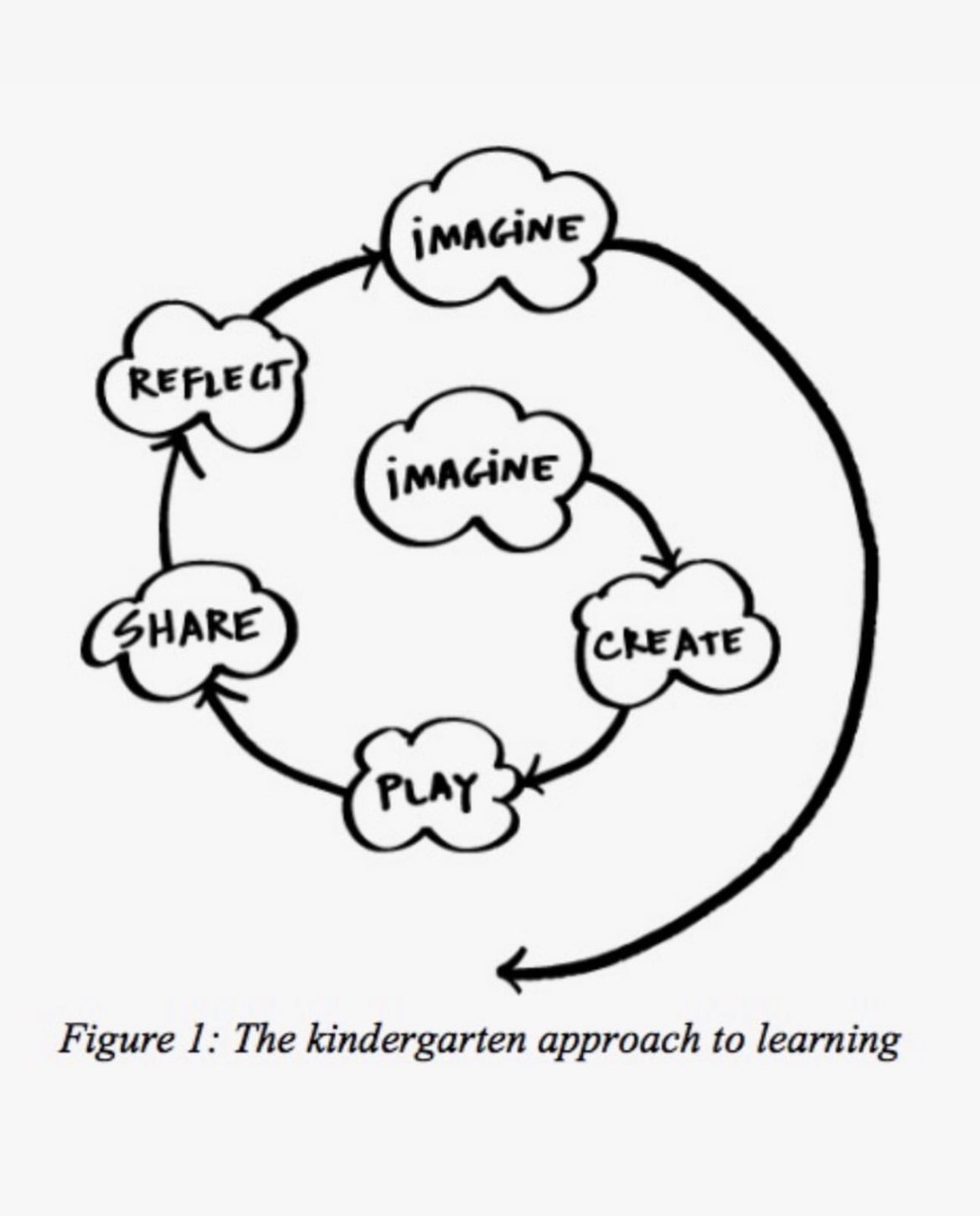
An architecture that builds relationships, produces images, generates meanings, and stimulates the imagination.
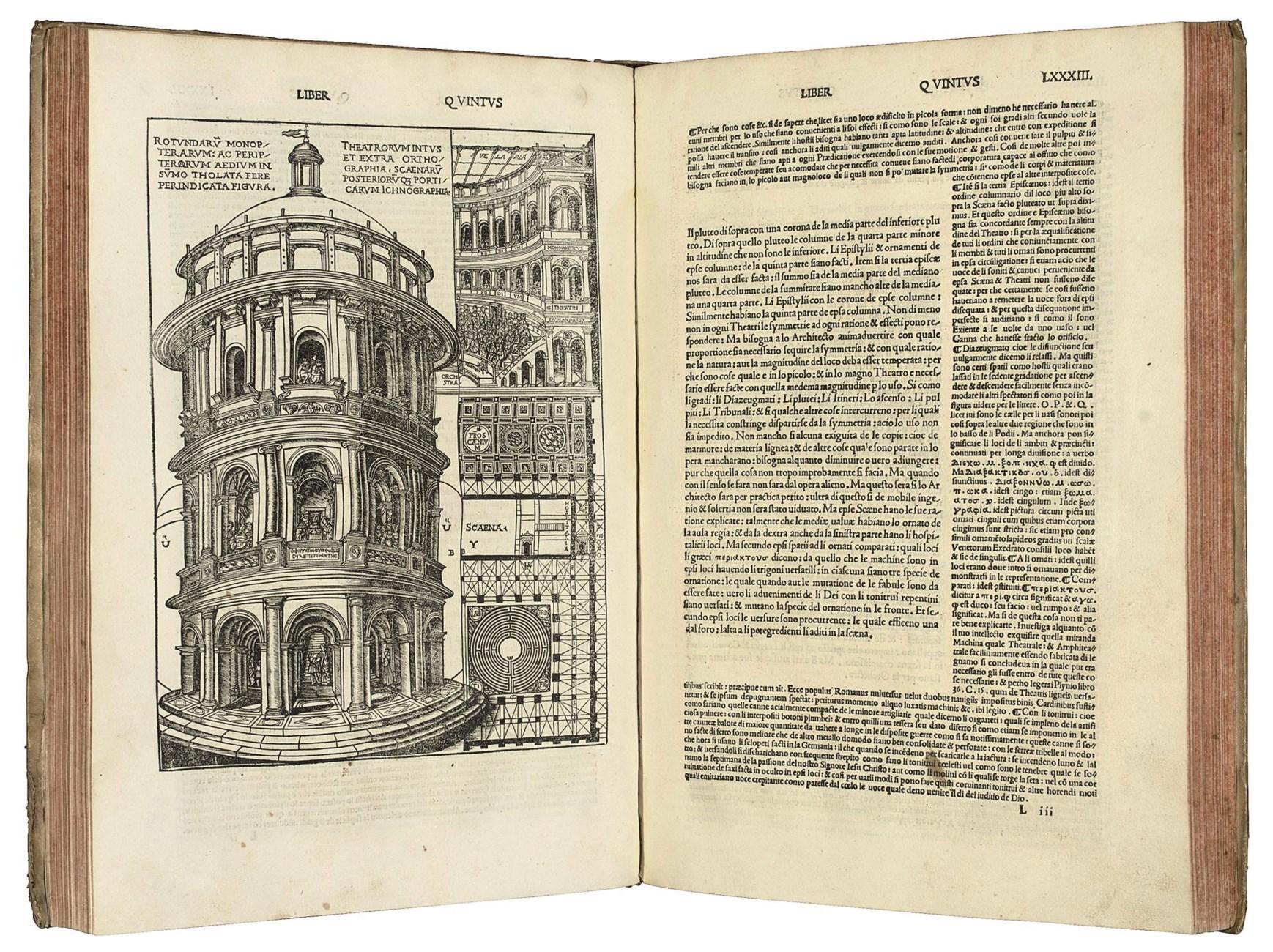
Architecture was not always understood primarily as the production of buildings, nor has the architect always been defined through the act of building. The historical definition of architectural practice has been shaped by changing relations between intellectual labour, artistic authorship, manual production, economic power, and professional legitimacy. From Vitruvius’s understanding of architecture as a union of practice and theoretical knowledge to the Renaissance emancipation of the architect as an intellectual and artistic figure, the discipline has continuously negotiated the relationship between thinking and making.
Yet the professionalisation of architecture, particularly during the nineteenth century, alongside industrialisation, urbanisation, and the capitalist organisation of building production, contributed to the consolidation of the architect’s identity within the construction industry.
Who historically acquired the authority to define what architectural practice is, and who is entitled to practise it, thus became not only artistic and intellectual questions, but also social, economic, and political ones.
If architecture has historically been shaped as much by drawing, writing, theory, and imagination as by construction, why does the completed building continue to occupy such a privileged position in defining architectural achievement?
Antiquity: Architecture as Both Building and Knowledge
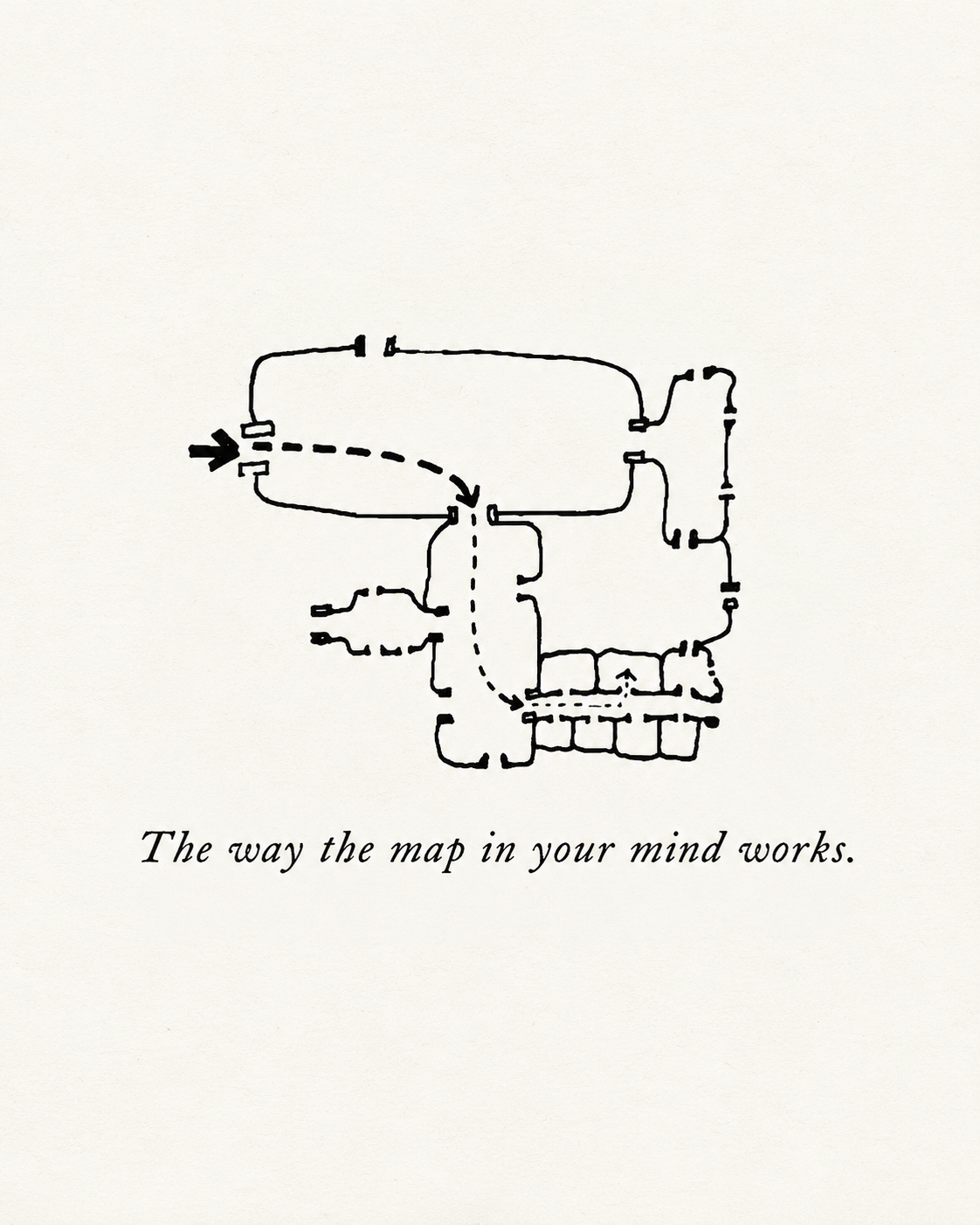
From the first century BCE, Vitruvius offers one of the earliest surviving systematic accounts of architecture as a discipline. He describes architectural knowledge as combining fabrica (practice or making) and ratiocinatio (reasoned theoretical understanding). Vitruvius discusses buildings, construction methods, materials, proportion, and geometry, but also philosophy, music, medicine, astronomy, and other fields of knowledge, offering an important historical qualification: the opposition between thinking and doing is not inherent to architecture. Their relationship has been negotiated since antiquity.
The Renaissance: The Architect Becomes an Intellectual Figure
The Renaissance is arguably the most important historical moment in establishing a distinction between the architect as the author of a design and the craftsperson who physically constructs it. As Renaissance humanism elevated intellectual and artistic knowledge as forms of social distinction, architecture increasingly came to be recognised as a liberal art, grounded in mathematics, classical learning, intellectual judgement, and artistic invention.
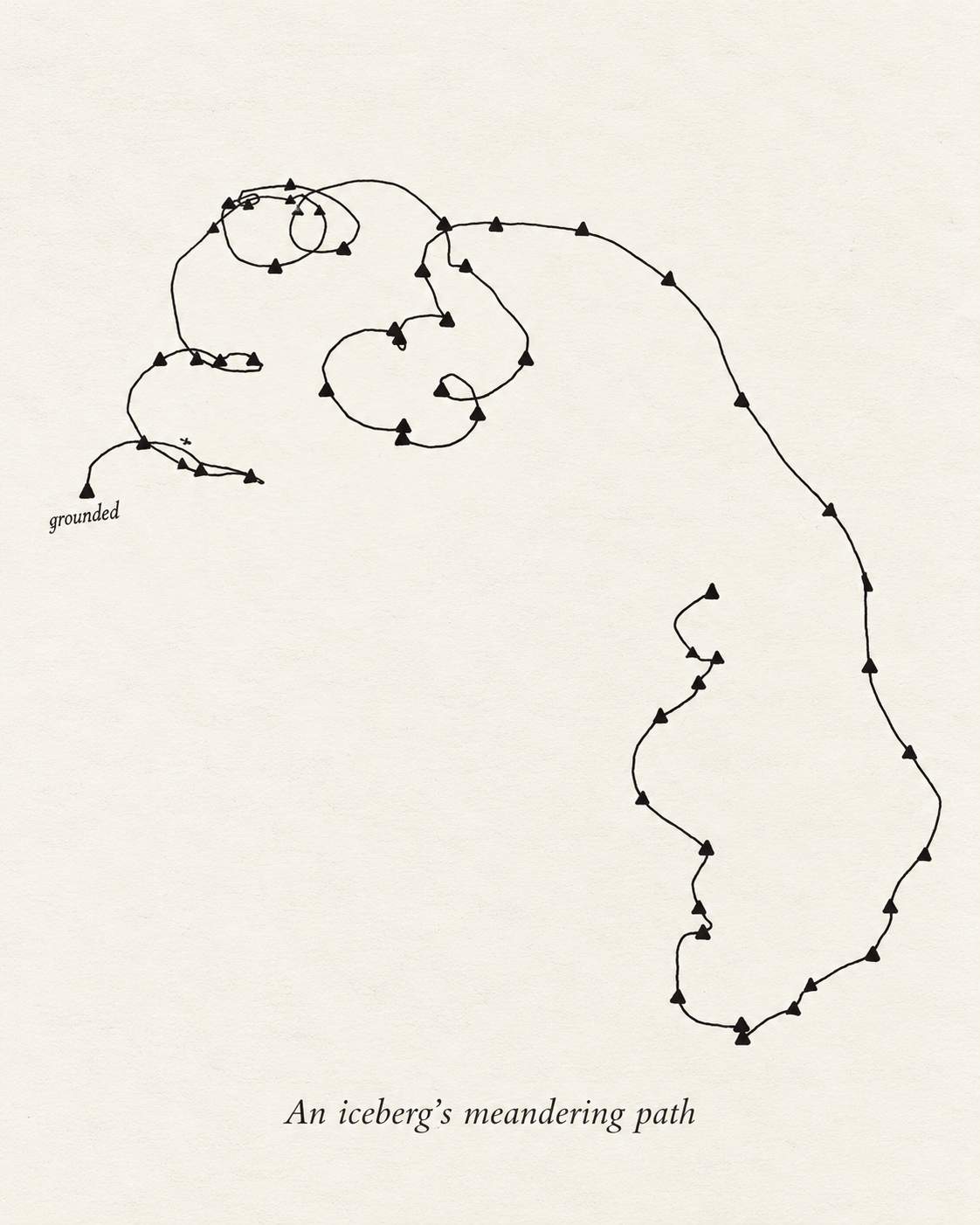
The architect’s authority could now be derived from conceptualising, organising, and communicating a building rather than personally constructing it. The Renaissance architect’s new identity therefore emerged through a negotiation between knowledge, patronage, artistic status, and control over construction.
Within this context, drawing and architectural treatises became instruments through which architects communicated ideas, asserted authorship, and exercised authority.
Architectural historian Elizabeth Merrill argues that the foundations of architectural professionalism can be located in Renaissance Italy, where architects combined theoretical and manual expertise with claims to artistic, civic, and moral authority. Thus, architecture’s emancipation from manual construction helped establish the architect as an intellectual figure, while simultaneously reinforcing the architect’s authority over the production of buildings.
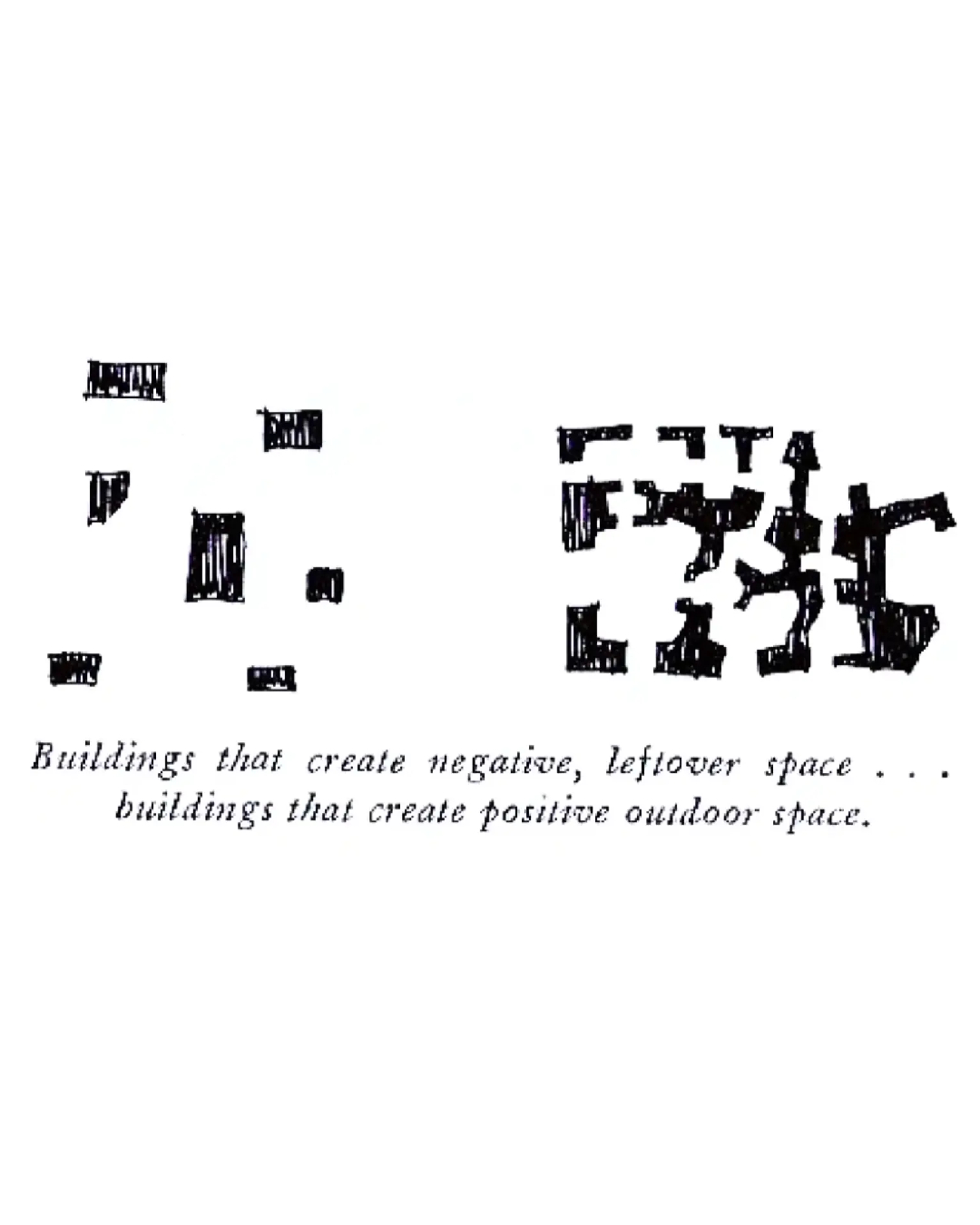
At the same time, architectural writing and drawing have historically been central to both the emancipation of architecture from construction and its eventual professionalisation as a building discipline.
The Nineteenth Century: Industrialisation, Urbanisation, Professional Institutions
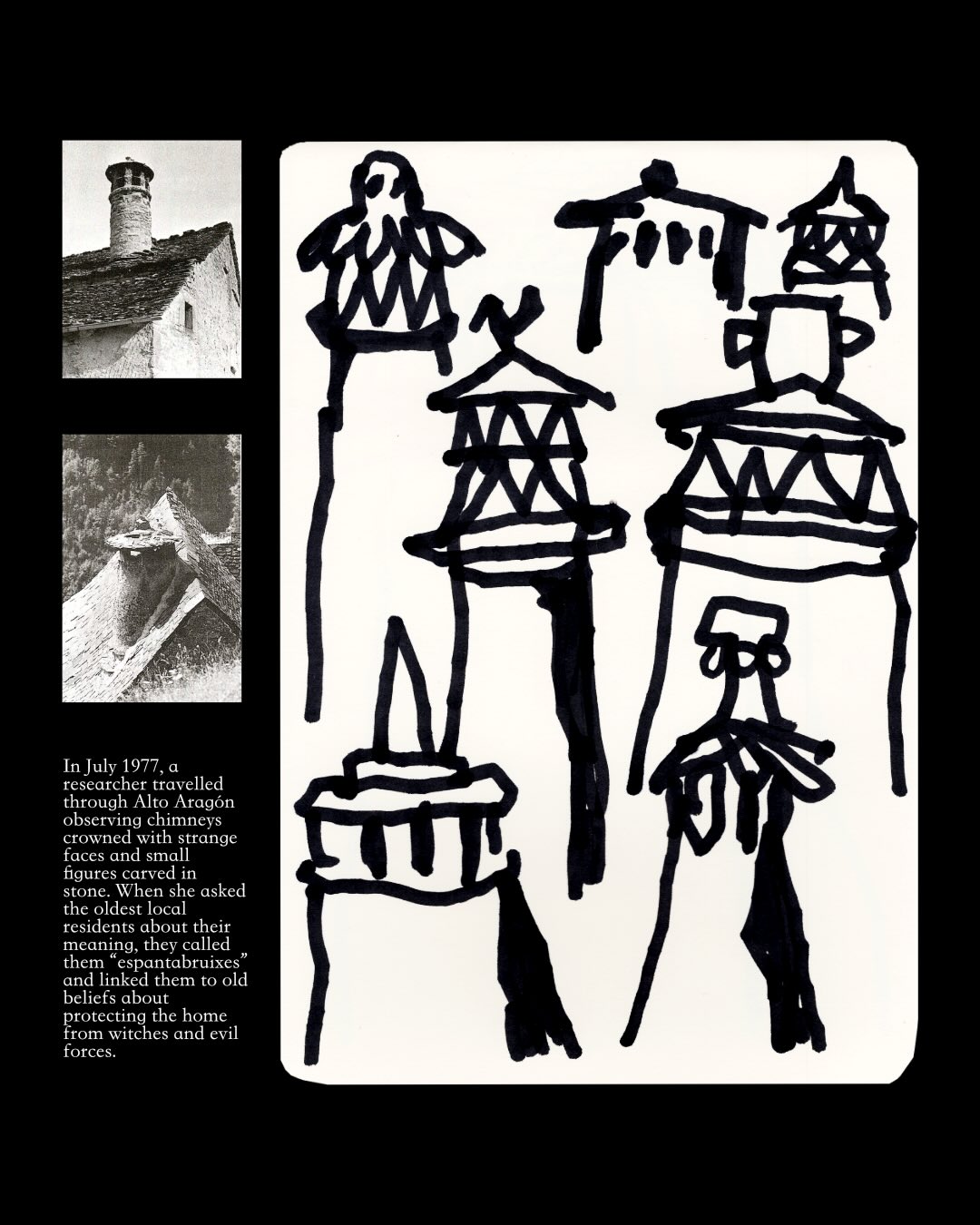
Industrial capitalism transformed the scale, speed, organisation, and economics of construction. Rapid urbanisation demanded new housing, factories, railway stations, schools, hospitals, and public infrastructure. New materials and construction techniques expanded the possibilities of architectural production. Meanwhile, architects increasingly needed to distinguish their professional responsibilities from those of engineers, surveyors, contractors, and builders, something that was accompanied, over time, by professional education, examinations, licensing systems, building regulations, and contractual responsibilities, while also promoting architectural knowledge, artistic standards, and public responsibility.
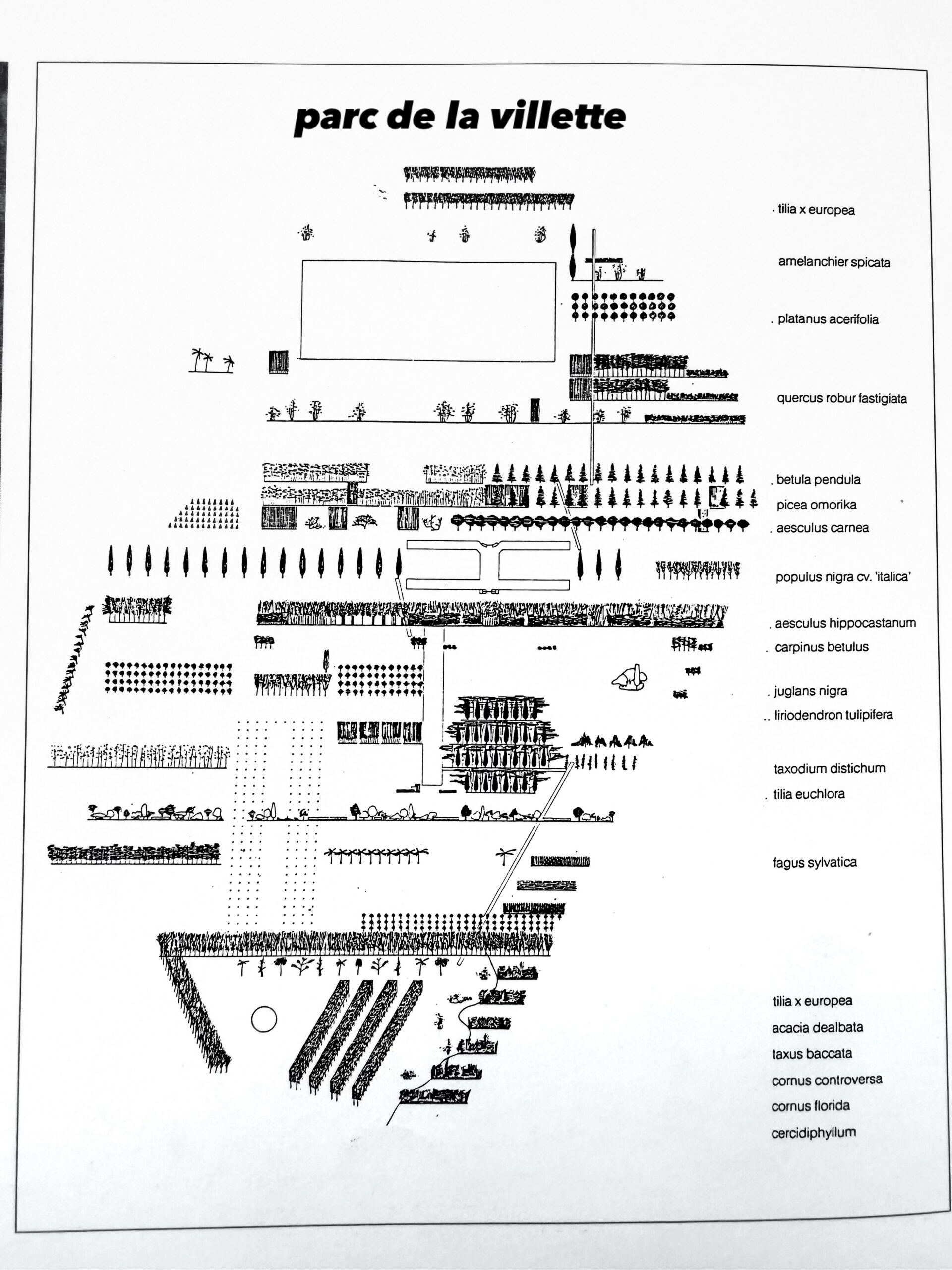
The question of who qualifies as an architect increasingly became institutional and legal, rather than exclusively intellectual or artistic, suggesting that professional legitimacy and architectural authorship are two different questions, even when they overlap.
The Twentieth Century: Architecture, Capitalism, and the Production of Space
The twentieth century introduces another important dimension: architecture becomes increasingly connected to the economic, technological, and political organisation of society. Mass housing, industrial production, urban planning, welfare-state institutions, and capitalist real-estate development fundamentally transform the architect’s role.
So, how did architecture’s participation in the capitalist production of space shape the social expectations placed upon architects?
In her book Architecture: The Story of Practice (1991), UCLA Professor of Architecture and Urban Design Dana Cuff approaches architecture as a social practice, investigating the relationships, negotiations, institutions, and collective processes through which architectural work is produced. Her research challenges the image of the architect as an isolated creative genius and reveals the collaborative and socially constructed nature of professional practice, pointing out that architects build relationships and knowledge, not only physical objects.
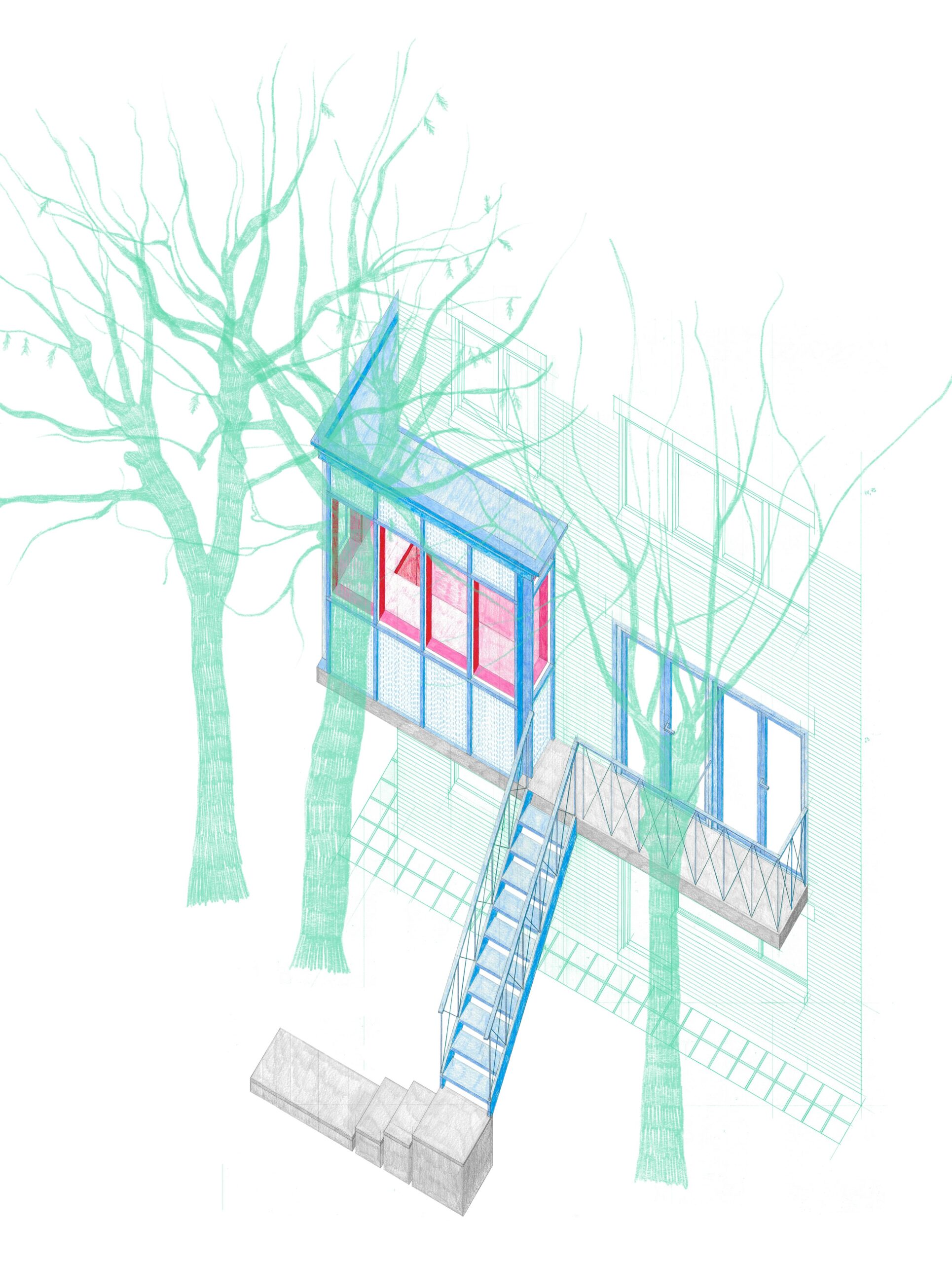
Some years later, in 1994, Beatriz Colomina, in Privacy and Publicity: Modern Architecture as Mass Media, supports the idea that architecture equally constructs images, narratives, and ways of perceiving the world. Through her examination of Adolf Loos and Le Corbusier, Colomina argues that modern architecture cannot be understood independently of its engagement with mass media, actively demonstrating how publications, photographs, and representations participate in the construction of architectural meaning.
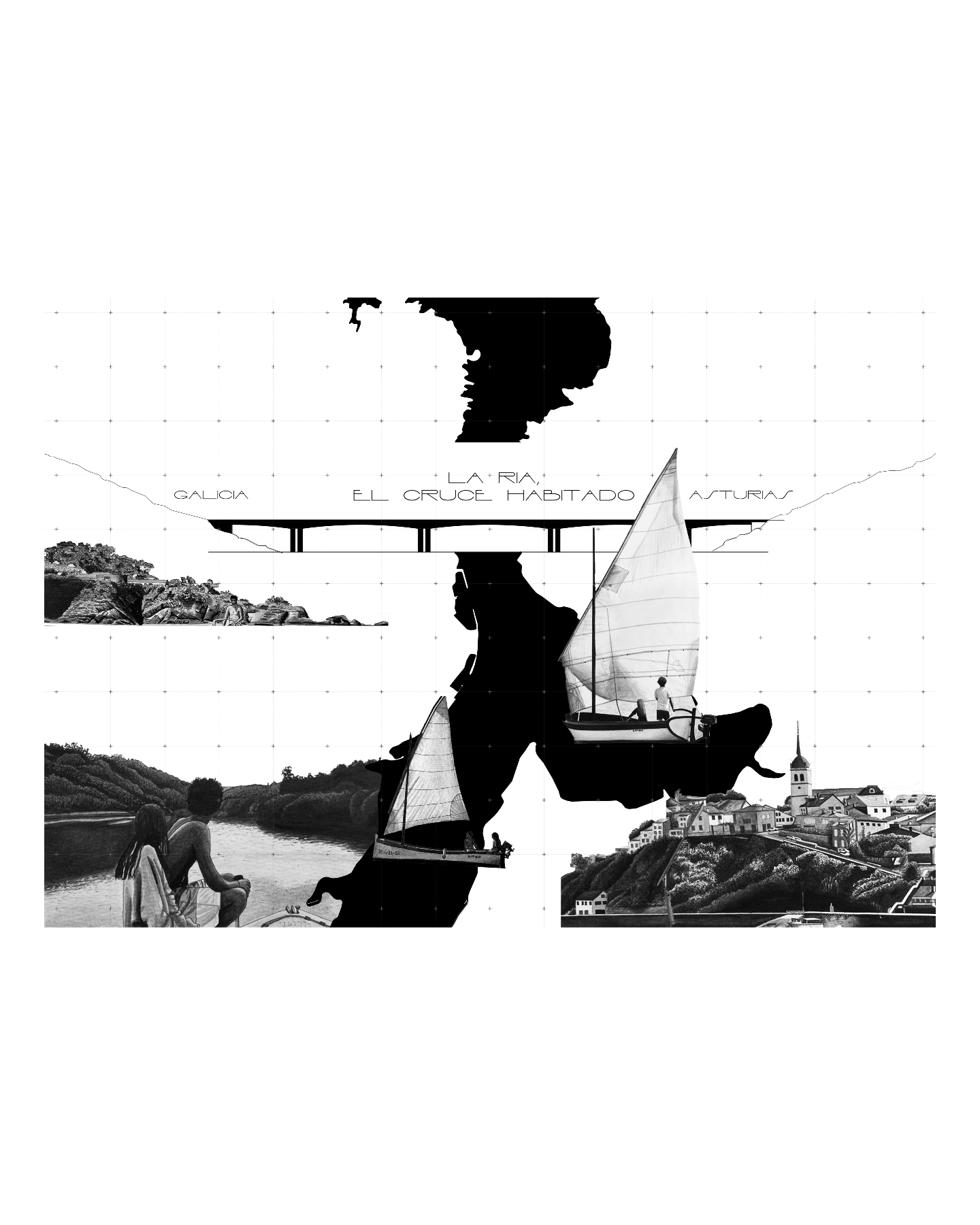
The architect does not simply produce a building that is subsequently represented.

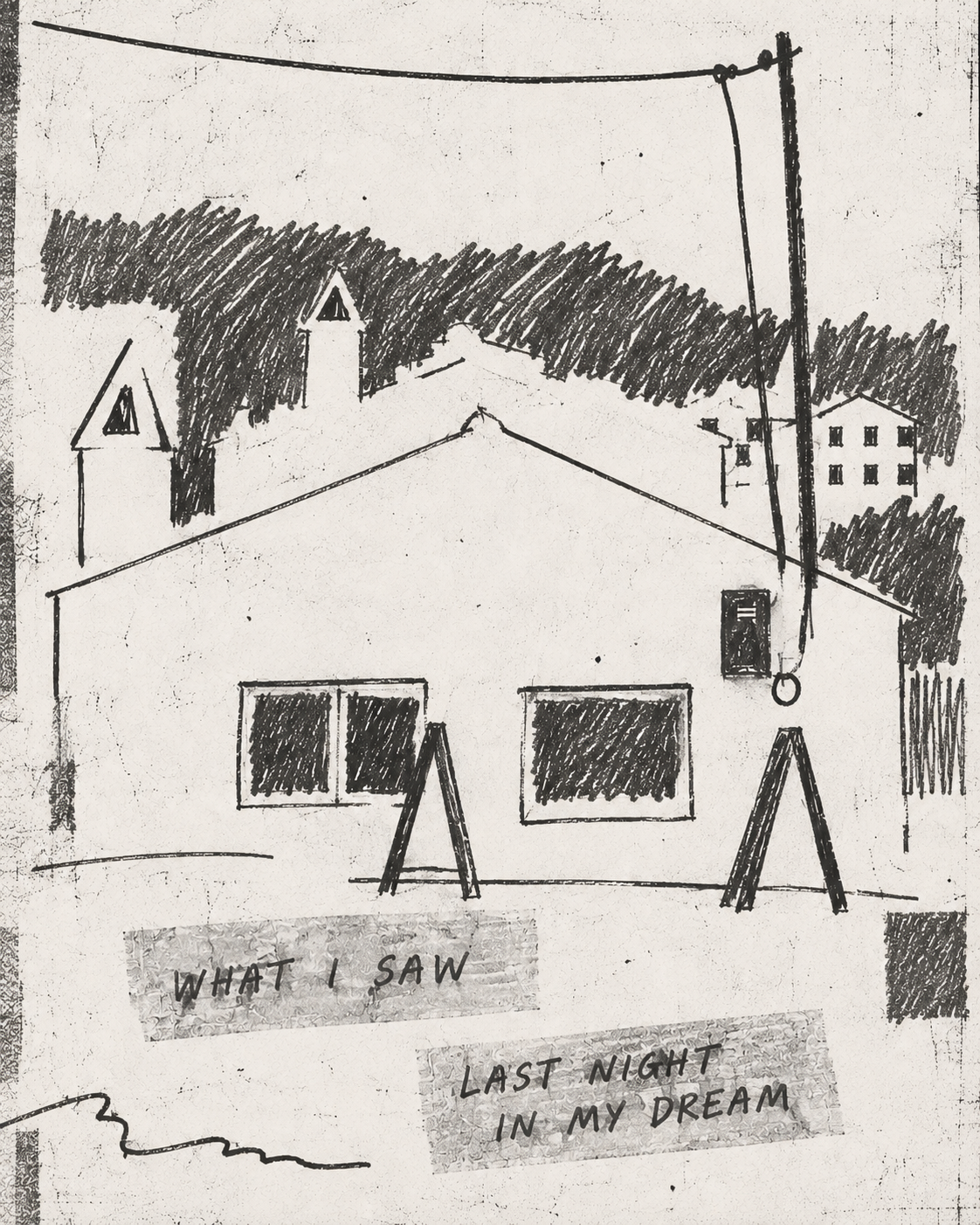
Architectural representation is itself part of the production of architecture. The architectural drawing is therefore not an isolated exception to the discipline’s supposedly material nature. It belongs to a much longer history in which architecture has been produced through words, images, intellectual propositions, and cultural narratives.
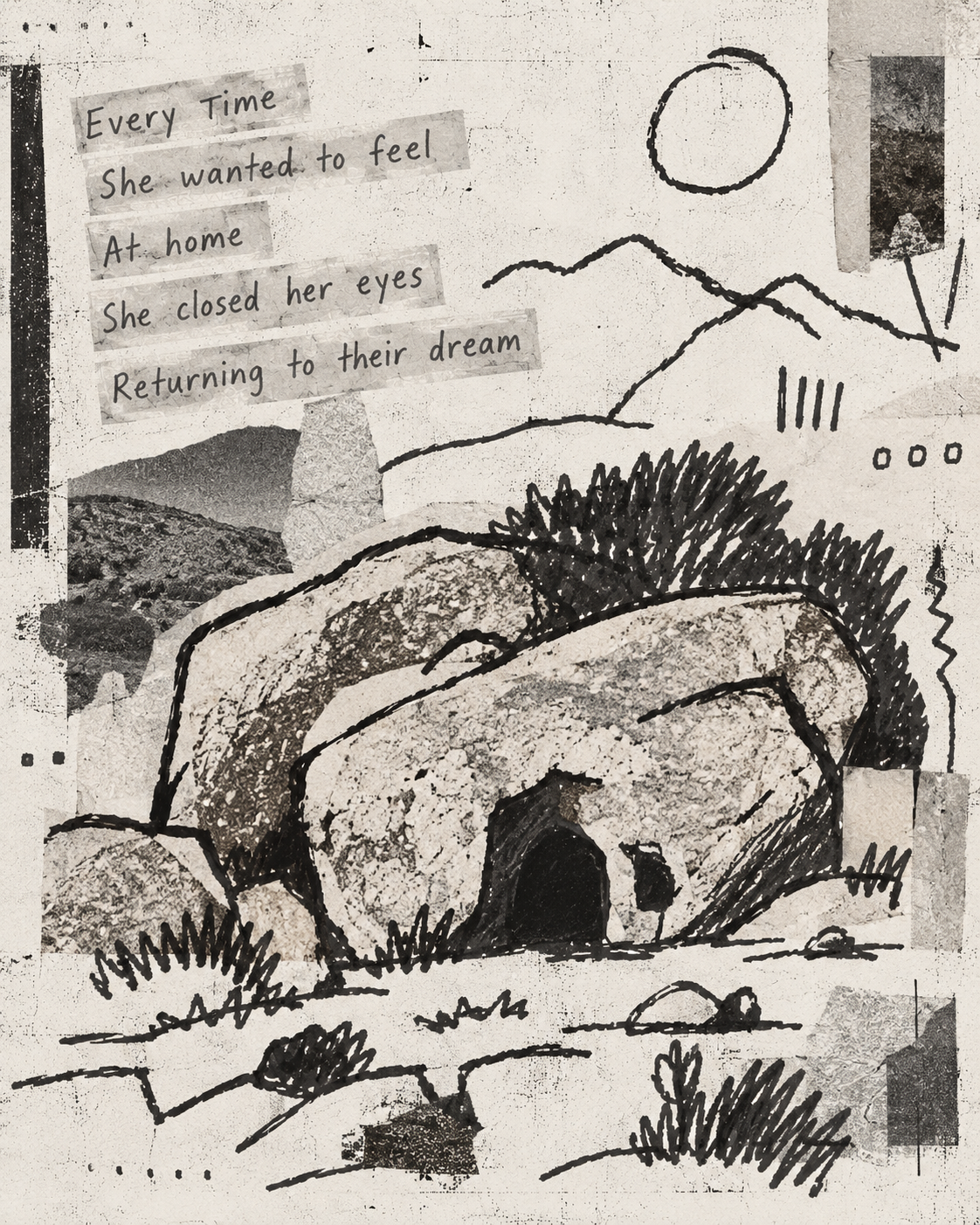
Therefore, architectural drawing emerges as a predominant means of both the architect’s expression and emancipation.
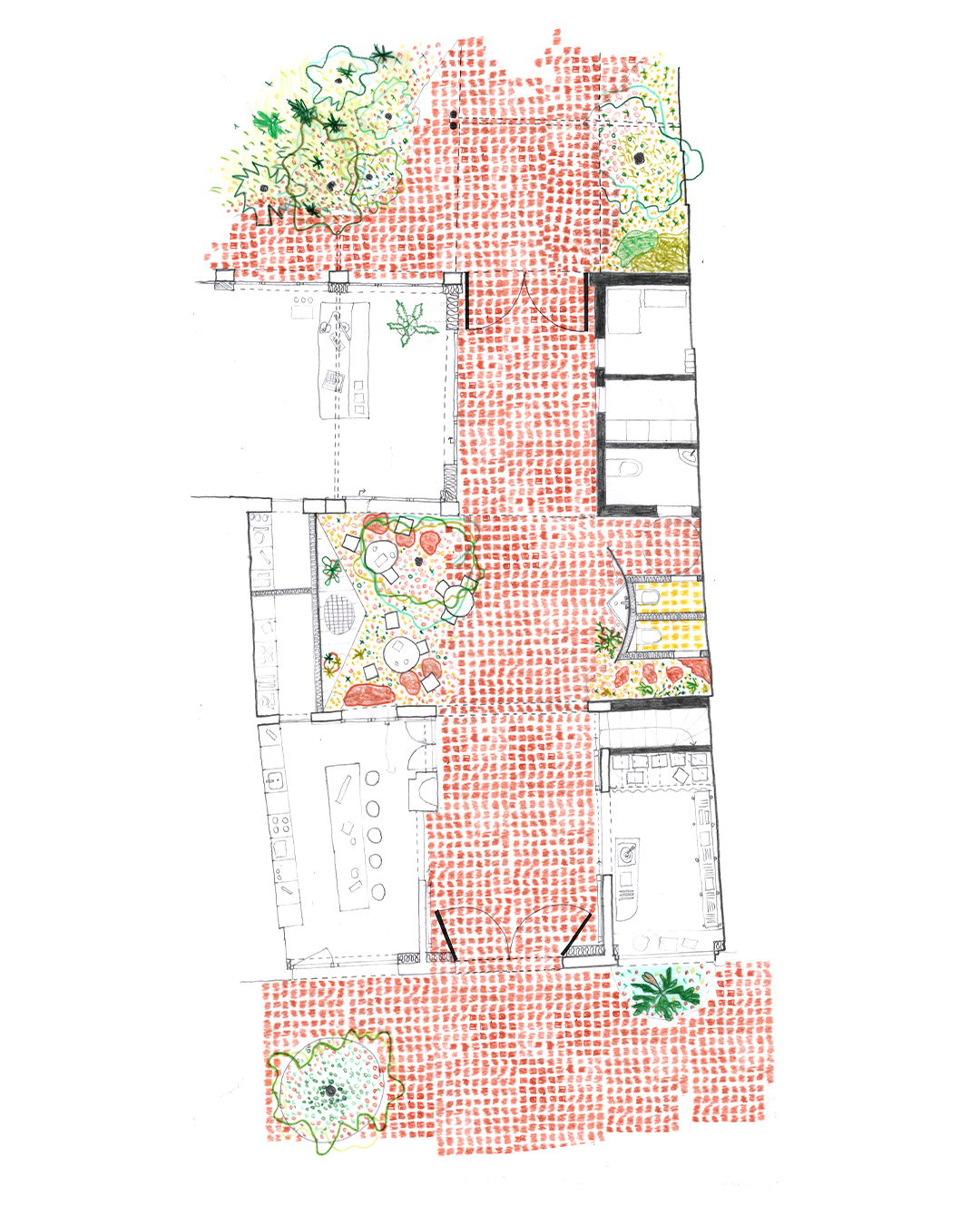
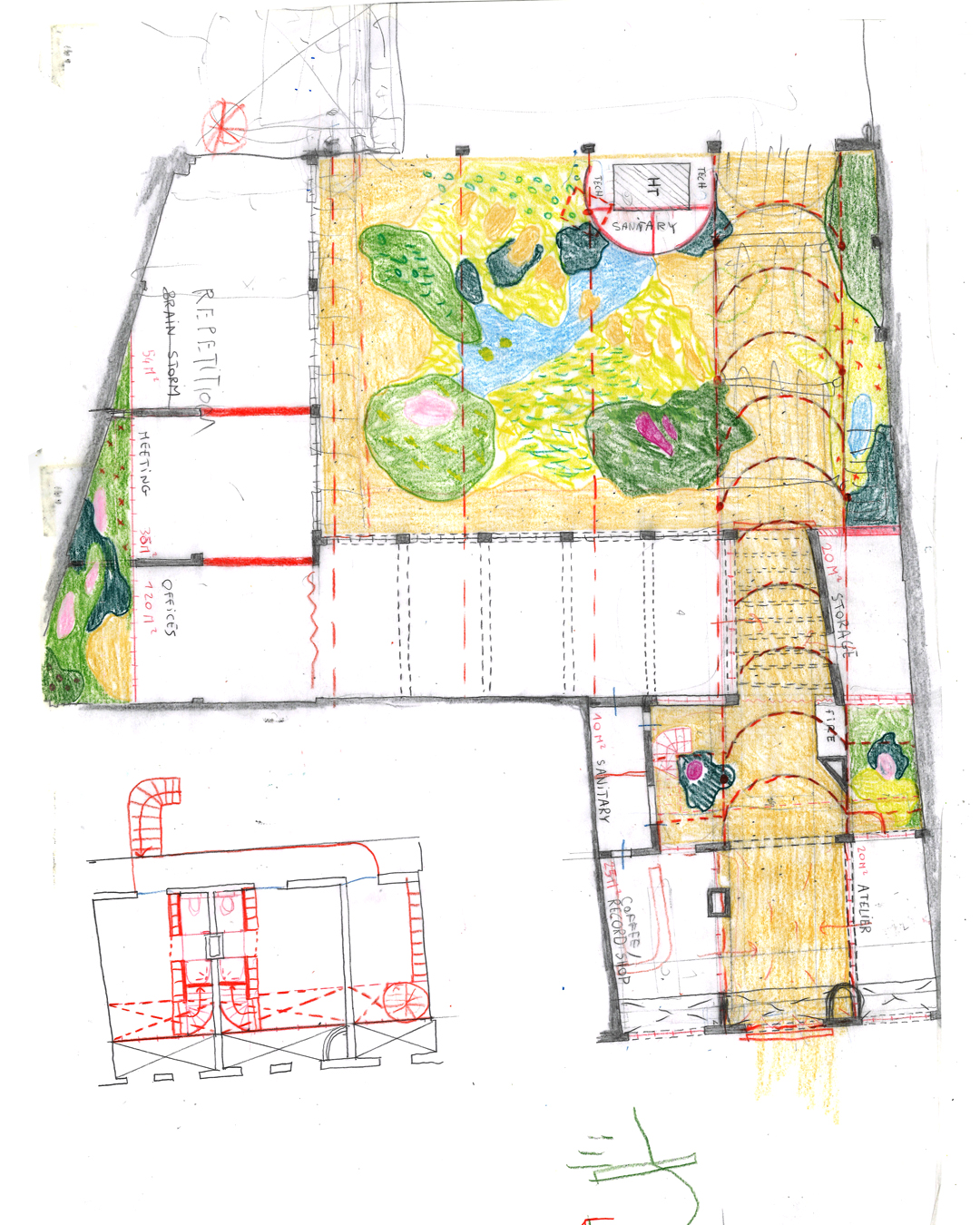
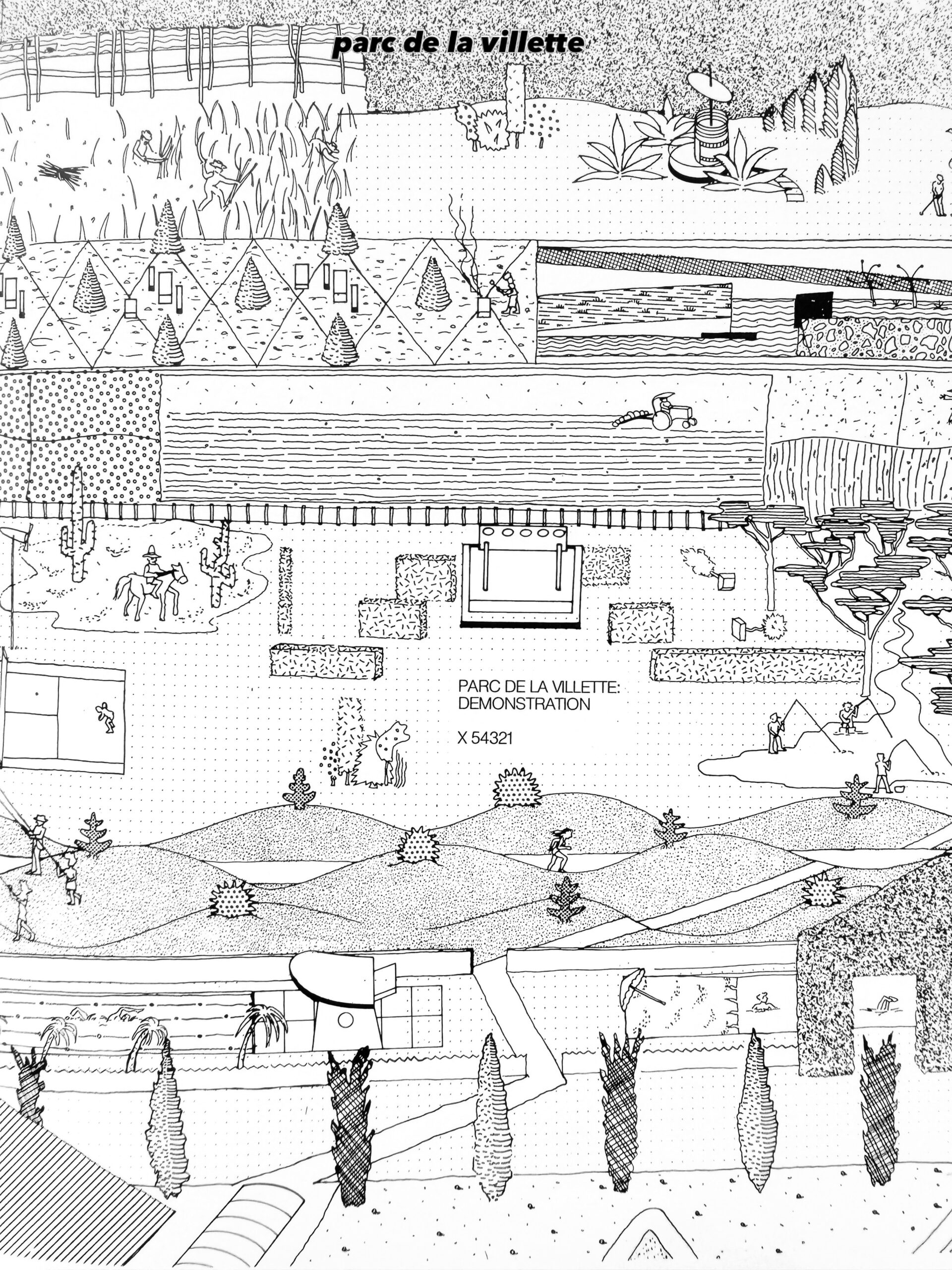
In Translations from Drawing to Building (1986), architectural historian Robin Evans challenges the assumption that architectural drawings are merely representations of buildings yet to be constructed, proposing instead that they are territories where architecture exists according to its own aesthetic, conceptual possibilities, properties, and limitations.
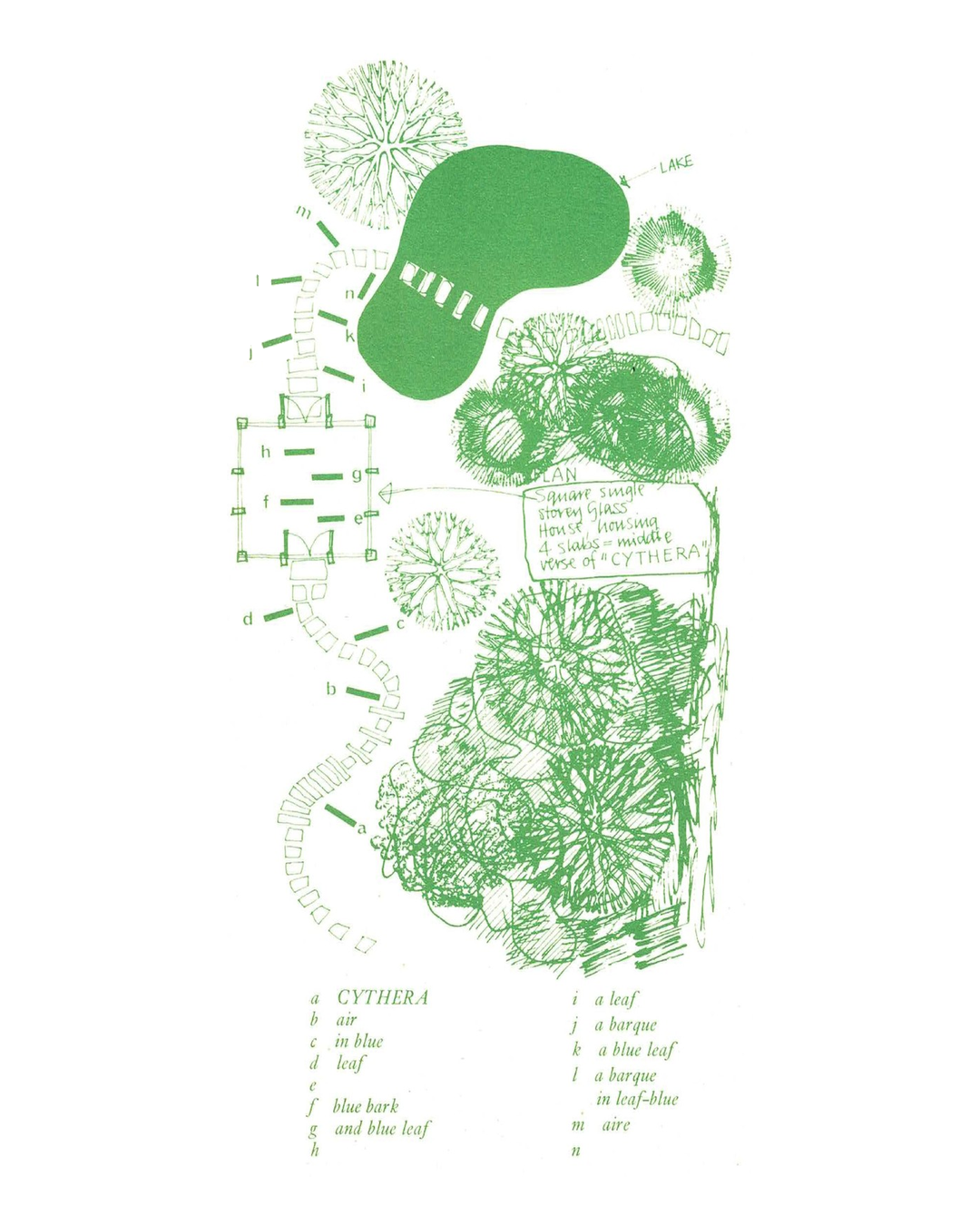
In Architectural Representation and the Perspective Hinge (1997), architectural historians Alberto Pérez-Gómez and Louise Pelletier challenge the understanding of architectural representation as a neutral technical instrument, arguing that it actively participates in the conceptual development of architecture, influencing how architectural space is imagined and ultimately produced. Their work suggests that architectural drawings do not simply depict spatial realities; they participate in constructing them.
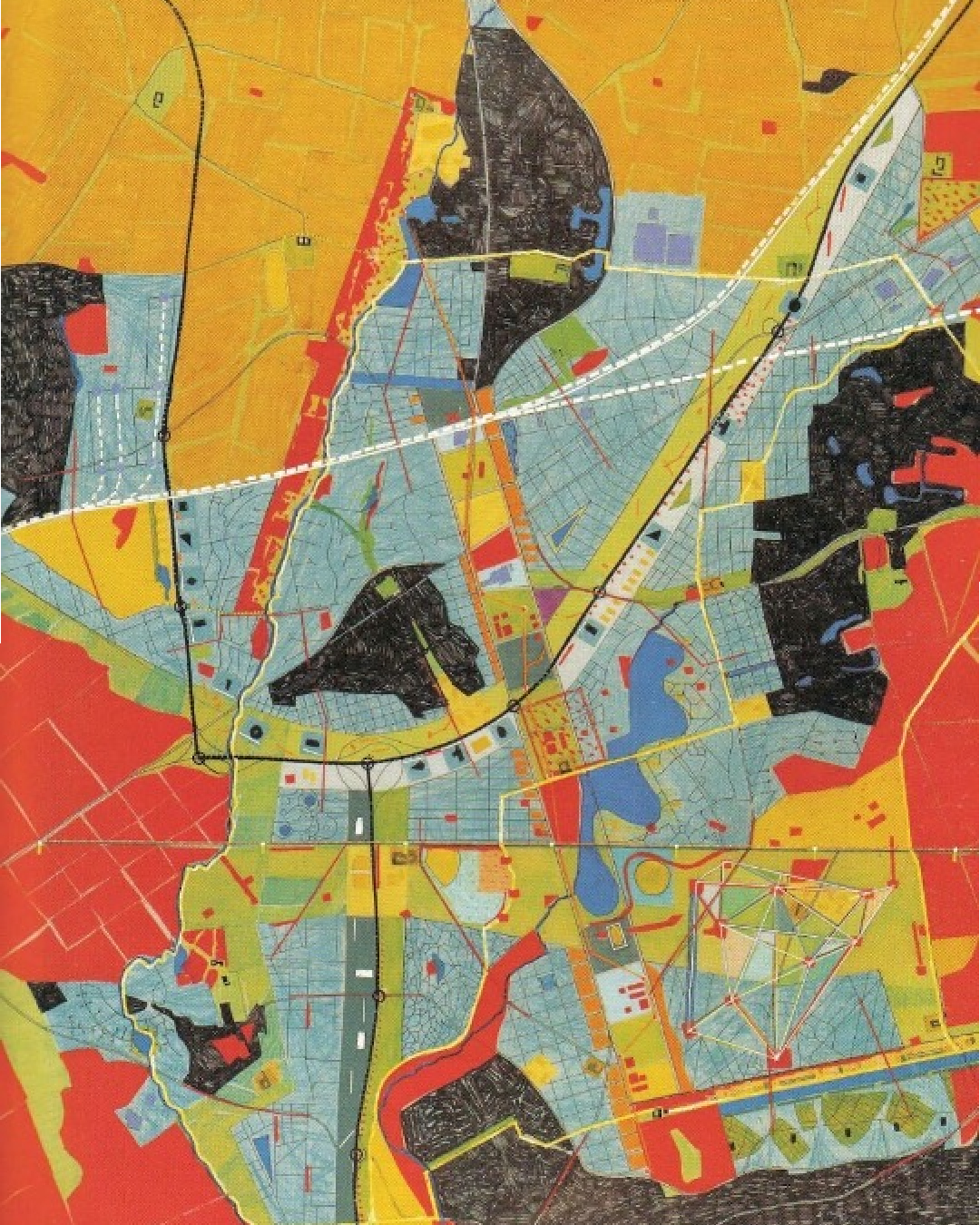
Long before architectural drawings, methodologies, and professional maps, there were feelings forming spatial paths, and systems of knowledge were not necessarily institutionalised but intimately tied to the people and places that fostered them.
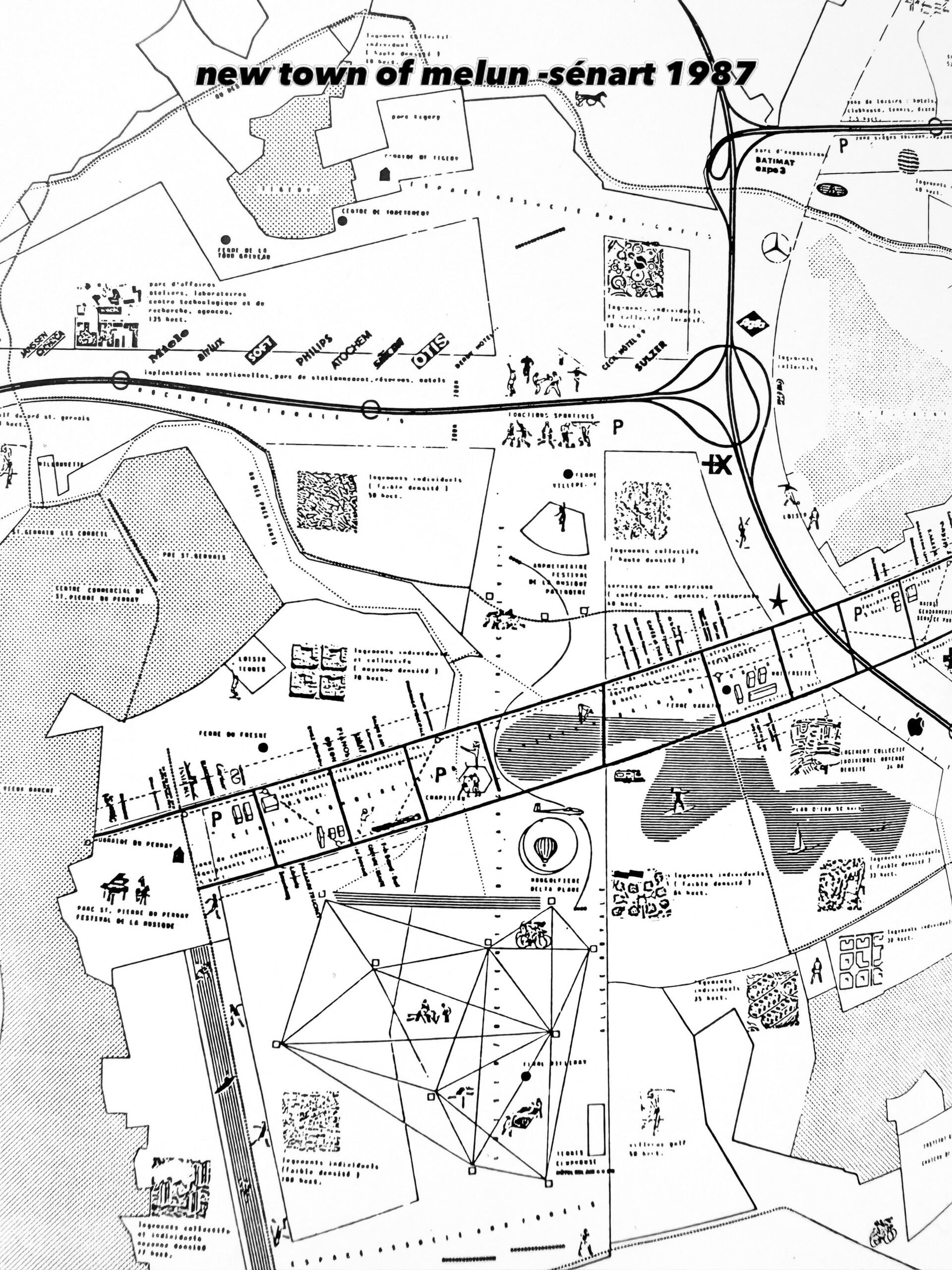
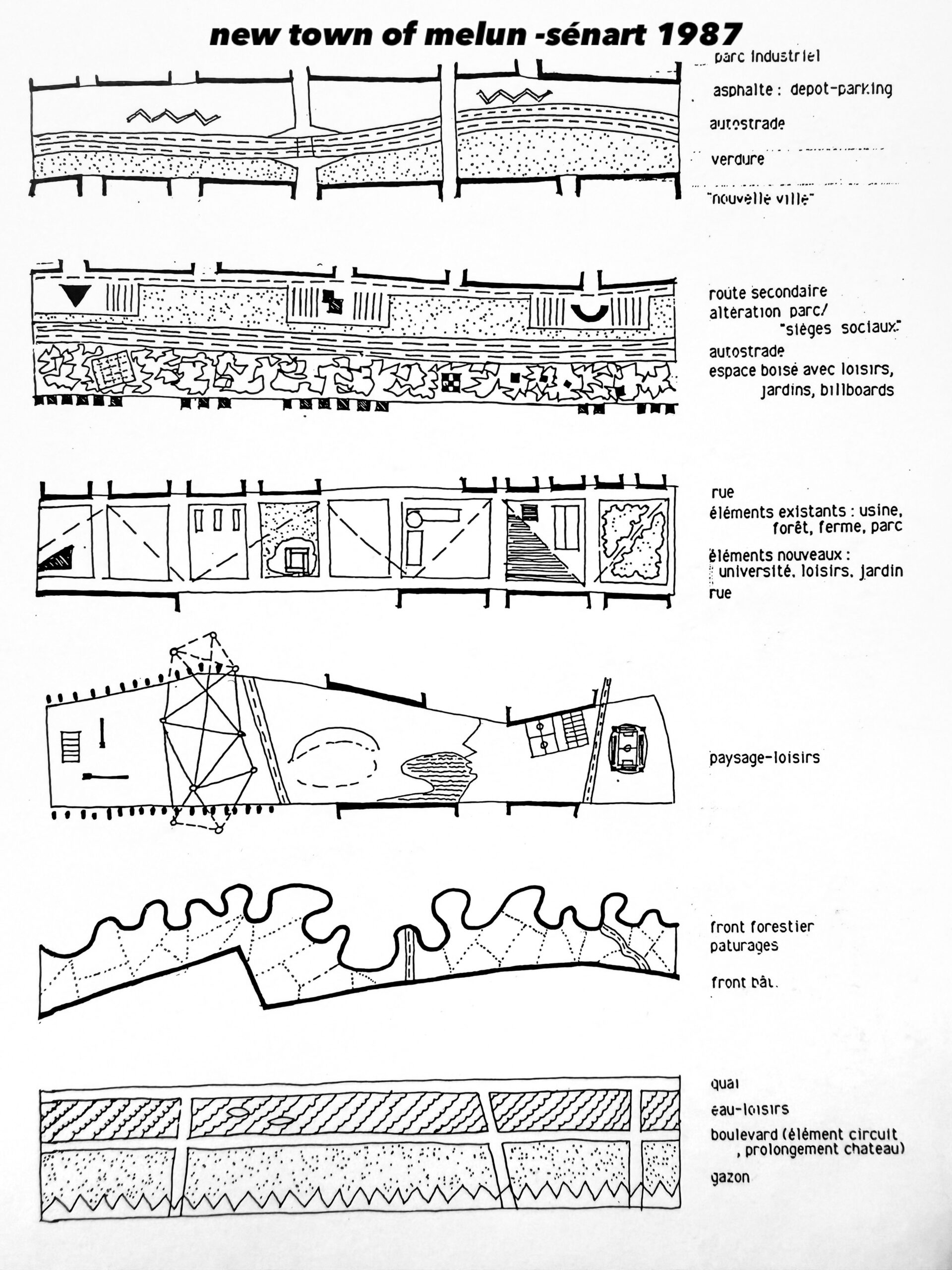
To contemplate architecture, then, is not necessarily to anticipate a built object. It is to encounter another manifestation of space liberated from the constraints of gravity, materiality, and construction. A building communicates through bodily experience, movement, light, and inhabitation. A drawing communicates through abstraction, projection, composition, and the imagination of space. Both are architecture, but they make architecture perceptible in fundamentally different ways.
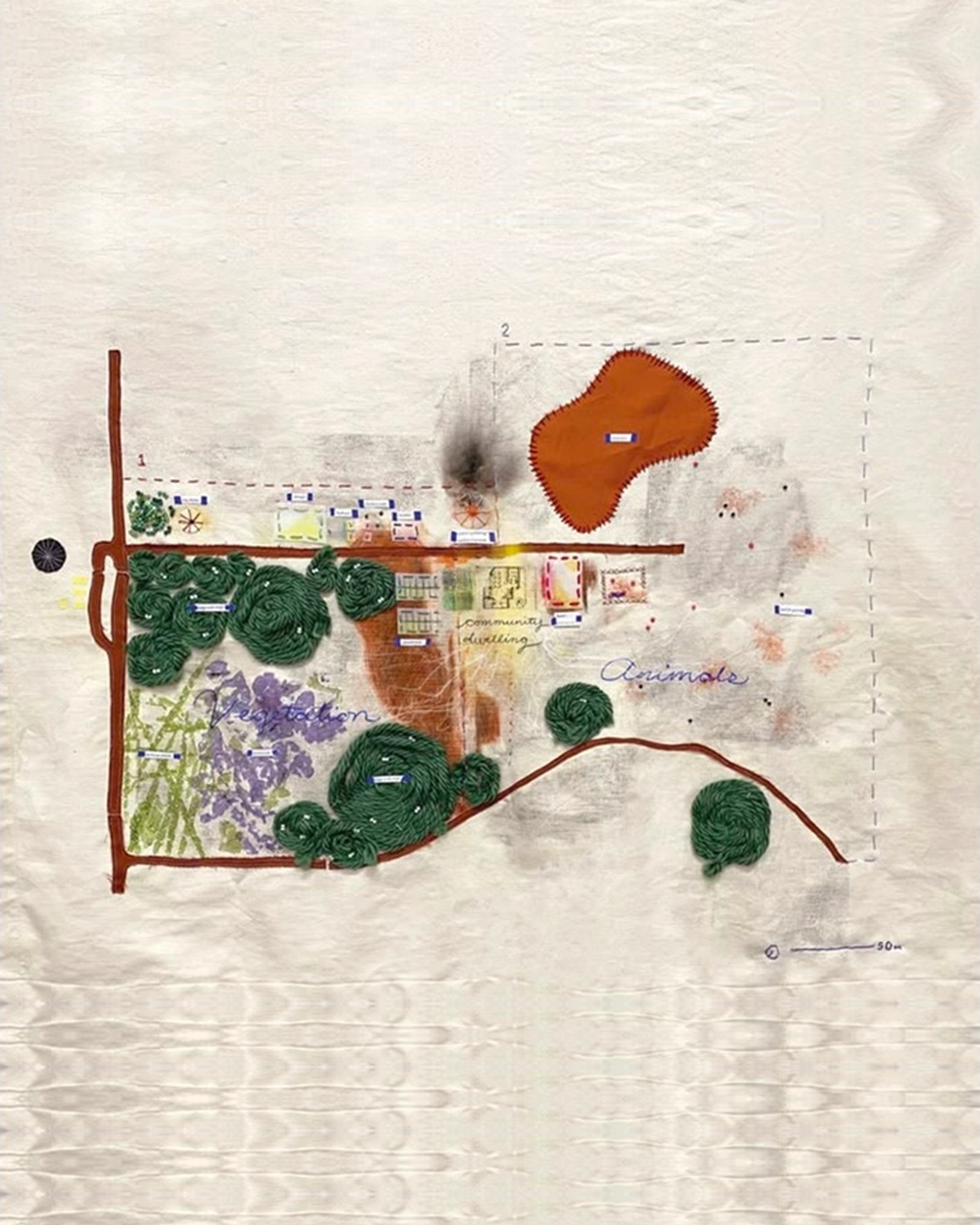
To recognise what architecture is and who is entitled to practise it unavoidably means to locate and consciously place yourself on the sociopolitical map of the world. Within today’s late capitalism, it seems quite liberating, even radical, to acknowledge that architecture does not begin with construction, nor does it necessarily culminate in it.
Architecture also builds imaginary worlds through which we perceive, question, and reimagine reality.
Bibliography
Colomina, B. (1994) Privacy and Publicity: Modern Architecture as Mass Media. Cambridge, MA: MIT Press.
Cuff, D. (1991) Architecture: The Story of Practice. Cambridge, MA: MIT Press.
Evans, R. (1986) ‘Translations from Drawing to Building’, AA Files, 12, pp. 3–18. Available at: https://www.jstor.org/stable/29543512.
Merrill, E. (2017) ‘The Professione di Architetto in Renaissance Italy’, Journal of the Society of Architectural Historians, 76(1), pp. 13–35. Available at: https://doi.org/10.1525/jsah.2017.76.1.13.
Pérez-Gómez, A. and Pelletier, L. (1997) Architectural Representation and the Perspective Hinge. Cambridge, MA: MIT Press.
Saint, A. (1983) The Image of the Architect. New Haven, CT: Yale University Press.
Tafuri, M. (1976) Architecture and Utopia: Design and Capitalist Development. Translated by B.L. La Penta. Cambridge, MA: MIT Press.