Guerrilla Gardening
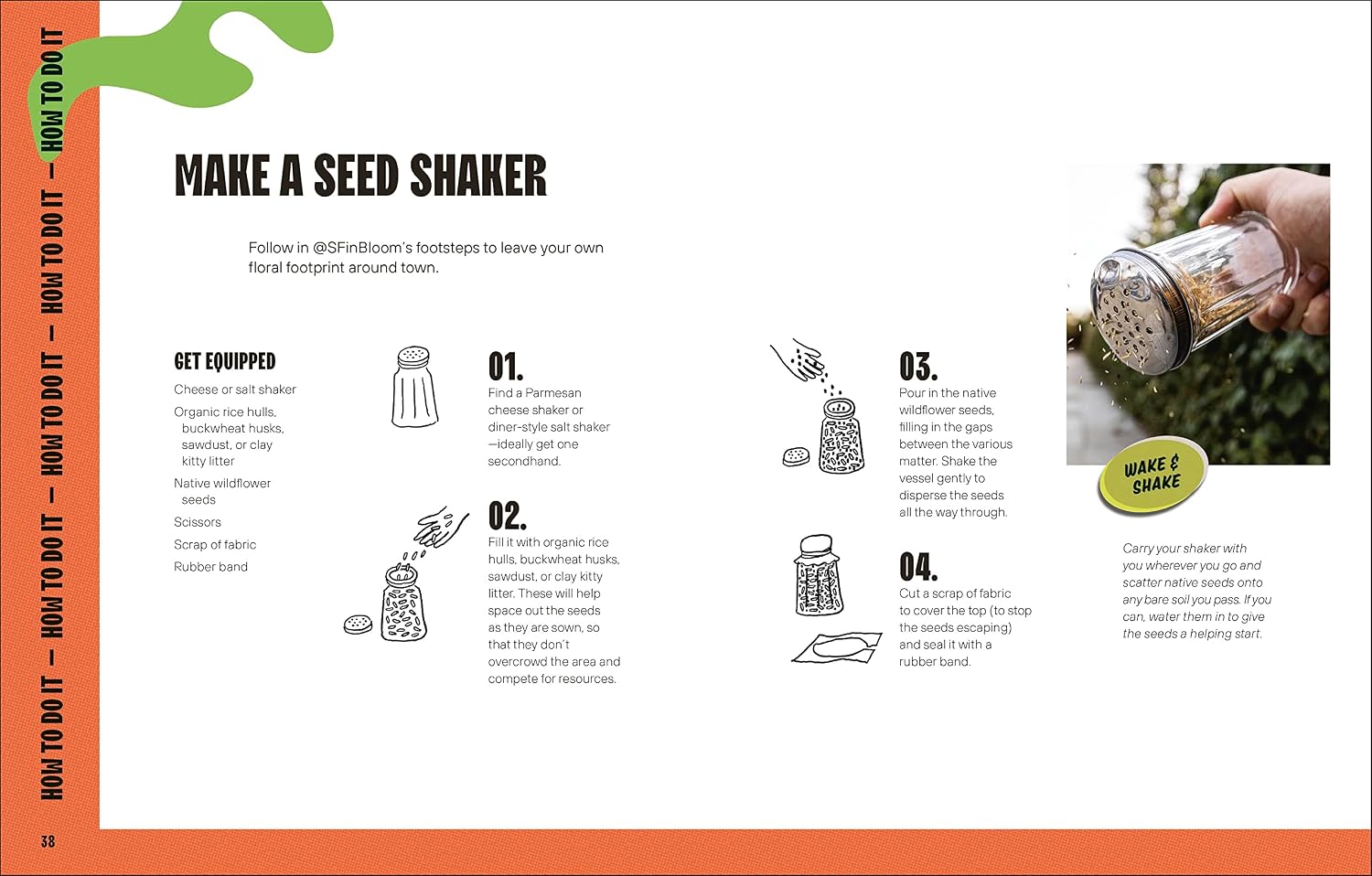
“What didn’t you do to bury me? But you forgot that I was a seed,” writes Greek poet Dinos Christianopoulos, reminding us that amid late capitalism’s continuous environmental and social crises, the possibility of planting a seed and watching it grow can be profoundly empowering and liberating. From this thought, a question emerges: what if architecture begins not with the drawing of a boundary, but with its conscious transgression? Through guerrilla gardening—the unauthorized cultivation of plants, flowers, or food on land that the gardener does not legally own or have permission to use, or the simple act of turning an urban void into a community garden—the city is momentarily released from the fixity of ownership, programme, zoning and institutional design.
Read through Gordon Matta-Clark’s Anarchitecture and Gilles Deleuze and Félix Guattari’s rhizome, planting becomes a spatial practice: dispersed, performative and radically dependent on care.
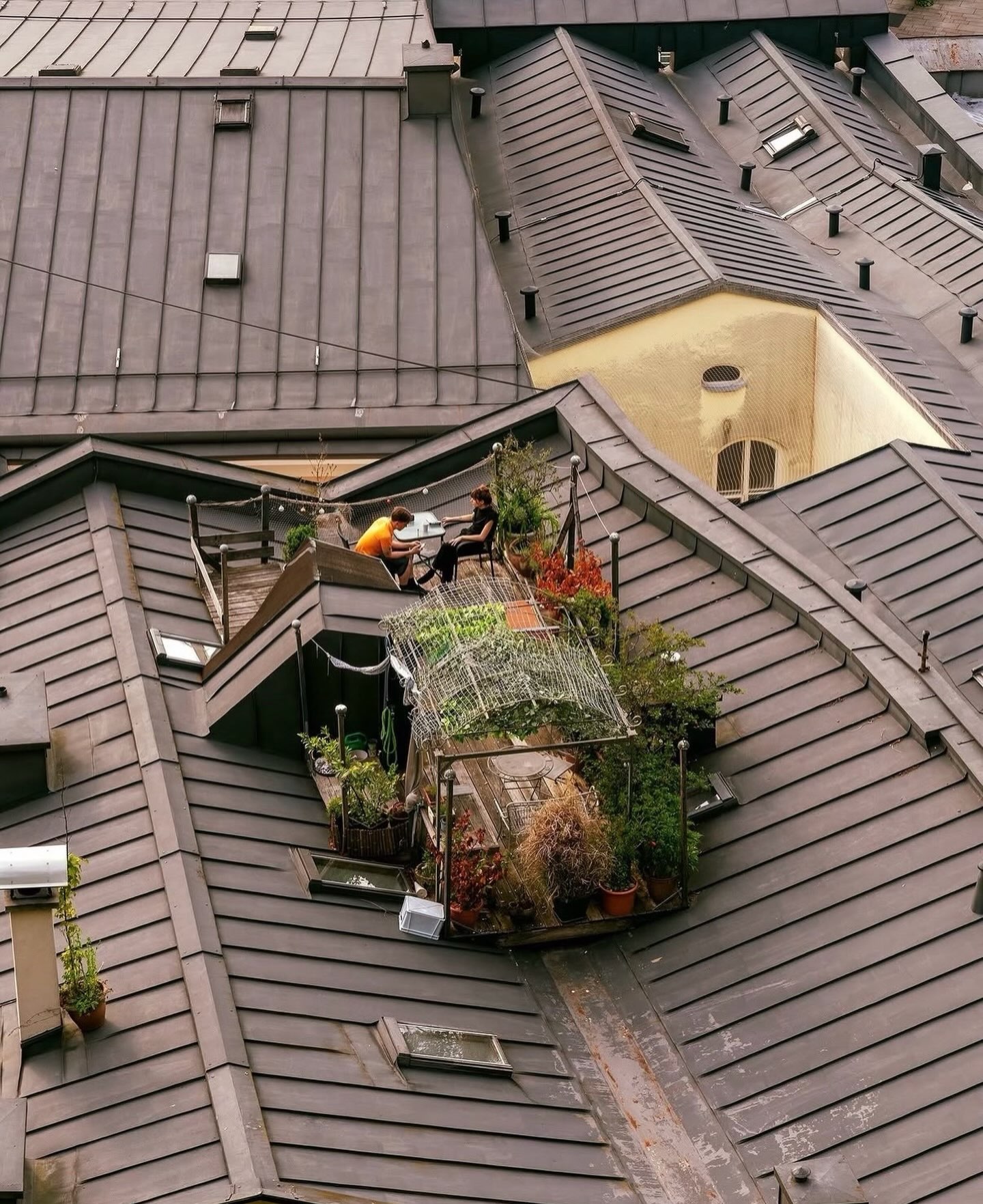
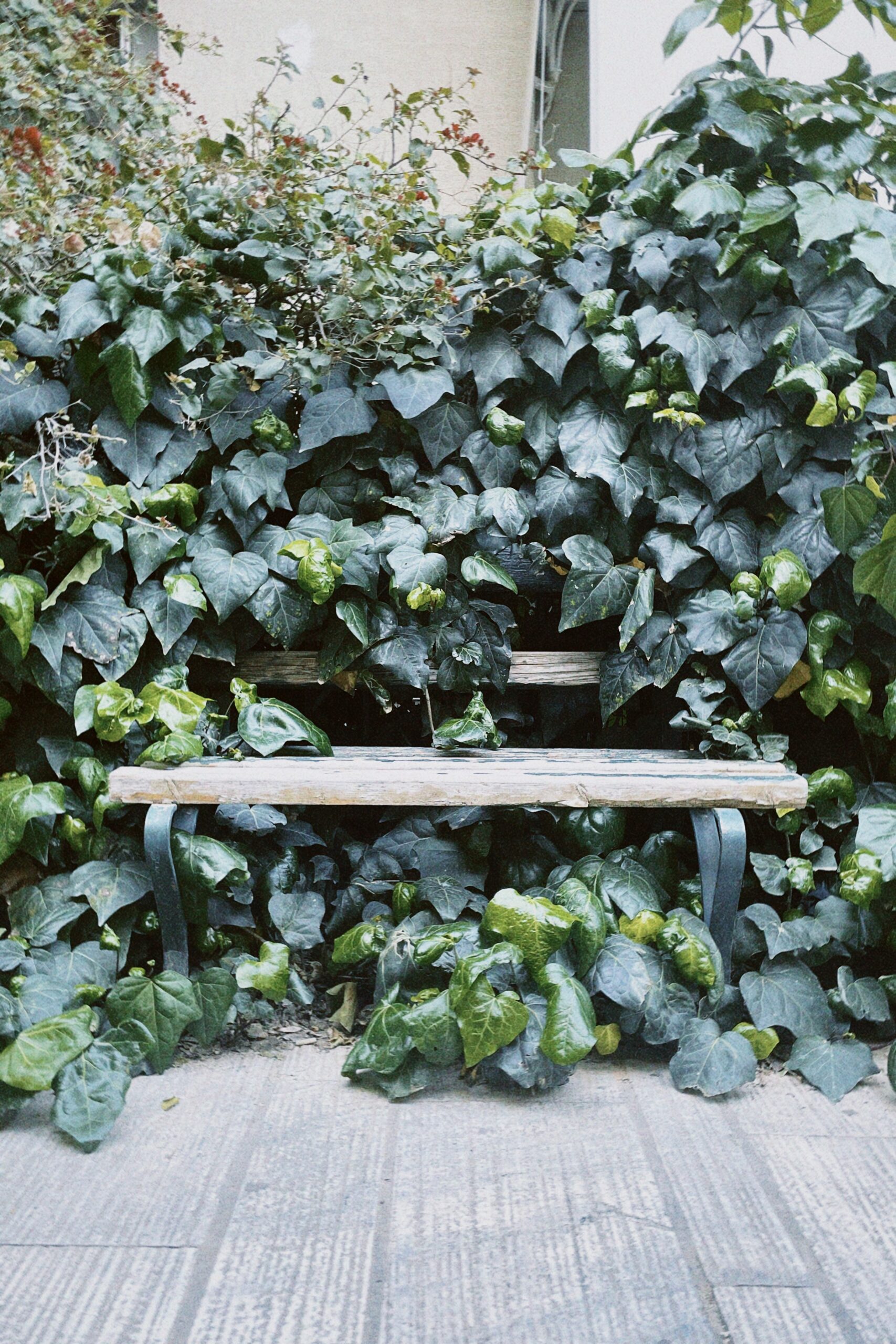
A tiny seed—carried inside a pocket, scattered from a bicycle, pushed through a fence, dropped into the compacted soil surrounding a street tree, or thrown across the boundary of an abandoned lot—enters a crack in the planned city. From there, another architecture begins.
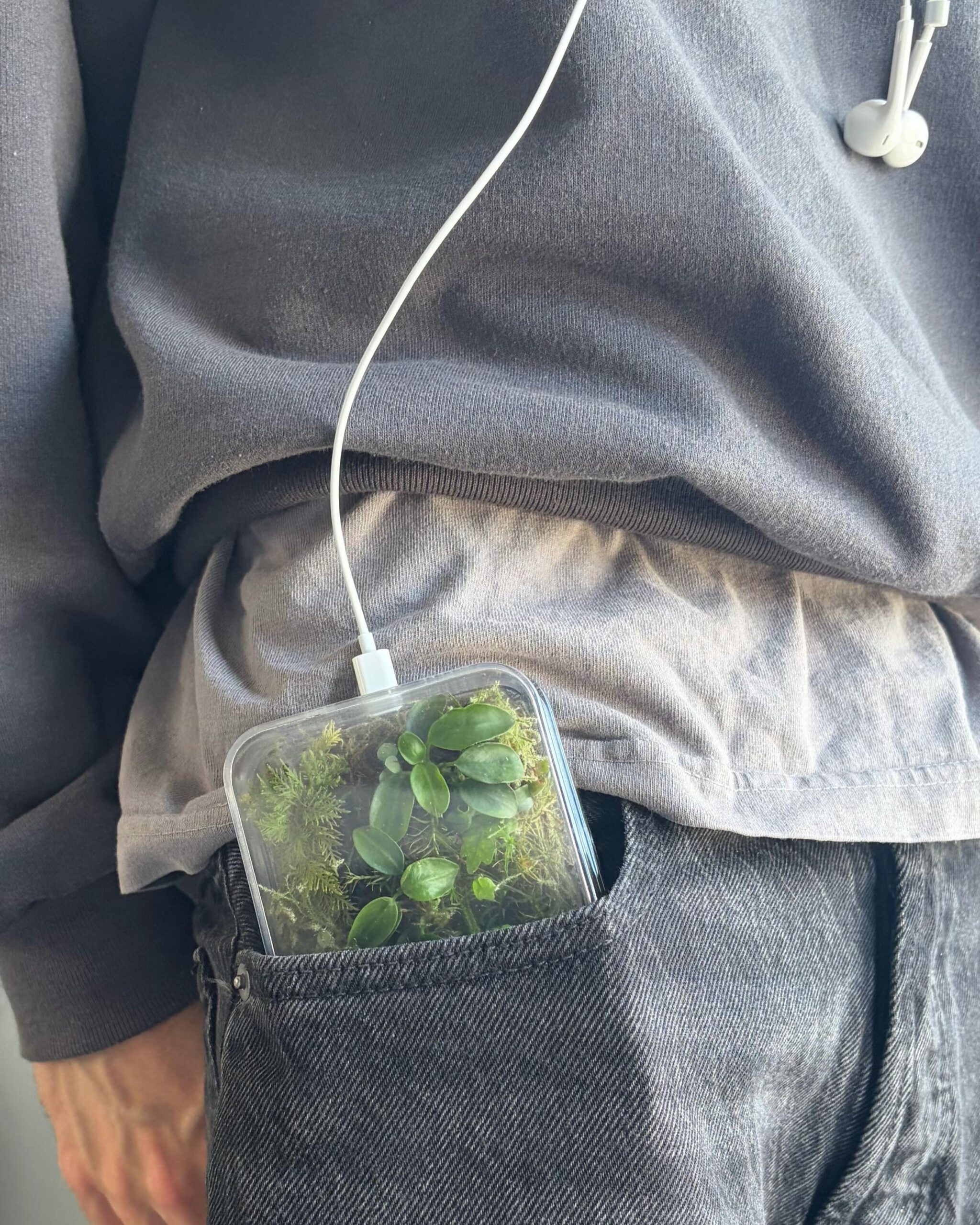
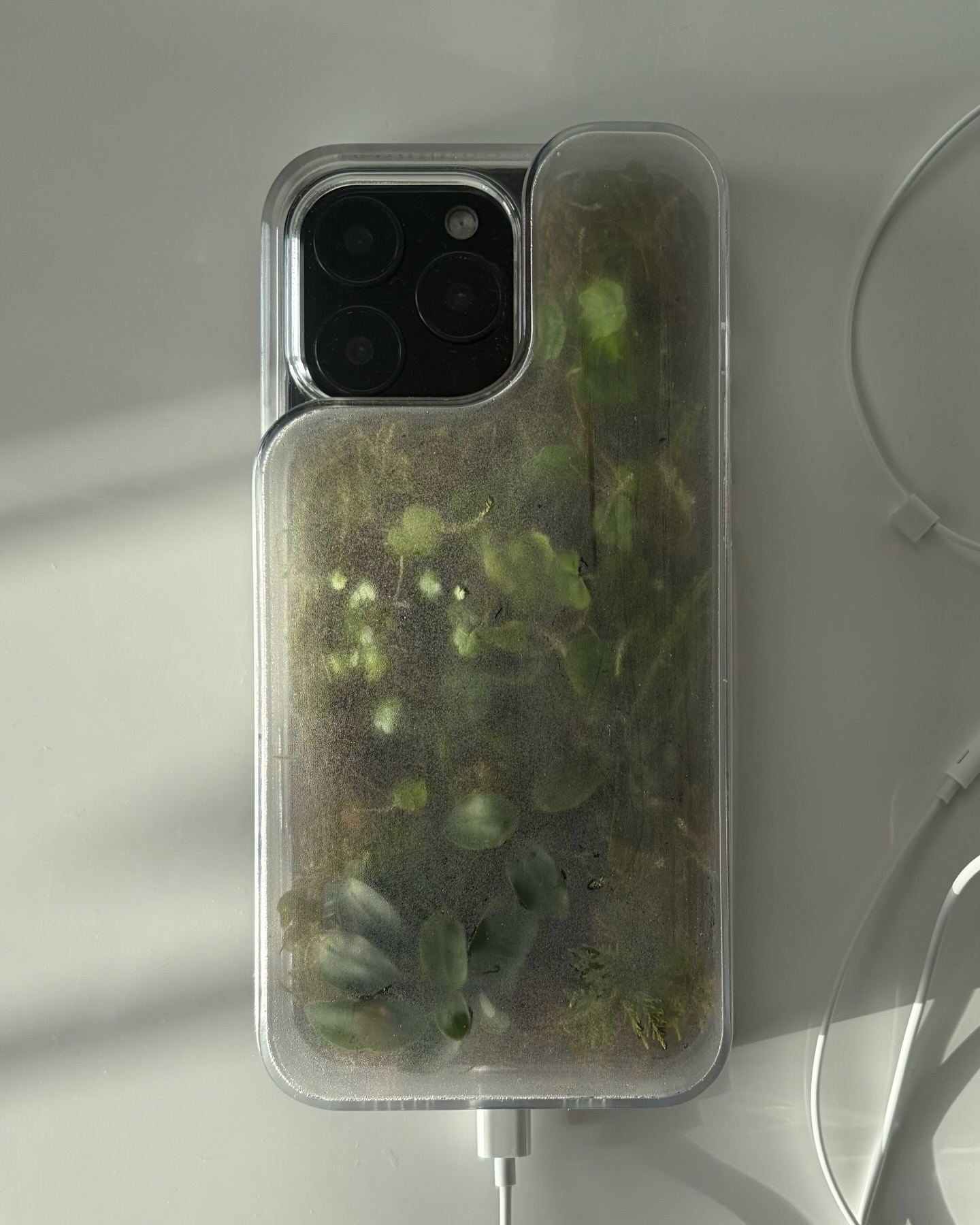
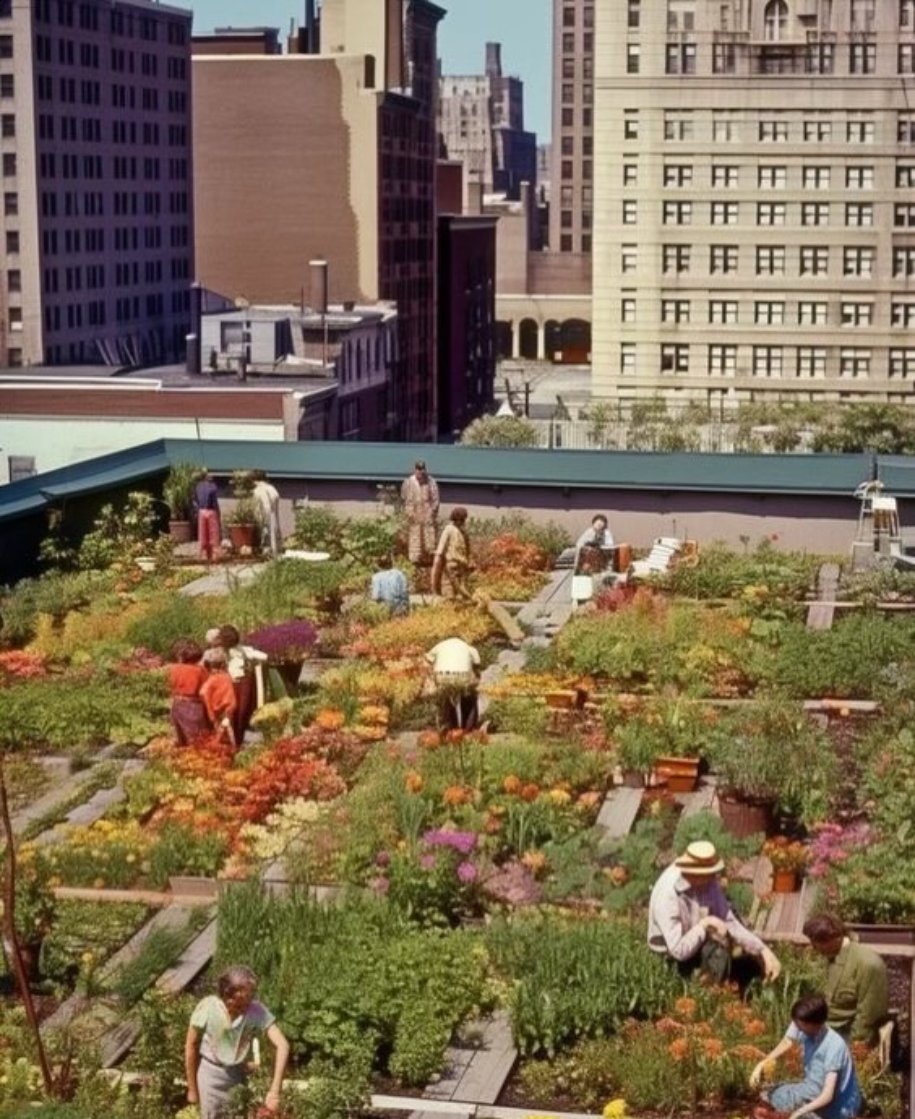
Situated within broader discussions of environmental activism and urban ecology, guerrilla gardening becomes a bottom-up spatial practice that reframes urban design as civic occupation, spontaneous alteration and poetic care. Its territories are those pieces of the city that architecture and planning have somehow left behind: vacant lots, traffic islands, verges, residual strips beside infrastructure, tree pits, abandoned properties and the edges of housing estates. Its protagonists cultivate land they do not own and, often, land that nobody appears to care for.
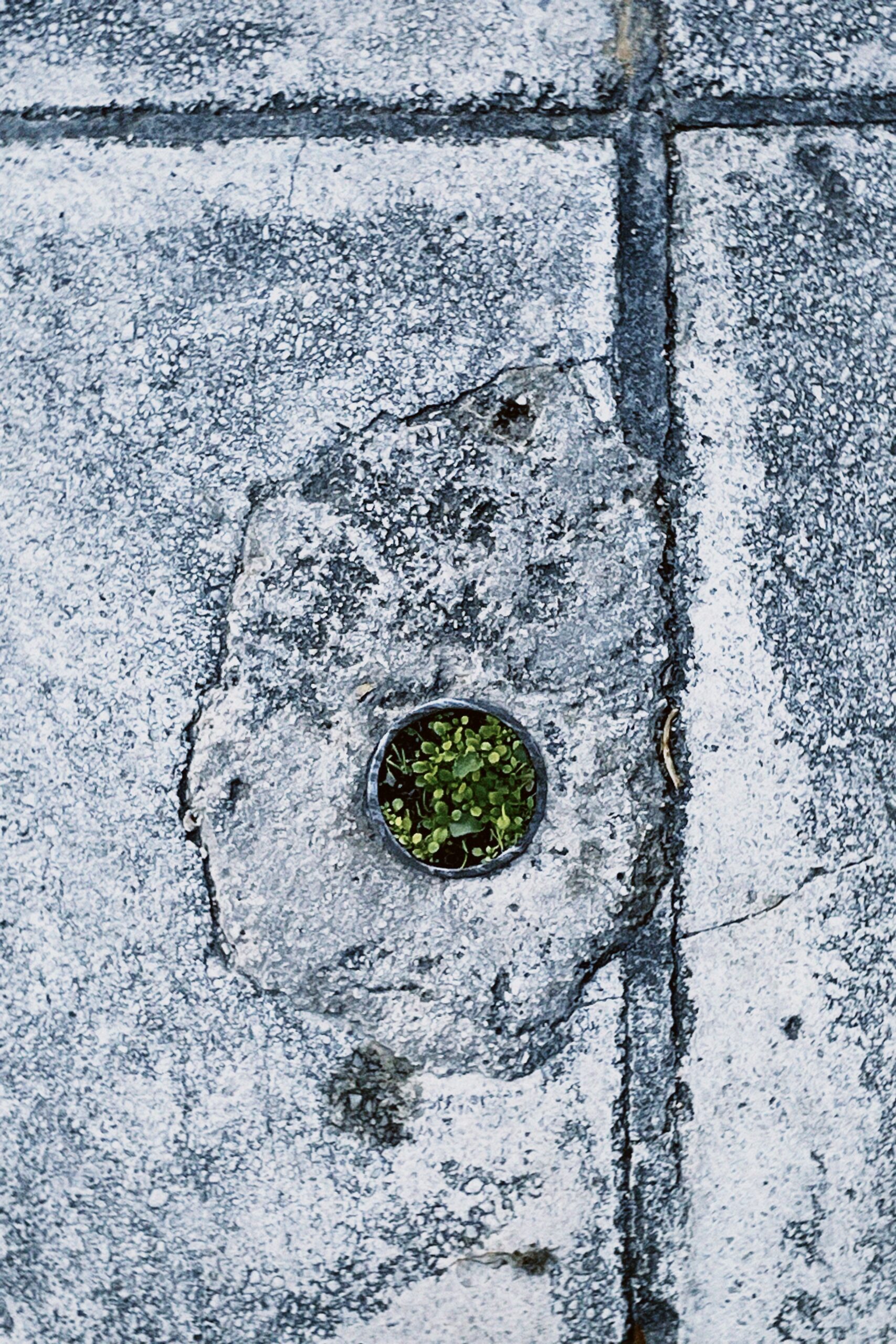
The guerrilla gardener does not merely place vegetation into the city. By planting, watering, sharing seeds and inviting others to participate, they quietly renegotiate the relationship between body, ground, property and publicness. Space that was administratively designated yet remained vacant becomes socially inhabited again. A forgotten verge acquires an audience. A tree pit becomes someone’s responsibility. An empty lot becomes somewhere.
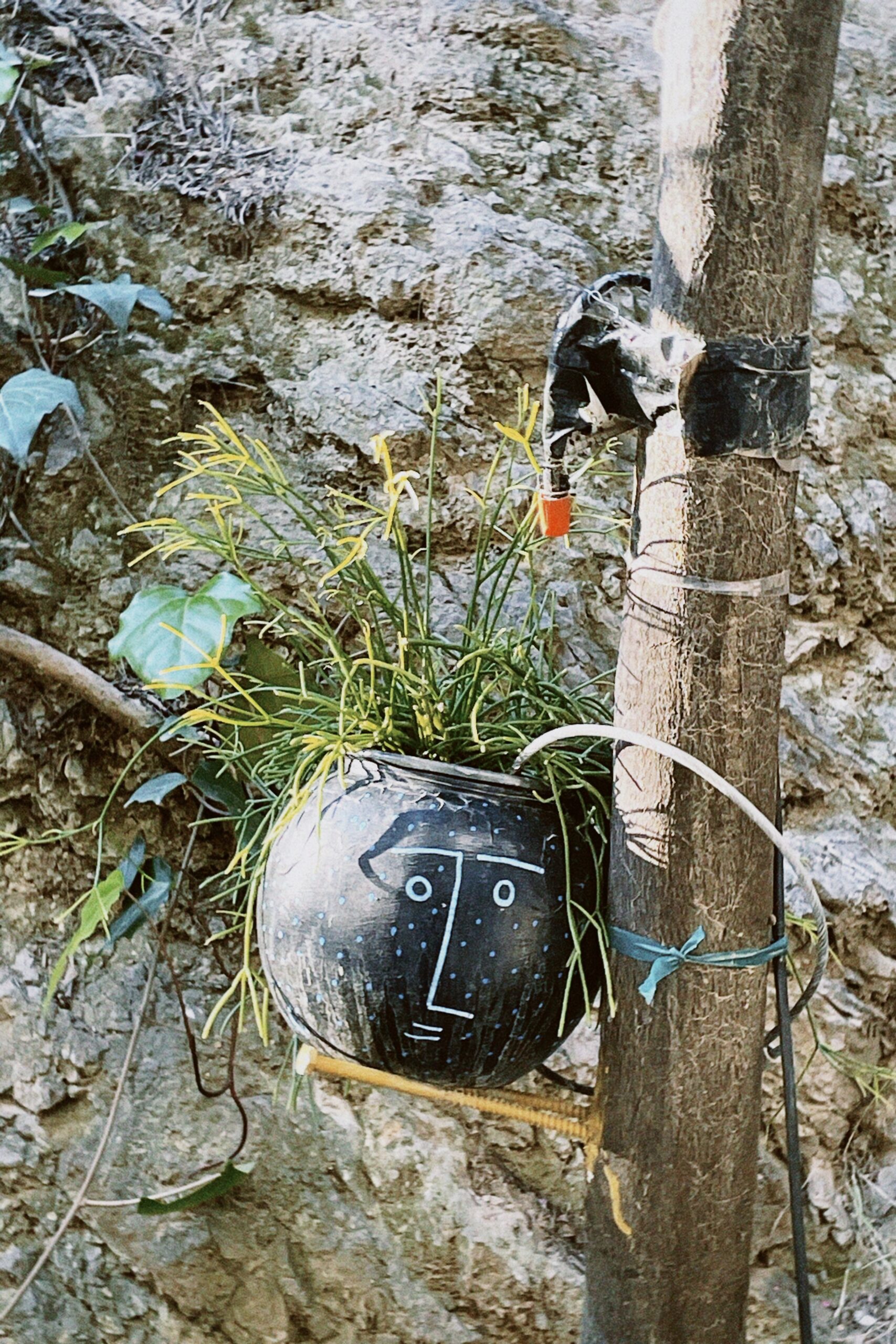
Henri Lefebvre’s insistence that space is socially produced, rather than existing as a neutral container within which social life subsequently occurs, becomes particularly tangible here.
The guerrilla garden produces space precisely by acting upon the gap between the city as it has been conceived and the city as it is lived.
Where planning sees a traffic island, the gardener sees a possible meadow. And where architecture sees an empty site awaiting a future project, the gardener may see that the project has already begun.
Anarchitecture: Acting Upon What Is Already There
In 1974, Gordon Matta-Clark and a loose collective of artists including Laurie Anderson, Tina Girouard, Suzanne Harris, Jene Highstein, Bernard Kirschenbaum, Richard Landry and Richard Nonas presented Anarchitecture at 112 Greene Street in New York. The exhibition emerged from a year of collective discussions around what the group described as “mental, personal non structural or architectural notions of space and place.”
Its works were presented anonymously, deliberately destabilising individual authorship in favour of a collective investigation into architecture itself.
Anarchitecture was never a coherent architectural programme. That is precisely its usefulness. Matta-Clark’s practice operated through interruption, appropriation and subtraction. He entered structures scheduled for demolition, cut openings through floors and walls, split houses, exposed sections that were never intended to become visible. Architecture was no longer treated as an inviolable object but as matter available for reinterpretation. MoMA describes his anarchitecture as an “alternative use of buildings,” one that rejected the functionalist assumptions inherited from modernism. His architecture was therefore frequently an act of undoing. “Undoing is just as much a democratic right as doing,” Matta-Clark argued—a proposition that radically unsettles architecture’s habitual identification with addition, production and permanence.
Guerrilla gardening as much as anarchitecture begins by questioning the authority of what already exists.
The important parallel is therefore not formal but procedural. Both enter an existing condition and interfere with it. Both recognise the overlooked spaces of the city—its abandoned buildings, residual parcels, infrastructural margins, cracks and voids—as territories of possibility. Matta-Clark himself was interested in what he called “metaphoric voids, gaps, leftover spaces, places that were not developed.” Guerrilla gardening makes those gaps literal ground.
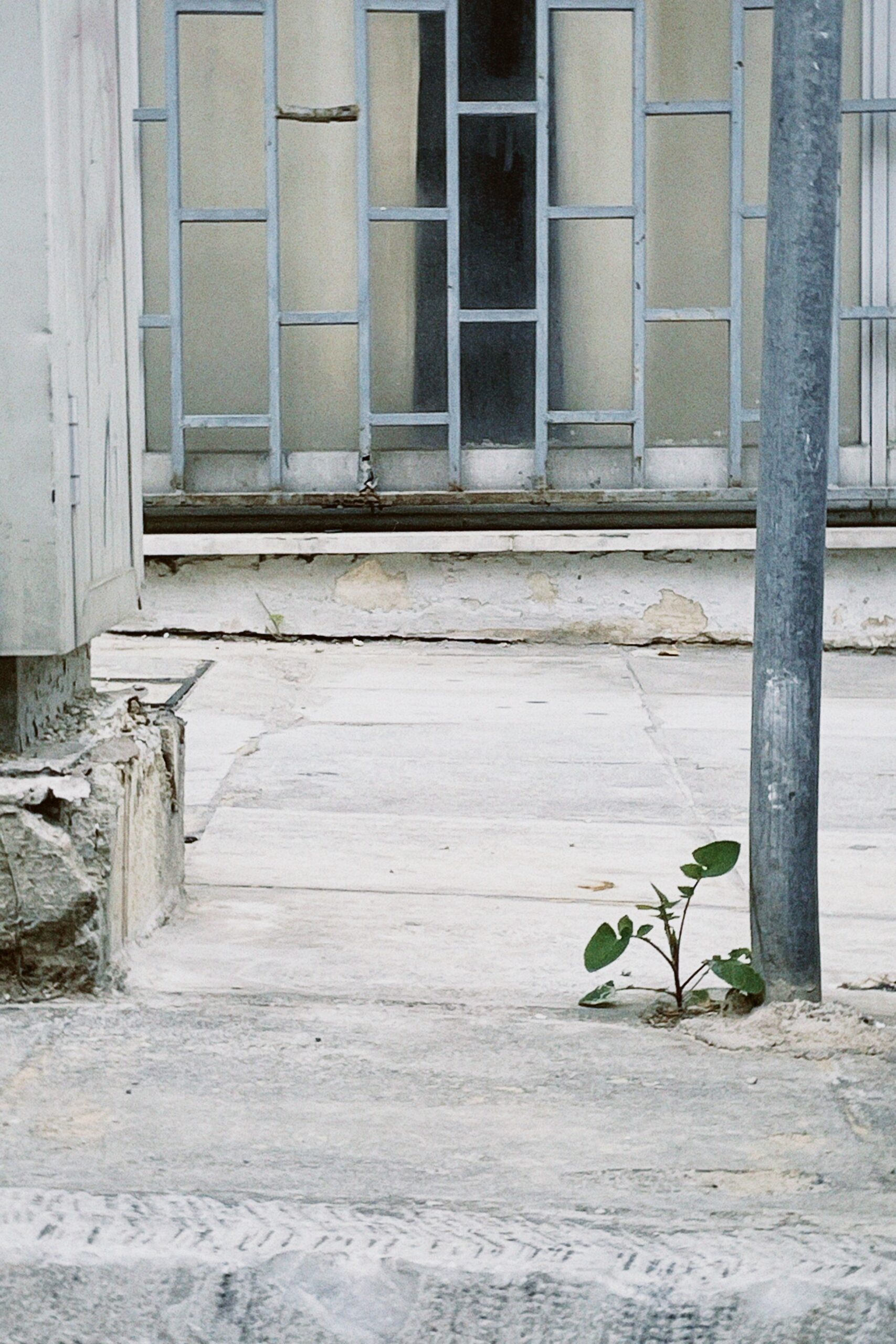
Here anarchitecture does not mean no architecture. It means architecture displaced from its institutional certainty. The prefix an- becomes productive: architecture without guaranteed permission, without stable authorship, without the expectation of permanence and, crucially, without complete control over its outcome. A guerrilla garden is therefore anarchitectural because it interrupts the assumption that spatial transformation must descend through recognised systems of authority by asking a disarmingly simple question: Who is allowed to change the city?
The Seed Bomb
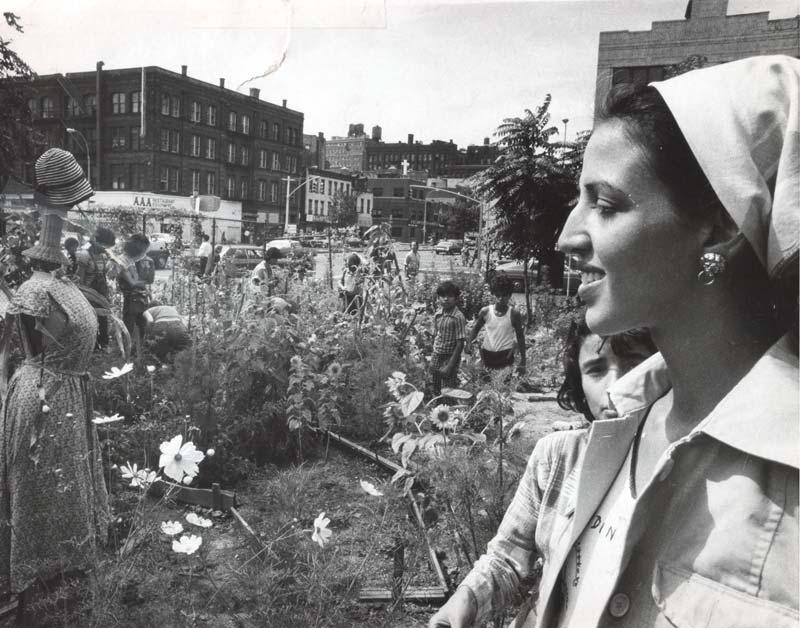
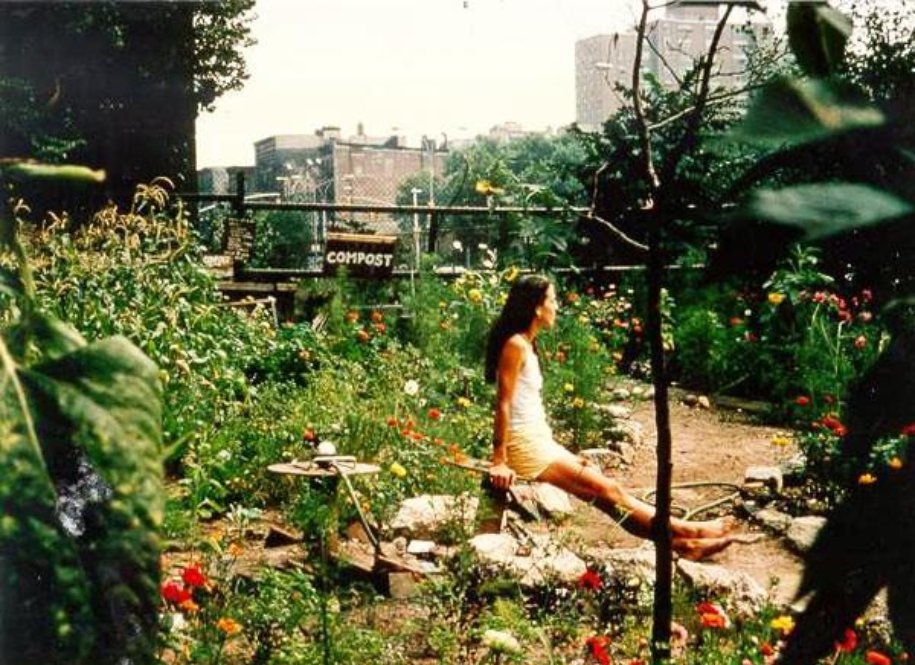
The question has a history. In early-1970s New York, artist Liz Christy and the Green Guerillas began intervening in neglected urban spaces using what they called “seed green-aids”: packets and seed bombs thrown over fences into inaccessible vacant lots. They planted sunflowers in street medians and placed flower boxes on abandoned buildings before turning their attention to a rubble-filled lot at Bowery and Houston Streets. The group cleared the site and cultivated it; in 1974, the city eventually leased the land for one dollar per month. The garden survives today as the Liz Christy Community Garden. The garden did not begin because an authority designated a garden. It became recognisable as a garden because people had already begun gardening.
This reversal contains much of the political and architectural force of the practice. Programme follows performance.
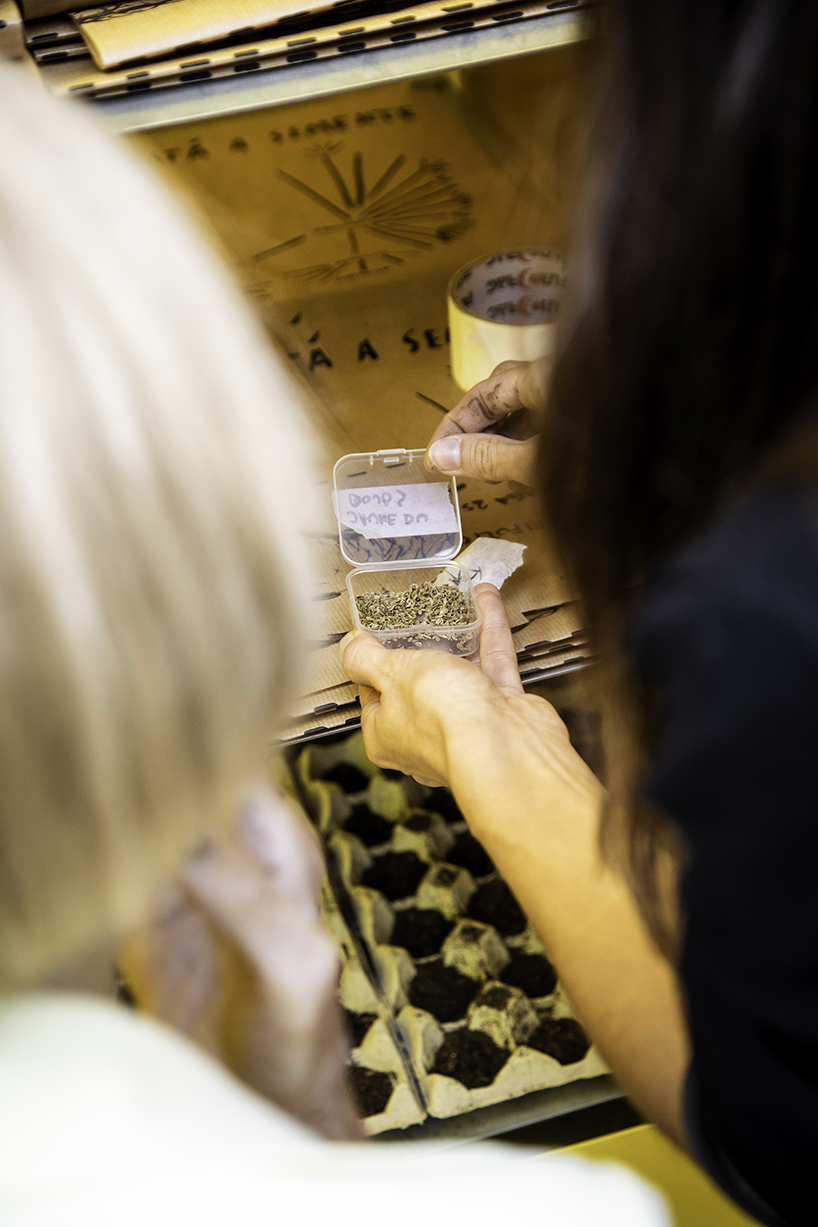
Half a century later, the gesture continues. Urban designer Lily Tagiuri and a small group cycle through Paris in search of empty tree beds, vacant lots and neglected ground. Their instruments are seed bombs made from soil, flour and pollinator seeds. Their route is neither a masterplan nor a landscape strategy. It unfolds opportunistically through the city: observe, stop, plant, continue. Tagiuri describes spreading seeds through her neighbourhood as a “little act of generosity.”
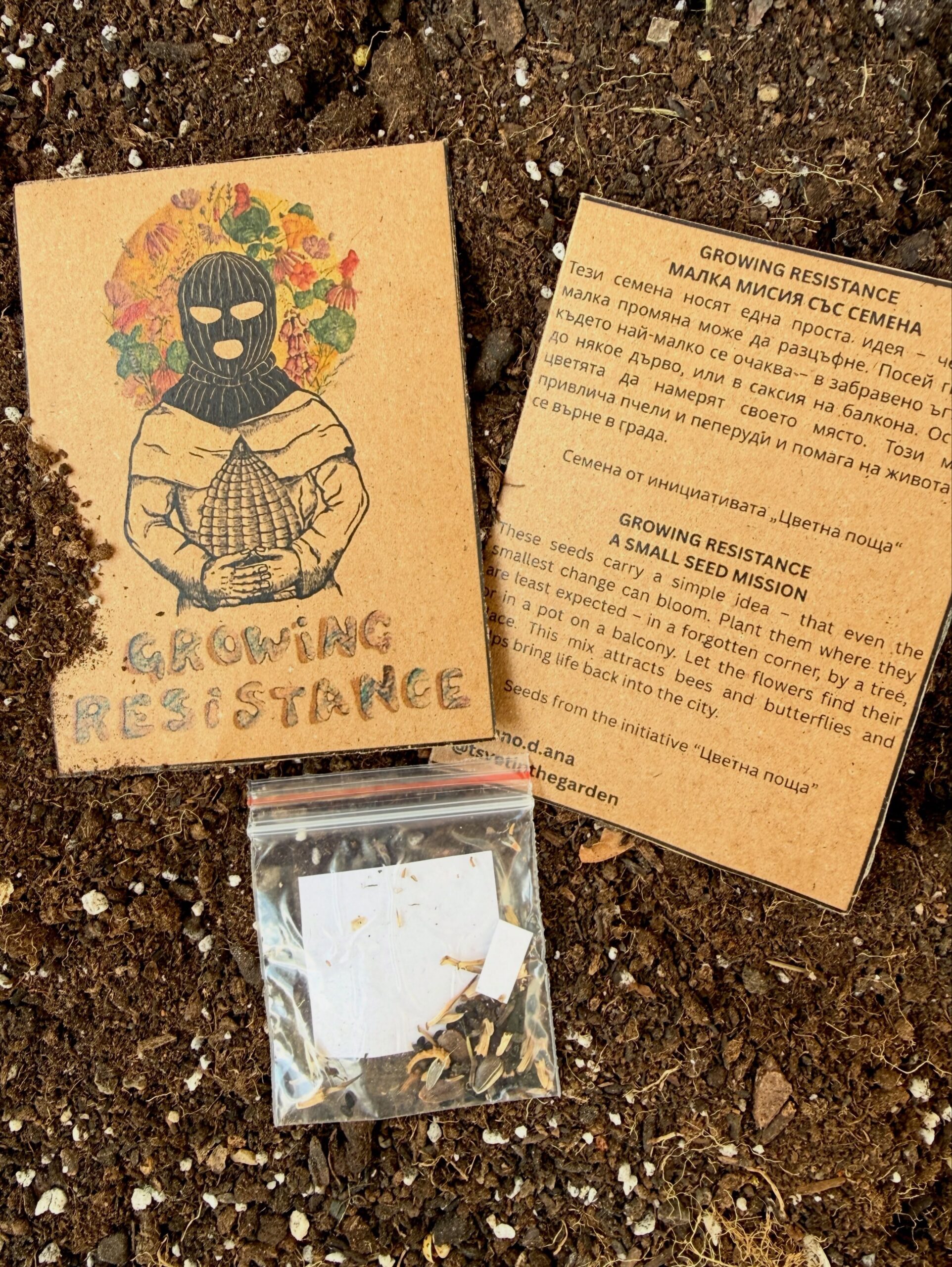
Nothing monumental has occurred. And yet everything architectural has. Material has changed. Ecology has changed. Use has changed. Social relations have changed. Attention has changed. The meaning of the ground has changed. Perhaps architecture need not always make a building. Sometimes it only needs to make a relation possible.
Video by Katie Edwards.
The City Has No Single Root
At this point another botanical figure becomes useful. In A Thousand Plateaus, Gilles Deleuze and Félix Guattari oppose the hierarchical organisation of the tree to the figure of the rhizome: the underground stem that spreads horizontally, connecting one point to another without requiring a singular trunk, centre or origin. A rhizome does not behave like a tree. There is no sovereign centre from which the rest derives. It multiplies laterally. It establishes heterogeneous connections. It can be broken and begin again elsewhere. Its organisation is not genealogical but geographical: a map continuously being produced rather than an image repeatedly traced. “Any point of a rhizome can be connected to anything other,” they write.
Video by Lindsay Wincherauk.
Guerrilla gardening possesses precisely this organisational intelligence. There is no single headquarters from which a guerrilla garden must originate. No universal aesthetic. No authorised designer. No complete drawing. No requirement that one intervention resemble another. Each action is local. Together they constitute something distributed. The garden spreads not as a model but as a possibility.
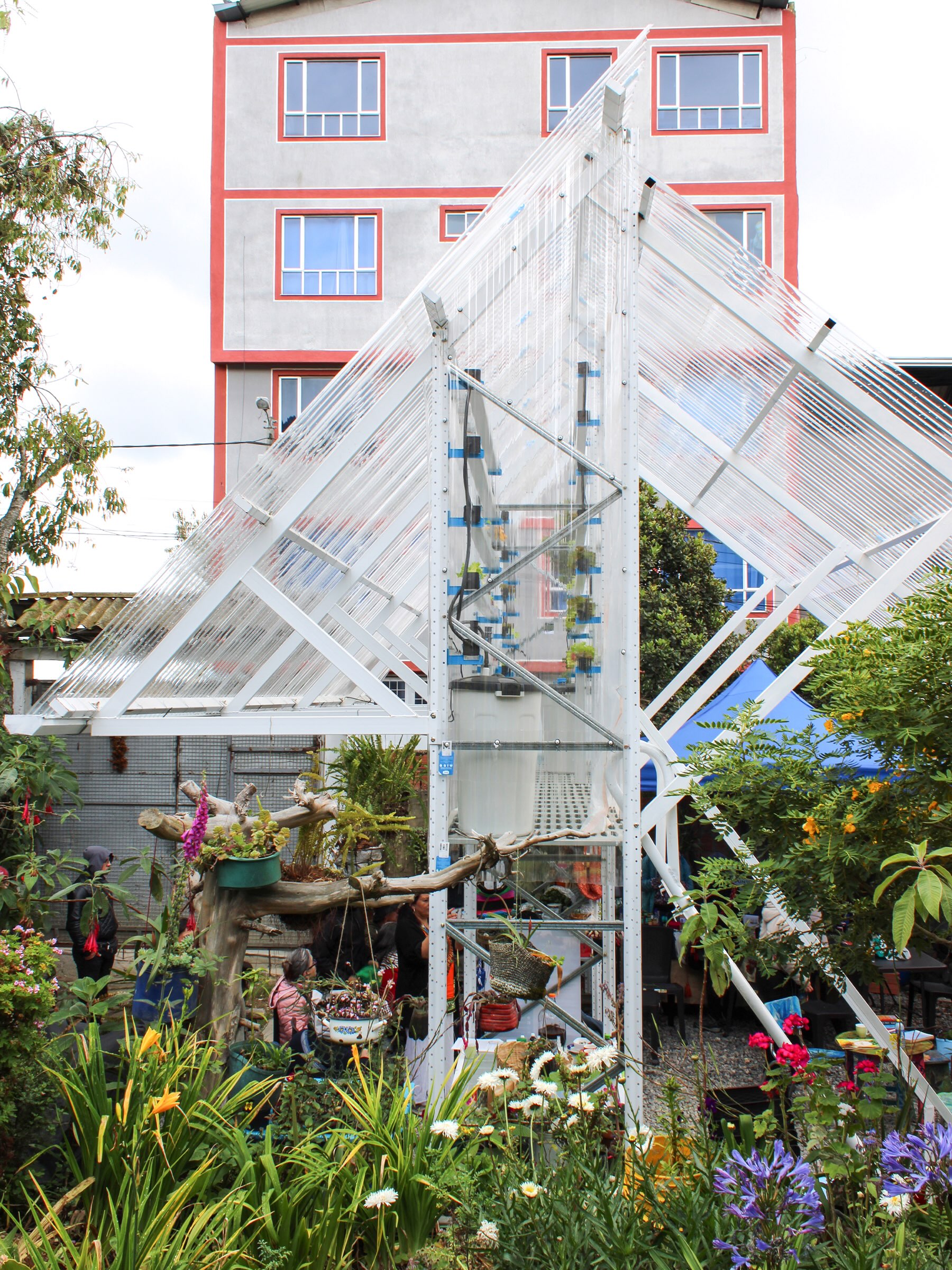
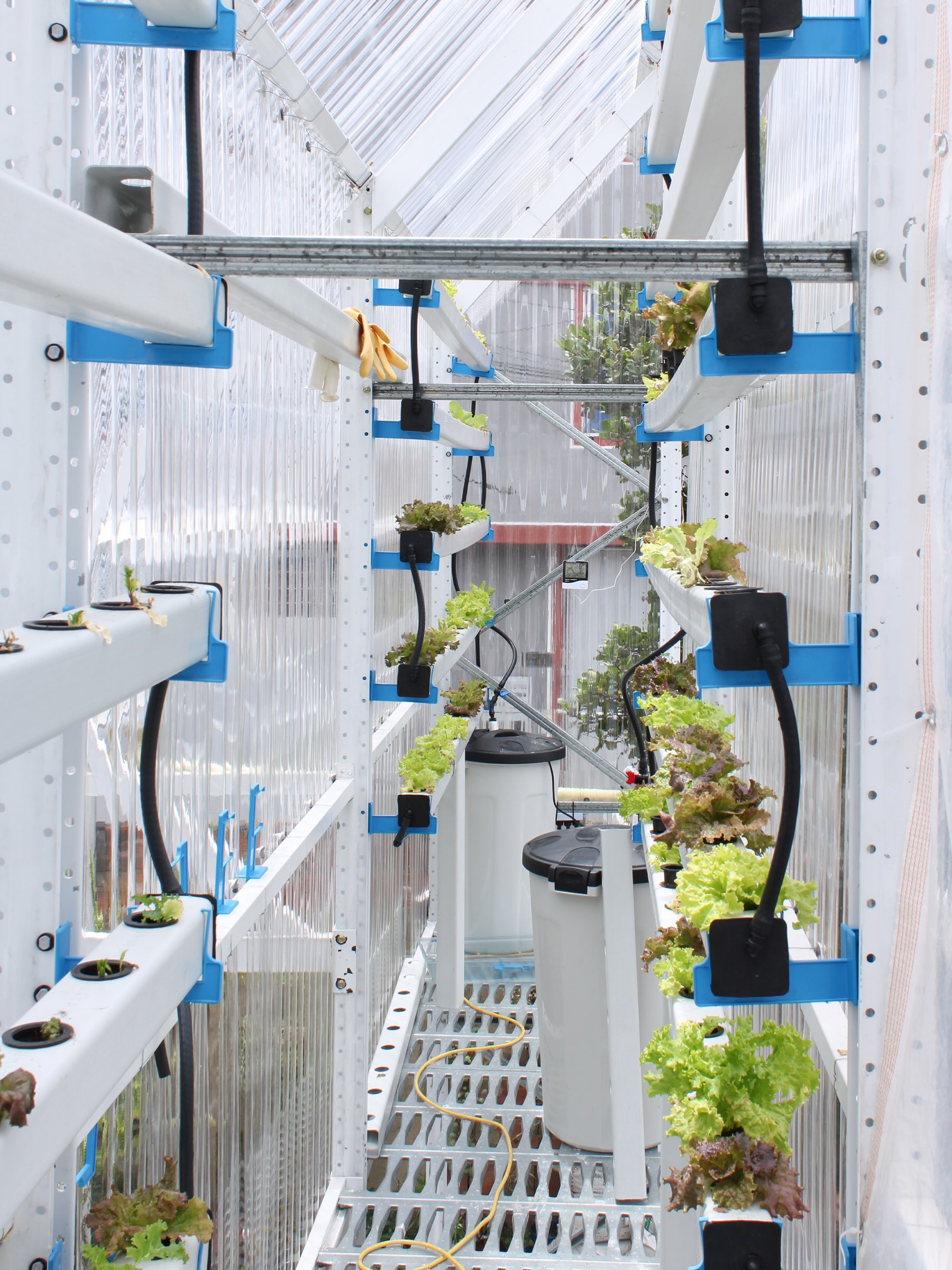
This distinction is fundamental. Conventional architecture reproduces itself remarkably well through typologies, regulations, professional standards, publications and images. The rhizomatic practice does not demand reproduction of form. What travels instead is the capacity to act. There is no origin that must first be consulted. The rhizome has already travelled underground. Its architecture is contagious.
Architecture Without Architects
Guerrilla gardening demonstrates that spatial agency does not belong exclusively to those trained to design space. This does not make architects irrelevant. It makes architecture larger than architects. Jeremy Till’s Architecture Depends dismantles architecture’s fantasy of autonomy by insisting upon its dependence on precisely those forces architectural culture has historically attempted to suppress: people, politics, time, ethics, uncertainty and what he calls the “mess” of the real world.
Architecture cannot seal itself against contingency because contingency is already one of its materials.
Few architectures are as radically dependent as a clandestinely planted garden. It depends on rain. On whether somebody returns tomorrow with water. On whether municipal workers remove it. On whether a neighbour adopts it. On insects arriving. On seeds germinating. On somebody caring. Its author cannot guarantee the outcome. The guerrilla gardener initiates rather than completes. This temporality also explains what Vladimir Mikadze identifies as the peculiar publicness of guerrilla gardening. Its landscapes are informal, illegal and ephemeral, yet their very temporality allows them to overlap existing programmes and reveal the rules governing urban space. Mikadze ultimately reads guerrilla gardening phenomenologically, as a spatial practice through which people articulate needs for dwelling and caring by remaking urban territory.
Care here is not sentimental; it’s spatial labour. Through repetition, these apparently minor gestures begin producing territory.
To Care for Something Is Already to Claim a Relation to It
This is where guerrilla gardening complicates the distinction between public and private space. Public space is usually imagined through access: a space is public because everyone may enter it. Yet access alone does not necessarily produce publicness. A pavement may legally belong to everyone and existentially belong to nobody.
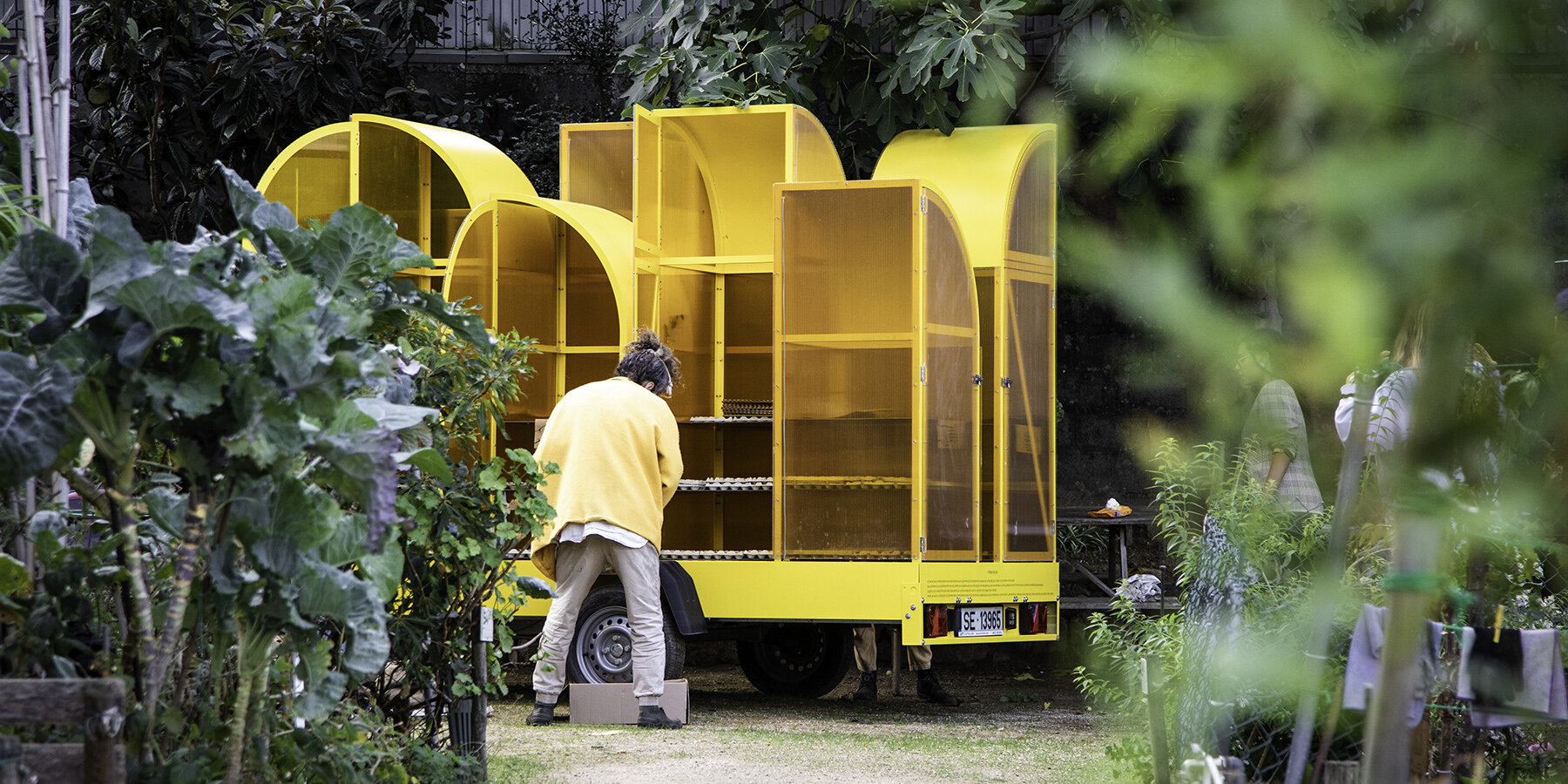
The guerrilla garden proposes another definition: a place becomes public through relation.
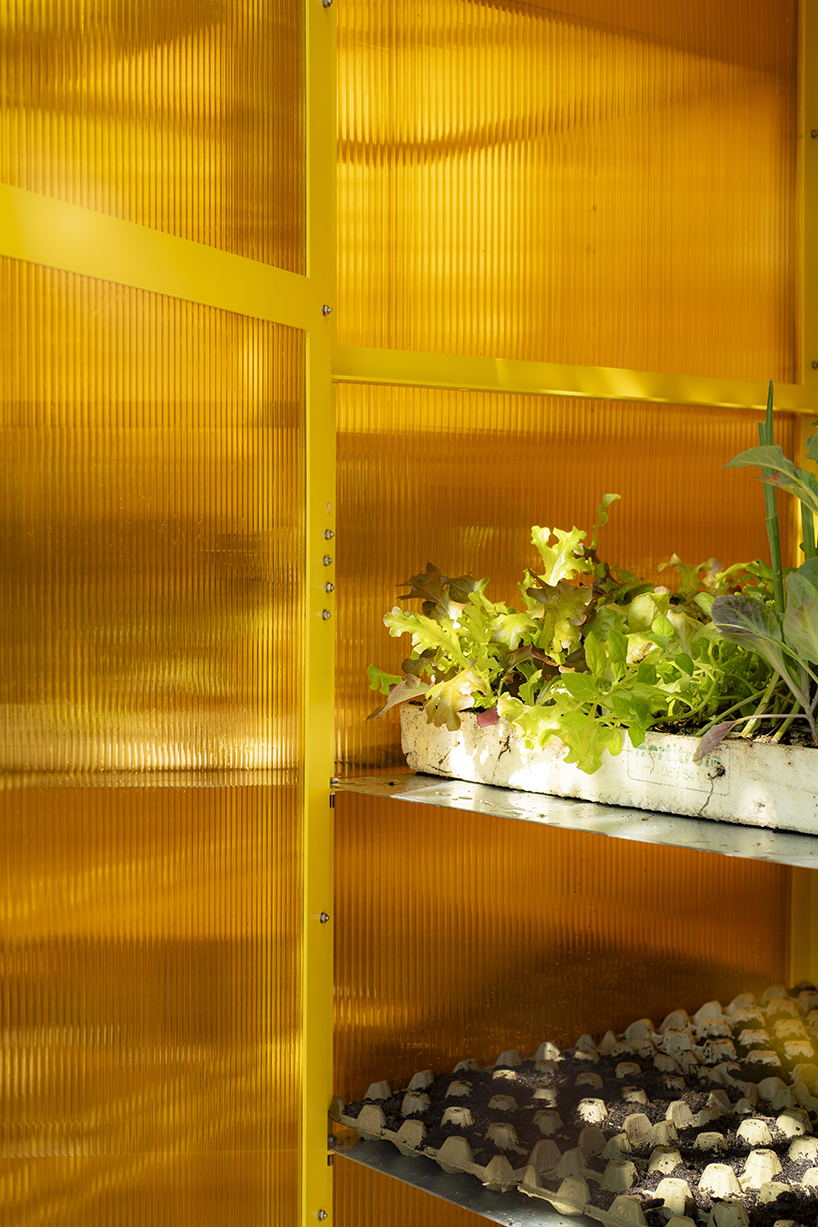
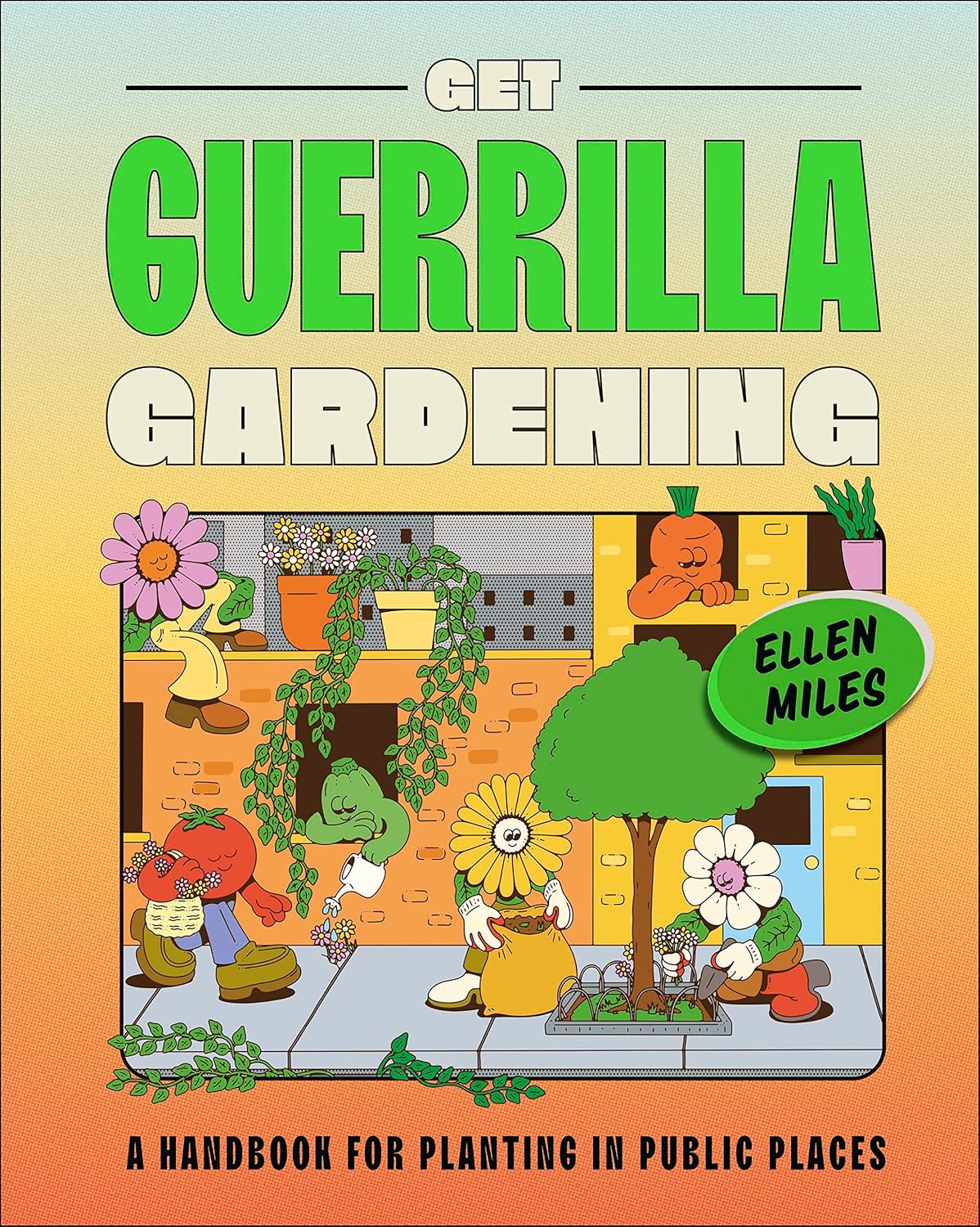
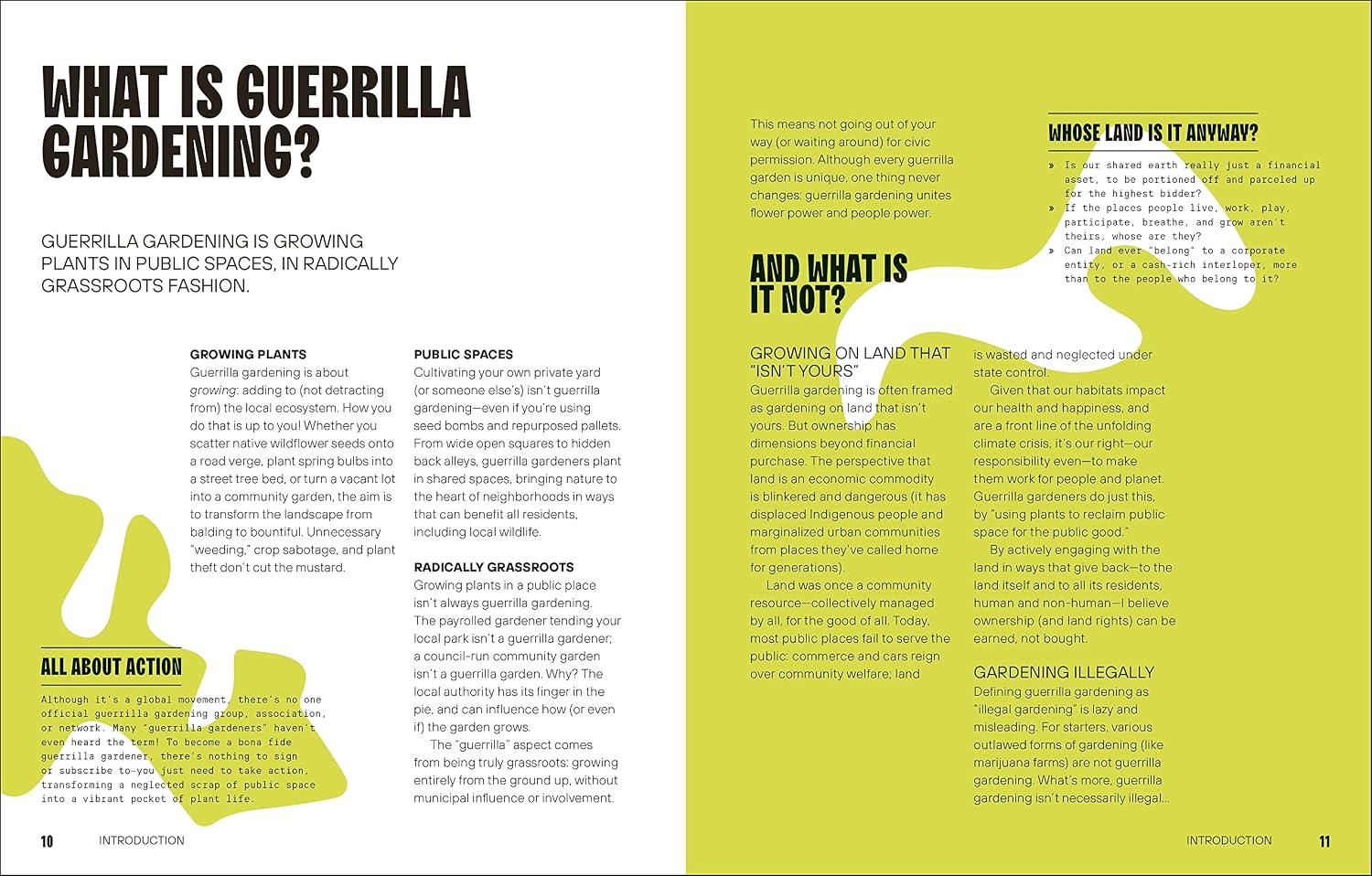
The London-based activist and author Ellen Miles, describes guerrilla gardening as “a kind of anarchy”—not destructive disorder, but the capacity of communities to determine what they need for themselves. For Miles, the practice works best when it emerges locally, through neighbours speaking with one another about what they want their own spaces to become. After caring for a place, Miles says, “I felt like it was mine.”
Not mine as property.
Mine as responsibility.
Mine because I return.
Mine because I know where the soil dries first.
Mine because I have watched something grow there.
This is a radically different territorial claim from ownership, proposing belonging through care. Who determines that a site is “neglected”? Whose aesthetic of greenery is being imposed? Who was already using a supposedly vacant space before another person decided to improve it? Informality is not automatically democratic, and planting is not intrinsically emancipatory. An intervention performed in the language of care can still overwrite existing uses or reproduce inequalities. The guerrilla garden must therefore remain open to the same question it directs toward planning authority: Who gets to decide? Its critical force lies not in replacing one form of mastery with another, but in making the politics of spatial decision visible.
Research has consequently approached guerrilla gardening not simply as beautification but as a contested production of space.
Donnie Johnson Sackey describes it as the illicit transformation of neglected public and private property into sites of resilience and fecundity, connecting such acts to questions of spatial and environmental justice. In Thessaloniki, Maria Karagianni‘s research into peri-urban guerrilla gardening pushes the argument further, understanding commoning as a socio-natural productive process: the commons is not simply a piece of land that exists and can be identified; it is continuously made through relations between human and non-human actors.
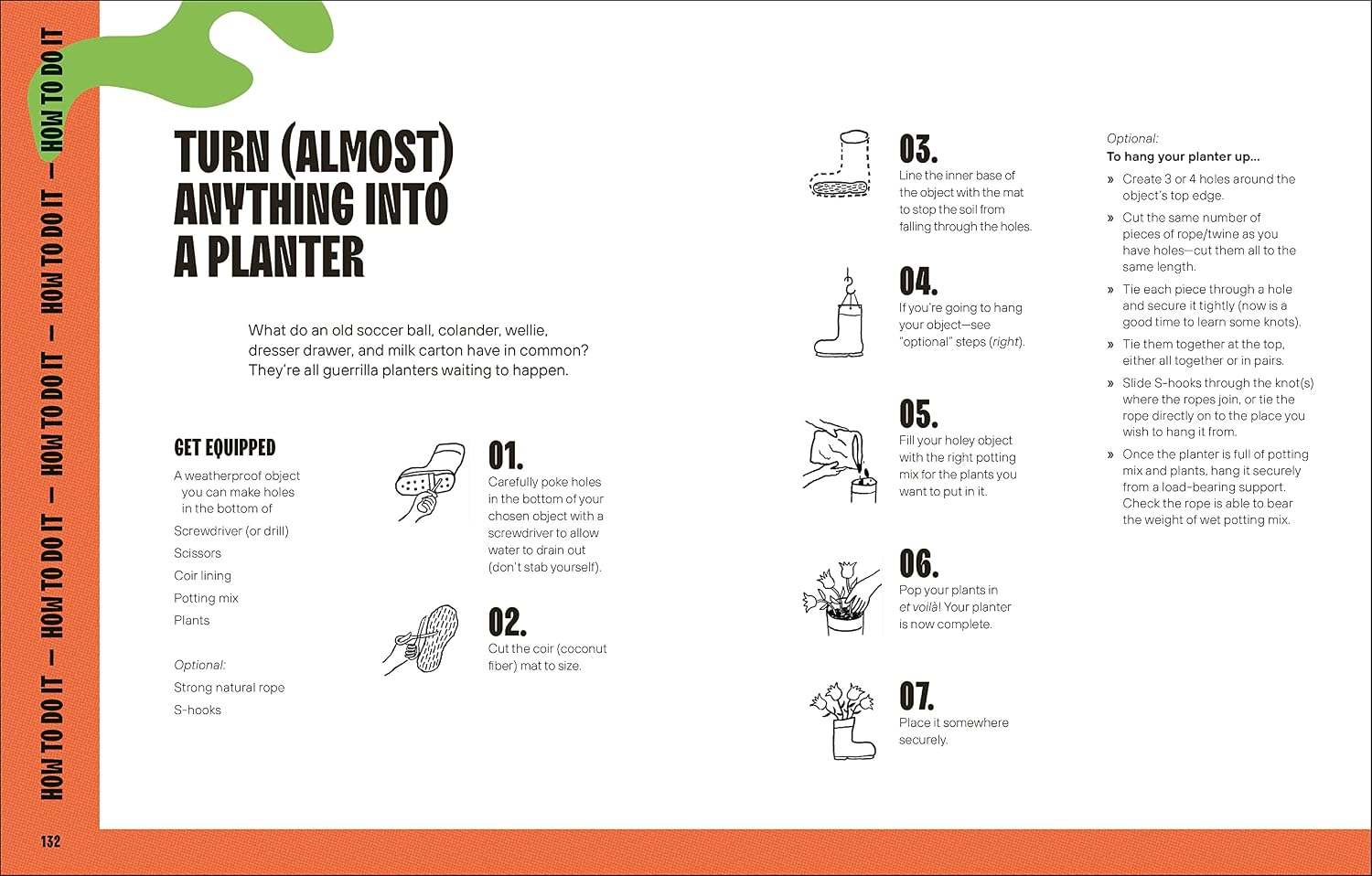
The commons, then, is a verb before it is a noun. As is architecture.
An Architecture of Transience
Architecture has historically associated endurance with value. To build is to overcome time through material stability. Foundations enter the ground precisely so that the building will remain where it has been placed. The guerrilla garden proposes almost the opposite relationship to time. It might disappear. A municipal mower may erase it. A redevelopment may consume it. A dry summer may kill it. A complaint may remove it. A construction fence may suddenly surround the land. Its fragility is not necessarily a weakness.
It means that the garden’s political and spatial significance cannot reside entirely in its survival as an object. What survives may instead be the action it made imaginable.
This returns us to Matta-Clark. His building cuts were themselves profoundly temporary. Many were made in structures awaiting demolition. The architectural object disappeared; photographs, films, drawings, memories and—most importantly—the spatial proposition remained. His practice crossed repeatedly between architecture and performance, between permanence and transience, between construction and event.
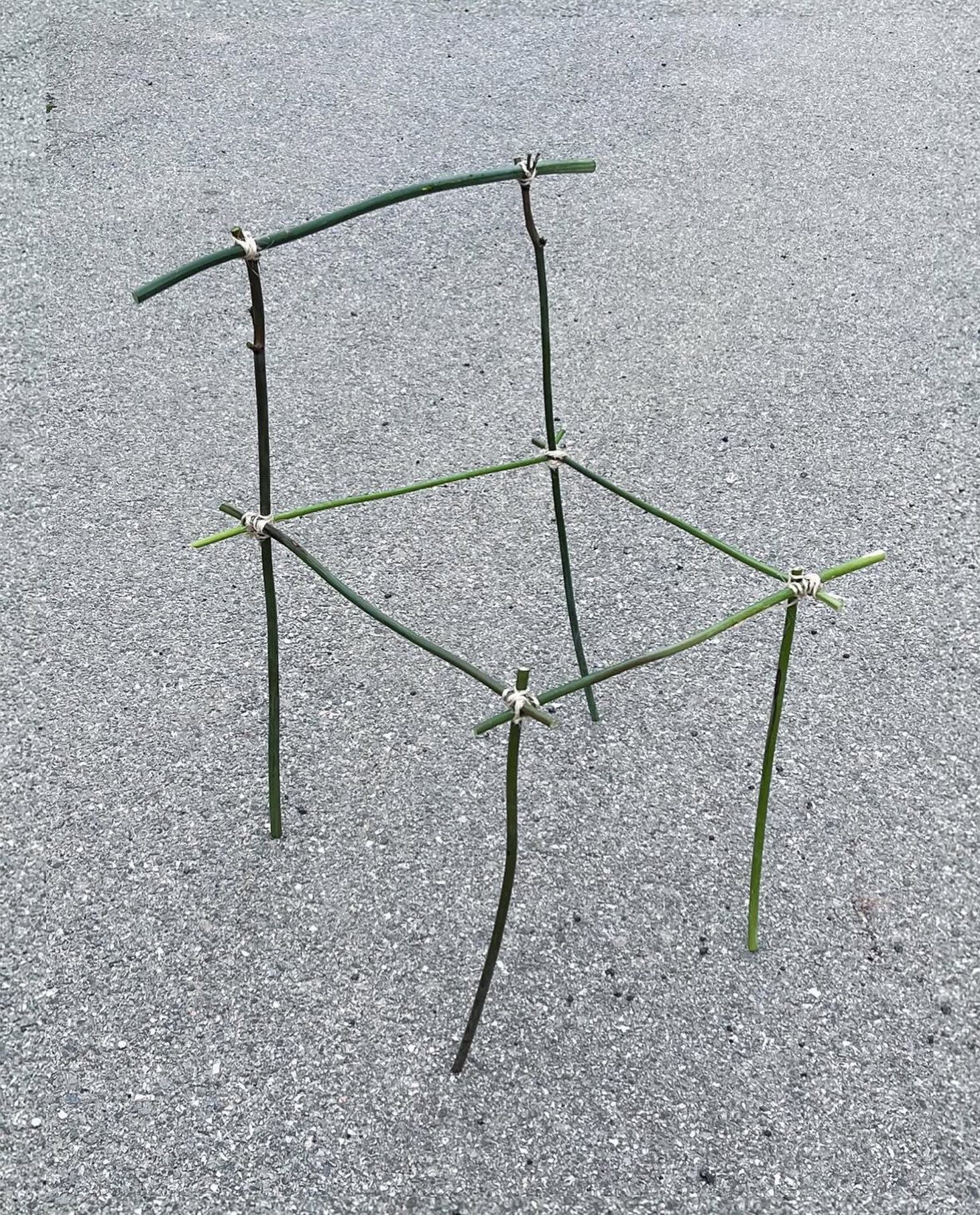
Here the rhizome becomes more than metaphor. Deleuze and Guattari’s principle of rupture describes a system capable of recommencing along another line after being broken. Pull the plant out here. It emerges elsewhere. Fence the lot. Someone plants the verge. Regulate the verge. Seeds enter the tree pit. Remove the flowers. Someone has already collected their seeds.
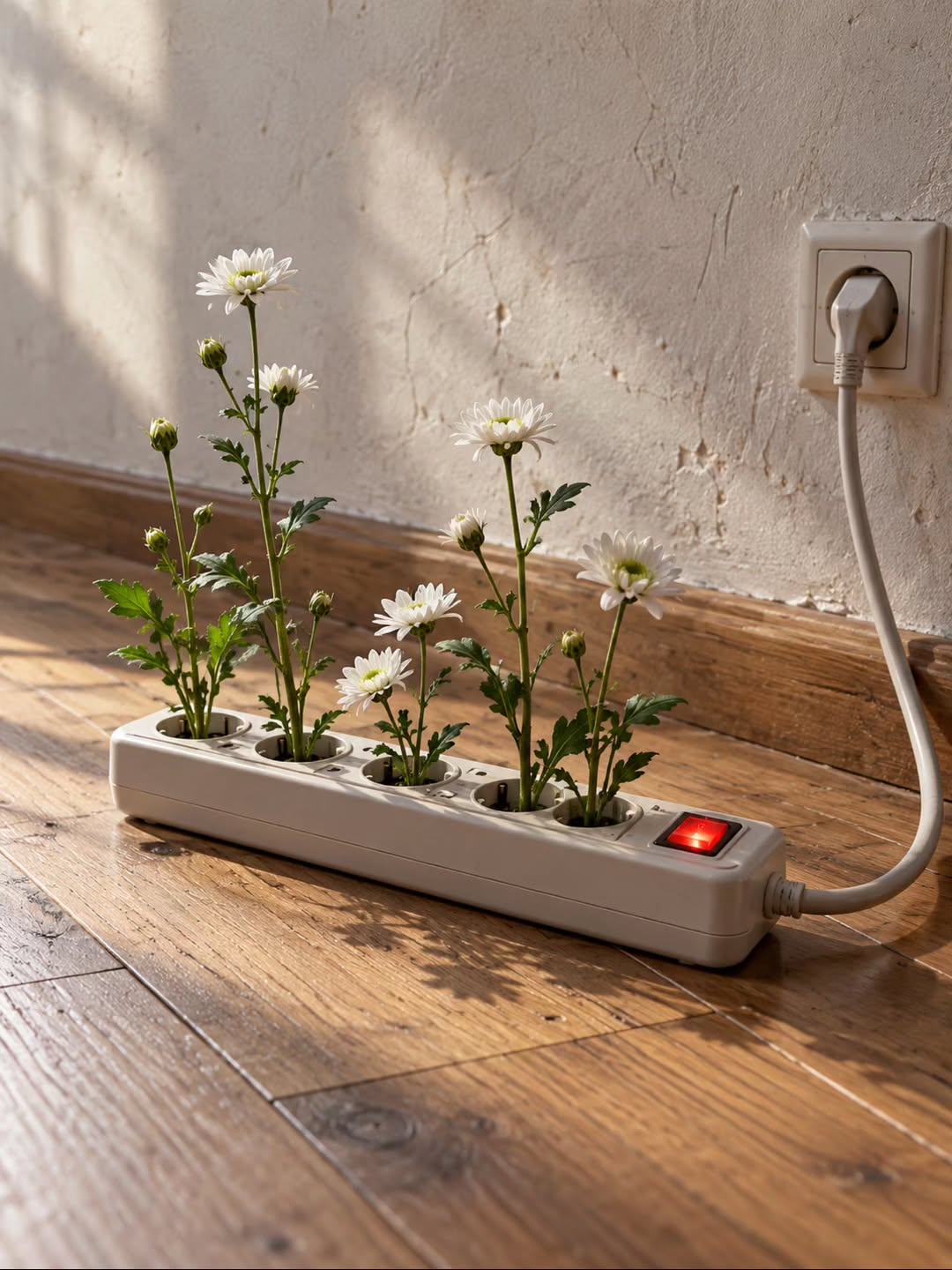
Architecture becomes difficult to locate because it has ceased to be the object. It is the capacity for spatial transformation travelling between bodies.
Minor Architecture
Perhaps guerrilla gardening therefore asks architecture to become smaller. Not less ambitious. Smaller. To relinquish, momentarily, the masterplan. To put down the aerial photograph. To stop imagining the city exclusively through hectares, developments, infrastructure corridors and completed buildings. To kneel. The posture matters.
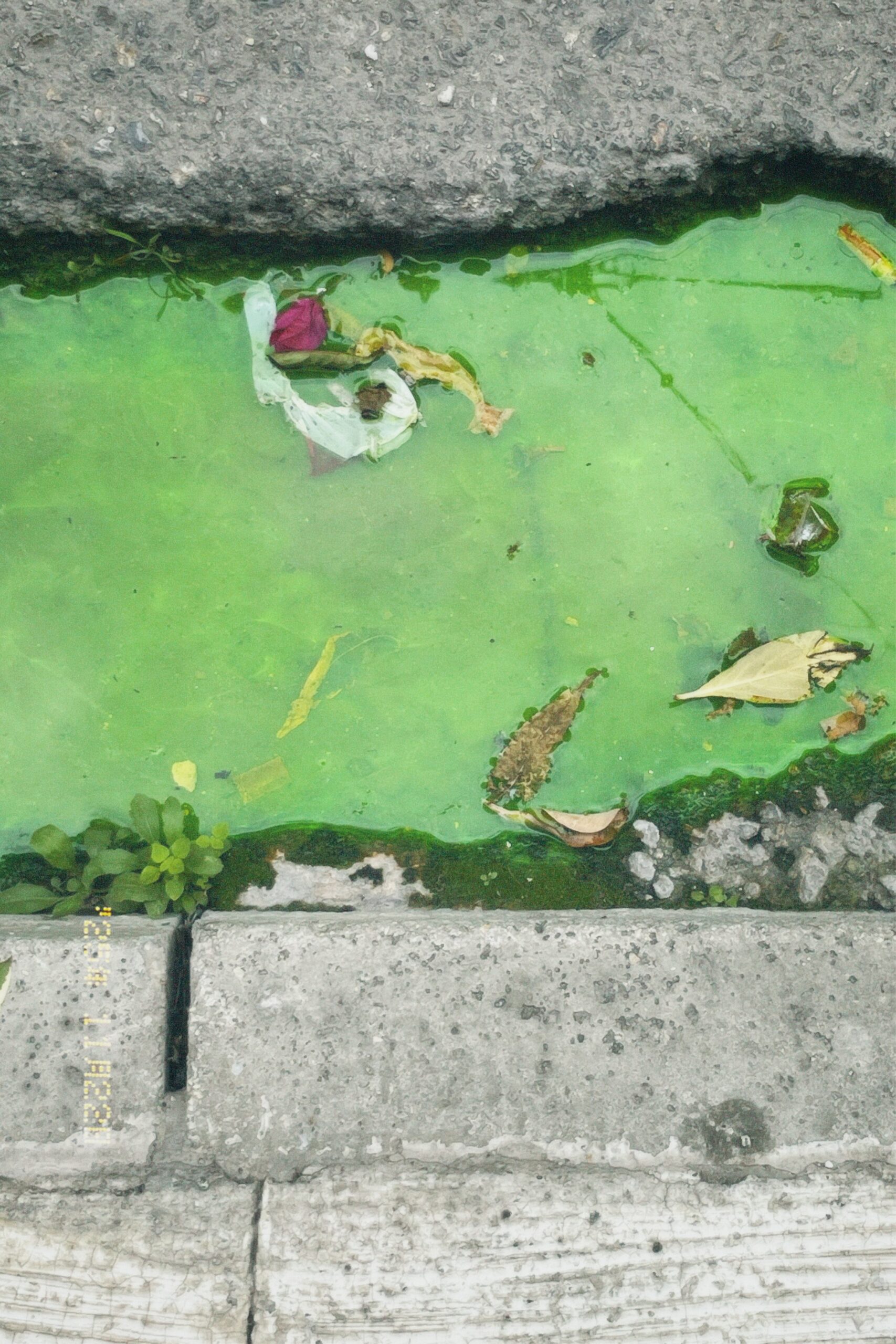
The guerrilla gardener encounters the city close to the ground: cracks, soil, weeds, insects, discarded material, shade, water, roots.
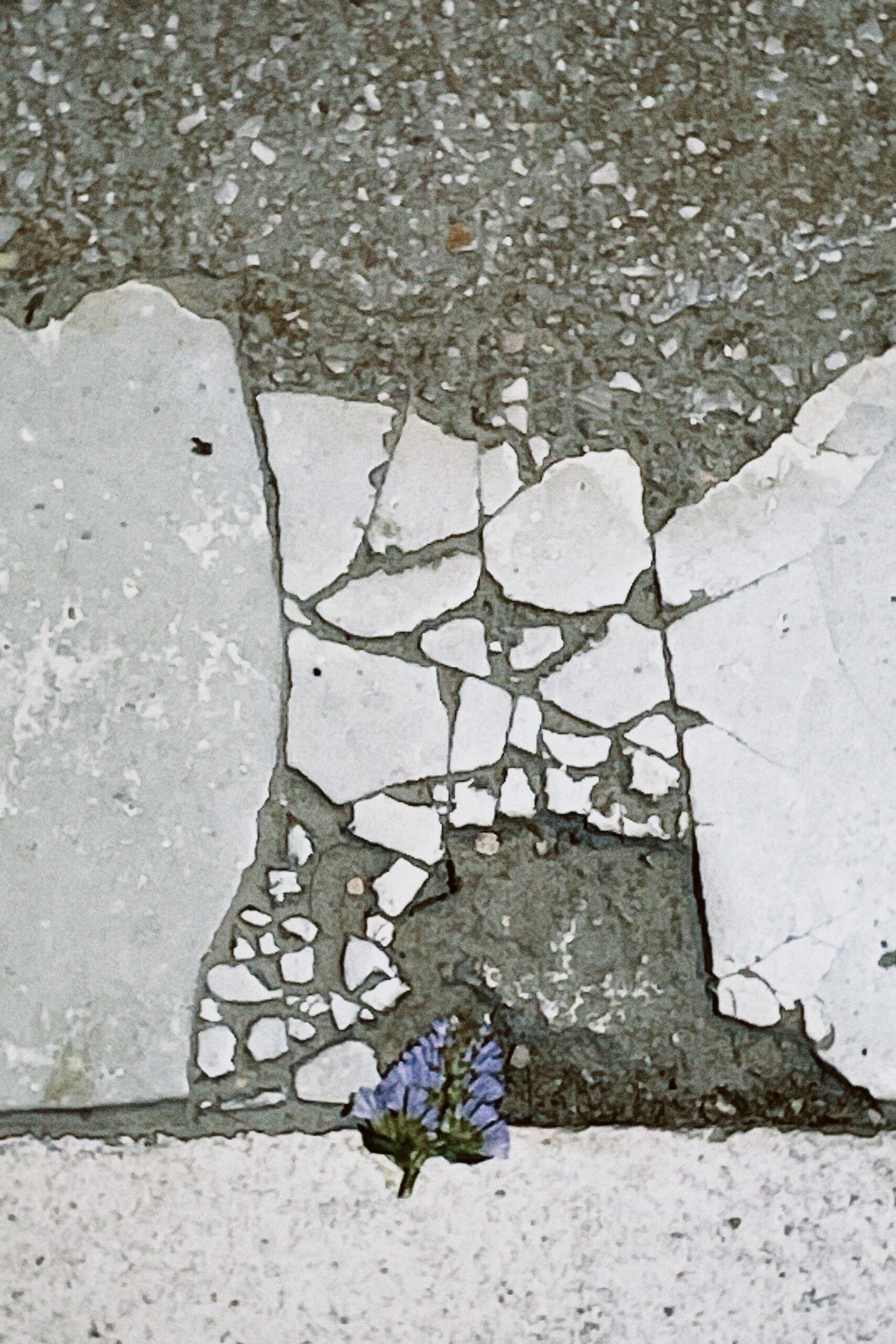
The scale is bodily and immediate. One works with what can be carried. A handful of seeds. A trowel. A bottle of water. From this position the city looks different. Its supposed solidity dissolves into countless openings. A crack between paving stones is enough. A forgotten rectangle of earth is enough. A fence is not necessarily the end of a territory. The contemporary city is extraordinarily good at communicating what one may not do. Do not enter. Do not sit. Do not loiter. Do not alter. Private property. Keep off the grass. Guerrilla gardening introduces another sentence into this landscape: Something could grow here. That sentence is architectural because it changes how space is perceived before it changes space materially. And perhaps this is the radical lesson of the practice.
Architecture need not always arrive with the violence of certainty. It can operate tentatively. It can test rather than determine. It can establish a condition and wait to see who arrives.
It can depend, in Till’s sense, on the world rather than attempting to master it. The guerrilla garden does not say: this is what this place shall be. It asks: what could happen here if somebody cared?
The Architecture of a Seed
“When the climate crisis feels beyond our control and the world feels grim, it is empowering to remember that you can always grow something,” states Lily Tagiuri, reflecting on the apparent disproportion between the enormity of ecological crisis and the intimacy of planting. A seed bomb cannot substitute environmental policy. A flower bed cannot correct structural inequality. Individual gestures cannot absolve institutions from maintaining equitable public space, addressing climate adaptation or providing meaningful urban infrastructure. But perhaps this is precisely why guerrilla gardening should not be understood as a solution.
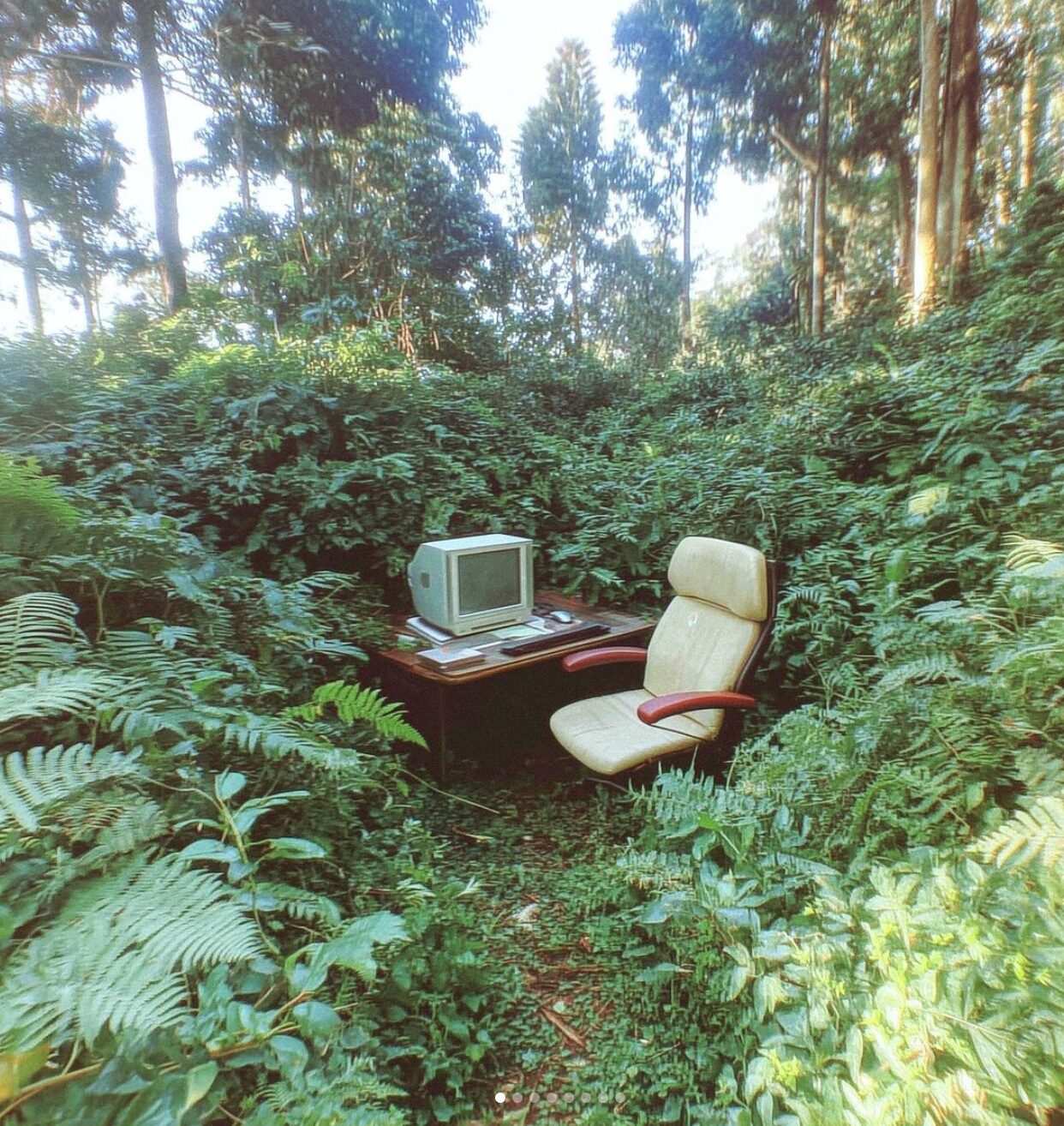
It is a performance of another spatial reality. It temporarily makes visible a different relationship between citizen and city, ownership and stewardship, architecture and ecology.
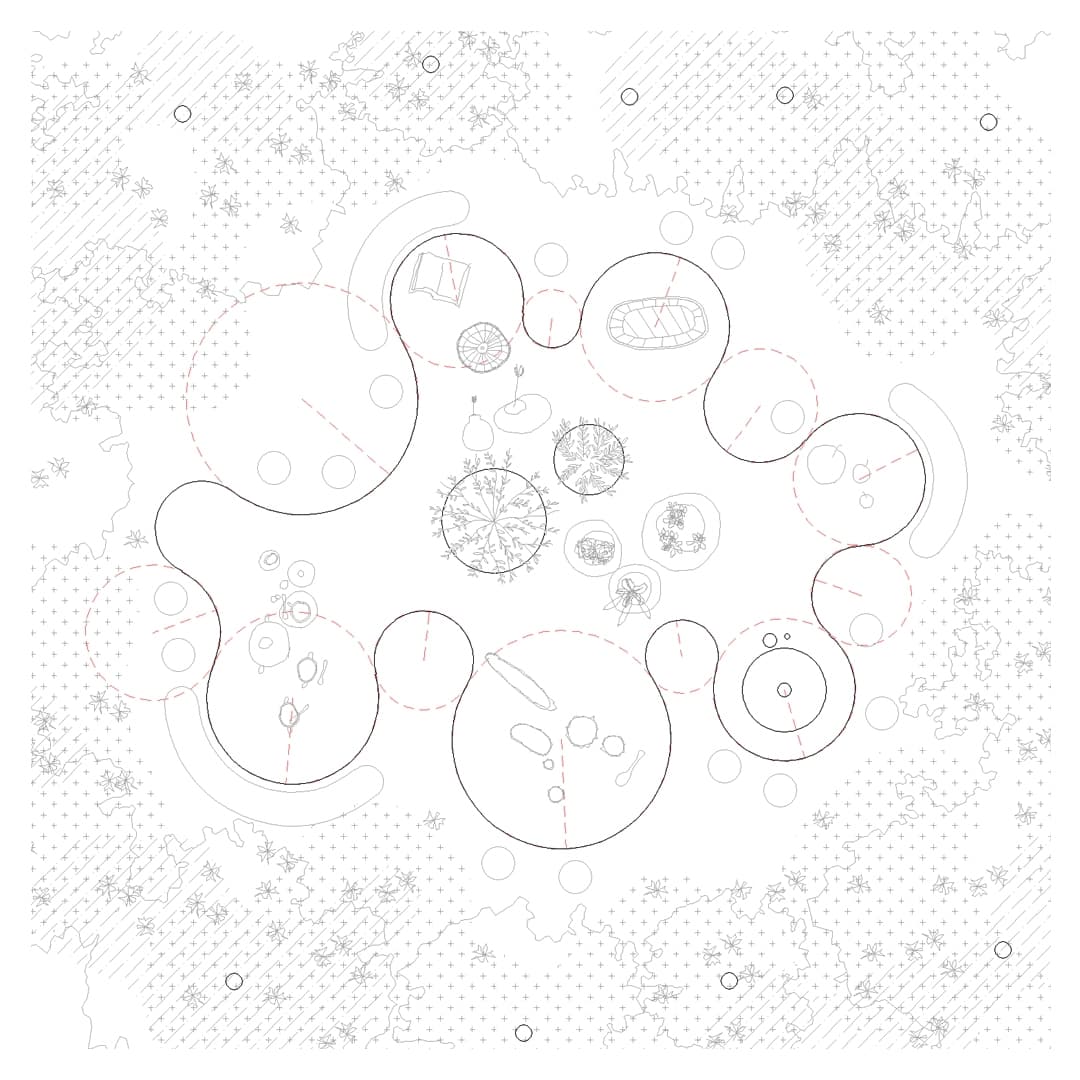
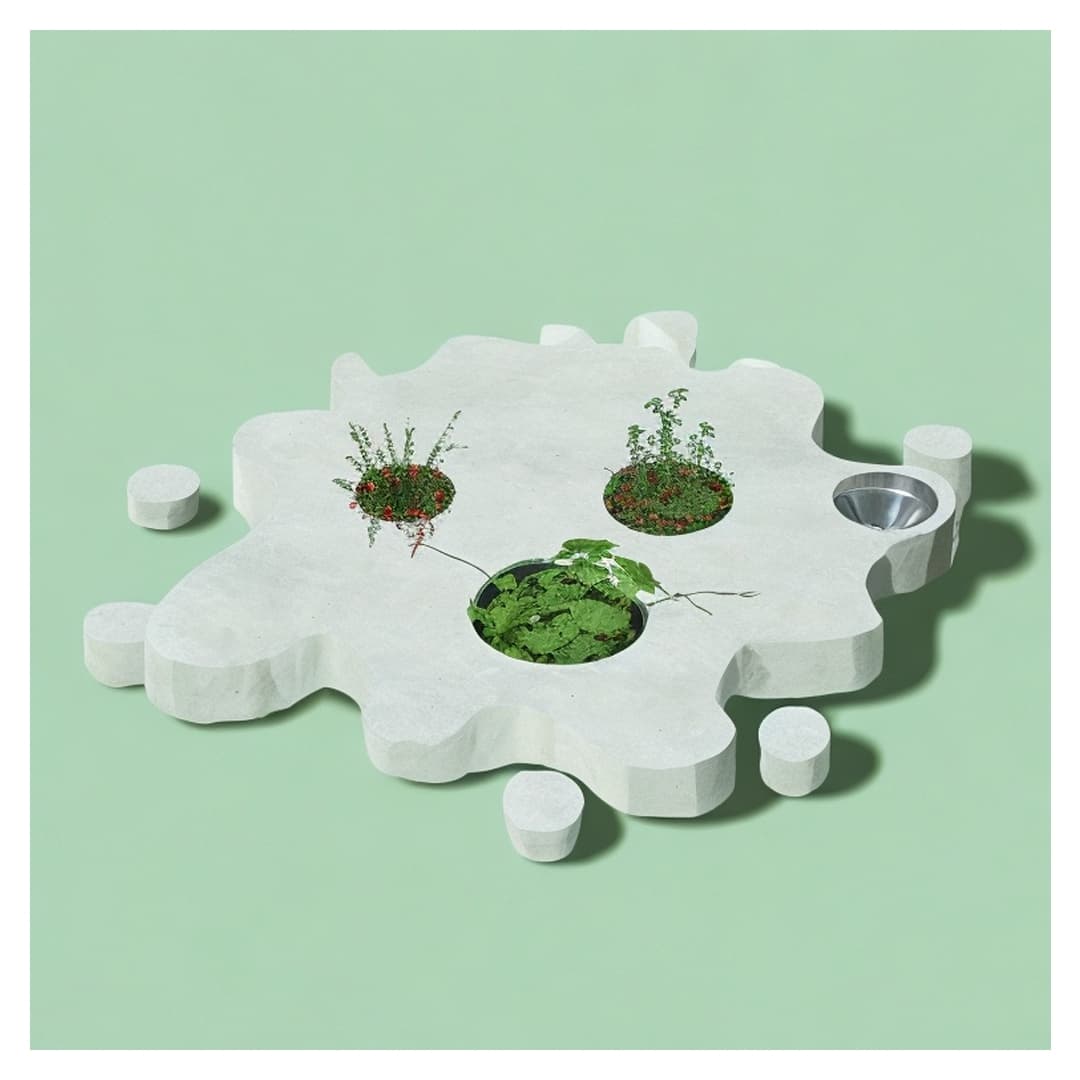
It shows that a piece of urban ground can be reorganised through attention rather than capital; through maintenance rather than development; through collective occupation rather than singular authorship.

Its scale may be tiny, but its proposition is not. Matta-Clark opened buildings to reveal that architecture could be questioned by cutting into it. The guerrilla gardener opens the city by planting into it. One produces the void. The other inhabits it.
Between them emerges an architecture no longer defined primarily by walls, but by the possibility of acting upon the world one has inherited.
And then Deleuze and Guattari’s rhizome begins to move. One garden does not need to become a movement. It needs only to make another garden imaginable. A flower appears beneath a tower block. Someone notices. A packet of seeds passes from one hand to another. Someone bends down. The hard ground is opened. Rain enters. Roots follow. The city, for a moment, loses its concrete form. And architecture begins again. Not from the building. Not from the drawing. Not even from the architect.
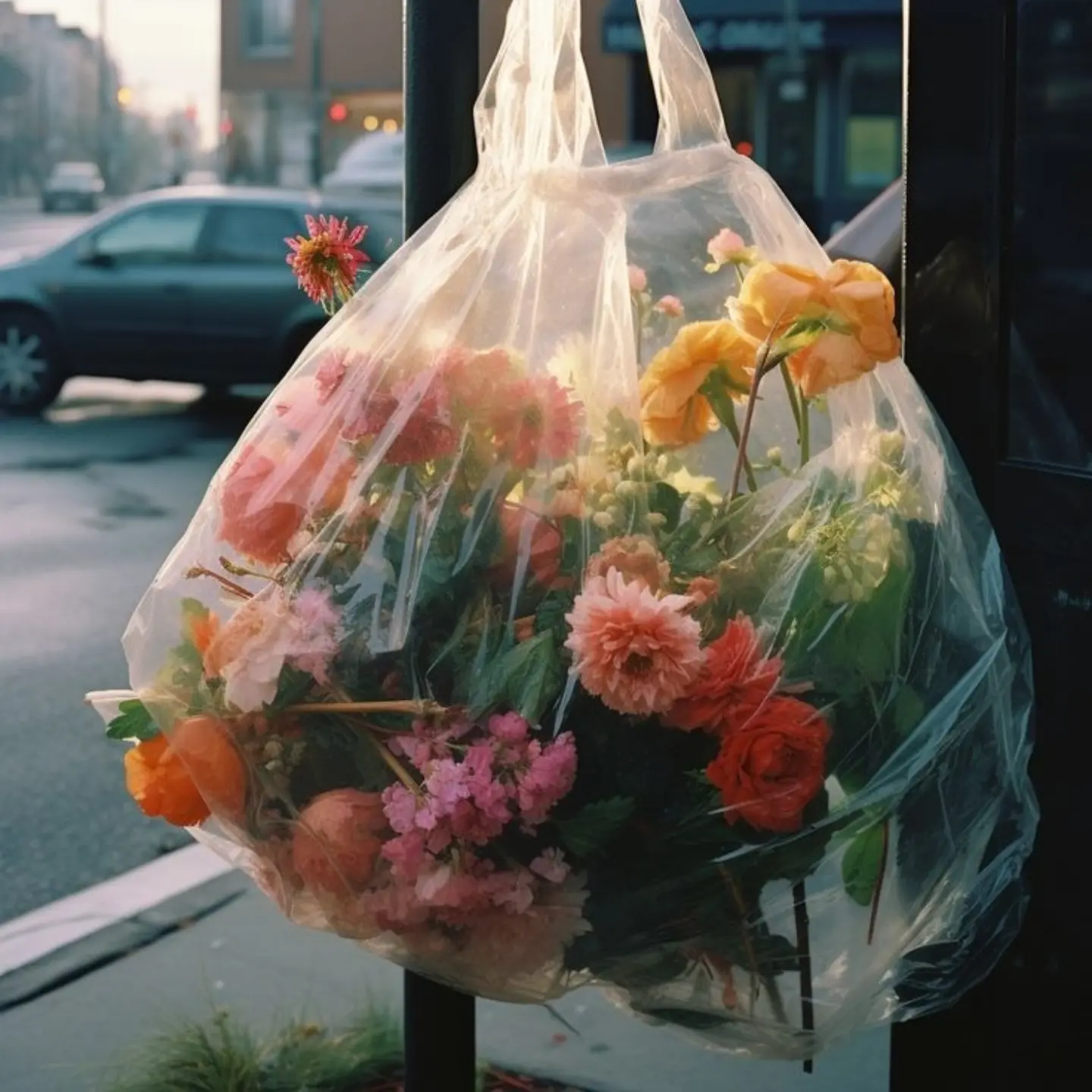
But from the smallest possible act of spatial disobedience: the decision that something should be allowed to grow.
References
Bessa, A.S. and Fiore, J. (2017) Gordon Matta-Clark: Anarchitect. New Haven and London: Yale University Press.
Deleuze, G. and Guattari, F. (1987) A Thousand Plateaus: Capitalism and Schizophrenia. Translated by B. Massumi. Minneapolis: University of Minnesota Press.
Karagianni, M. (2024) ‘The urban political ecology of the commons or commoning as a socio-natural process: The case of the Peri-Urban Gardening group in Thessaloniki’, Urban Studies, 61(6).
Lefebvre, H. (1991) The Production of Space. Translated by D. Nicholson-Smith. Oxford: Blackwell.
Matta-Clark, G. (2006) Gordon Matta-Clark: Works and Collected Writings. Edited by G. Moure. Barcelona: Ediciones Polígrafa.
Mikadze, V. (2015) ‘Ephemeral urban landscapes of guerrilla gardeners: A phenomenological approach’, Landscape Research, 40(5), pp. 519–529.
Reynolds, R. (2008) On Guerrilla Gardening: A Handbook for Gardening Without Boundaries. London: Bloomsbury.
Sackey, D. J. (2022). Without Permission: Guerrilla Gardening, Contested Places, Spatial Justice. Review of Communication, 22(4), 364–377.
Till, J. (2009) Architecture Depends. Cambridge, MA: MIT Press.
Venkataraman, D. (2026) ‘Meet the Guerrilla Gardeners Turning Vacant Lots Into Flowerbeds’, Service95, 2 August. Available at: Service95 (Accessed: 2 October 2026).
Wallace, E. (2017) ‘Gordon Matta-Clark’s Anarchitecture’, in Goyens, T. (ed.) Radical Gotham. Urbana: University of Illinois Press, pp. 180–200.